News
3D Printed Living Material Could Help Clean Up Pollution
With over 350 million metric tons of plastic waste generated globally each year, it is imperative that steps be taken to clean up, recycle, and recover parts of our world that have been inundated by pollution. One such pressing concern…
- 3 min read
- News
- Six more stories
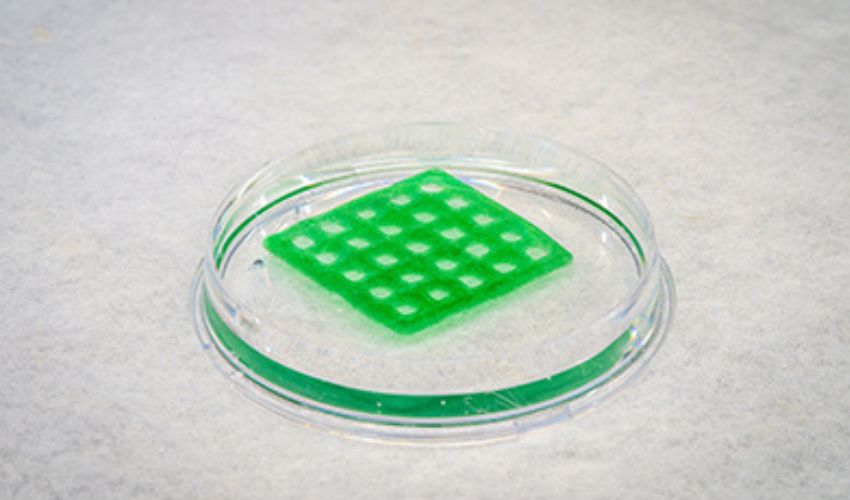
With over 350 million metric tons of plastic waste generated globally each year, it is imperative that steps be taken to clean up, recycle, and recover parts of our world that have been inundated by pollution. One such pressing concern is the amount of pollutants in our water, where hazardous materials such as plastics make their way into rivers, lakes, oceans and other water supplies in their untold millions daily. Now, researchers at UC San Diego hope that a recently created, organic, 3D printed living material could prove to be part of the solution to cleaning up our world.
Under the working name of “engineered living material”, the decontamination creation is a 3D printed construction made of a seaweed polymer known as alginate combined with a genetically engineered cyanobacteria designed to remove select pollutants from its surroundings by producing enzymes that break down the structure of harmful materials into benign, non-harmful molecules. This combined mix of seaweed alginate and bacteria is then extruded through a 3D printer into structures that can be designed to float in water or be positioned in various environments.

Photo Credits: David Baillot/UC San Diego Jacobs School of Engineering
“What’s innovative is the pairing of a polymer material with a biological system to create a living material that can function and respond to stimuli in ways that regular synthetic materials cannot,” explains research co-lead and nanoengineering professor at UC San Diego Jon Pokorski regarding the importance of the biological mixture. The all-in-one nature of the living material means that its construction and utility is quite efficient and the possibility for future products is promising. By the end of testing, the researchers settled on 3D printing a grid or waffle-shaped structure which held the benefit of providing the most nutrients to the bacteria while maximizing its decontaminating surface area.
More from the desk
Six other notes from the rest of the bench.
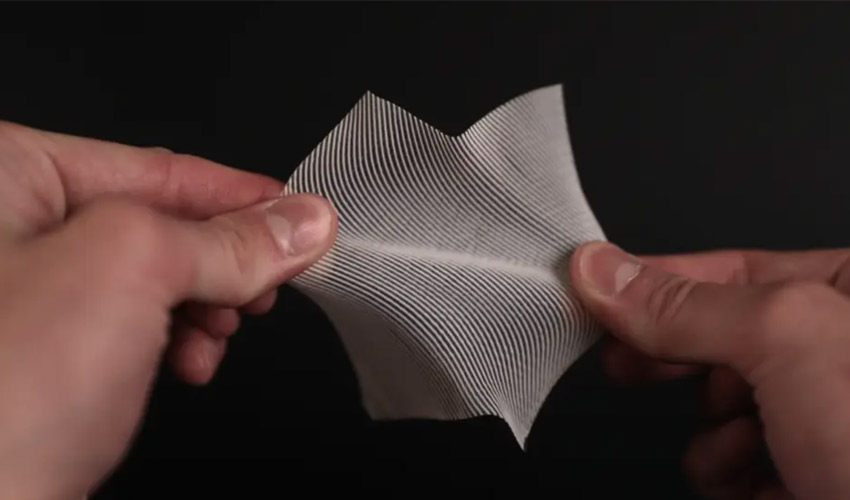 MaterialsDefeXtiles: using under-extrusion to create a new type of textileAt MIT, researchers and engineers often imagine creative projects and develop innovative products related to the world of 3D technologies. Recently, Jack Forman, one of the graduate students, developed a new type of textile by exploiting one of the common…
 NewsTOP 5 Videos: Essentium launches new HSE 280i HT 3D 3D printerIn the first video of this week’s top 5 videos, Essentium gives you the highlights of its newly launched HSE 280i HT 3D printer. Next up, EOS explains the importance of 3D printing in reducing negative environmental impacts and details…
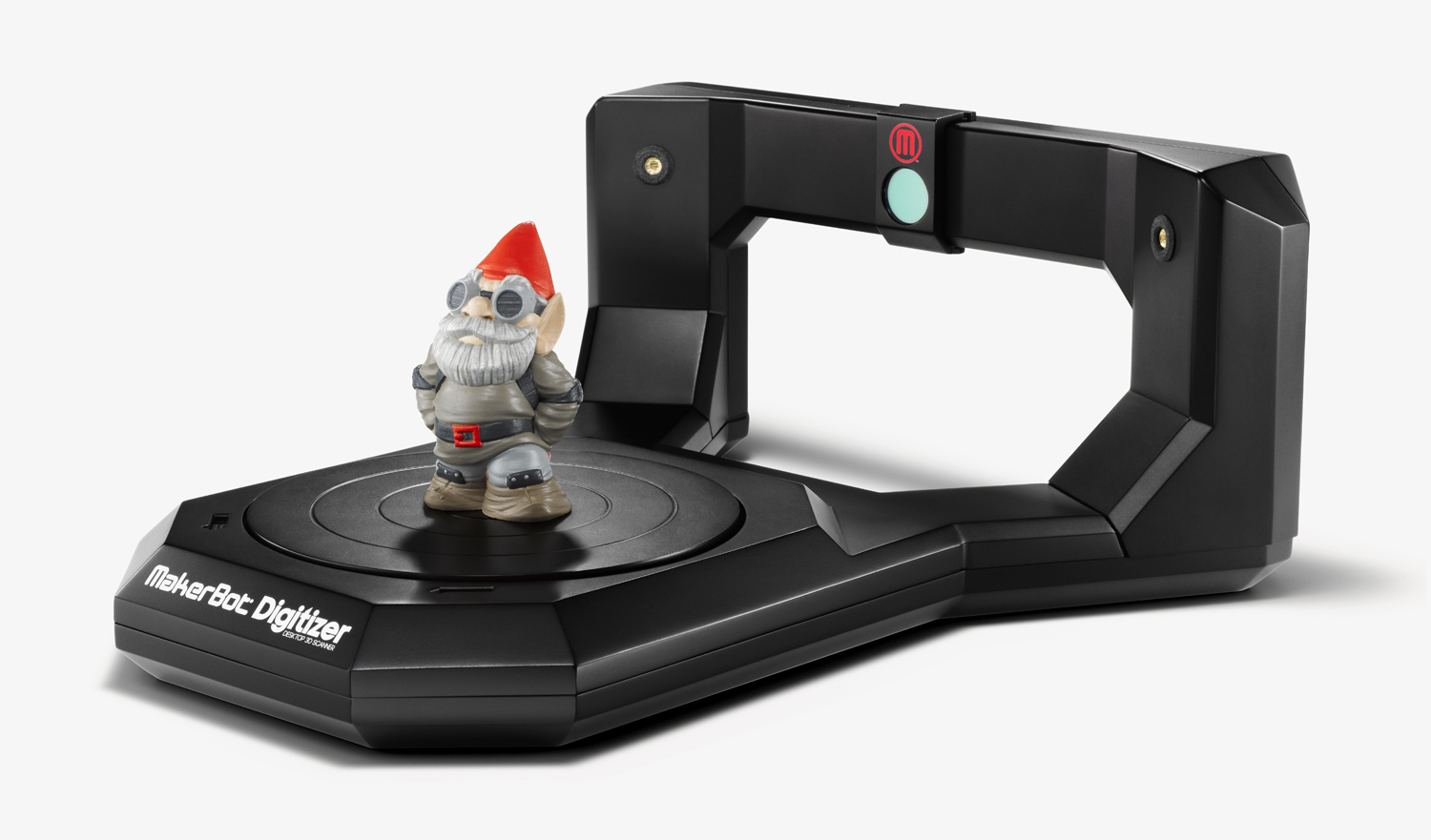 Printers3Dnatives Lab: Digitizer 3D Scanner by MakerBotToday, the 3Dnatives lab will be analyzing the Makerbot Digitizer 3D scanner to continue our series of tests on 3D scanners and printers! Don’t forget to check out all our scanner tests here, and to give us any comments, tips…
 SoftwareThe key to scaling up a 3D printing service: syncing engineering, sales and clientsIn 2017, MakerOS, based between New York City and Detroit, launched its version 1.0 collaboration platform for digital fabrication companies. At the time, Mike Moceri, the startup’s founder, had realized from first-hand experience that dealing with multiple clients while managing
 MaterialsUltimaker Announces the Release of its Newest Filament, Ultimaker PETGLeading 3D printing specialist, Ultimaker, has announced the launch of its new 3D printing material, Ultimaker PETG. PETG joins a number of other filaments offered by the company including, PLA, PVA, Nylon, CPE, ABS, PC, among others. The company stated…
 ApplicationsUK and US Army Collaborate Using 3D PrintingThe UK and US army have recently collaborated in the use of 3D printing to improve battlefield capabilities, as part of what is known as Project Convergence. This is the US army’s project of experimentation with speed, range, and decision…