Applications
3D Printed Heart Can Beat With New Fiber-Infused Ink
Heart disease is one of the leading causes of death worldwide. It is so widespread that according to the Centers of Disease Control and Prevention (CDC), one person dies every 33 seconds in the United States from cardiovascular disease with…
- 3 min read
- Applications
- Six more stories
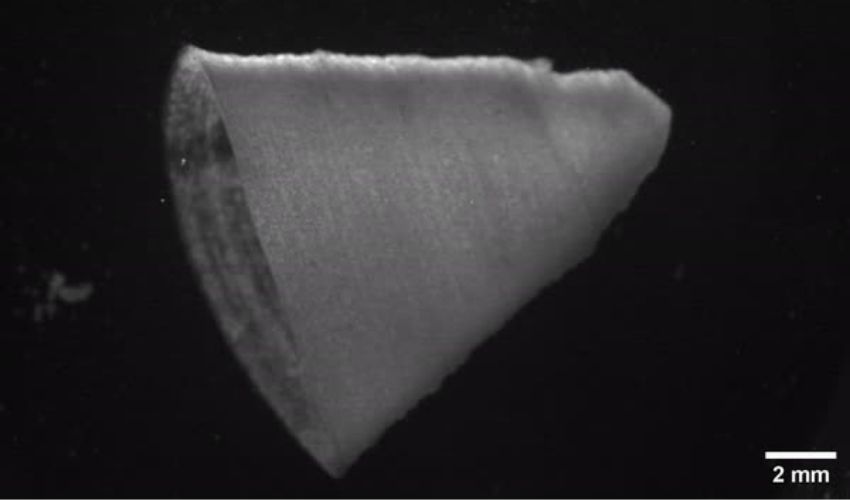
Heart disease is one of the leading causes of death worldwide. It is so widespread that according to the Centers of Disease Control and Prevention (CDC), one person dies every 33 seconds in the United States from cardiovascular disease with it being responsible for 1 in 5 deaths, about 695,000 people, in 2021. As such, research into treatment is imperative. Thankfully, Harvard scientists have recently had a breakthrough thanks to bioprinting. By using a special fiber-infused ink, they claim that they are able to 3D printed a functional heart ventricle that can mimic the beating of a human heart.
This is not the first time that bioprinting has been used in efforts to create organs. Currently, there is a shortage of organ donations and while according to the Organ Procurement and Transplantation Network, 42,000+ transplants occurred in 2022 alone, at least 17 people die each day while waiting for an organ transplant. To bridge this gap, bioprinting, or the act of using real cells to print living parts, has been put forth as a serious contender. However, though research continues, viability has been difficult to establish. By enabling the creation of tissue that can actually beat, this would bring us one step closer to not just being able to create 3D printed tissues for research but actually print entire organs.
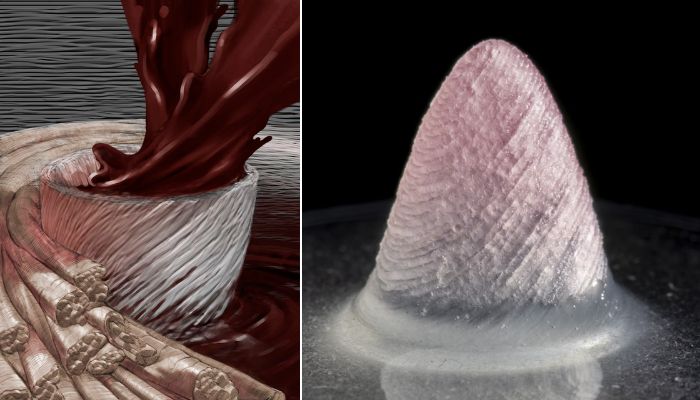
Suji Choi, research associate at SEAS and first author on the paper, explains “People have been trying to replicate organ structures and functions to test drug safety and efficacy as a way of predicting what might happen in the clinical setting. FIG ink is capable of flowing through the printing nozzle but, once the structure is printed, it maintains its 3D shape. Because of those properties, I found it’s possible to print a ventricle-like structure and other complex 3D shapes without using extra support materials or scaffolds.”
More from the desk
Six other notes from the rest of the bench.
 ApplicationsKAV Has Launched a Kickstarter Campaign For 3D Printed Bike HelmetsFor quite a few years now, 3D printing has been used in sports. Used for various applications, mainly to manufacture protective gear, additive manufacturing has repeatedly demonstrated the vast possibilities that it can offer to athletes. In American football, cycling…
 Guides#3DStartup: Replique on 3D Printing Secure Spare PartsAs 3D printing becomes more and more popular, large companies are trying to find ways to test the technologies. However, investing in machines can be expensive, especially when your workforce is not trained in additive manufacturing. Luckily, there are other…
 NewsTop 5 Videos of the Week: submicron metal 3D printing…This week we found the top 5 videos about 3D printing and the way additive manufacturing is shaping our society. The technology has infiltrated many sectors, from medical to automotive! Check out our selection of the week to keep up with the innovations! This week we…
 NewsPenn State Tackles Alaska’s Housing Shortage with 3D Printed Homes InitiativeIn Alaska, where rugged landscapes and harsh winters have exacerbated the housing crisis , researchers at Penn State have developed a promising solution to alleviate the state’s housing shortage. Led by Professor José Pinto Duarte, Stuckeman Chair in Design Innovation&helli
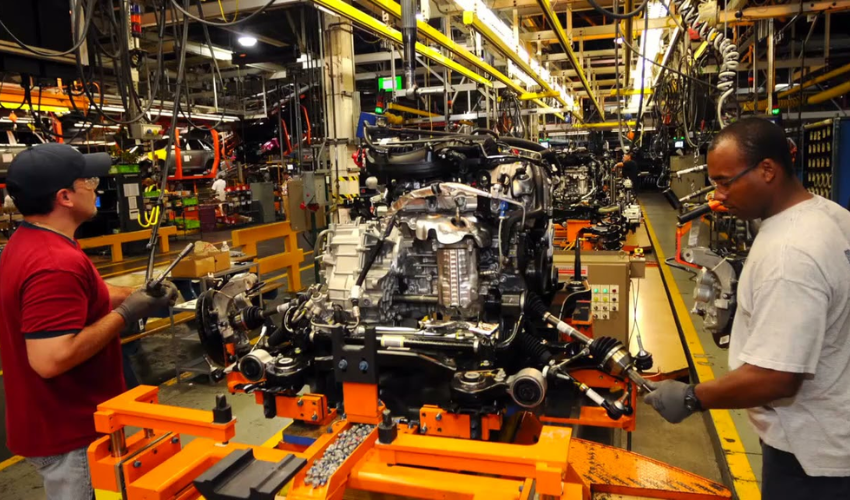 ApplicationsNew European Collaboration Brings a 3D Printed Twist to Vehicle Safety DesignResearchers from both Scotland and Italy have announced a new type of 3D printed metamaterial that has the ability to transform the way vehicles absorb impact. The design has a unique twisting lattice structure and can adapt its response to…
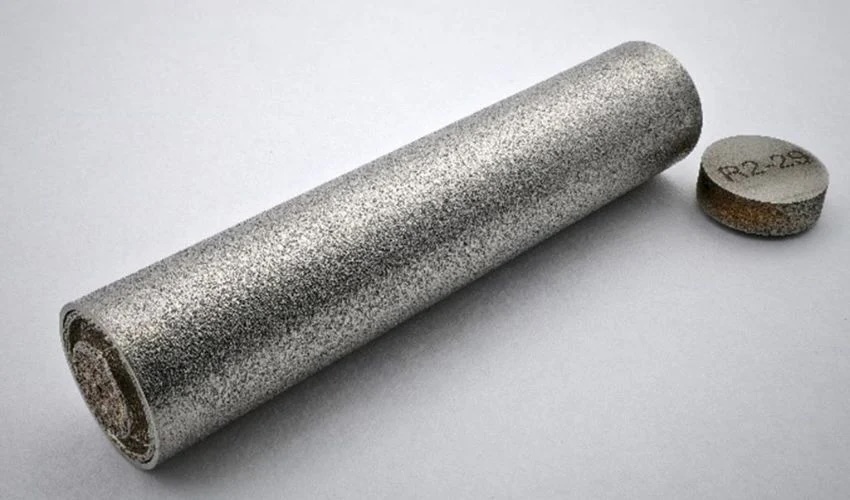 News3D Printed Capsules Withstand Nuclear Reactor TestingCan 3D printed components meet the strict standards required for nuclear energy applications? That’s the question being explored by the U.S. Department of Energy’s Oak Ridge National Laboratory (ORNL). The lab has just reached a significant milestone by successfully testing&helli