News
3D Printed Capsules Withstand Nuclear Reactor Testing
Can 3D printed components meet the strict standards required for nuclear energy applications? That’s the question being explored by the U.S. Department of Energy’s Oak Ridge National Laboratory (ORNL). The lab has just reached a significant milestone by successfully testing&helli
- 3 min read
- News
- Six more stories
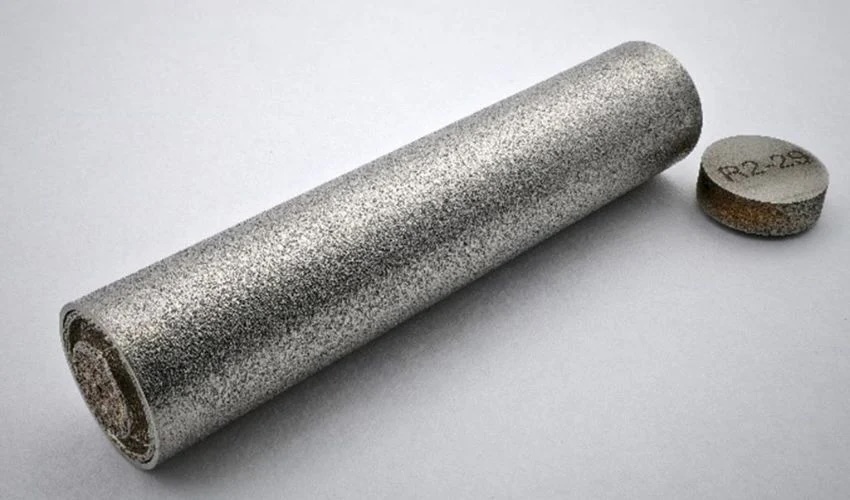
Can 3D printed components meet the strict standards required for nuclear energy applications? That’s the question being explored by the U.S. Department of Energy’s Oak Ridge National Laboratory (ORNL). The lab has just reached a significant milestone by successfully testing two experimental capsules 3D printed in stainless steel in their High Flux Isotope Reactor (HFIR). These capsules contain materials that researchers aim to evaluate for their performance in nuclear environments.
Additive manufacturing was chosen to create these capsules because it significantly reduced both production costs and time multiple capsules can be printed on a single build plate, optimizing the fabrication process. A laser powder bed fusion machine was used, with 316H stainless steel. This material offers good resistance to high temperatures, radiation, and corrosion. Once the capsule is printed, the team inserts the material they want to test. In fact, the capsule serves as both a pressure boundary and containment vessel two key features for ensuring the safety of the experiment.
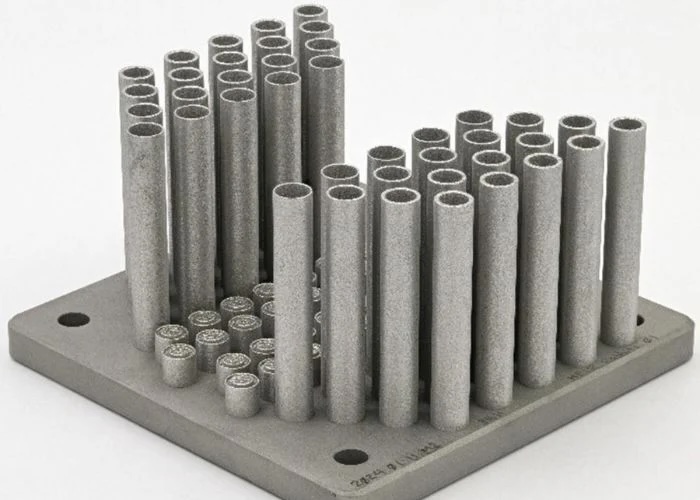
Several capsules can be 3D printed at the same time.
These 3D printed capsules were then inserted into ORNL’s High Flux Isotope Reactor (HFIR) after an assembly and qualification phase. This reactor produces one of the highest neutron fluxes in the world, allowing researchers to replicate the environment of a nuclear reactor and thus test and qualify materials. The capsules remained in the reactor for one month, and according to the researchers, their structure remained unchanged.
More from the desk
Six other notes from the rest of the bench.
 GuidesBatch.works, 3D printing sustainable decorative objectsIn the design sector, 3D printing makes it possible to achieve high levels of geometric complexity while offering a high degree of customisation. These are two key advantages that interest many creators today, regardless of their core business. Today, we…
 NewsBecome Part of Barbenheimer With 3D PrintingSince COVID-19, it is clear that the way people experience movies has changed. Even as restrictions have gone down, attending the cinema is no longer the common activity that it once was. Indeed, more and more movies are being released…
 GuidesAtome3D on desktop 3D printing’s key role to accelerate productionThe company Atome3D is one of the main players in additive manufacturing in France. Today, it distributes a wide range of desktop 3D printing solutions, from printers, materials, to 3D scanners, and supports professionals and industrialists in the integration of…
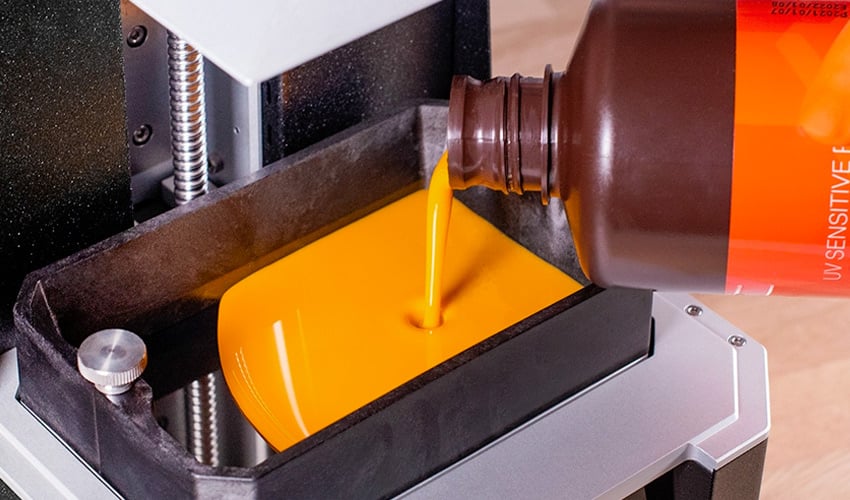 MaterialsThe Different Types of Resins Available for 3D PrintingAs we have seen on numerous occasions, choosing the right material is a fundamental step in additive manufacturing. This is especially important in resin 3D printing, a process in which photosensitive materials are cured layer by layer until the final,…
 NewsAlibaba and Tronxy 3D Sued Over 3D Printer Death in San FransiscoAccording to court documents from San Fransisco, the parents of Calvin Yu, who died in a fire caused by a 3D printer in 2020, are suing both the 3D printer manufacturer, Tronxy 3D, and Alibaba. The fire occurred when a…
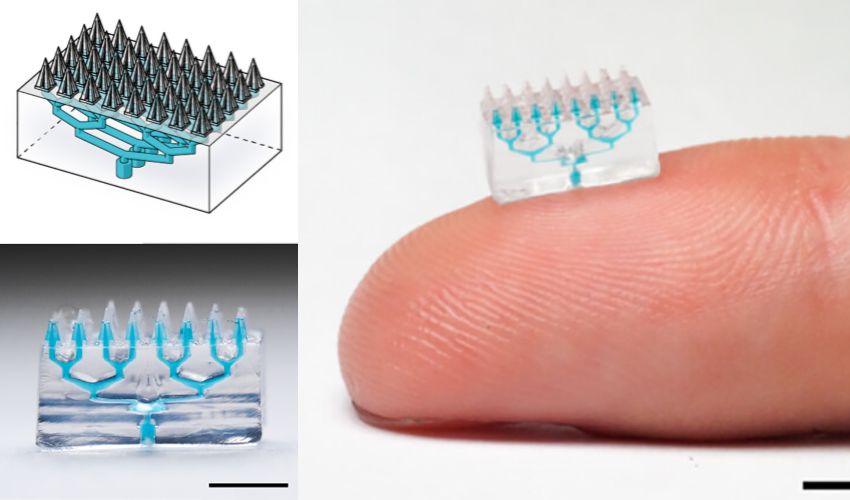 ApplicationsJoseph DeSimone on PinPrint, Carbon and Advice for AM InnovatorsJust over a decade ago, renowned chemist Dr. Joseph DeSimone introduced a groundbreaking technology that would form the foundation of the company Carbon, where he served as Co-Founder and CEO. This technology, known as Continuous Liquid Interface Production (CLIP), transformed re