Applications
Are 3D printed drugs the future of personalized medicine?
Personalized medicine tailors treatment to the individual characteristics of each patient. One of the technologies that enables tailor-made treatments is additive manufacturing. In the medical sector, 3D printing technologies have already been used to create custom-made prostheti
- 3 min read
- Applications
- Six more stories
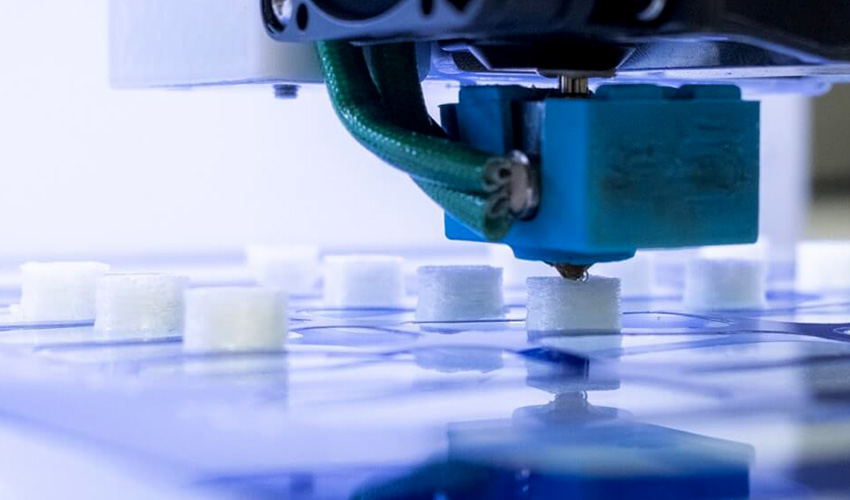
Personalized medicine tailors treatment to the individual characteristics of each patient. One of the technologies that enables tailor-made treatments is additive manufacturing. In the medical sector, 3D printing technologies have already been used to create custom-made prosthetics, implants and other medical devices. The technology is even being used to develop 3D bioprinted organs. Another way in which we can adapt treatment to patients is to develop personalized drugs. 3D printed drugs have been developed to adapt to each patient’s needs, and could change treatments in a radical way in the long term. Today, we explore the various 3D printing technologies used to create 3D printed medicine. What are the current techniques? What benefits do they bring? And, of course, how will they impact the pharmaceutical industry?
Nowadays, millions of people rely on medical prescription drugs on a regular basis for various conditions and illnesses. One issue is that due to the mass production of uniform pills, we often consume doses above the recommended ones. According to the CEO of Multiply Labs – manufacturer of pharmaceutical filament for the creation of 3D printed pills – Fred Paretti: “Currently, medications are developed especially for white adult men, which means that all women and children have an excessive prescription for their bodies. This fact underlines the importance of the advent of personalized medicines, as well as highlighting the individuality of each patient. Since the error in the dosage of certain active ingredients can even lead to the malfunctioning of some treatments.”
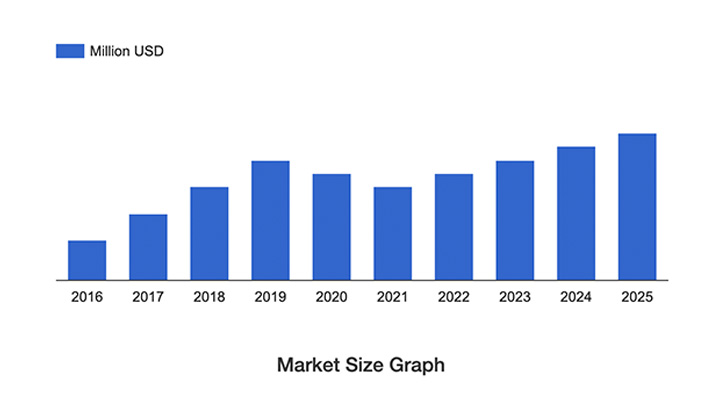
Since 2018 the market for 3D printed medicines has experience growth rate of 7% | Credits: Industry Stats Report
Looking at the 3D printed drug developments in the last few years, we see an encouraging future. In the last two years, the market has experienced a big increase, since 2018 it has had a 7% annual growth rate, and is expected to reach a value of $437 million in 2025 (according to the Industry Stats Report study). The country that accounts for the most growth is the US, with a share of 39.75% of total revenue. This is due to the fact that the country’s large pharmaceutical companies are betting more on research and development in 3D printing techniques.
More from the desk
Six other notes from the rest of the bench.
 NewsA material that change the shape and colour of 3D printed partsResearchers at Darmouth College have been successful in developing a unique new 3D printing material. They have created a smart ink that would allow 3D printed parts to change shape and colour over time. This research will interest and benefit sectors…
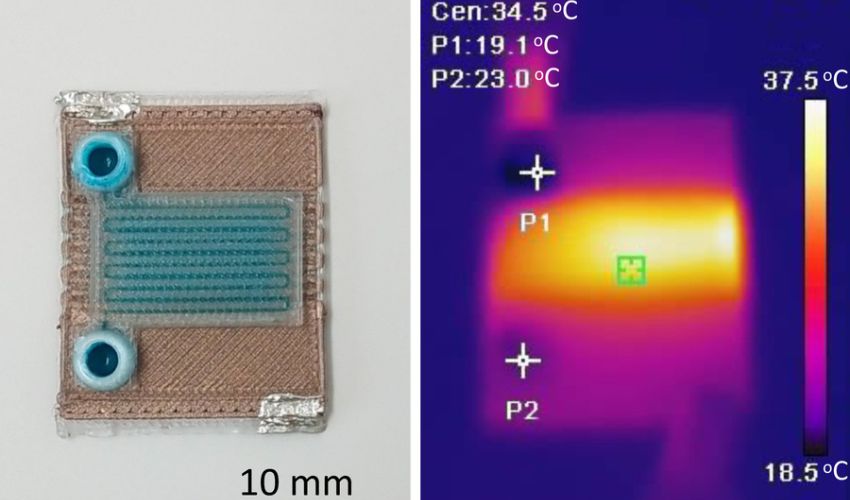 ApplicationsMIT Researchers Use 3D Printing to Create a Self-Heating Microfluidic DeviceYou don’t have to be an engineer with extensive technical knowledge to come into contact with microfluidics and their applications. The aim of microfluidic systems is to control small quantities of liquids in tiny networks and channels, and to discuss…
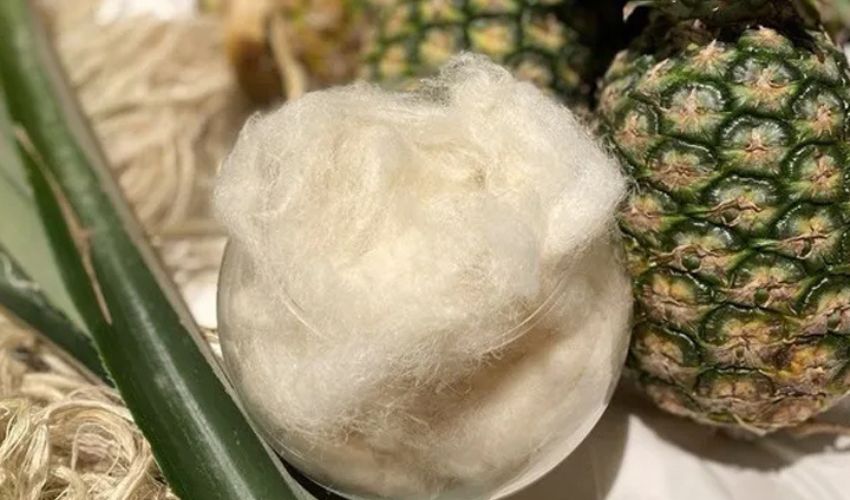 NewsReinforcement of PLA For 3D Printing Using Plant WasteA recent study from an international group of researchers suggests that pineapple leaf fiber (PALF) could be used to reinforce polylactic acid (PLA). They tested two types of PALF (raw, and alkali-treated) combined with PLA, and results showed better ductility…
 News3D drone used to save lives on beachesThis summer you can enjoy safe beaches thanks to the arrival of the 3D drone. It was created by the Valencian company General Drones, and its new development is called Auxdron Lifeguard, which have been responsible for the surveillance of the…
 NewsTop 5 Videos: Visiting Stratasys Headquarters in IsraelIt is once again Sunday, which means it is time for the week’s top 5 3D printing videos! First up, 3Dnatives visits Stratasys headquarters in Israel as part of an Inside 3D tour series. Next up, a steakhouse restaurant in…
 NewsTop 5 Videos: From Injection Molds to 3D Printed HomesCheck out the Top 5 Videos of the Month! We start with Formlabs showing you how to create durable, low-volume 3D printed injection molds efficiently. Next, 3Dnatives breaks down different 3D printer motion systems, helping you understand Cartesian, CoreXY, Delta,…