News
Reinforcement of PLA For 3D Printing Using Plant Waste
A recent study from an international group of researchers suggests that pineapple leaf fiber (PALF) could be used to reinforce polylactic acid (PLA). They tested two types of PALF (raw, and alkali-treated) combined with PLA, and results showed better ductility…
- 3 min read
- News
- Six more stories
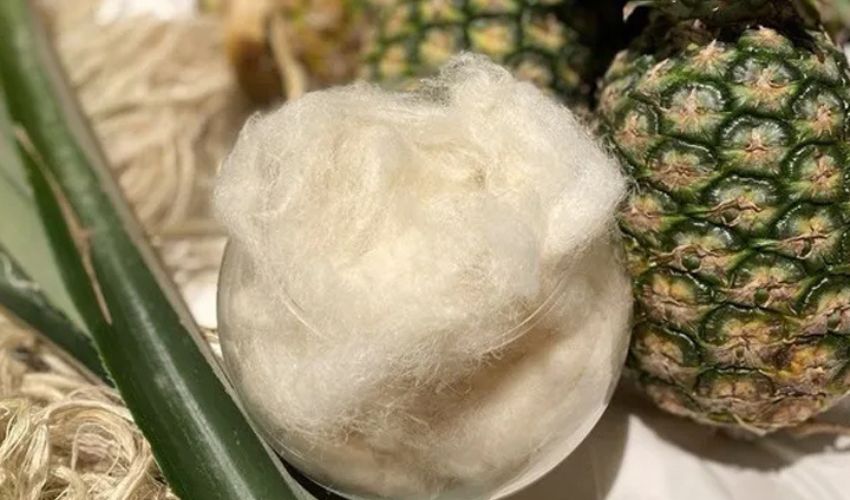
A recent study from an international group of researchers suggests that pineapple leaf fiber (PALF) could be used to reinforce polylactic acid (PLA). They tested two types of PALF (raw, and alkali-treated) combined with PLA, and results showed better ductility for the former, and better tensile strength for the latter. Both were, however, an improvement on the PLA alone. This could have big implications for 3D printing using plant waste. Polylactic acid is a thermoplastic polymer, the most widely used plastic filament material for 3D printing. Its characteristics of partial biodegradability, good thermal stability and ease of processing make it a popular choice for many industries. Therefore, any method to improve its properties is important.
The Research Process
The researchers were an international team, led by scientists Dr. Mansingh of India, Dr. JS Binoj of Malaysia and Associate Professor Eugene Wong of Singapore. To begin their study on plant materials and 3D printing, they took two samples of PALF. One was left untreated, while the other was treated with alkali of various weight percentages. Each was then separately tested by combination with PLA and then extruded in an FDM process. They used the Ultimaker 3 for this step. Several tests were carried out to assess the new properties of the product. These included infrared spectroscopy, microscope viewing to check for impurities, and thermal analysis which checked for thermal stability (how the mass changed over time with change in temperature).
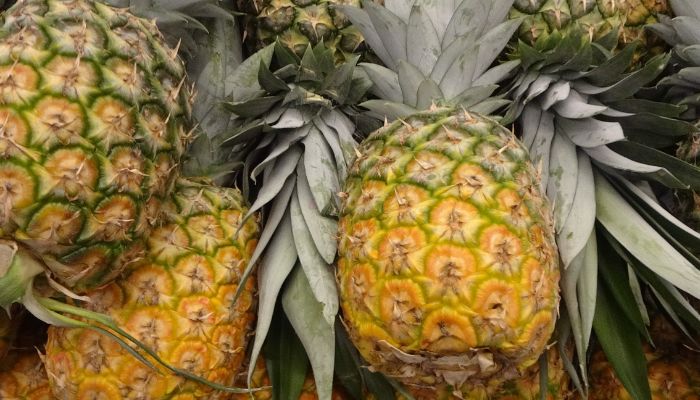
The researchers were seeing if pineapple waste could be combined with PLA to make stronger but still biodegradable filament (photo credits: David Adam Kess, CC BY-SA 4.0, via Wikimedia Commons)
They found that untreated, or raw, PALF had higher elongation at break than alkali-treated, meaning a better ductility. However, alkali-treated PALF reinforcement at 3 wt% exhibited maximum tensile and flexural characteristics, so was considered to be the optimized condition. Both reinforcements were an improved on PLA alone. This suggests that plant waste can in fact be used for 3D printing to improve the properties and function of materials.
More from the desk
Six other notes from the rest of the bench.
 NewsAMUG 2022: A Round Up of all the News From the EventAMUG 2022 is officially over! The annual AM conference “for users – by users” took place this year from April 3rd to 7th in the Hilton in Chicago, Illinois. Once again, attendees were treated to packed days full of conferences,…
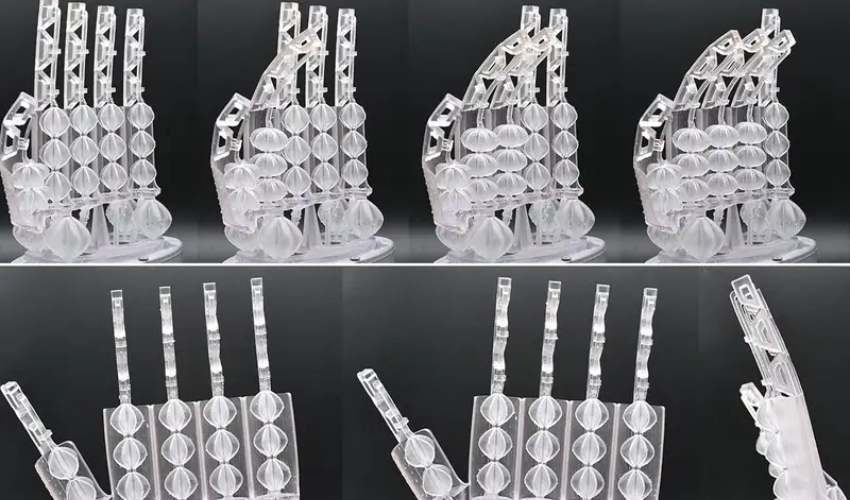 NewsResearchers Develop Robotic Hand That Can Lift 1000X its WeightWe already knew that ants are capable of carrying 100 times their own body weight. But what if we told you that researchers have succeeded in developing a robotic hand that can carry 1000 times its own weight thanks to…
 NewsWood 3D Printing Is Being Used for More Eco-Friendly LightsThough best known for polymers and metals, more than ever 3D printing is widening its horizons when it comes to material development. This is especially the case when it comes to more sustainable materials. And what could be more eco-friendly…
 NewsTop 5 Videos: Stratasys Moves to More Mindful ManufacturingOnce again, we want to share with you the top 5 3D printing videos of the week. First up, Stratasys talks about the need to transition to more “Mindful Manufacturing,” especially the role of 3D printing in making supply chains…
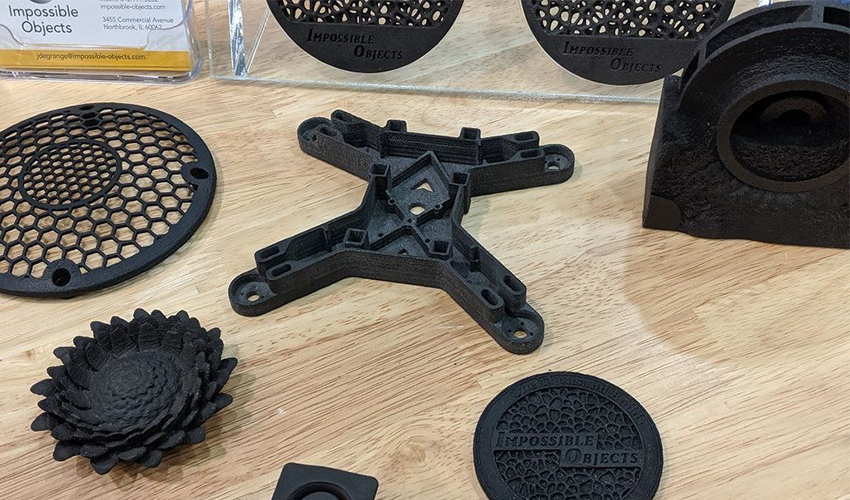 MaterialsRicoh 3D and Impossible Objects Develop New Composite MaterialsMore and more companies specializing in additive manufacturing are turning to composite materials to develop parts. And that’s exactly why Ricoh 3D, a Japanese 3D printing service provider, has teamed up with composite 3D printer manufacturer Impossible Objects. This collab
 NewsHow 3D Printing Will Change Manufacturing3D printing is a special type of digital fabrication called additive manufacturing. The difference between additive manufacturing and traditional techniques is that objects are created layer-by-layer, so there is minimal loss of material. This creates a potential for a more&helli