Guides
Built for the Battlefield: 3D-Printed Drones Move to the Front Lines
From reconnaissance to strike missions, 3D-printed drones are moving from the factory floor to the front lines. Across the U.S. Army, Marine Corps, and allied forces, additive manufacturing is enabling soldiers to build, repair, and adapt UAVs exactly where and…
- 3 min read
- Guides
- Six more stories
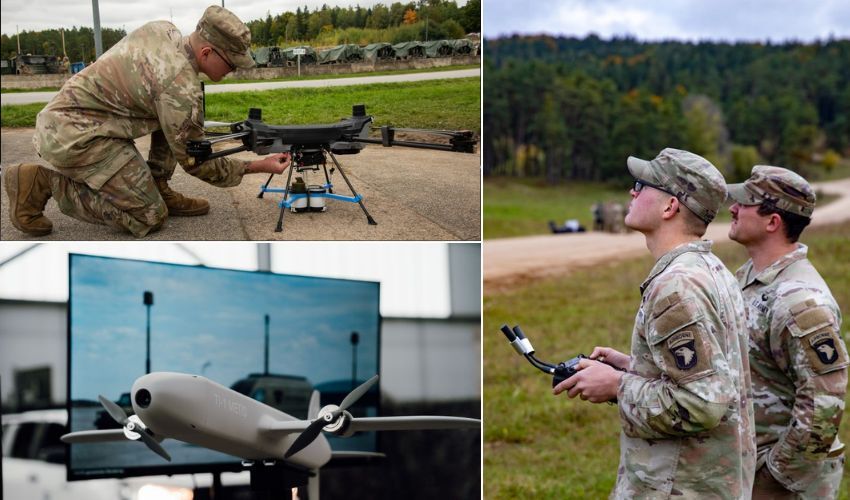
From reconnaissance to strike missions, 3D-printed drones are moving from the factory floor to the front lines. Across the U.S. Army, Marine Corps, and allied forces, additive manufacturing is enabling soldiers to build, repair, and adapt UAVs exactly where and when they are needed. Here are some of the most compelling examples.
The HANX Drone: First 3D-Printed Drone with US NDAA Certification
Developed by a team within the U.S. Marine Corps, HANX is the first fully 3D-printed drone to comply with National Defense Authorization Act (NDAA) requirements. Designed with security in mind, all components are free from restricted or potentially compromised technologies, a key condition for deployment within U.S. military systems. Built as a modular platform, HANX can be 3D printed, modified, and repaired directly by Marines, allowing it to be quickly adapted for different missions, including reconnaissance, training, logistics, and low-cost strike operations. Developed in just 90 days through multiple iterations, the drone received interim flight authorization from Naval Air Systems Command (NAVAIR), marking a key milestone for additive manufacturing within the Marine Corps.
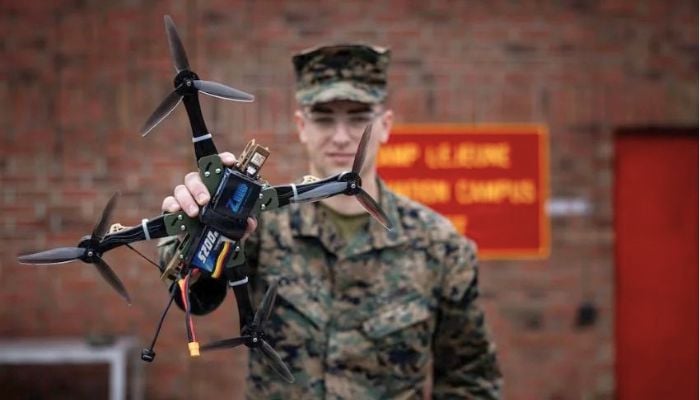
Photo Credits: MARINE CORPS
3D-Printed Ammunition Drop Device
Widowmaker is a 3D-printed device designed for dropping munitions from drones. While the exact process remains unspecified, it was produced using commercial 3D printers, likely desktop FFF systems. This device was mounted on a PDW C-100 drone platform and tested by U.S. soldiers. This allows them to launch M67 fragmentation grenades, training ammunition, and smoke grenades—all with greater precision and speed than before. What’s interesting is that Widowmaker was designed entirely in-house by soldiers: they used CAD software and 3D printers, without any prior specialized experience. The technology enabled them to produce several prototypes for testing in just a few months.
More from the desk
Six other notes from the rest of the bench.
 NewsA 3D printed and recycled wood cabinWhat if we reuse wood waste to make small houses and other constructions? That’s the idea behind Ashen Cabin, a cabin imagined by the HANNAH design studio: using emerlad-ash-borer-infested wood (a species of beetle insect), the American company used 3D printing…
 NewsBambu Lab’s First Laser Engraver Lands Days After a $27.6M Patent Loss to StratasysBambu Lab just had a rough week in court. On September 17, a federal jury in the Eastern District of Texas ordered the company to pay Stratasys $27.6 million after finding that four Bambu Lab-linked entities had willfully infringed four…
 NewsA 3D Printed Organ Helps Ring in the Near Year in HelsinkiEvery year on January 1st, concerts around the world ring in the New Year in a lively and musical way. The traditional New Year’s concert by the Vienna Philharmonic Orchestra, for example, attracts millions of people every year who do…
 ApplicationsWake Forest Teams Win NASA Challenge with Functional 3D Printed Liver TissuesThe first and second place winners in NASA’s Vascular Tissue Challenge have created 3D printed lab-grown human liver tissues. The two teams of scientists, both from the Wake Forest Institute for Regenerative Medicine (WFIRM) in Winston-Salem, North Carolina were able&hellip
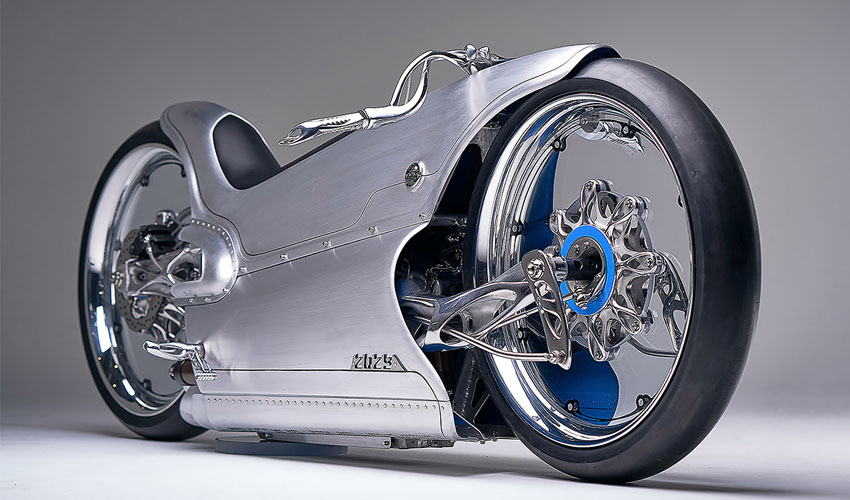 NewsFuller Moto’s 2029 electric motorcycle combines metal 3D printing and traditional manufacturingBased in Georgia, the American Fuller Moto is one of the leading workshops for the design and customisation of cars and motorcycles. It offers, in addition to this expertise and passion, a real education to its customers, whatever their profile.…
 GuidesAnthroTek Mimics Human Tissue Behavior Using 3D PrintingIt’s almost unrealistic to think that additive manufacturing can achieve this level of detail, don’t you think? And yet, you’re not dreaming: technology makes it possible to recreate body parts, skin models, and organs that are extremely faithful to reality.&hel