Materials
3D printed Buttons from Recycled Fishing Nets
Finisterre is a British brand that designs environmentally friendly clothing and accessories, particularly for surfers. The company has recently initiated a new project around additive manufacturing: why not 3D print the accessories that allow us “to close” our clothes –&he
- 3 min read
- Materials
- Six more stories
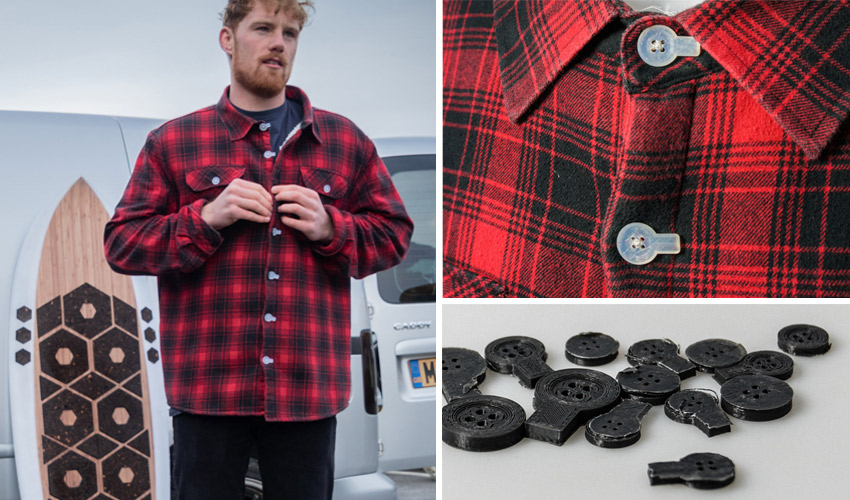
Finisterre is a British brand that designs environmentally friendly clothing and accessories, particularly for surfers. The company has recently initiated a new project around additive manufacturing: why not 3D print the accessories that allow us “to close” our clothes – buttons, zipper pulls, etc.? This ambitious project inspired a collaboration between Fishy Filaments, a company that designs printing filaments from recycled fishing nets, AddiFab and a student from Falmouth University. Together, they developed 3D printed buttons that are more ergonomic and above all more practical: they have a sort of tab that makes it easier to detach them even when your hands are cold or wet.
You might be surprised how much waste buttons generate for our environment. Around 50,000 tons of these small accessories are produced every year, most of them coming directly from China – you can imagine the transport flows that this represents. Moreover, they are often made from Nylon 6, a material that produces almost half a million tons of CO2 each year! Additive manufacturing could help reduce this environmental impact by reducing overproduction and using local materials.
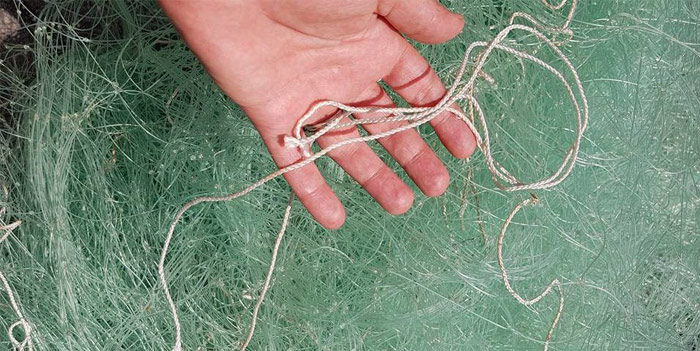
Fishy Filaments designs 3D printing filaments with fishing nets
Niall Jones is the student who came up with the design of the button. He explains that he needed a practical shape that could be quickly attached and detached in any situation. So he designed several different models and the one with the small tab proved to be the best one. He explains his approach: “The best way to test the performance of the buttons would be to test them with cold hands. I spent two hours surfing without gloves in December – it was cold for sure. When I got out of the water, I tested several of my models and that’s how I found the right one.” Once he created the 3D model and prepared his STL file, Fishy Filaments provided him with the material he needed.
More from the desk
Six other notes from the rest of the bench.
 ApplicationsUganda Launches Satellite for 3D Bioprinting In SpaceDid you know 3D printing is present in space?! In the next step for microgravity bioprinting, Uganda has launched a satellite, named the PearlAfricaSat-1, which includes a facility for 3D bioprinting in space. This will allow the country to take…
 NewsTop 5: IKEA Interviews Will Feature 3D Printed MeatballsIt’s Sunday! Which means that it is also time for our latest round of top 5 3D printing videos from the week. First, we will start with the latest recruitment video from IKEA which has a surprising guest: 3D printed,…
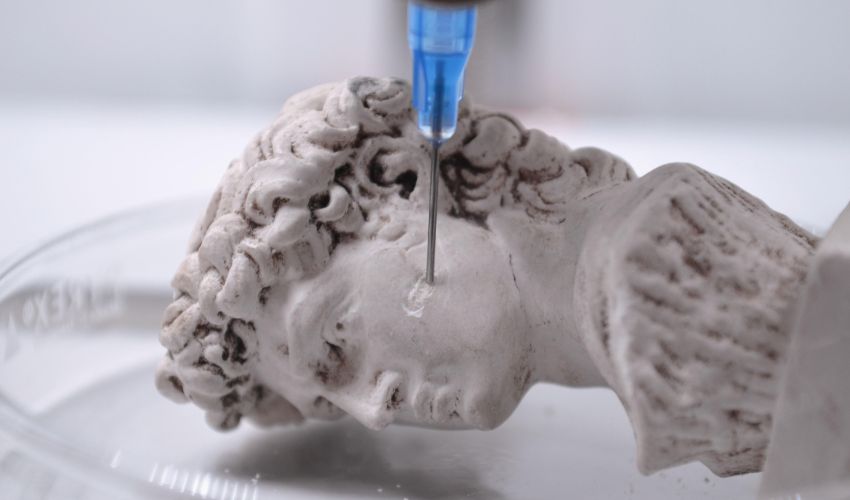 MaterialsResearchers Are 3D Printing With Bacteria to Create Bone-Like CompositesIt is well known that 3D printing can be done with any numbers of unusual materials including cells, chocolate and more. But what about bacteria? Well, in a recent project, EPFL (École Polytechnique Fédérale de Lausanne AKA the Swiss Federal…
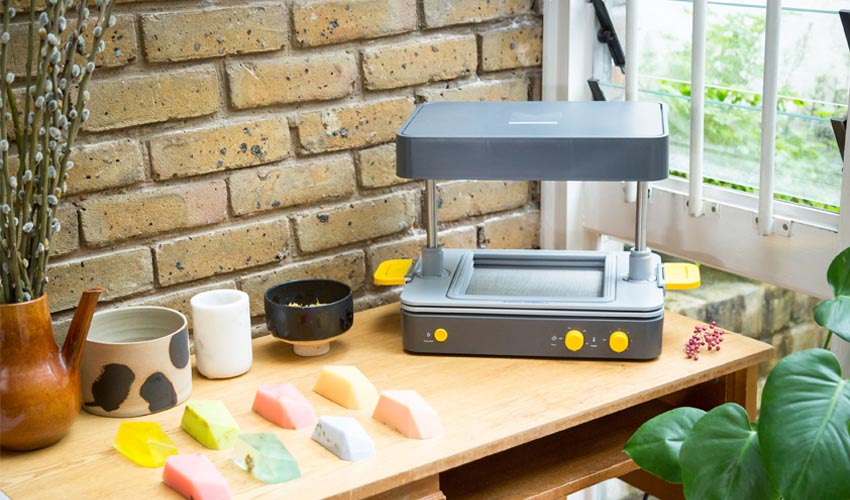 Printersthe Mayku FormBox; an ideal partner for your 3D printerMayku is a young startup that launched FormBox, a desktop tool that works like a vacuum machine. After their success on Kickstarter, where they raised more than $ 550,000. The company began commercialisation: this machine allows you to create all kinds…
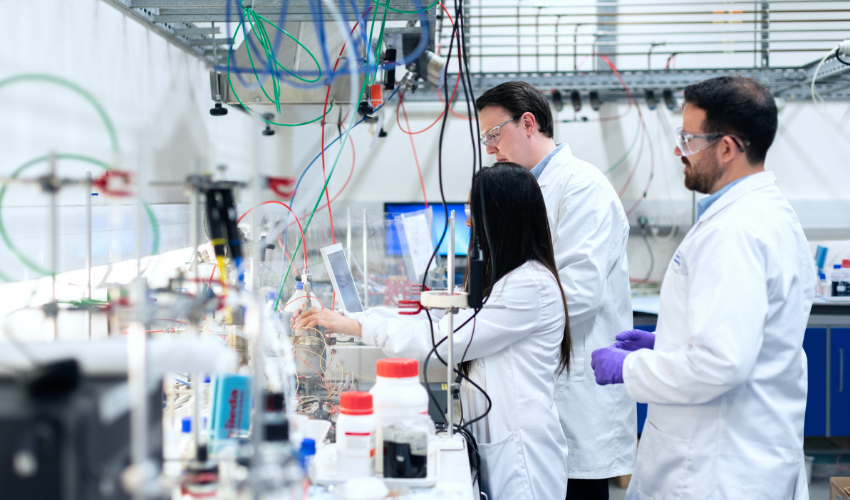 MaterialsMIT Uses Artificial Intelligence To Automate 3D Printing Materials Discovery ProcessArtificial Intelligence, and more specifically, machine learning, is finding its way through various applications in the additive manufacturing industry. This time, researchers from MIT have applied the data-driven nature of machine learning to automate the process of discovering
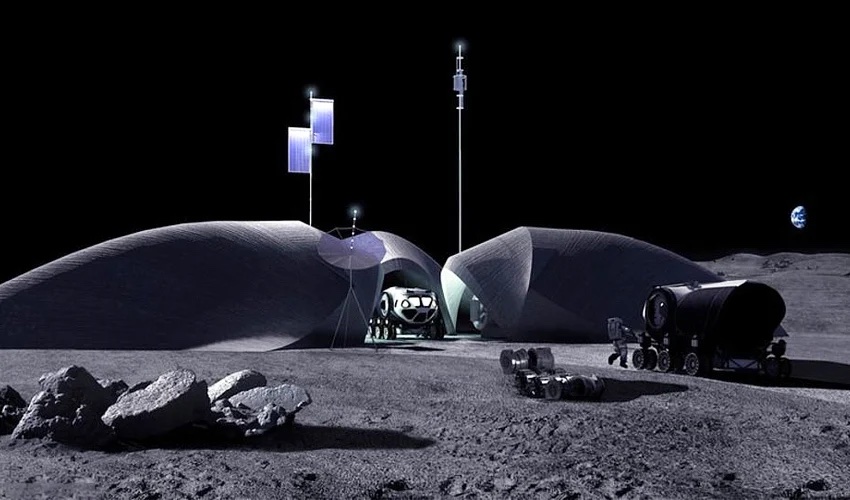 ApplicationsNASA’s Artemis Project Will Include a 3D Printed Lunar BunkerNASA is once again turning to 3D printing to help it in its upcoming Artemis Mission, this time through a collaboration with AI Space Factory. In the project, AI Space Factory will be creating a 3D printed base camp (named…