Materials
Researchers Are 3D Printing With Bacteria to Create Bone-Like Composites
It is well known that 3D printing can be done with any numbers of unusual materials including cells, chocolate and more. But what about bacteria? Well, in a recent project, EPFL (École Polytechnique Fédérale de Lausanne AKA the Swiss Federal…
- 3 min read
- Materials
- Six more stories
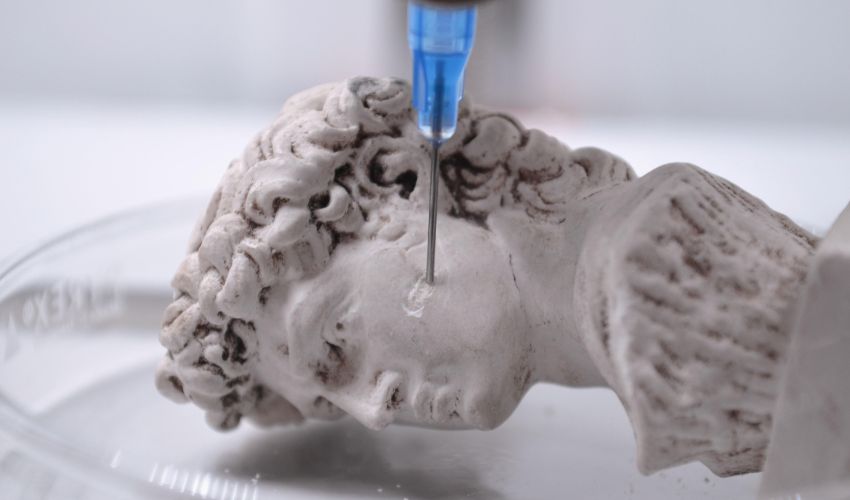
It is well known that 3D printing can be done with any numbers of unusual materials including cells, chocolate and more. But what about bacteria? Well, in a recent project, EPFL (École Polytechnique Fédérale de Lausanne AKA the Swiss Federal Institue of Technology Lausanne) researchers have done just that. More specifically, they have published a method for 3D printing with an ink that contains a calcium carbonate-producing bacteria. The resulting biocomposite has a number of interesting applications and is strong, light and environmentally friendly.
This is certainly not the first time that scientists have turned to the wider natural world to seek solutions for additive manufacturing. In fact, biomimicry, or the practice of imitating life, is popular in 3D printing as it allow for more optimization of parts, such as with lattice structures which imitate beehives. A similar reasoning is behind this project. The researchers looked towards nature which is able to produce composite materials that are simultaneously light and strong, porous and rigid (nearly impossible to do in a lab or factory) such as with mollusk shells or bone. Ultimately, they hope to produce materials that have these properties while also being environmentally friendly. Now with this this 3D printable ink, they have achieved just that.
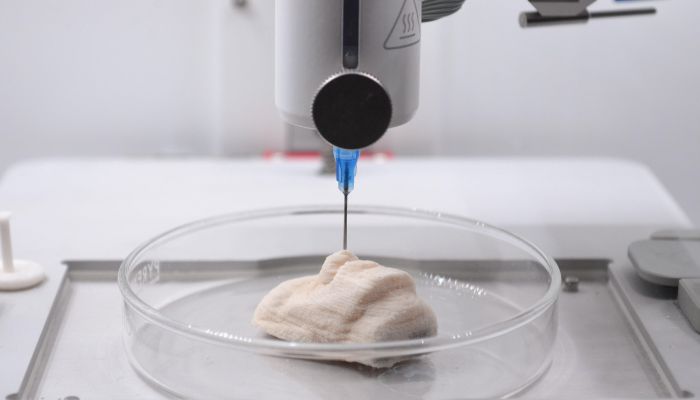
By combining a bacteria-loaded ink (called BactoInk) and 3D printing, the scientists have successfully created a strong, light and environmentally friendly biocomposite
3D Printing Bacteria to Create Better Composites
In the paper published in Materials Today, 3D printing of living structural biocomposites, researchers at EFPL’s Soft Materials Laboratory, outlined how they were able to create the process. Namely, they created a 3D printable ink using the bacterium Sporosarcina pasteurii. This bacterium was chosen because it has an interesting ability, when exposed to a urea-containing solution, a mineralization process that produces calcium carbonate (CaCO3) is triggered. The new ink, dubbed BactoInk, is capable of printing virtually any shape and then will mineralize over the course of a few days.
More from the desk
Six other notes from the rest of the bench.
 Software#3DStartup: Spare Parts 3D on their 3D Software to Digitalise Spare Parts EasilyOver the last two years, Spare Parts 3D has worked at developing a 3D software to digitalise spare parts and establish a qualified network of production in over 70 countries across the world, therefore building a strong notoriety in the…
 GuidesSomanity Develops 3D Printed Exoskeletons for People with Disabilities3D printing is steadily transforming the medical field, offering innovative solutions that enhance the quality of life for people with disabilities. From customized prostheses to adapted keyboards, this technology is opening new possibilities. Yet, one of the biggest challenges f
 NewsWEBINAR: Revolutionizing Jewelry Making with 3D PrintingSince the start of civilization, jewelry has been an important part of the lives of humans worldwide. From the prehistoric era to ancient civilizations to our modern era, it has always been one of the key items created in societies…
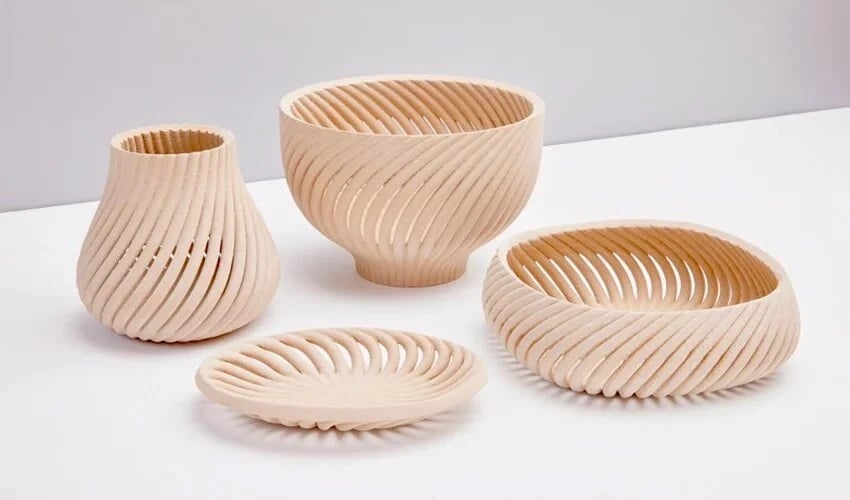 MaterialsAll You Need to Know About Wood 3D PrintingWhen we talk about additive manufacturing and materials, we often think of plastics or metals. However, the current offering has grown significantly over the years and we can now produce parts with a wide variety of materials, from ceramics to…
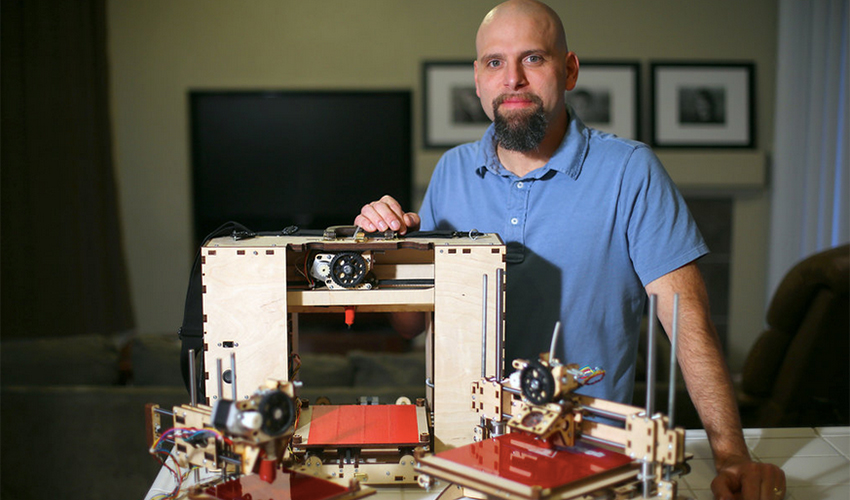 PrintersPrintrbot have closed down productionWe are saying goodbye to Printrbot, at least for now. The American based company have announced, that they are stopping operations. The founder Brook Drumm explained their decision to stop the production, giving some insight behind the decision being made.…
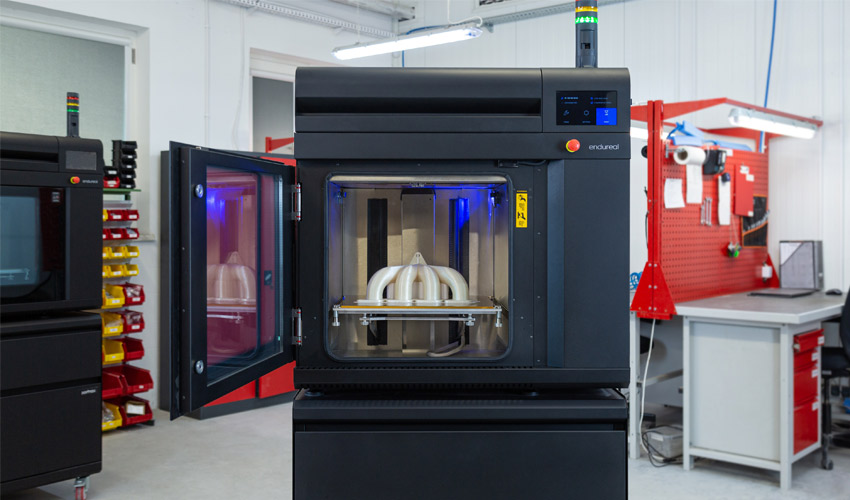 PrintersZortrax Endureal: high-temperature 3D printer for industrial manufacturingLast year, the Polish manufacturer Zortrax announced the arrival of a new industrial 3D printer with dual extrusion: Zortrax Endureal. This machine is capable of printing high-performance materials such as PEI or PEEK, thanks in particular to its controlled temperature…