Applications
3D Printed Blood Vessels Expected to Improve Heart Bypass Outcomes
The leading cause of death is heart disease, responsible for almost a third worldwide. This is notably the case in the USA where one person dies every 33 seconds from cardiovascular disease according to the CDC and in the UK…
- 3 min read
- Applications
- Six more stories
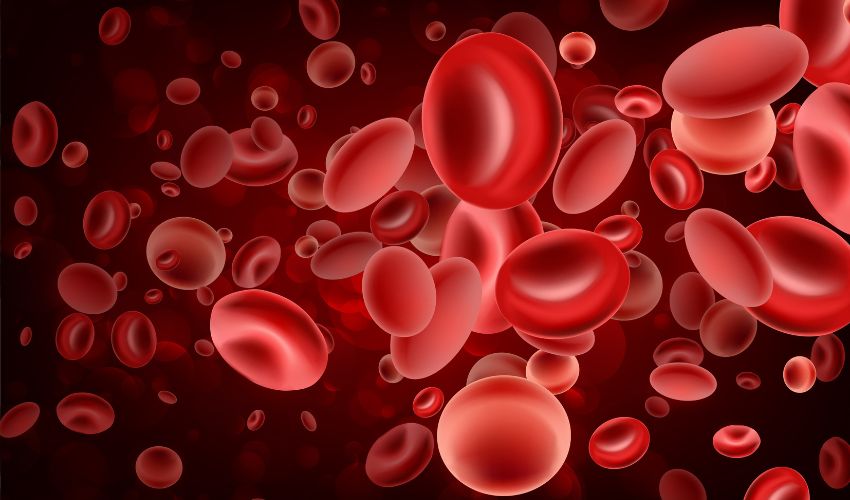
The leading cause of death is heart disease, responsible for almost a third worldwide. This is notably the case in the USA where one person dies every 33 seconds from cardiovascular disease according to the CDC and in the UK where nearly a quarter of deaths are related to heart and circulatory diseases. But with this being such a serious consideration, how are we improving treatment options? Well, it seems the University of Edinburgh may have found a solution, at least as it comes to improving outcomes for bypass surgeries. By making 3D printed blood vessels, they hope to completely transform the treatment of cardiovascular diseases.
Coronary artery bypass surgeries treat coronary artery disease by creating a new path for blood to flow around a blocked or partially blocked artery in the heart. They are incredibly common with almost 400,000 thousand performed in the United States yearly and 20,000 in England. And though their outcomes tend to be favorable, the success rate is around 98%, the risk of complication remains relatively high at 20%. This is where the University of Edinburgh hopes to help by developing 3D printed blood vessels.
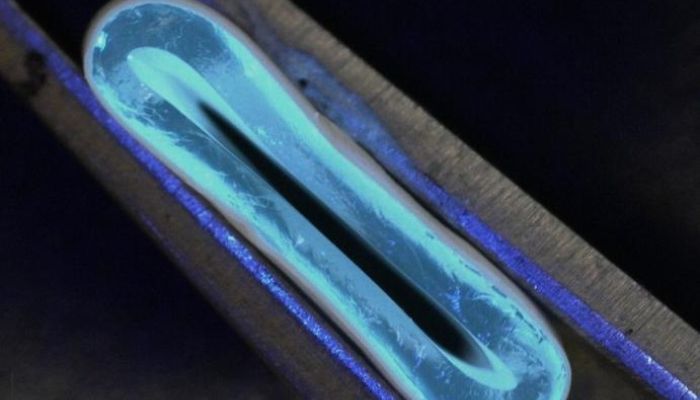
The 3D printed blood vessels (photo credits: Dr. Norbert Radasci, School of Engineering, University of Edinburgh)
Creating 3D Printed Blood Vessels
The idea for this project is to make strong, flexible tubes using 3D printing. These are expected to improve outcomes by replacing the human and synthetic veins currently used in surgery by helping to limit the scarring, pain and infection risk associated with the removal of human veins in bypass operations. Furthermore, they could help alleviate the failure of small synthetic grafts, known for being hard to integrate into the body.
More from the desk
Six other notes from the rest of the bench.
 ApplicationsMoorhuhn bike: competing with carbon fibre frames?The purmundus challenge was presented for the eighth time on November 2020 as part of the digital Formnext Connect exhibition. This annual competition invites designers and engineers from around the world to participate in a theme-based 3D printing design contest.…
 GuidesKind Designs Talks Coastal Sustainability With 3D Printed Living SeawallsAs the pace of climate change accelerates and sea levels rise, coastal communities across the globe are facing an unparalleled danger. Adding to this dilemma is the distressing decline of coral reefs. While previous efforts have addressed these issues separately,…
 MaterialsPhase3D Detects Metal 3D Printing ErrorsPhase3D, a startup previously known as Additive Monitoring Systems, has developed optical monitoring software specifically for metal additive manufacturing. In practical terms, this innovative solution can rapidly identify printing defects as they happen, helping to prevent any d
 Guides3D Printing Files that Made an Impression in 2021The end of the year (or the beginning!) is often the occasion for 3Dnatives to look back on the best moments of 2021 and to highlight some of the initiatives that have impacted the 3D printing market. This time, we…
 ApplicationsScientists successfully 3D print biosprosthetic ovariesAdvances in 3D printing have hit across many sectors, transforming old ways of manufacturing into a new revolutionary one. One of these sectors to see major growth has been the 3D bioprinting sector, bringing us innovations that are helping to…
 ApplicationsNew Alloy Turns Scrap Aluminum into High-Value Auto PartsResearchers at Oak Ridge National Laboratory (ORNL) have developed a new aluminum alloy, called RidgeAlloy, that could transform how recycled scrap is used in the automotive industry. By turning low-value post-consumer aluminum into structural materials, the innovation could redu