Applications
Scientists successfully 3D print biosprosthetic ovaries
Advances in 3D printing have hit across many sectors, transforming old ways of manufacturing into a new revolutionary one. One of these sectors to see major growth has been the 3D bioprinting sector, bringing us innovations that are helping to…
- 3 min read
- Applications
- Six more stories
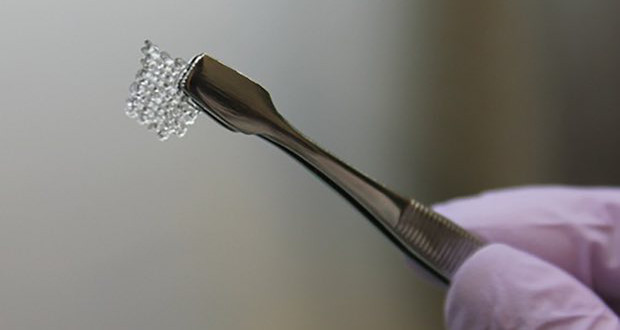
Advances in 3D printing have hit across many sectors, transforming old ways of manufacturing into a new revolutionary one. One of these sectors to see major growth has been the 3D bioprinting sector, bringing us innovations that are helping to fuel our movement into the future, such as with the 3D printing of human cartilage tissue and the 3D printing of organs and simulation models.
Yesterday, scientists at Northwestern University in Illinois have made headway in what could be a revolutionary solution for women, and for 3D printing. This new innovation comes in the form of a 3D printed biosprosthetic ovary, a potential new chance for millions of women around the world who are affected by infertility due to cancer.
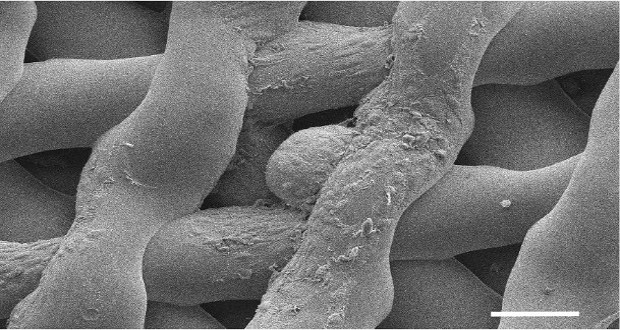
A close up of an immature mouse egg that is surrounded by supportive cells inside the bioprosthetic ovary scaffold after six days Photo //Northwestern University
To create their biosprosthetic ovary, researchers commissioned the use of 3D printing technology. In order to create the ovaries, scientists used gelatin ink made from collagen that is naturally found in animal ovaries, and a 3D printer that incorporates a nozzle that is specifically adapted for gelatin. The scientists then proceed to print, layer-by-layer, a porous scaffold that would house the egg cells. Once printed, scientists punched 2-millimeter circles through the scaffolds and implanted 40-50 follicles, also known as the fluid-filled sacs that contain immature egg cells, into each one.
More from the desk
Six other notes from the rest of the bench.
 MaterialsAre powders a barrier to the development of metal additive manufacturing?Equispheres is a Canadian company that specialises in the development of metal powders, particularly for additive manufacturing technologies such as laser powder bed fusion or cold spray. Drawing on its experience on the market, Equispheres recently conducted a study investigatin
 Applications£21M 3D Printed Model Installation in Bristol Biomedical CentreThe National Institute for Health Research (NIHR) launched at the Bristol Biomedical Research Centre (BRC) on February 1st 2018. This big UK event marks the opening of the £21m centre, which is to be used to trial and develop innovative…
 MaterialsEOS launches Digital Foam for 3D Printed Foam ApplicationsThe foam industry has been slow to adopt 3D printing, however this is changing. To produce parts that are more comfortable, safer, lighter and can be customized for each customer, this sector is turning to additive manufacturing. Having identified this…
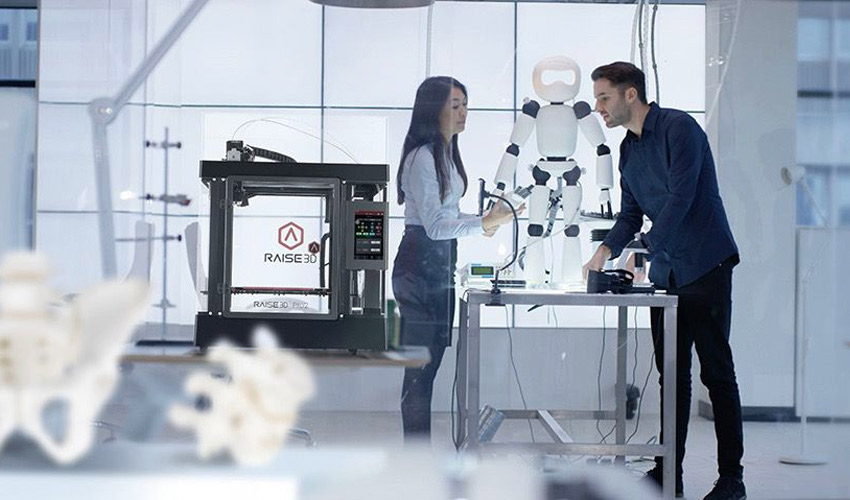 PrintersOKM3D and Raise3D to conquer EuropeWith offices in France and Germany, OKM3D has become the largest distributor of Raise3D products and solutions in Europe. It now operates for Raise3D in 7 countries, including France, Germany, Austria, Poland, etc. Offering a portfolio of innovative brands and…
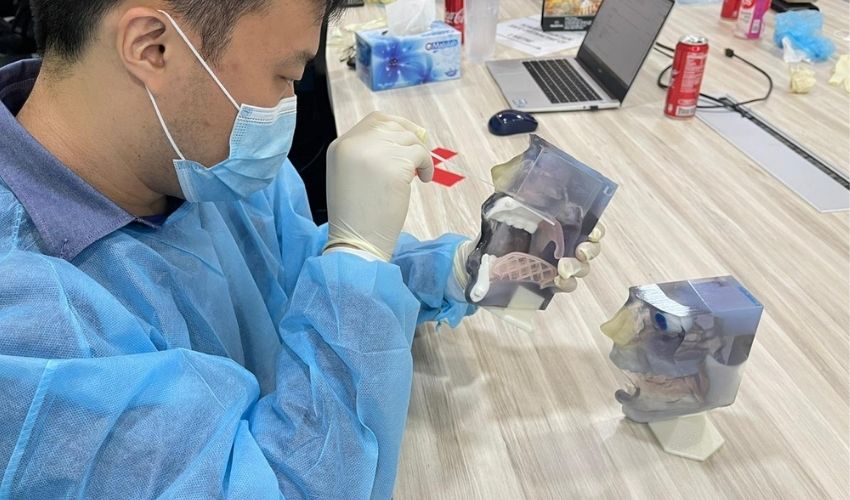 ApplicationsLife-Size 3D Printed Medical Model For Nasal Swabbing TrainingAdditive manufacturing has been playing an increasingly important role in the medical sector for years now. From advanced surgical procedures to cosmetic dentistry, physicians and medical support staff in nearly every field of medicine have seen the benefits of 3D…
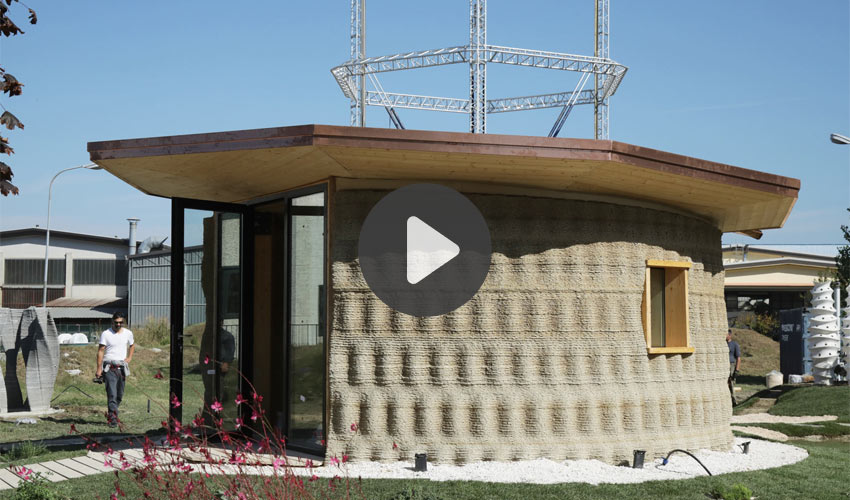 News#TOP5 videos: A 3D printed house and much more!We found the TOP 5 videos of the week related to 3D printing and collected the additive manufacturing here. You can enjoy even more 3D printing videos on the our Youtube channel, as well as share your videos and comment on…