Materials
A Closer Look at 3D Printing Materials: High Performance Polymers
Over the past few years, high performance thermoplastics have become a widely discussed topic in 3D printing with the market for them growing rapidly. These materials are attractive in the sector for their strength and lightness and there are a…
- 3 min read
- Materials
- Six more stories
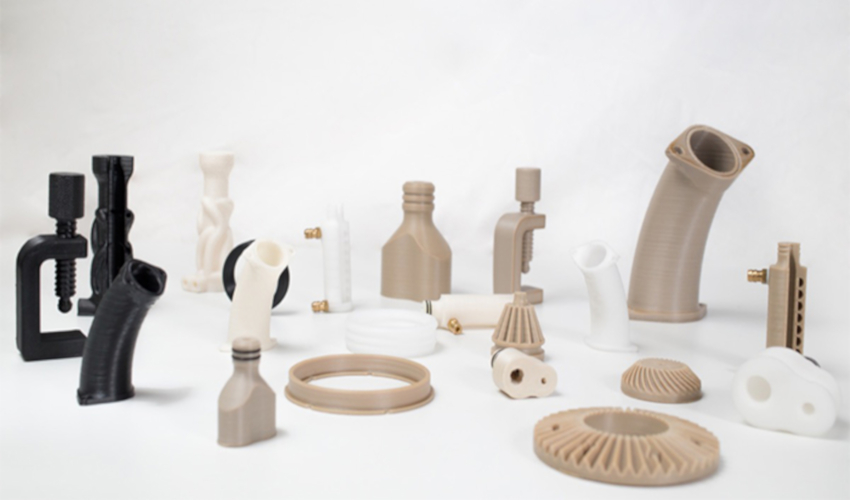
Over the past few years, high performance thermoplastics have become a widely discussed topic in 3D printing with the market for them growing rapidly. These materials are attractive in the sector for their strength and lightness and there are a number of different ones available for use with additive manufacturing. For example, Polyaryletherketone (PAEK), a family of semi-crystalline plastics that can withstand high temperatures while maintaining tremendous strength. PAEK is primarily used in the form of polyether ether ketone (PEEK) and Polyetherketoneketone (PEKK), two materials that have high stiffness. A much lower cost alternative though, polyetherimide (PEI), also known as ULTEM, has also become increasingly widespread. But what exactly are high performance polymers? How do you print with them? Who are the manufacturers? Learn everything you need to know about these materials in the following guide on the PAEK and PEI families.
Production and Characteristics of High Performance Polymers
The first thing to note about high performance polymers is that though they of course share characteristics, they are not all exactly the same. That being said, in general it can be noted that high performance thermoplastics, and PEEK in particular, are as strong as steel and 80% lighter than metal, making them tremendously desirable in the production industry. Moreover, in addition to exceptional mechanical and thermal resistance of up to 250 °C (482 °F) for continuous operation, PAEK materials are also resistant to dissolving in oils and other substances unlike most other plastics. When exposed to fire, there are almost no gas or noxious fumes released.
And though they are more and more widespread in additive manufacturing, it is undeniable that their growth was slower than other polymers. Truth is, such materials have been around for over three decades, though they have been utilized through injection molding or machining. At first, Stratasys was the only company able to produce printers that could handle the high temperatures required to melt PAEK and PEI polymers. Nevertheless, as the market started opening more companies had the opportunity of experimenting with them, resulting in a mass commercialization of their inventions. As time goes by and the entry barriers are weakened, we see more and more companies entering the field and starting to produce printers capable of handling PAEK thermoplastics.
More from the desk
Six other notes from the rest of the bench.
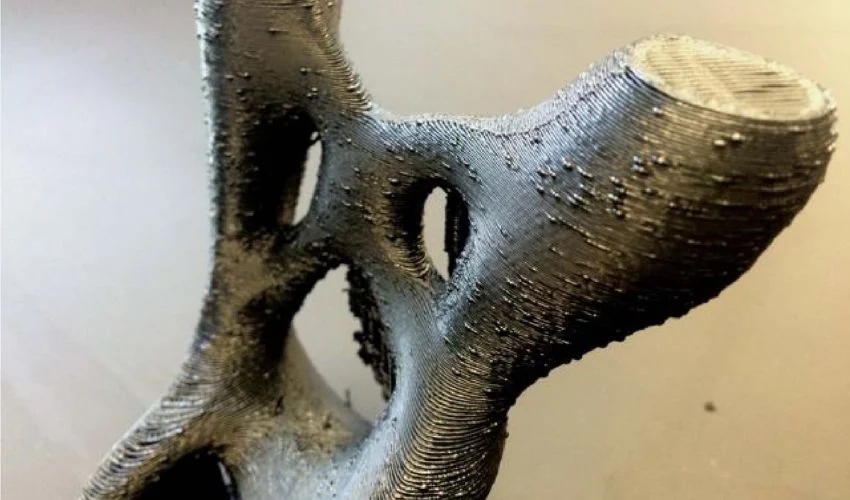 PrintersHow to Avoid Blobs in 3D Printing?3D printing, like any manufacturing process, has its advantages and disadvantages, and comes with its own set of constraints. Indeed, it’s not uncommon to encounter problems and obstacles when creating parts and structures of varying complexity. Examples include over-extrus
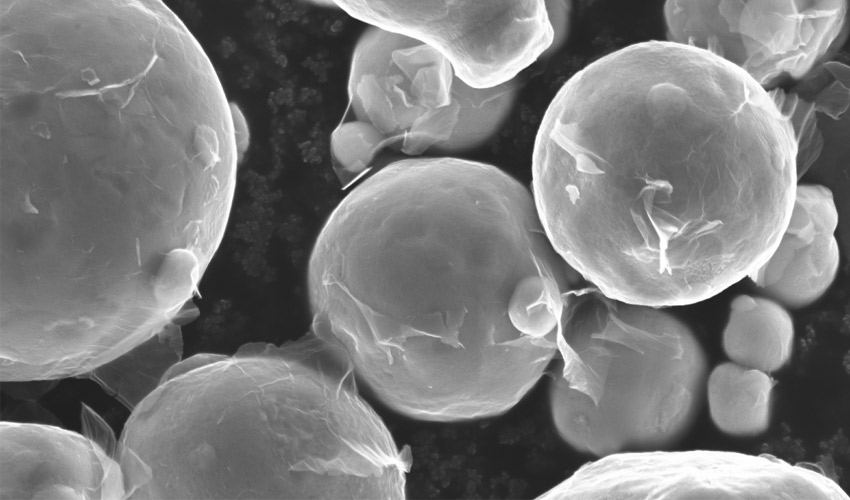 NewsGraphene Improves Properties of Copper Powder used in Additive ManufacturingIn Sweden, Uppsala University and the company Graphmatech have worked together to develop a rather unusual copper powder in order to create denser 3D printed parts. Using a laser fusion process, the researchers modified the metal’s surface with graphene. Thanks…
 NewsTop 5 Videos: Slicing Resin 3D Prints and Avoiding Print FailuresWelcome to our compilation of this week’s most compelling 3D printing highlights. We kick off this week’s edition with our very own video, providing essential tips for resin slicing and 3D printing, complemented by a demonstration of solid printing techniques…
 NewsWhy Low-Volume Production is Driving Innovative Applications for IN3DTECAgainst the backdrop of a slowing global economy, low-volume and customized production have become key strategies for companies to reduce development risks and quickly validate markets. 3D printing technology plays a central role in this process, leveraging its advantages of&hell
 GuidesLino3D on Democratizing Additive Manufacturing Through EducationAs additive manufacturing grows and becomes more widespread, acquiring the right skills and knowledge is becoming paramount. Indeed, the use of 3D technologies implies certain rules; it is not simply a matter of pushing the button on the 3D printer…
 News3D Daily Show #4: Improving Part Quality with Post-ProcessingToday was the final day of Formnext as well as our 3D Daily Show #4, with exclusive content from the event. Since it’s the last day, it’s only fitting that we also spoke about the last step of the additive…