News
Graphene Improves Properties of Copper Powder used in Additive Manufacturing
In Sweden, Uppsala University and the company Graphmatech have worked together to develop a rather unusual copper powder in order to create denser 3D printed parts. Using a laser fusion process, the researchers modified the metal’s surface with graphene. Thanks…
- 3 min read
- News
- Six more stories
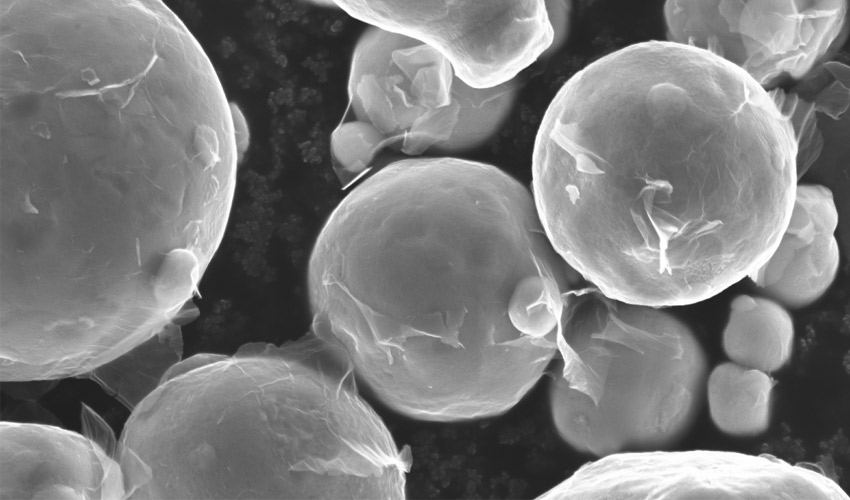
In Sweden, Uppsala University and the company Graphmatech have worked together to develop a rather unusual copper powder in order to create denser 3D printed parts. Using a laser fusion process, the researchers modified the metal’s surface with graphene. Thanks to this addition of graphene, a material known for its strength, conductivity and lightness, they claim to have significantly lowered the reflectivity of copper, making it easier to use in additive manufacturing.
Recently, there have been several solutions developed based on pure copper. These have mostly relied on extrusion-based techniques where players such as Markforged or Desktop Metal have launched a pure copper filament, which vastly improves electrical and thermal conductivity. Copper, however, is one of the more difficult materials to use in additive manufacturing as it is highly reflective. As such, when a laser is used, the heat of its rays tends to be reflected rather than absorbed. The copper then retains a small part of this energy, resulting in low-density parts. Graphene could however be the miracle solution.
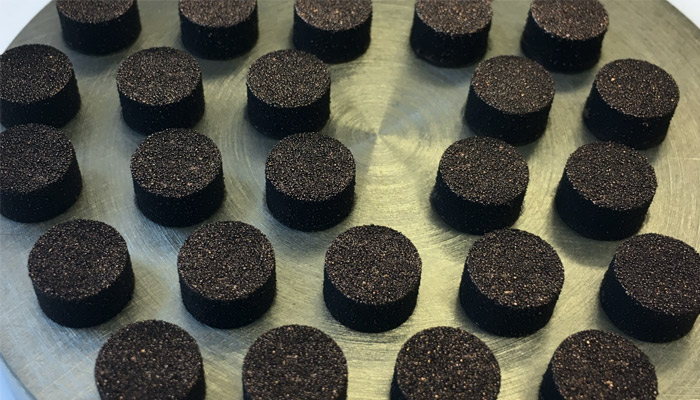
By coating copper powder with graphene, researchers have lowered its reflectivity (Photo Credit: Uppsala University).
The research was carried out by Professor Ulf Jansson at the university’s Angström laboratory. The teamed proved that by incorporating graphene on the surface of the copper powder, the reflectivity of the metal could decrease, which in turn increases the density of the 3D printed parts. Graphmatec’s CEO, Mamoum Taher, explains: “By modifying the surface of the copper powder using Graphmatech’s patented graphene technology, we successfully reduced the reflectance by up to 67%”. Researchers claim that the graphene coating on the copper powder resists well to the laser melting process, reducing the porosity of the final part.
More from the desk
Six other notes from the rest of the bench.
 Guides#Talk3D: Interview With Sherri Monroe, Executive Director of AMGTAAs you know, additive manufacturing has a key role to play in greener, more environmentally friendly production. Namely because by using only the necessary material, manufacturers can reduce waste and consumption of plastic, metal or other materials. This is particularly…
 Guides#3DStartup: Colossus on their large-scale yet easily transportable 3D printing systemColossus, a startup based in Genk Belgium, has created one of the world’s largest and most advanced Fused Granular Fabrication (FGF) printers. It is also the first fully integrated transportable 3D printing system. The Colossus printer is the first system…
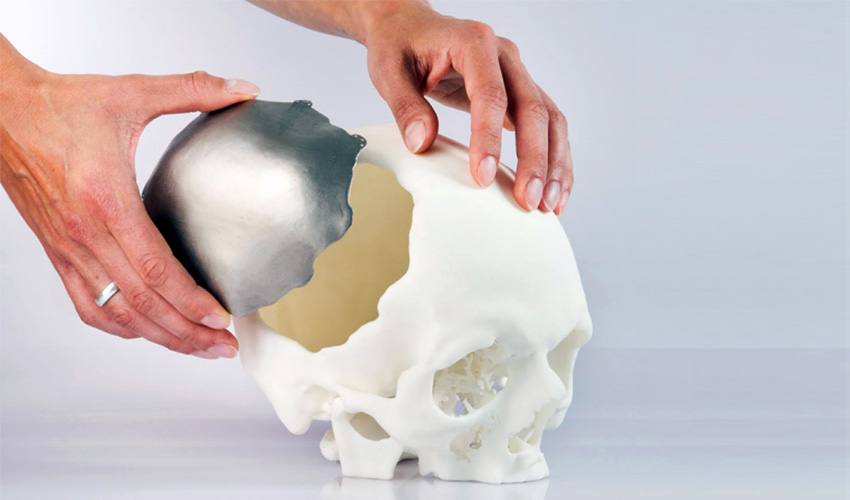 Guides3D Printed Medical Implants: Discover Some of the Most Innovative ProjectsThe medical sector is benefiting greatly from advances in additive manufacturing. Thanks to the ability to create unique models for each patient, personalized medicine is finally becoming a reality. Medical implants represent a particularly sensitive field, as they involve the&he
 News3D Printing In The Heart Of ChristmasThe end of the year is just around the corner! We are in dates where the food, meetings with friends, family, search and delivery of gifts are the order of the day… On the occasion of these holidays, 3Dnatives has…
 Applications3D Bioprinting to Directly Repair Human Body OrgansEvery year, millions of people around the world suffer tissue damage due to disease, trauma or injury. During surgical procedures, medical professionals primarily use stitches to promote tissue healing. However, a failure during surgery can lead to complications and may…
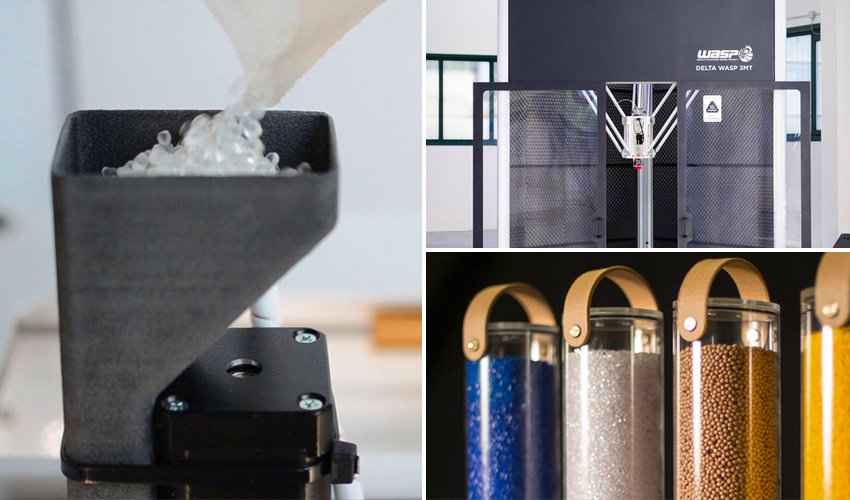 PrintersWhat Are the Pellet 3D Printers on the Market?When it comes to extrusion printing processes, what comes to mind most often is FDM using filaments. But this is not the only material form available. Increasingly, printers adapted to print using pellets are coming to the market. Pellets or…