Guides
Lino3D on Democratizing Additive Manufacturing Through Education
As additive manufacturing grows and becomes more widespread, acquiring the right skills and knowledge is becoming paramount. Indeed, the use of 3D technologies implies certain rules; it is not simply a matter of pushing the button on the 3D printer…
- 3 min read
- Guides
- Six more stories
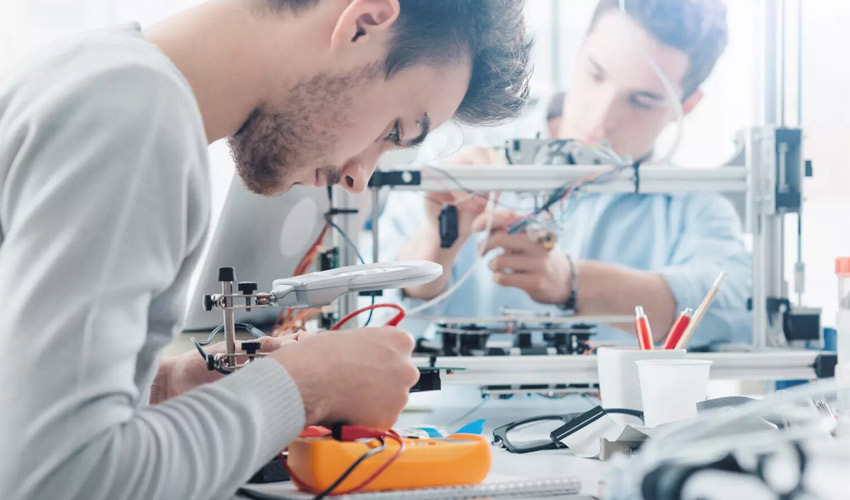
As additive manufacturing grows and becomes more widespread, acquiring the right skills and knowledge is becoming paramount. Indeed, the use of 3D technologies implies certain rules; it is not simply a matter of pushing the button on the 3D printer to get your final part. Education therefore plays a key role in the market, and more and more initiatives are being launched to ensure that the future workforce has all the necessary cards in hand to enable the development of additive manufacturing. This is the strategy chosen by the Greek company Lino3D. It acts as an educator and gives the young people of tomorrow the tools to succeed in fully deploying 3D printing. We had the opportunity to talk to its team to find out more.
3DN: Could you introduce yourself and explain your connection with additive manufacturing?
Lino3D is a spin-off company of Lino SA that has been active in the industrial market for over 25 years providing integrated solutions for digital printing and finishing. We are a team of motivated and curious engineers, always at the forefront of technology, whether it is inkjet printing or additive manufacturing. For 7 years, we have been developing industrial applications mainly for the maritime, engineering and dental sectors. We carry out innovative and flexible projects, especially in the medical and dental sectors, with multiple partners. In particular, we have forged close links with R&D institutes, universities and military academies.

Lino3D works on a variety of projects, notably in Formula 1 (photo credits: Lino3D)
3DN: What is the mission of Lino3D? Could you tell us more about the company?
Lino3D has already laid the foundations for additive manufacturing, both in terms of knowledge and know-how. We are now looking to develop new applications as well as new materials. Our goal is to introduce the technology in traditional but also new industries and show that it can be used to make our daily life easier. In our opinion, it is fascinating to know that it is now easy to print what you need instead of anticipating a solution, which is often complicated.
More from the desk
Six other notes from the rest of the bench.
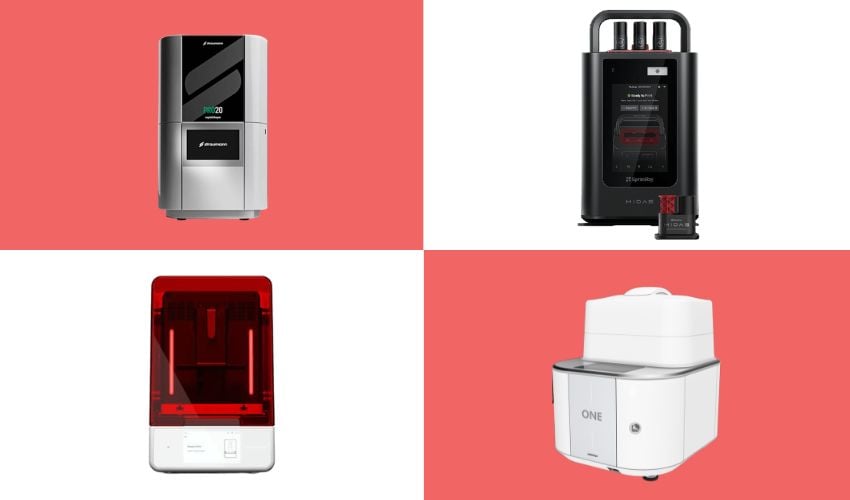 PrintersThe Dental Resin 3D Printers Currently on the MarketThe dental industry is one of the sectors that makes the most use of additive manufacturing to provide customized devices tailored to each patient. Using 3D scans or medical imaging data, dental professionals can create precise 3D models and print…
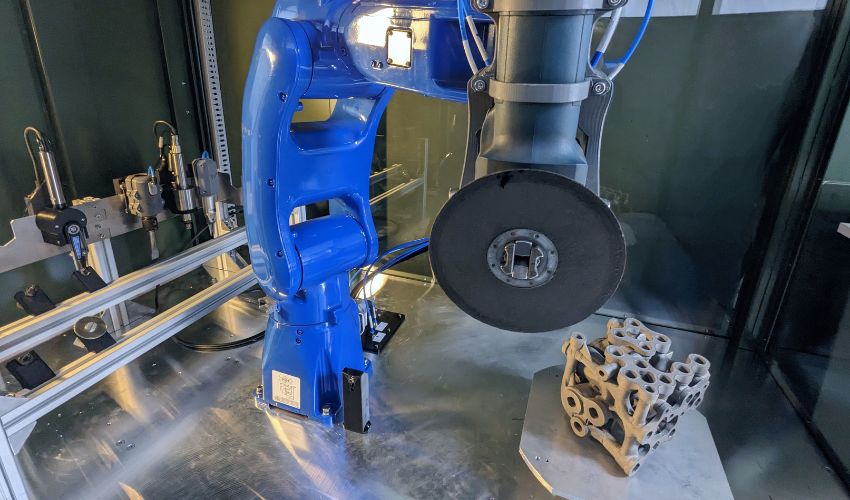 ApplicationsThe UK Defence Science and Technology Laboratory Is Funding Robots to Finish 3D Printed PartsWhat if a machine could achieve the dexterity of a human alongside the consistency of a robot? Post-processing 3D-printed parts manually is often tedious, time-consuming, and prone to variation. To address this, Rivelin Robotics, supported by the United Kingdom’s Defence&he
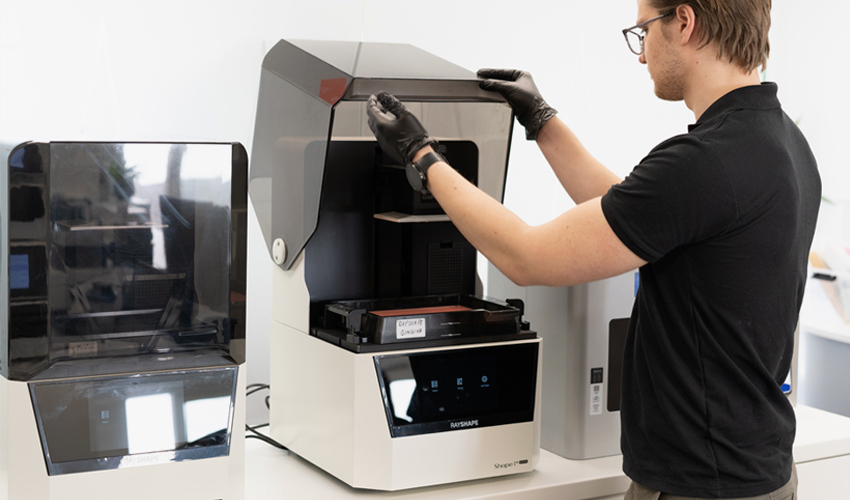 GuidesRAYSHAPE Talks its Continued International Expansion and Resin 3D PrintingSince its creation in the 1980s, resin 3D printing has experienced significant growth worldwide. The technology continues to advance rapidly, enabling the manufacture of prototypes and end-use parts that are remarkable for their precision and high level of detail. One…
 Guides3D Printing Greenery: Top Projects that Promote Sustainability3D printing has revolutionized numerous industries in recent years – from architecture and product design to medical technology. One particularly exciting development is the combination of this technology with the field of “greenery”, i.e. the integration of plants into mod
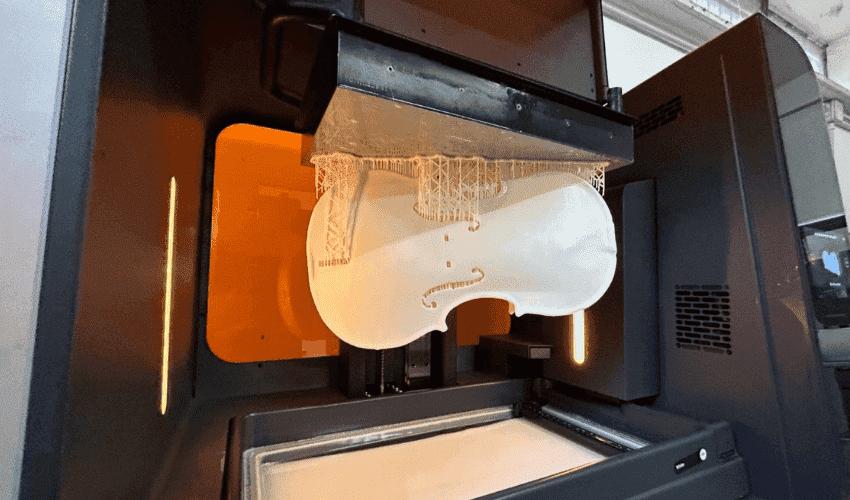 NewsThe 3D Printed Paganini Violin Will Bring History to Life for Music LoversNamed “The Devil’s Violinist,” Niccolò Paganini left an indelible mark on music history. Using his iconic Il Cannone violin crafted by Guarneri “del gesù,” he delivered intricate melodies with unmatched precision. His legacy endures, now to be illumi
 NewsBoeing protects aeronautical additive manufacturing with AssembrixAeronautical and aerospace builder Boeing recently announced a new partnership with Assembrix, an Israeli company known for their industrial additive manufacturing platform. Their program allows you to oversee the entire digital process, from design to production and verification