News
What Were the Key 3D Printing Trends in 2025?
As the end of the year approaches, we at 3Dnatives are taking a step back to analyze what has truly defined the additive manufacturing industry in 2025. It is already clear that this has been a year of technological maturity,…
- 3 min read
- News
- Six more stories
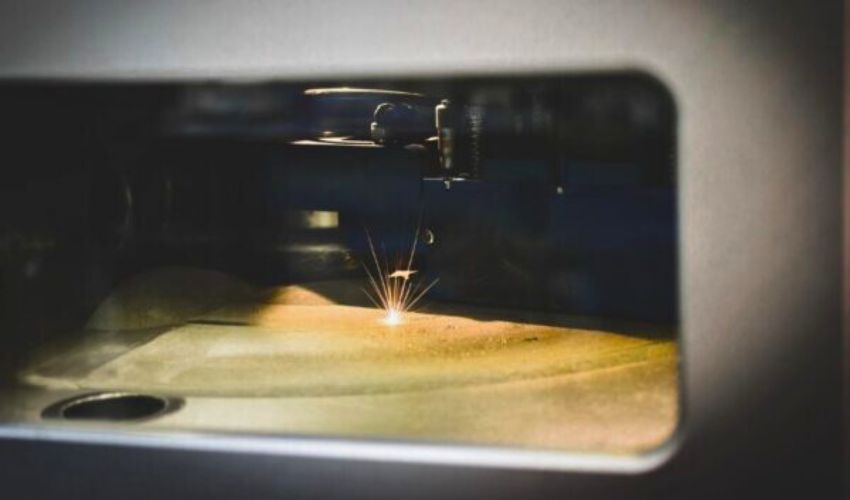
As the end of the year approaches, we at 3Dnatives are taking a step back to analyze what has truly defined the additive manufacturing industry in 2025. It is already clear that this has been a year of technological maturity, shaped by a broader reconfiguration of the market. Shifts in market dynamics, the consolidation of several applications, and a clear move toward real-world adoption all stood out. In this article, we review the key trends that marked 2025 and place them in context to better understand how the industry has evolved over the past year and where it is headed next.
Last year, we described a “gloomy” period for the additive manufacturing market, driven largely by heightened activity among key industry players. This included, for example, the disputes between Stratasys and Bambu Lab, as well as Nano Dimension’s acquisitions of Markforged and Desktop Metal. That context, however, set the stage for what unfolded in 2025: a year in which the market began to stabilize, certain applications proved their real-world viability, and not all players succeeded in adapting to the new landscape.

The Bambu Lab booth at Formnext 2025. The company continues to grow in the desktop 3D printing sector. (Photo Credit: 3Dnatives)
At the same time, trends that were already emerging last year gained real momentum. China further strengthened its position as a central player in the market, while major manufacturers such as Stratasys, HP, and Raise3D expanded their portfolios to include new materials. Strategic sectors like defense and aerospace also confirmed that additive manufacturing has definitively moved beyond its experimental phase. Against this backdrop, the question is no longer whether the industry remains in a “gloomy” period, but what kind of industry is emerging after this phase of adjustment. Read on to find out!
More from the desk
Six other notes from the rest of the bench.
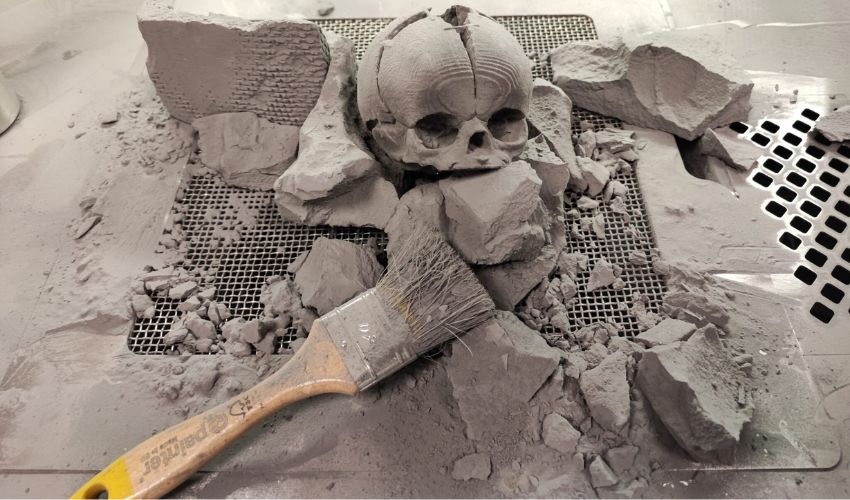 Applications3D Printing Helps Save Newborn With Skull DefectPerforming complex surgeries, especially those related to the brain or skull, is difficult at the best of times. And they get exponentially harder when it comes to babies and children, especially newborns. In a recent case, 3D printing was able…
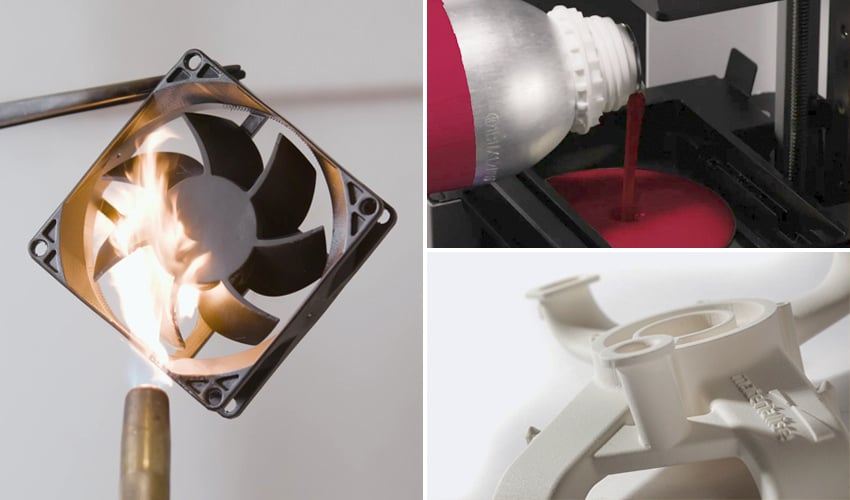 MaterialsWhat Flame-Retardant Materials Are Available for 3D Printing?As defined by Merriam-Webster, if a material is flame retardant, it is “made or treated so as to resist burning.” Or in simpler words, in contrast to flame resistance, where something can operate as normal within fire conditions, anything that is…
 NewsTop 5 Videos: The 3D-Printed Bionics of the FutureIt’s Sunday again and you all know what time it is! It’s time for our selection of Top 5 video right from the exciting world of 3D printing! We start off this week’s selection with an exciting TED talk by…
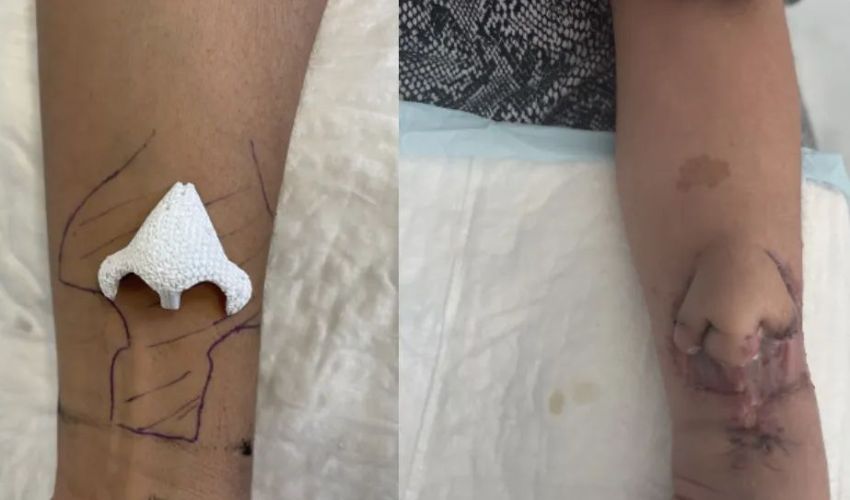 ApplicationsBioprinted Nose Graft Used For Reconstructive Surgery3D printing has been applied to reconstructive surgery to create a nose graft for a patient who underwent intense cancer treatment. This amazing feat happened occured at IUCT Oncopole (University Cancer Institute of Toulouse), a cancer care, research, and training…
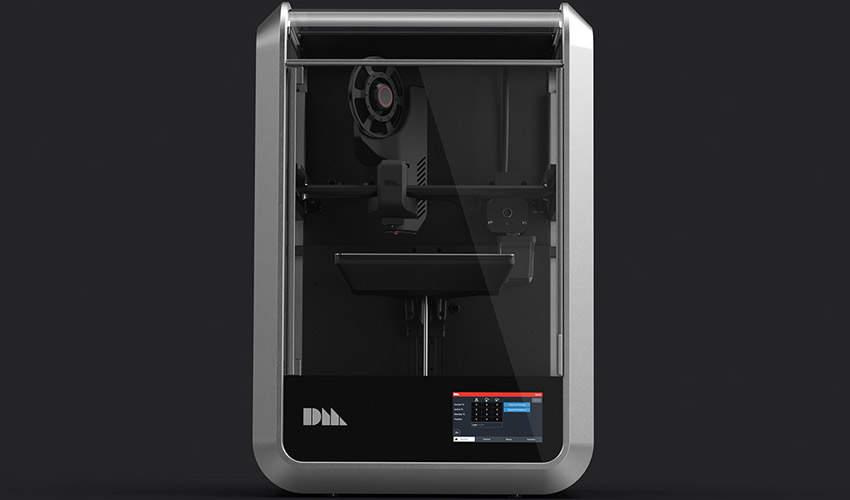 PrintersDesktop Metal launches Fiber 3D printer for continuous fiber 3D printingYou all know Desktop Metal for its metal 3D printers, designed to fit into an office environment with the Studio System and to also enable mass manufacture with the Production System. The U.S. manufacturer has announced the launch of a…
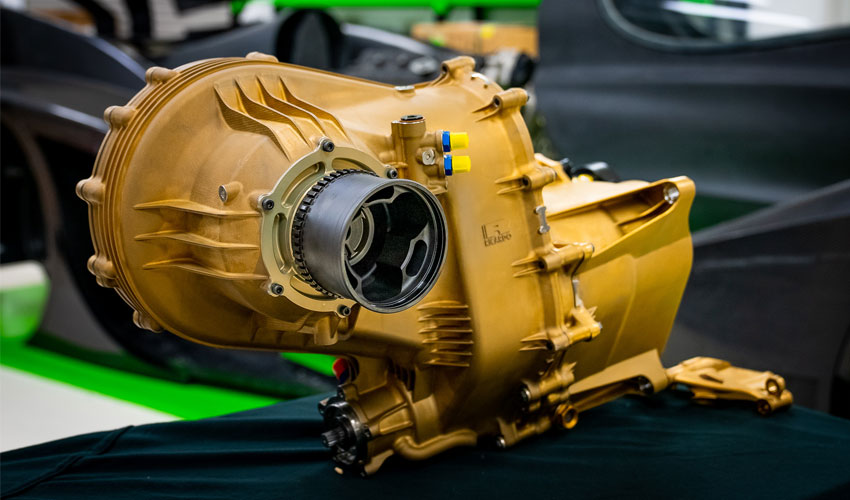 MaterialsRodin Cars 3D Prints A Sequential Titanium GearboxNew Zealand racing car maker Rodin Cars is implementing the use of metal additive manufacturing to produce parts for its new hypercar, the Rodin FZERO. Thanks to the DMP Factory 500 3D printer, the company was able to design its…