Printers
Desktop Metal launches Fiber 3D printer for continuous fiber 3D printing
You all know Desktop Metal for its metal 3D printers, designed to fit into an office environment with the Studio System and to also enable mass manufacture with the Production System. The U.S. manufacturer has announced the launch of a…
- 3 min read
- Printers
- Six more stories
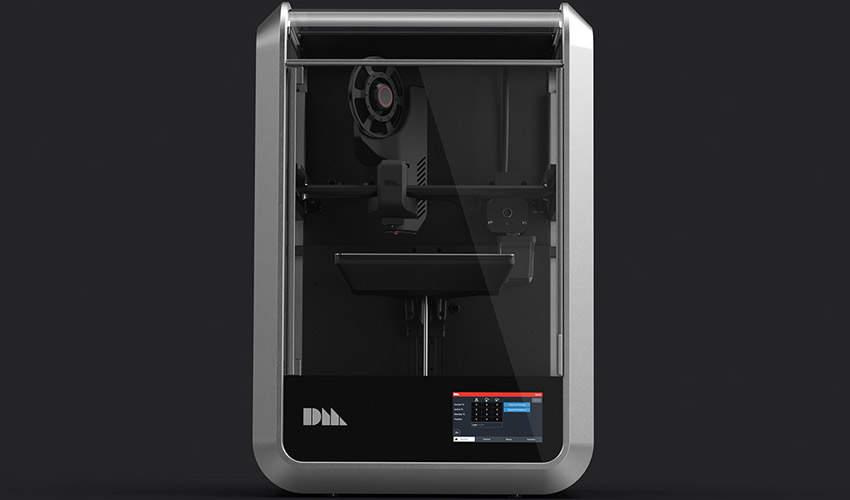
You all know Desktop Metal for its metal 3D printers, designed to fit into an office environment with the Studio System and to also enable mass manufacture with the Production System. The U.S. manufacturer has announced the launch of a new machine that has nothing to do with metal. In fact, Fiber is a desktop 3D printer capable of creating high-resolution parts with industrial-grade continuous fiber composites. It uses a new process called micro Automated Fiber Placement (μAFP) technology, a technique designed specifically for composite materials. This new technology will enable users to produce solid parts in a wide range of materials at a lower cost compared to other traditional AFP processes.
Desktop Metal has raised $400 million in the last four years and continues to conquer the additive manufacturing market by turning to composite 3D printing, which are increasingly interesting for the sector because of their strength-to-weight ratio. In general, continuous fiber 3D printing is growing in the industry, companies such as 9T Labs, Anisoprint and moi composites are perfect examples of this. Desktop Metal has joined the race with its Fiber solution.
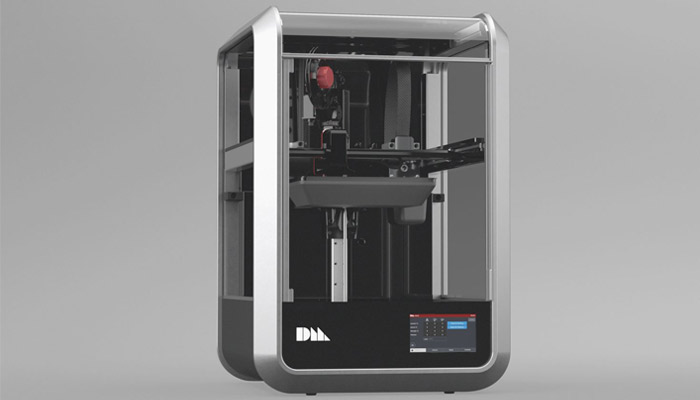
Desktop Metal’s Fiber 3D printer
Fiber, between FFF printing and AFP technology
Fiber is the first desktop printer that combines fused filament fabrication (FFF) with AFP technology. It uses a robotic tool changer, capable of storing up to 4 types of tools, including additional FFF print heads for different materials. According to Desktop Metal, the new machine can produce parts with materials twice as strong as steel, yet five times lighter. At the moment, two printer models are available via a subscription service with a minimum three-year commitment plan.
More from the desk
Six other notes from the rest of the bench.
 Applications3D Bioprinting to Directly Repair Human Body OrgansEvery year, millions of people around the world suffer tissue damage due to disease, trauma or injury. During surgical procedures, medical professionals primarily use stitches to promote tissue healing. However, a failure during surgery can lead to complications and may…
 NewsHow Did a 3D Printing Error Turn Into Gecko-Inspired Anisotropic Structures?What if a 3D printing defect could become the key to developing a new technology? This is the proposal of a group of researchers at Hanyang University in South Korea, who took advantage of overcuring to create adhesive surfaces inspired…
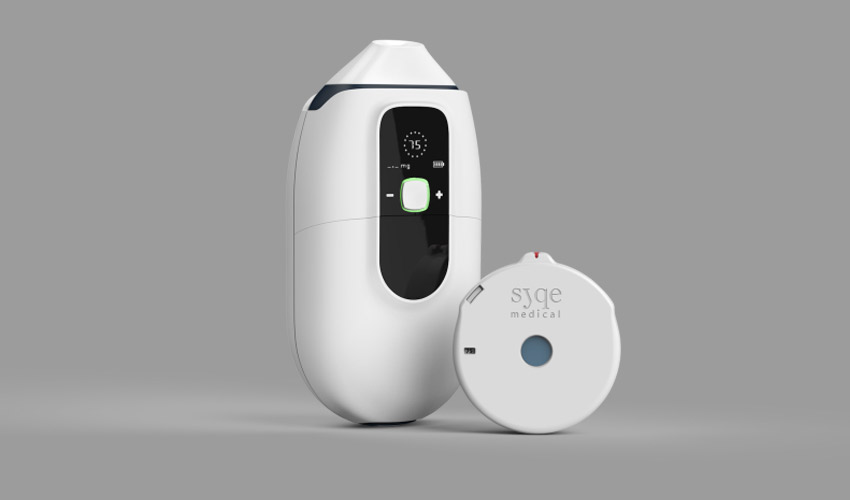 GuidesSyqe Medical, a 3D printed medical cannabis inhalerSyqe Medical is a young Israeli company that has developed a 3D printed cannabis inhaler to offer a tailor-made pharmaceutical treatment. This tool transforms the plant in order to meet the pharmaceutical requirements of the market and thus offer patients…
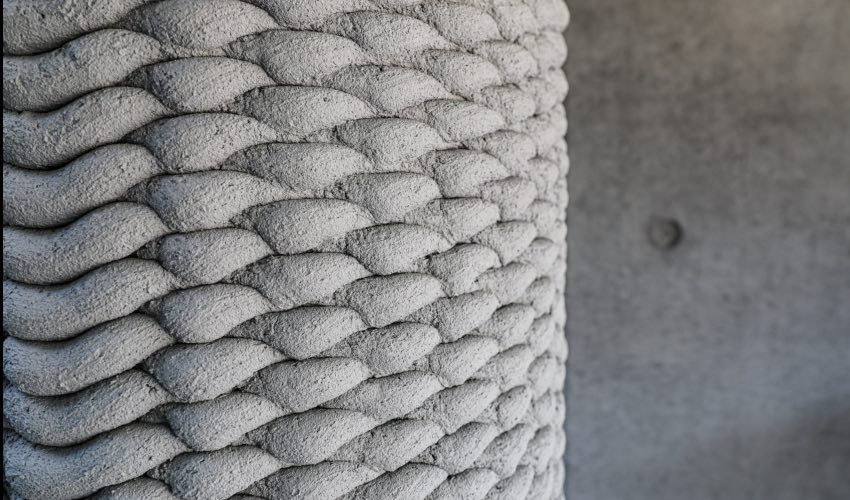 GuidesHyperion Robotics on AM in the construction sector, 3D printing schools in Madagascar, and moreThe construction sector has been exploring the potential of additive manufacturing for the past several years. Today, the idea of a 3D printed house does not shock people anymore, as we have seen more than one 3D printed building by…
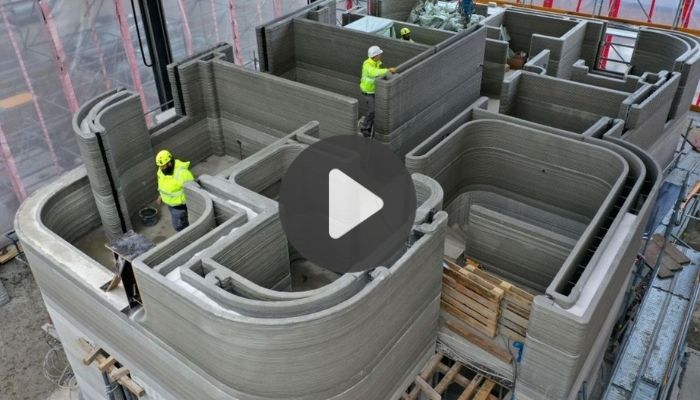 NewsTop 5 Videos: Concrete House 3D Printed in 48 HoursThis week, find out how SQ4D uses its industrial-size 3D printer to construct a house made of concrete on location. Next, we present to you a retrospective celebrating the past 10-years of applications of Ultimaker machines, as well as a…
 News#3DExpress: Trouble on the Horizon for Nano Dimension and Nexa3D?It may be the holiday season, but the additive manufacturing sector is not sleeping peacefully while waiting for Santa Claus. In this week’s 3DExpress, we start with some of the big news you might have missed this week from Nano…