Applications
$2 Million Research Grant Will Allow 3D Printing of Pediatric Medical Devices
A multi-disciplinary US team has been granted $2 million to use 3D printing in medical research. The team, from the University of Texas at Austin and Penn State, was given the money by the National Science Foundation’s LEAP-HI program for…
- 3 min read
- Applications
- Six more stories
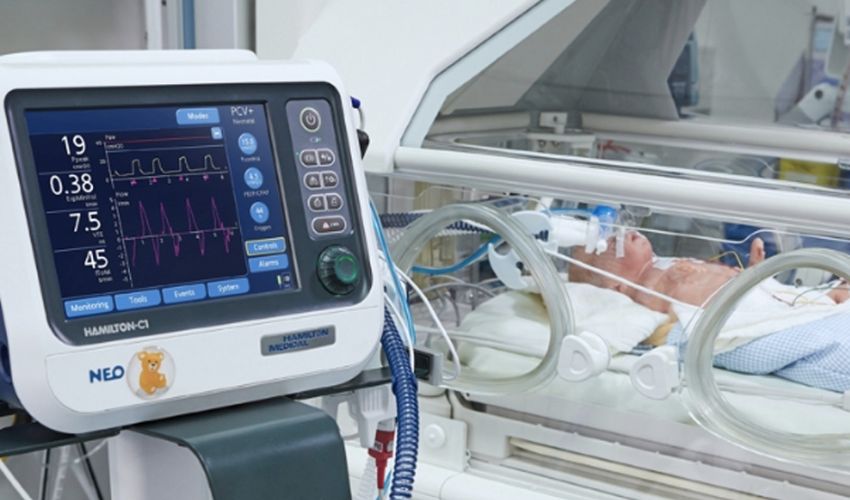
A multi-disciplinary US team has been granted $2 million to use 3D printing in medical research. The team, from the University of Texas at Austin and Penn State, was given the money by the National Science Foundation’s LEAP-HI program for a research project promising to develop personalized 3D-printed medical devices using multi-materials.
The all-female research team, led in part by Dr Carolyn Seepersad, professor in the Cockrell School of Engineering’s Walker Department of Mechanical Engineering at the University of Texas Austin, is working in collaboration with Pennsylvania-based Actuated Medical Inc. The other academic leaders of the project are three professors from Penn State – Mary Frecker, department head and professor of mechanical engineering; Zoubeida Ounaies, professor of mechanical engineering; Lorraine Dowler, professor of geography, women’s, gender and sexuality studies.
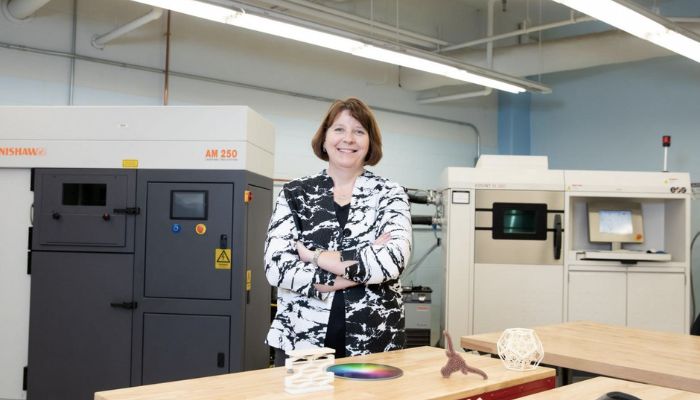
Dr Carolyn Seepersad was one of the leads on the project. (Photo credit: The University of Texas at Austin)
3D printing offers a great advantage in the medical field for the ability to create personalized devices with complex geometries, but one limitation is the creation of smart and multi-material objects. This project has them seeking to make pediatric ventilation devices among others, which can change shape to match changing requirements such as size.
More from the desk
Six other notes from the rest of the bench.
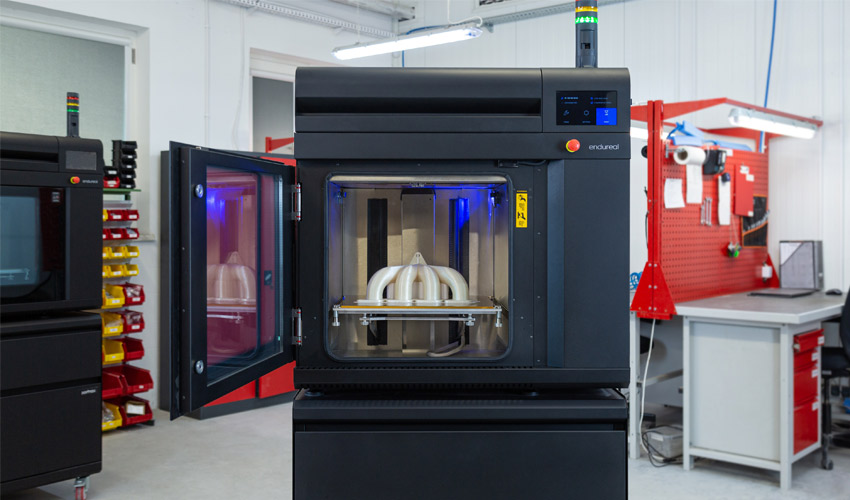 PrintersZortrax Endureal: high-temperature 3D printer for industrial manufacturingLast year, the Polish manufacturer Zortrax announced the arrival of a new industrial 3D printer with dual extrusion: Zortrax Endureal. This machine is capable of printing high-performance materials such as PEI or PEEK, thanks in particular to its controlled temperature…
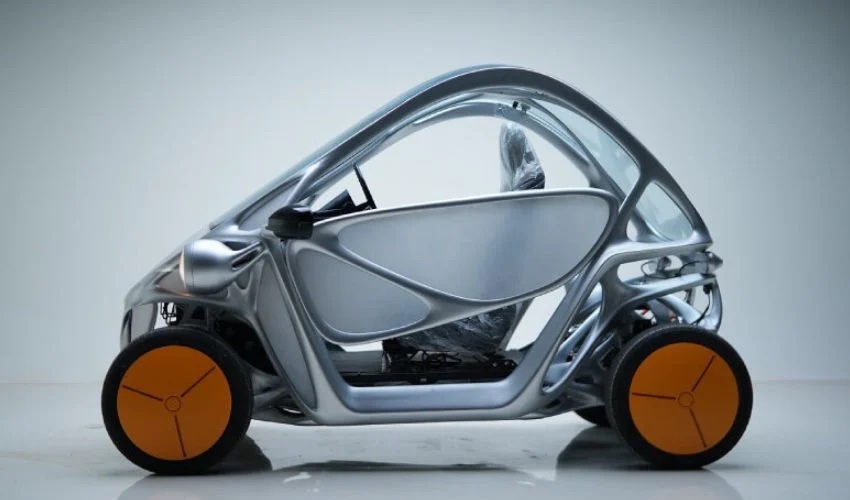 Applications3D-Printed Car “Robo-EV” Uses AI to Detect the Driver’s Mood and Provide Targeted AssistanceAI technologies are in almost all industries and are playing an increasingly important role in our lives. In the automotive sector in particular, artificial intelligence is driving progress, accelerating processes, improving safety and enabling the development of intelligent vehi
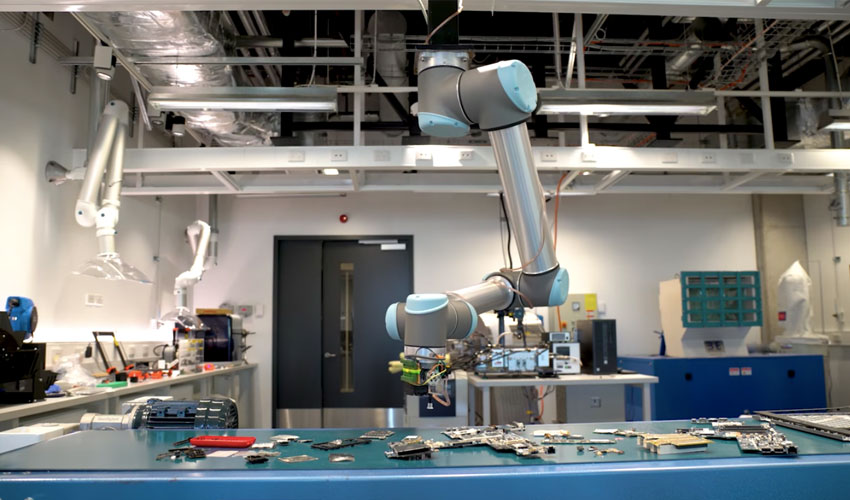 NewsAustralian micro-factory is set to turn electronic waste into a 3D printing filamentThe Center for Sustainable Materials Research and Technology (SMaRT Center) at the University of New South Wales (UNSW) in Australia has announced the opening of a micro-factory that will be dedicated to the recycling of electronic waste. This factory will…
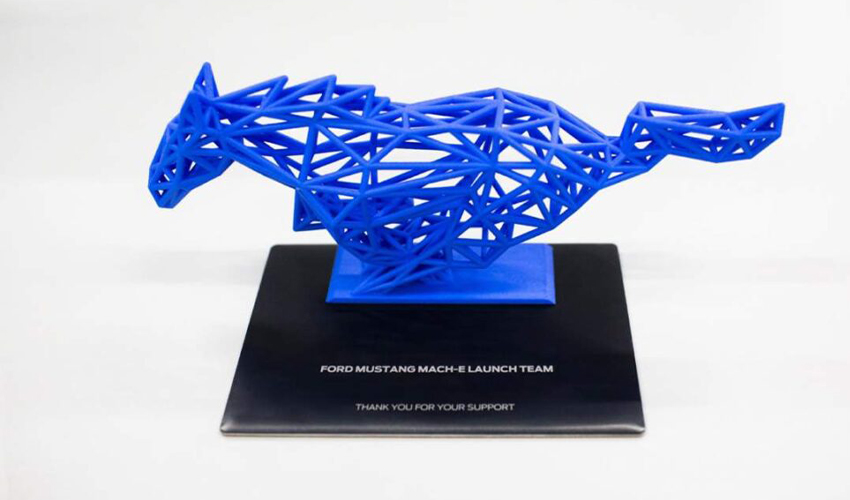 NewsFord Thanks Mustang Mach-E Customers with 3D Printed SculptureFor many years now, Ford has been recognized in the automotive industry for its use of additive manufacturing. In 1988, the American car manufacturer acquired the first 3D printer available on the market. A daring bet for the company, which has proven…
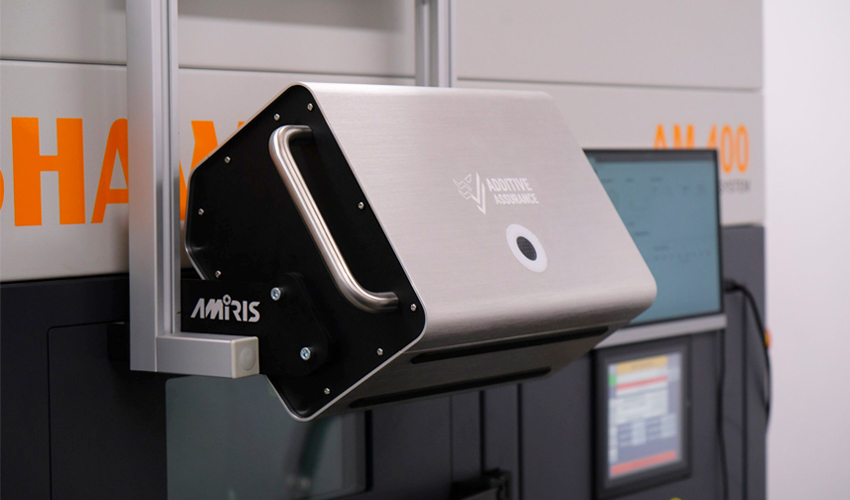 GuidesAdditive Assurance Talks Ensuring Part Quality in Metal 3D PrintingMetal additive manufacturing is being used by many advanced industries thanks to the ability to create complex and customized parts. However, to ensure feasibility and quality, it is essential to validate the parts obtained. This is an essential step to…
 NewsTop 5 Videos: Elegoo Showcases Saturn 3 and Neptune 4 Series 3D PrintersIt is once again Sunday, which means it is time for the week’s top 5 3D printing videos! This week’s content features manufacturer giants Elegoo’s newest Saturn 3 and Neptune 4 printer series, climbing shoes made with additive manufacturing, a…