News
Australian micro-factory is set to turn electronic waste into a 3D printing filament
The Center for Sustainable Materials Research and Technology (SMaRT Center) at the University of New South Wales (UNSW) in Australia has announced the opening of a micro-factory that will be dedicated to the recycling of electronic waste. This factory will…
- 3 min read
- News
- Six more stories
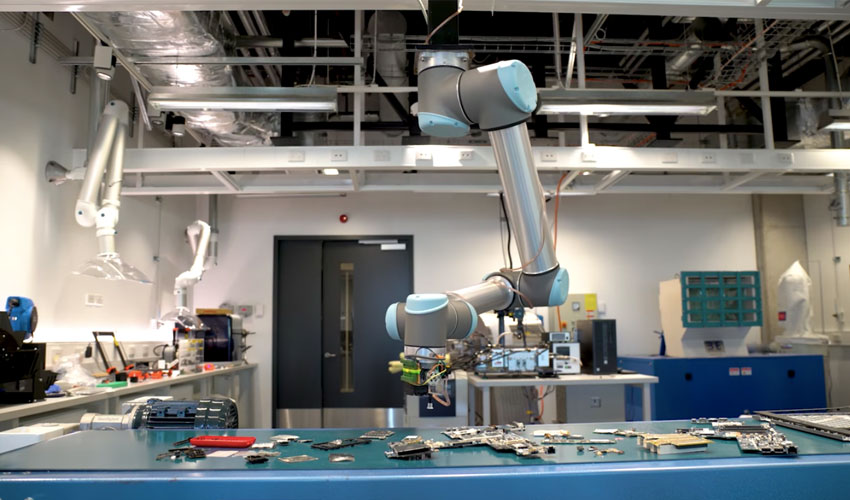
The Center for Sustainable Materials Research and Technology (SMaRT Center) at the University of New South Wales (UNSW) in Australia has announced the opening of a micro-factory that will be dedicated to the recycling of electronic waste. This factory will give a new life to the recycled waste by turning it into 3D printing filaments, thus helping to reduce the environmental impact of electronic consumer goods on our planet.
There are currently many projects that are trying to combine 3D printing and ecology in order to offer products or services that are more environmentally friendly. Whether that be with automobiles, corporate recycling solutions, or more natural composite materials. Some similar initiatives being taken in other parts of the world can be seen with the 3D printing of street furniture from the plastic waste of Amsterdam’s inhabitants to Armor 3D with their range of recycled and recyclable OWA filaments.
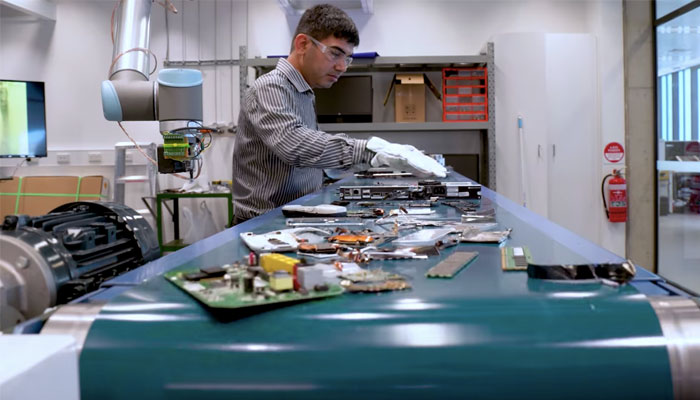
A sorting of electronic waste is first performed
Recycling waste to create value
According to a study conducted by the United Nations University, Oceania produced 15.2 kg of electronic waste per capita in 2014. This electronic waste would have increased by 63% between 2010 and 2015, reaching a total of 12.3 million tons. This micro-plant project could be a response to this alarming increase and offer a more virtuous electronic product lifecycle by creating value rather than just producing toxic waste for our environment. The latter would be transformed into a 3D printing filament, making it possible to manufacture other useful objects for the consumer.
More from the desk
Six other notes from the rest of the bench.
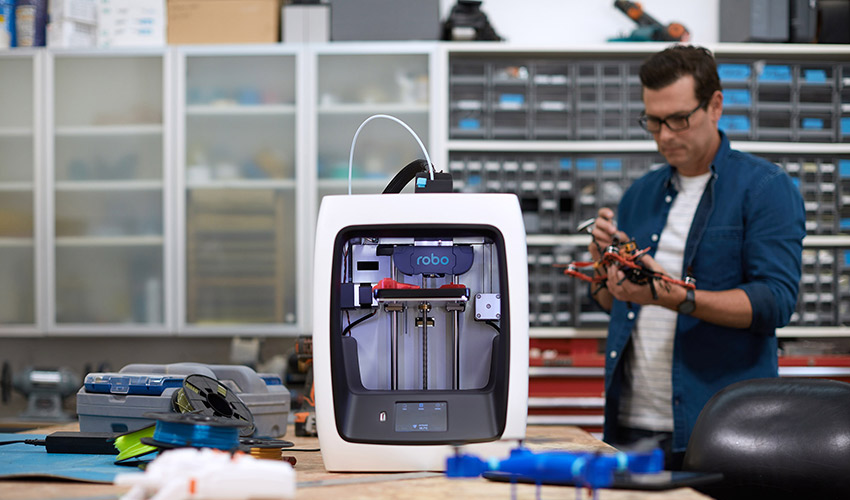 PrintersLab 3Dnatives: Robo C2 3D Printer TestRobo 3D are an American manufacturer based in California who first came to the world’s attention in 2013 with the launch of their Robo C1 3D printer on Kickstarter. At the end of 2016, Robo 3D launched another Kickstarter campaign…
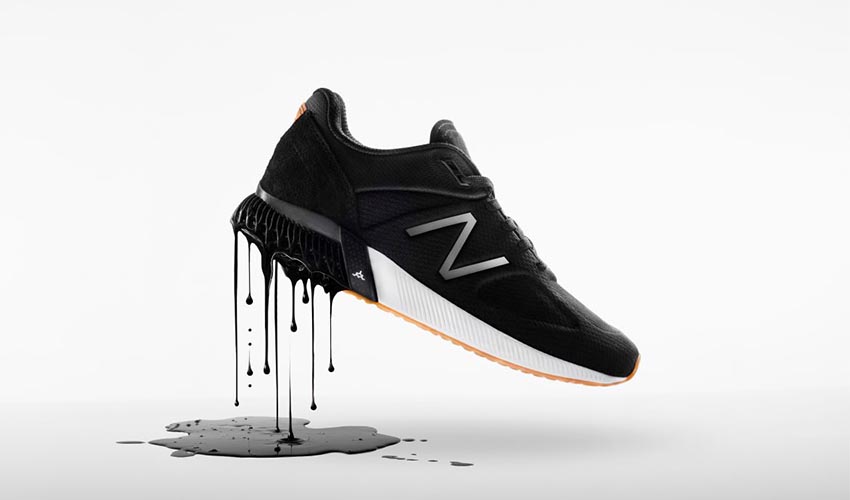 NewsNew Balance launches 3D printing platform with FormlabsNew Balance, the company based in Boston and one of the leaders in athletic wear, just launched a new platform created with 3D printing technology from Formlabs. The new platform is called TripleCell – it has been and will be…
 ApplicationsChina 3D Prints First PEEK Clavicle ImplantThe medical team at Kunming Medical University Hospital in China, in collaboration with the company IEMAI 3D successfully transplants the first clavicle printed in 3D with PEEK. What does this milestone mean for the medical sector? How important is the…
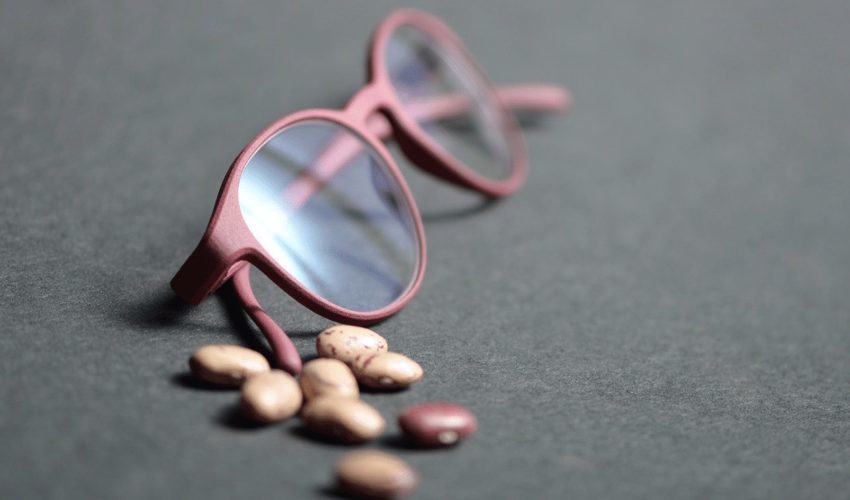 Materials3D Printed Castor Bean EyewearAustrian manufacturer, Rolf Spectacles, have developed a plant-based 3D printed eyewear collection using castor bean. Rolf’s latest collection, entitled substance, comes in six different colours and 23 different frame designs. Rolf is a family company based in Austria’s Tyrolean
  NewsGE’s education program invests AM into educationAs part of GE’s Additive Education Program, GE Additive will offer 3D printers to more than 400 schools, reaching more than 180,000 students across the world. An initiative that will help streamline the use this technology in education. General Electric…
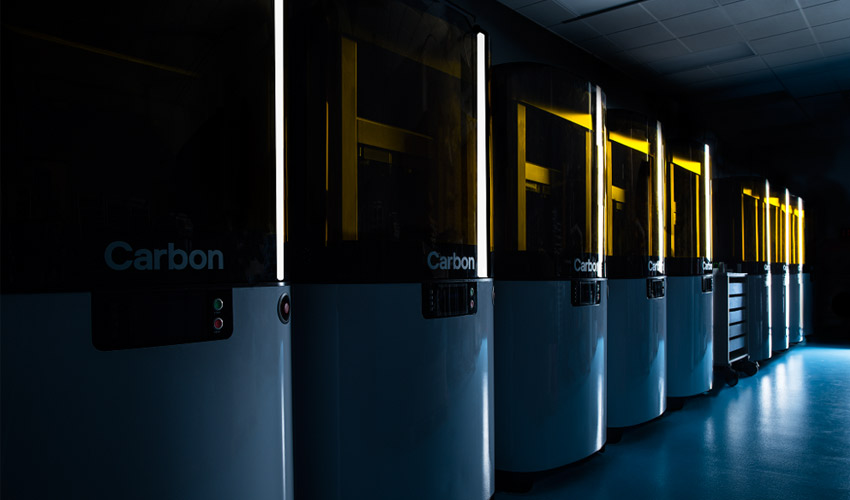 NewsRiddell uses new Carbon L1 printer to create first ever 3D printed helmet linerThe manufacturer Carbon has announced the arrival of their new large-scale 3D printer, the L1. The L1 comes after the launch of their two previous printers, the M2 and M1. As a matter of fact, based on the same technology,…