Applications
10 Reasons Why 3D Printing Can Improve Automotive Safety
In 2023 alone, motor vehicle crashes claimed the lives of 40,901 people in the United States, according to the U.S. Department of Transportation’s Fatality Analysis Reporting System. While many factors influence whether a crash is fatal—such as whether passengers are…
- 3 min read
- Applications
- Six more stories

In 2023 alone, motor vehicle crashes claimed the lives of 40,901 people in the United States, according to the U.S. Department of Transportation’s Fatality Analysis Reporting System. While many factors influence whether a crash is fatal—such as whether passengers are wearing seatbelts—this sobering statistic underscores the vital importance of advancing automotive safety. From the structure of the car itself to life-saving features like seatbelts and airbags, every detail contributes to minimizing harm and saving lives. But safety isn’t limited to crash response alone; it also includes how well a vehicle functions in everyday use. In this regard, 3D printing offers major advantages, helping manufacturers create vehicles that are not only more crash-resilient but also more ergonomic, accessible, and reliable. As automakers continue to push the boundaries of what’s possible, 3D printing has proven to be a transformative technology in the pursuit of safer, smarter vehicles. Here, we’ll explore ten key ways it’s improving automotive safety.
1. Accelerated Access to Repairs and Legacy Parts
One of the most immediate safety benefits of 3D printing lies in its ability to streamline access to critical vehicle components, especially during repairs. For older vehicles or those operating in remote locations, finding replacement parts can be time-consuming or even impossible. 3D printing allows for rapid, on-demand fabrication of legacy parts that might otherwise be discontinued, ensuring vehicles remain structurally sound and fully operational. This ability to maintain or restore a vehicle’s safety features without delay can be crucial in preventing further accidents and ensuring reliability on the road.
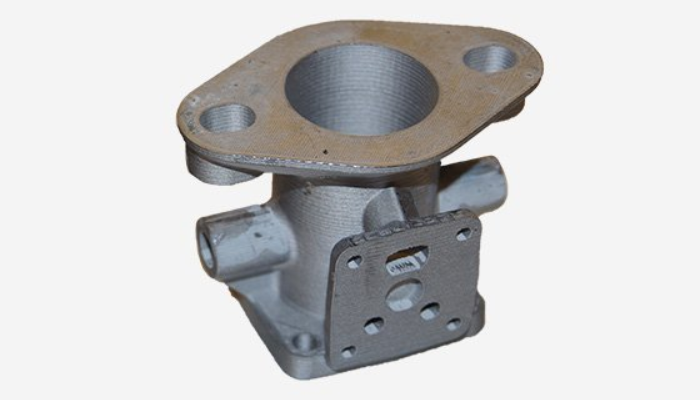
A replica carburetor created for a vintage racecar by Tecron (Image credit: Markforged)
2. Faster Prototyping for Safer Vehicle Designs
Speed is a critical advantage of 3D printing in the design and development phase of automotive safety. Traditional prototyping processes can be time-intensive, limiting the number of design iterations that can be tested. With 3D printing, engineers can quickly produce and evaluate multiple versions of safety-critical components, from crash structures to restraint systems. This iterative capability leads to more refined, thoroughly tested designs that are optimized for real-world performance. In the end, the ability to prototype rapidly means safer vehicles are brought to market faster.
More from the desk
Six other notes from the rest of the bench.
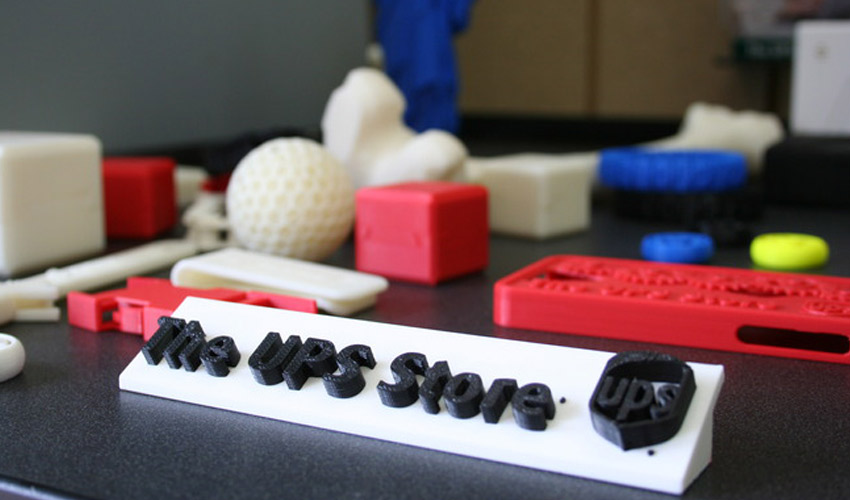 NewsInterview with UPS: how will 3D printing impact the Supply Chain?UPS is one of the world’s leading parcel delivery companies and a leading provider of specialised transportation and logistics services. Since its creation in 1907, the company has evolved tremendously and is quickly turning to innovative solutions. It is no surprise&hellip
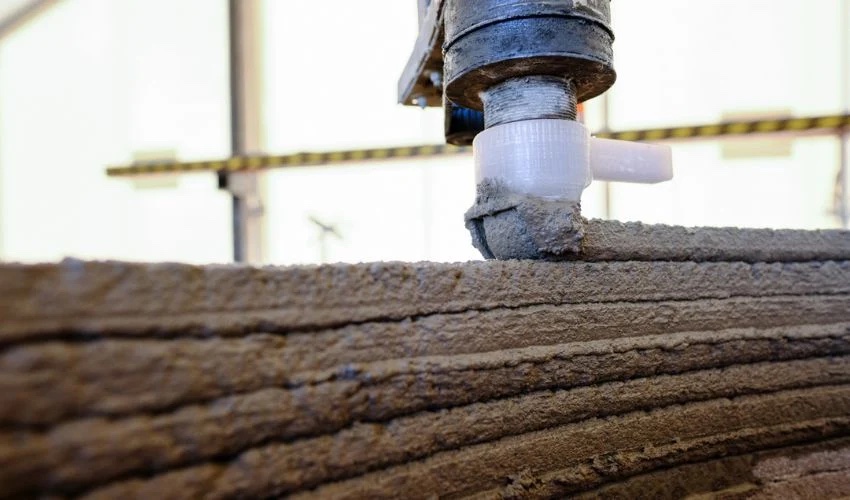 NewsA New 3D Printing Material for Construction Could Be Capable of Capturing CO₂Oregon State University and Sandia National Laboratory have received a three-year, $540,000 grant from the U.S. Department of Energy to explore whether it would be possible to capture carbon dioxide from industrial emissions before trapping its mineralized form in 3D…
 ApplicationsUS Navy Uses SPEE3D Technologies for Its MaintenX ExerciseSPEE3D, an Australian metal 3D printing company, recently announced that it was chosen by the US Navy to play an important role in their MaintenX exercise which aims to give a better understanding of the operational challenges faced by soldiers…
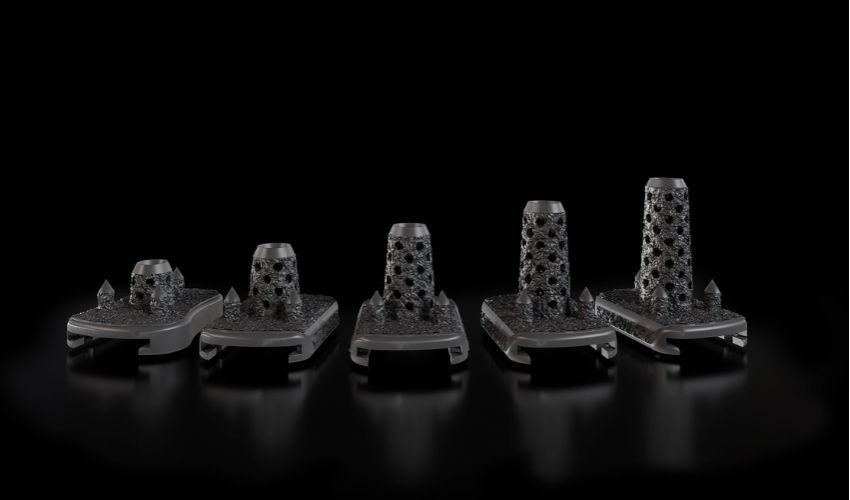 ApplicationsExactech Performs First Ankle Surgeries with 3D Printed Tibial ImplantsIn recent years, 3D printing has taken off in the medical sector, bringing innovations in a variety of fields. From the creation of custom-made prostheses and orthoses to the personalization of drug treatments, this technology is transforming healthcare. Today, we…
 NewsAM serial production is taking off according to new study by EYThe audit firm EY has just published its second report, Global 3D Printing Report 2019, dedicated to additive manufacturing, following a first edition published in 2016. As expected, the market has evolved considerably in 3 years, particularly in terms of…
 NewsHive, a 3D Printed Clay WallAdditive manufacturing has made its debut in the construction industry a while ago. Today, it is possible to build all types of structures with the help of 3D printing technologies. Ever since then, it seems that one innovation follows the…