News
10 Reasons to Use Artificial Intelligence in 3D Printing
Artificial intelligence is revolutionizing many industrial sectors, and additive manufacturing is no exception. In the context of 3D printing, AI makes it possible to automate processes, optimize parameters, predict failures and improve the quality of final parts. From design to&
- 3 min read
- News
- Six more stories

Artificial intelligence is revolutionizing many industrial sectors, and additive manufacturing is no exception. In the context of 3D printing, AI makes it possible to automate processes, optimize parameters, predict failures and improve the quality of final parts. From design to post-processing, real-time monitoring or maintenance, AI applications are becoming increasingly broad and precise. This technology not only increases workflow efficiency, but also reduces errors, costs and production times. Today, we take a look at why integrating artificial intelligence into the 3D printing process can bring real value to production.
1. Conversion of Sketches to 3D Models
Artificial intelligence is transforming the initial design phase of 3D printing. This technology facilitates the automatic conversion of 2D sketches or drawings into 3D models ready for manufacturing. Through computer vision algorithms, AI can interpret freehand sketches, technical drawings or concept sketches and generate 3D geometries that match the designer’s intent. This feature streamlines the creative process, especially in the early stages of product development, allowing you to move quickly from an idea to a physical prototype. It also reduces dependence on advanced CAD software, making 3D design more accessible.
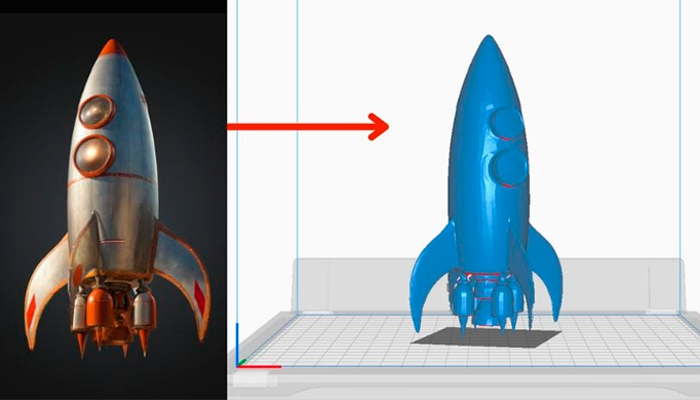
A 3D model and STL file based on a “vintage space rocket” prompt, generated in Meshy AI.
2. Design Optimization and Modification
Artificial intelligence makes it possible to generate and optimize existing 3D models to make them more efficient and functional using techniques such as generative design. From specific objectives (strength, minimum weight or force distribution), AI can create geometries that would be difficult or impossible to conceive manually. This not only improves the performance of the final product but also optimizes material usage and reduces development time. In addition, it can scan thousands of variations in minutes, radically shortening design cycles and encouraging greater model customization.
More from the desk
Six other notes from the rest of the bench.
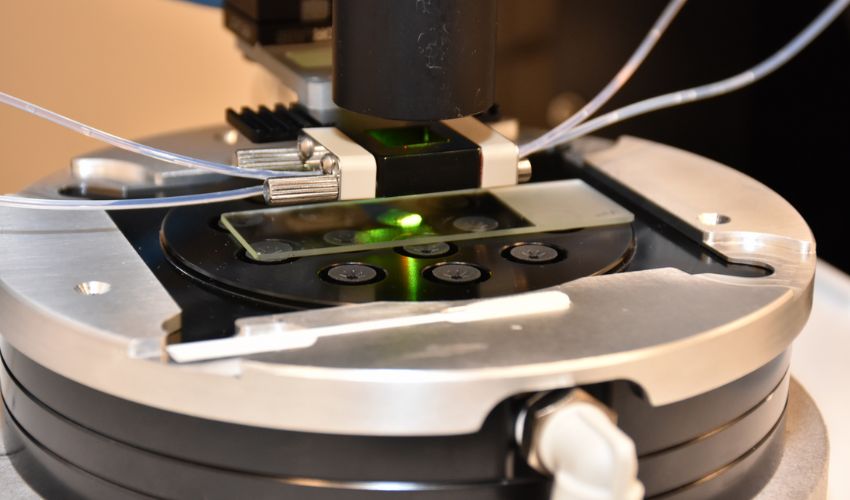 GuidesInside the World’s First Successful 3D Bioprinted Human Cornea TransplantIn October 2025, Rambam Health Care Campus in Haifa, Israel, marked a world first with the successful transplantation of a fully 3D bioprinted corneal implant, created entirely in the lab from living human cells. Developed by Precise Bio, the implant was…
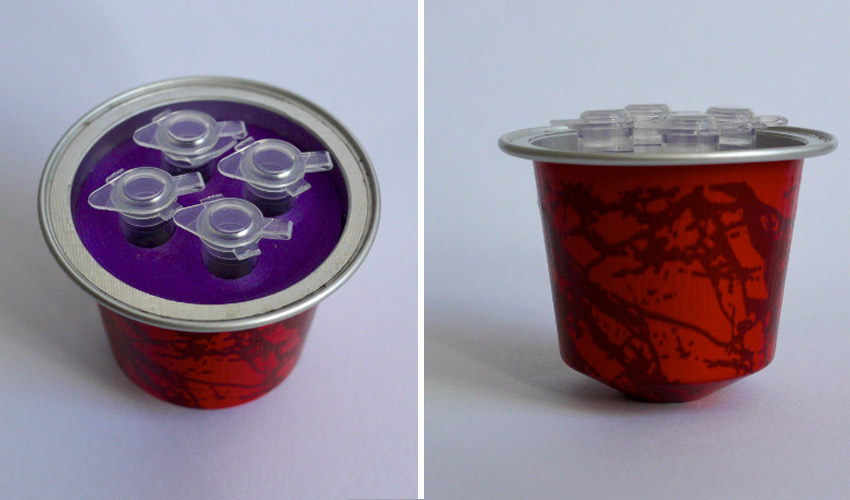 ApplicationsMeet CoroNaspresso, the COVID-19 Test in a Coffee CapsuleTesting for COVID-19 with a coffee capsule and a pan? This is the original idea of a scientist from the University of Wageningen in the Netherlands. Hoping to reduce the cost of COVID-19 detection tests currently offered on the market,…
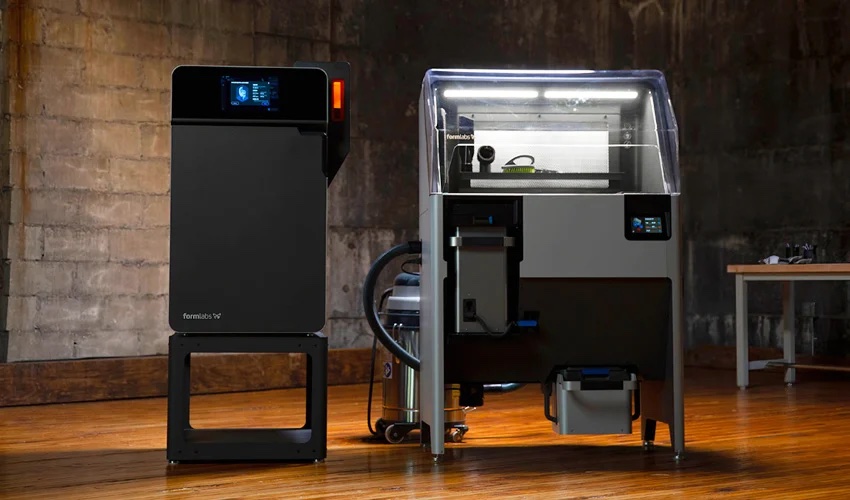 PrintersFuse 1+ 30W, the New SLS 3D Printer From FormlabsAmerican manufacturer Formlabs, mostly known for its resin solutions, entered the additive manufacturing powder-based technology market in 2021. Although the company had intended to do so since 2017, it did not happen until the launch of the Fuse 1, its…
 SoftwareDassault Systèmes’ on-demand manufacturing service becomes accessible through SOLIDWORKS applicationsIn 2018, Dassault Systèmes, the leading company in 3D design and engineering software, launched its global online manufacturing ecosystem, the 3DEXPERIENCE Marketplace. Make, one of the marketplace’s three services alongside Part Supply and Engineering, is an on-demand manufactur
 News3D Printing Quiz of 20172017 was an important year for 3D printing. In 2017, a number of big names entered the 3D printing industry such as HP and GE, and many 3D printing startups received multi-million dollar investment deals. In addition, 2017 was the…
 MaterialsAll You Need to Know About PETG for 3D PrintingPETG, or polyethylene terephthalate glycol, is a thermoplastic that is one of the most widely used polymers in additive manufacturing. Notably, it is a popular choice for filaments and fused deposition modeling because it combines both the simplicity of PLA…