Guides
Inside the World’s First Successful 3D Bioprinted Human Cornea Transplant
In October 2025, Rambam Health Care Campus in Haifa, Israel, marked a world first with the successful transplantation of a fully 3D bioprinted corneal implant, created entirely in the lab from living human cells. Developed by Precise Bio, the implant was…
- 3 min read
- Guides
- Six more stories
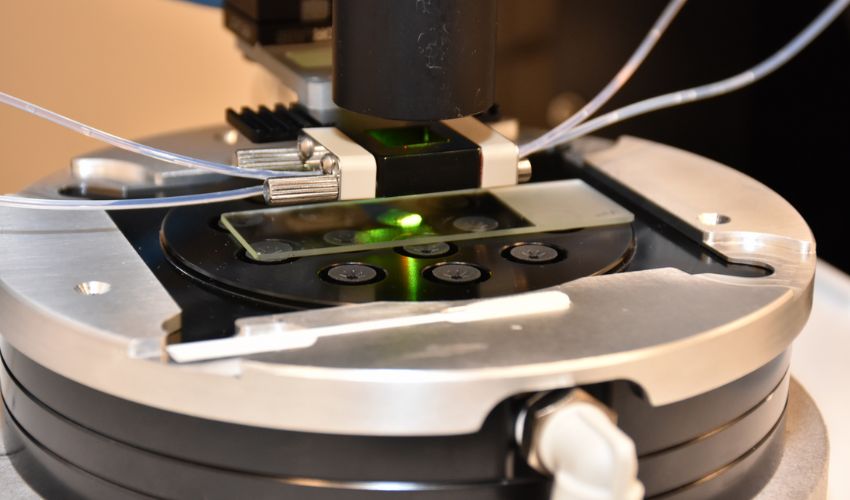
In October 2025, Rambam Health Care Campus in Haifa, Israel, marked a world first with the successful transplantation of a fully 3D bioprinted corneal implant, created entirely in the lab from living human cells. Developed by Precise Bio, the implant was produced using a platform capable of expanding a single donor cornea into up to 300 transparent, layered corneal structures designed to replicate the function of a healthy human cornea without the need for additional donor tissue. The procedure, performed at the Rambam Eye Institute as part of an ongoing Phase 1 clinical trial, restored vision in a patient who was legally blind in the treated eye. This milestone represents a significant step forward in addressing the global shortage of donor corneas and offers new hope to millions affected by corneal blindness. To better understand the technology and its implications, we spoke with Aryeh Batt, CEO and Co-Founder of Precise Bio.
3DN: Could you introduce yourself and share what led you into 3D printing and co-founding Precise Bio?
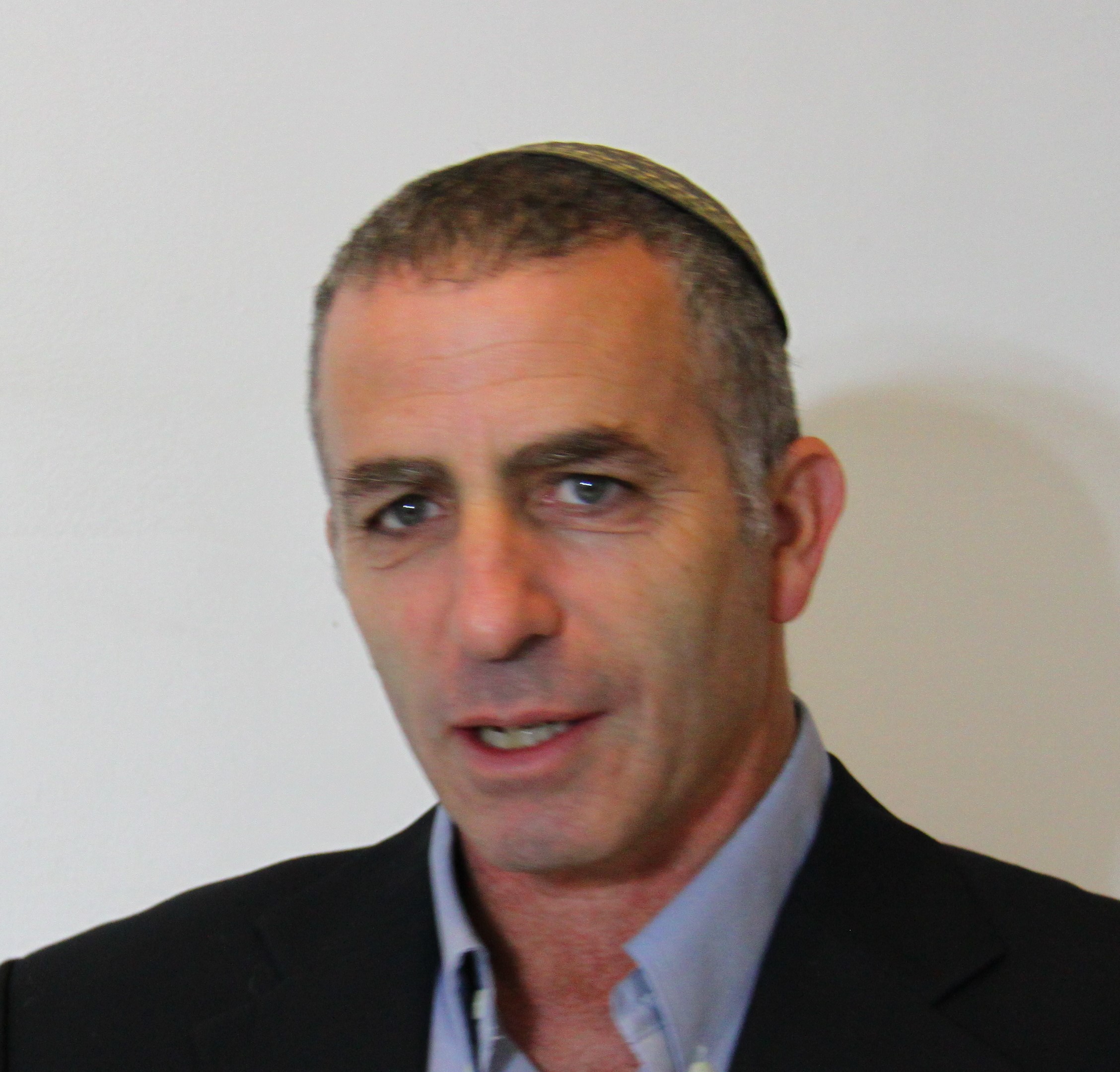
CEO and Co-Founder Aryeh Batt
My professional background is physics, mainly in the electro-optics field. I have held positions in the Israeli hi-tech industry from R&D to executive management and led multi-disciplinary products from development to sales and marketing. I developed a unique 3D printing technology that can ‘print’ human cells at high viability, enabling the structuring of human tissue and organs comprised of human cells and natural materials mimicking the functionality and structure of the human tissue. When I understood the revolution we can bring in healthcare, I decided to establish Precise Bio with Dr. Anthony Atala, the director of the Wake Forest Institute of Regenerative Medicine (WFIRM), a leader and pioneer in the tissue engineering arena, and Prof. Shay Soker (also from WFIRM), a molecular biologist and a leading scientist in the field.
3DN: What is Precise Bio’s mission?
Precise Bio envisions a future where patients no longer wait for life-saving transplants, and unmet critical therapeutic needs are solved using Precise Bio’s natural, hyper-accurate bio-fabrication technology. The company fabricates natural tissues for transplant in patients, addressing needs where there is a lack of donor tissue or in cases where there is a therapeutic need. Replacing a damaged tissue with a new bio-fabricated tissue can solve the unmet need.
More from the desk
Six other notes from the rest of the bench.
 SoftwareSimplify3D, a Slicer for Professionals?Simplify3D is a slicer designed to help you import a model from online platforms, modify it to your liking, and send it to your 3D printer as G-code so that the object can be printed. Although some programs, such as…
 SoftwareWASP Unveils New Parametric Design Software AppWASP holds a significant position within the construction 3D printing sector. The company from Italy has introduced the WASP App, a parametric design software aimed at enhancing the user experience in crafting with clay. Clay has emerged as a primary…
 PrintersLab 3Dnatives: UP Mini 2 3D Printer TestTierTime has been in the 3D printer market with both industrial and desktop 3D printers since 2003. In May 2012, the Beijing-based company unveiled the UP Mini desktop printer, later named the ‘Best Overall Experience 3D Printer’ by Make Magazine. TierTime…
 ApplicationsSilk proteins allow the bioprinting of artificial tissuesA team of scientists from the Guwahati Indian Institute of Technology (IIT) is advancing bioprinting in India. Apparently, they created a bioink from silk proteins that could be used for 3D printing tissues, implants and organs at unbeatable costs. These…
 NewsTop 5 Videos: Trains Keep On Rolling with 3D Printed Spare PartsYes the change of seasons is almost upon us yet again. The chill in the air, the changing of the leaves, the fall spices mingling with the breeze, the farms begin to harvest pumpkins and potatoes from their fields, ready…
 NewsXJet appoints Nobel Prize winner to lead pioneering applications & materialsXJet announced today the appointment of Professor Dan Schechtman to lead its Scientific Advisory Board. Winner of the 2011 Nobel Prize in Chemistry for the discovery of quasicrystals, Shechtman’s role will be to help steer XJet’s material and application development…