
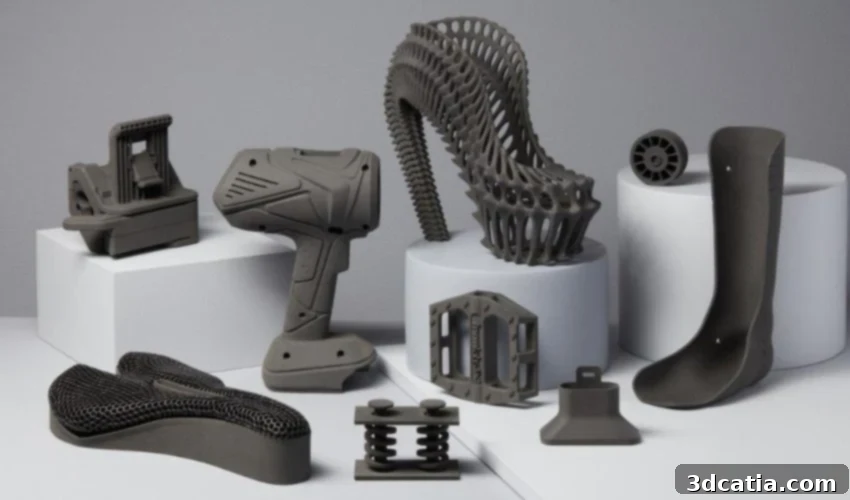
The Power of Rapid Prototyping in 3D Printing: Revolutionizing Product Development
In an era defined by relentless innovation and increasingly rapid market demands, the landscape of product development is constantly evolving. Bringing a new idea from concept to a tangible, market-ready product requires agility, efficiency, and a robust methodology for testing and refinement. Among the most transformative approaches to emerge in this domain is rapid prototyping (RP), a cornerstone technology that has fundamentally reshaped how designers and engineers innovate. At its core, rapid prototyping is a dynamic methodology centered around the swift creation of physical models, or prototypes, directly from digital designs. This iterative process allows for continuous testing, immediate feedback integration, and subsequent design improvements, significantly streamlining the development cycle. By enabling stakeholders to interact with a physical representation early on, RP mitigates risks, reduces costs associated with late-stage changes, and ultimately paves the way for a more reliable, user-centric final product. This deep dive will explore the multifaceted world of rapid prototyping, with a particular focus on its profound synergy with 3D printing, also known as additive manufacturing.
So, what precisely defines rapid prototyping in today’s technological context? Essentially, it is the expedited creation of physical, non-final models from digital blueprints, facilitating quick and thorough testing and refinement of designs and concepts based on real-world performance and user feedback. The genesis of rapid prototyping is intrinsically linked to the emergence of additive manufacturing technologies in the early 1980s. Initially, these groundbreaking methods found their primary application in highly specialized industrial sectors, such as the demanding automotive and aerospace industries, where they were employed for rapid tooling and the development of intricate prototypes. Over the decades, continuous and significant advancements in 3D printing technology have dramatically enhanced RP’s accessibility, affordability, and versatility. This evolution has democratized its application, making it a viable and indispensable tool for a much broader spectrum of industries and innovative applications today. Rapid prototyping, especially when powered by additive manufacturing, is now celebrated for its unparalleled flexibility and efficiency in product development, acting as a critical catalyst for innovation across virtually every field, from consumer goods to advanced medical devices.
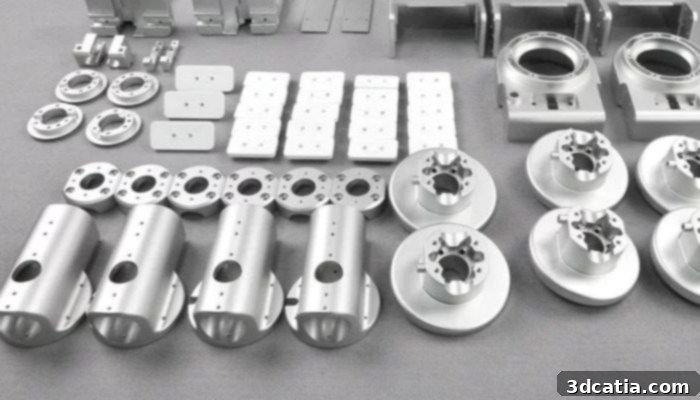
3D printed metal rapid prototypes, showcasing the potential for functional parts. (Photo Credits: Wayken Rapid Manufacturing)
The Mechanics of Rapid Prototyping with Additive Manufacturing
The rapid prototyping process, particularly when utilizing additive manufacturing (AM), commences with the foundational step of creating a digital design. This is typically accomplished using sophisticated CAD (Computer-Aided Design) software, where engineers and designers meticulously craft a 3D model of their intended part or product. This digital blueprint serves as the definitive instruction set for the 3D printer. Once the design is thoroughly finalized and optimized for the chosen printing process, it is then digitally transmitted to the 3D printer. These advanced machines can then fabricate the prototype layer by layer, utilizing a diverse array of materials, including but not limited to thermoplastics, photopolymer resins, various metals, and advanced composites. The result is a precise, functional, and often visually accurate three-dimensional representation that closely mirrors the desired final product.
The paramount advantage of this approach lies in its ability to empower designers and engineers with the capacity for rapid and comprehensive testing. Unlike traditional manufacturing methods that can incur significant time and cost penalties for design modifications, RP facilitates an agile feedback loop. Prototypes can be quickly produced, tested for form, fit, and function, and then iterated upon. This means that design flaws, ergonomic issues, or performance deficiencies can be identified and rectified much earlier in the development cycle, long before committing to expensive tooling or mass production. This iterative process not only saves invaluable time and resources but also significantly enhances the overall quality and market readiness of the final product.
Diverse 3D Printing Processes for Rapid Prototyping
The efficacy of rapid prototyping is further amplified by the wide array of 3D printing technologies available, each offering distinct advantages tailored to specific project requirements regarding visual fidelity, material characteristics, and desired functionality. The selection of the most appropriate method is a critical decision, demanding careful consideration of the inherent trade-offs and how they align with the project’s unique demands and constraints.
Among the most widely adopted methods, Fused Deposition Modeling (FDM) stands out for its accessibility and cost-effectiveness. FDM printers work by extruding a thermoplastic filament layer by layer through a heated nozzle, building up the object from the bottom. While it offers a relatively lower resolution and accuracy compared to other plastic 3D printing techniques, which can sometimes limit its application for highly intricate designs or smooth surface finishes, its affordability and speed make it an excellent choice for early-stage, low-fidelity prototypes and proof-of-concept models where basic form and fit are the primary concerns.
For prototypes demanding superior visual aesthetics and finer details, Stereolithography (SLA) is frequently the preferred option. SLA employs a UV laser to selectively cure liquid photopolymer resin layer by layer, resulting in highly accurate and smooth parts. This makes it ideal for visual prototypes, master patterns for molding, and parts requiring tight tolerances and intricate geometries. However, its material options are somewhat limited, primarily to photopolymer resins, and prototypes often necessitate extensive post-processing steps such as washing and UV curing to achieve optimal mechanical properties and surface finish.
When the requirement is for quick, high-quality, and robust functional parts, Selective Laser Sintering (SLS) emerges as a leading contender. SLS technology uses a high-powered laser to selectively fuse powdered polymer particles, creating incredibly durable and complex parts without the need for support structures. This allows for unparalleled design freedom and the production of fully functional prototypes that can withstand rigorous testing. Similar to SLA, while SLS offers excellent mechanical properties, its material selection is generally restricted to engineering-grade thermoplastics like nylon, and the parts often have a slightly grainy surface finish if not post-processed.
For advanced prototyping that combines detailed visual output with the flexibility of multi-material capabilities, Multi Jet Fusion (MJF) from HP offers a compelling solution. MJF printers utilize a printhead to deposit fusing and detailing agents onto a bed of powdered material, which is then fused by infrared energy. This process allows for the creation of complex geometries with excellent isotropic mechanical properties and the potential for color printing. While MJF can deliver impressive results for detailed visual and functional prototypes with high throughput, it generally comes at a higher equipment and material cost compared to some other plastic AM technologies.
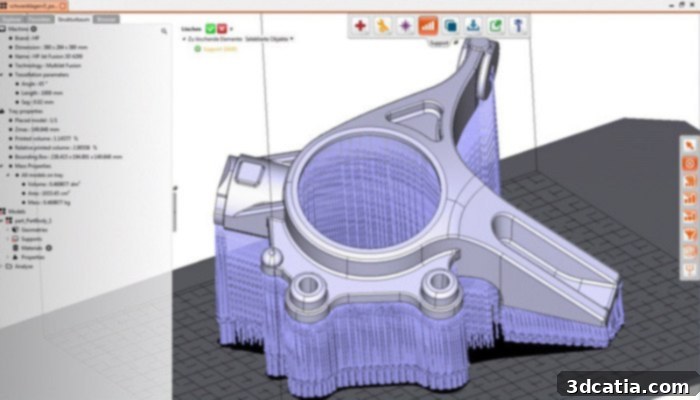
A diverse range of 3D printing methods are employed for rapid prototyping, each suited for different applications. (Photo Credits: Additive Manufacturing Global)
Beyond plastic-based methods, metal additive manufacturing (AM) also plays a crucial, albeit less common, role in rapid prototyping, particularly for applications requiring the specific mechanical and thermal properties of metals. For instance, Directed Energy Deposition (DED), though typically considered an industrial-scale technology with high associated costs, offers the unique capability to produce near-net-shape metal prints. This means parts are produced very close to their final form, reducing the need for extensive post-machining. While its primary applications lie in repair and part enhancement, DED’s ability to create large, functional metal prototypes quickly makes it an attractive, albeit expensive, choice for certain high-performance prototyping applications where structural integrity and material properties are paramount.
Similarly, Direct Metal Laser Sintering (DMLS), a powder bed fusion technique, provides the means to create extremely robust and functional metal prototypes. DMLS uses a laser to melt and fuse metallic powder particles together, layer by layer, resulting in fully dense metal parts with excellent mechanical properties. These prototypes are invaluable for testing parts in environments where they will experience high stresses or extreme temperatures. However, DMLS comes with higher material costs and is typically limited by smaller build volumes compared to plastic AM technologies, making it a more specialized choice for rapid prototyping when specific metal properties are absolutely critical for functional validation.
Categorizing Prototypes: From Concept to Production Readiness
The rapid prototyping ecosystem encompasses various types of prototypes, each serving a distinct purpose at different stages of the product development lifecycle. Understanding these categories helps in selecting the most appropriate prototyping method and material for maximum efficiency and insight.
**Low-Fidelity Prototypes,** often referred to as proof-of-concept (POC) prototypes, represent the earliest and most fundamental stage of prototyping. Their primary objective is to validate the core functionality or a specific mechanism of a design. At this stage, visual aesthetics and user experience are secondary concerns; the focus is solely on proving that an idea can work. The speed and affordability of 3D printing, particularly using technologies like FDM, are immensely advantageous here. Designers can quickly print multiple iterations to test different mechanical concepts, identify potential flaws in fundamental designs, and confirm viability before investing more time and resources into aesthetic refinement or advanced functionality. These prototypes are crude by design, allowing for rapid failure and learning.
**Visual Prototypes,** also known as appearance prototypes, shift the emphasis from pure functionality to aesthetics. These models are crafted to meticulously showcase a product’s intended look and feel, encompassing critical factors such as shape, size, color, surface texture, and overall ergonomic appeal. They are crucial for market research, stakeholder presentations, and securing early-stage feedback on product aesthetics and branding. Technologies that offer high resolution and smooth surface finishes, such as Stereolithography (SLA) or material jetting, are frequently employed for visual prototypes, as they can accurately replicate the fine details and intricate forms necessary to convey a product’s final appearance with high fidelity.
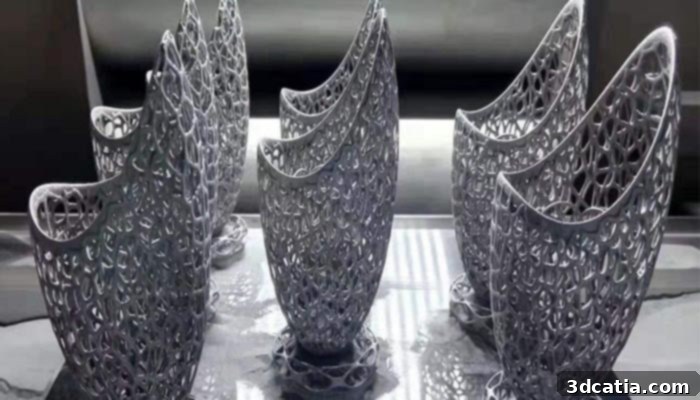
Visual prototypes focus on the aesthetic qualities and user experience of a product. (Photo Credits: 3ERP)
Conversely, **Functional Prototypes,** or working prototypes, prioritize performance and operational integrity over aesthetics. Designers leverage these prototypes to rigorously test individual features, sub-assemblies, or the entire product’s mechanical and operational capabilities. The goal is to verify that these features operate as intended, withstand anticipated stresses, and integrate seamlessly before being incorporated into the final production design. This stage is vital for identifying engineering challenges, optimizing part geometry for strength or weight, and validating material choices. Technologies like Selective Laser Sintering (SLS), known for producing robust and durable parts from engineering plastics, or Direct Metal Laser Sintering (DMLS) for metal components, are particularly well-suited for creating functional prototypes that can endure demanding real-world testing scenarios.
Finally, **Engineering or Pre-Production Prototypes** represent the apex of the prototyping process, integrating all findings and refinements from earlier iterations into a near-finished, highly refined model. These prototypes are often indistinguishable from the final production part in terms of form, fit, and function. They serve multiple strategic purposes: showcasing the product’s readiness for manufacturing, attracting potential customers and investors, facilitating regulatory approvals, and establishing critical partnerships with resellers and manufacturers. These prototypes are crucial for validating the entire design and manufacturing process, ensuring a smooth transition to mass production.
Transformative Industry Applications of Rapid Prototyping
The inherent versatility and efficiency of rapid prototyping extend its influence across an extraordinarily broad spectrum of industries, each leveraging the process to accelerate development cycles, enhance product innovation, and gain a competitive edge. The impact is particularly pronounced in high-performance, high-output sectors that demand precision and reliability.
Within the cutting-edge fields of aerospace and automotive engineering, RP plays an absolutely critical role in the design, testing, and optimization of intricate and performance-critical components. Aerospace engineers, for instance, routinely utilize rapid prototyping to fabricate lightweight, complex physical prototypes of components such as turbine blades, specialized brackets for wing and satellite attachments, and even full-scale structural elements for rigorous aerodynamic and structural testing. This capability allows for early assessment of a part’s performance, durability, and aerodynamic efficiency under simulated or real-world operational conditions, significantly reducing the risks and costs associated with traditional manufacturing methods for such complex parts. Similarly, automotive manufacturers extensively leverage RP to rapidly develop and test prototypes for a vast array of car parts, ranging from internal engine components, gears, and intricate manifolds to visually critical aerodynamic body panels and interior aesthetics. The ability to make fast adjustments and validate designs before committing to expensive and time-consuming mass production tooling is indispensable in a rapidly evolving market.
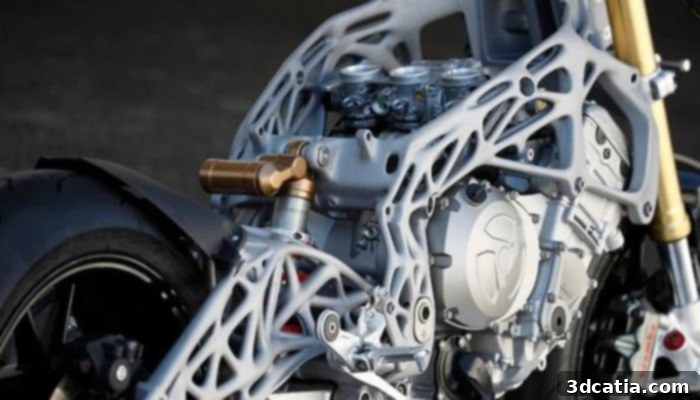
A 3D printed prototype of a motorcycle frame, enabling functional and ergonomic testing. (Photo Credits: Jian Hong Prototype)
Rapid prototyping has also profoundly revolutionized the medical field, ushering in an era of unprecedented customization and patient-specific solutions. It enables the precise creation of highly personalized implants, surgical guides, and prosthetics that are meticulously tailored to individual patients’ unique anatomies and needs. For example, surgeons can leverage this powerful process to 3D print bespoke bone grafts that perfectly match a patient’s unique skeletal structure, improving integration and recovery outcomes. Furthermore, RP facilitates rapid modifications to existing prosthetic designs, ensuring optimal fit, comfort, and functionality for each wearer. Beyond implants, rapid prototyping is instrumental in the development of complex medical devices, encompassing highly specialized surgical instruments, anatomical models crucial for pre-surgical planning and training simulations, and even patient-specific models used during live surgical procedures to enhance precision and reduce risks.
As rapid prototyping has matured and gained widespread recognition, its utility has gracefully transcended its initial industrial and medical applications, finding fertile ground in creative industries. In the vibrant fashion and jewelry sectors, designers are increasingly embracing RP to dramatically enhance their creative capabilities and more effectively translate their imaginative designs into physical forms. Much like aerospace and automotive engineers, these designers harness the significant speed benefits of rapid prototyping. This allows them to effortlessly create numerous garment variations, experiment with novel textures and forms, and produce intricate jewelry pieces with unparalleled speed and detail. This agility enables them to keep pace with rapidly evolving fashion trends and cater to the diverse preferences of different customer segments without the substantial lead times and costs traditionally associated with extensive retooling or manual crafting processes. This directly fosters greater innovation and responsiveness within these design-centric industries.
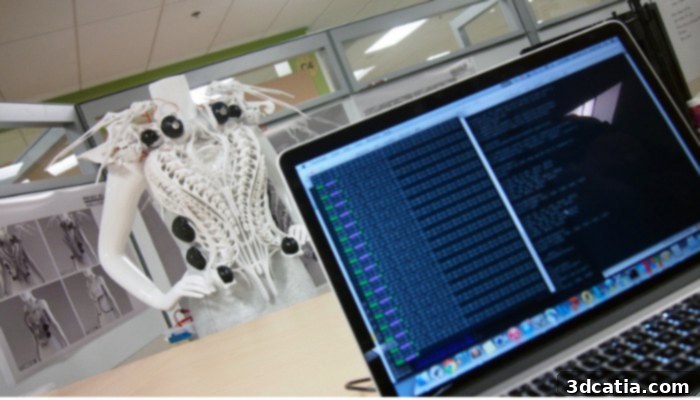
The innovative 3D printed “Spider Dress” by Anouk Wipprecht, illustrating RP’s impact on fashion design. (Photo Credits: Anouk Wipprecht)
Unveiling the Profound Benefits of Rapid Prototyping
Rapid prototyping, especially when integrated with 3D printing, offers a compelling suite of advantages that profoundly transform the entire product development process. These benefits collectively contribute to faster, more efficient, and ultimately more successful product launches.
One of its most significant and widely acclaimed advantages lies in its remarkable ability to **improve the speed and efficiency of workflows**, substantially accelerating the development cycle. By leveraging 3D printing for rapid prototyping, designers and engineers can swiftly translate their intricate digital designs into tangible, physical prototypes. This drastic reduction in the time required to bring a product from its conceptualization phase to a market-ready state offers a critical competitive edge. Companies can significantly decrease turnaround times, enabling them to launch products faster, respond with greater agility to fluctuating market demands and evolving consumer preferences, and stay ahead of their competitors in fast-paced industries.
Moreover, rapid prototyping acts as a powerful catalyst for fostering an **iterative design process**, allowing for the comprehensive exploration of a broad spectrum of designs and concepts within a significantly compressed timeframe. In the past, traditional product development methodologies often necessitated extensive waiting periods for a near-final product before crucial user feedback could be obtained. This frequently led to costly delays, extensive reworks, and sometimes even complete project cancellations. In stark contrast, rapid prototyping, particularly when synergized with 3D printing, enables immediate adjustments and the seamless implementation of feedback and test results. This dynamic approach cultivates an environment of continuous innovation and refinement throughout the product lifecycle. Designers are empowered to experiment extensively with different geometries, functional mechanisms, and material choices, rapidly evaluating each iteration. This leads to profound optimizations in the final part’s performance, manufacturability, and user experience, ultimately yielding a superior product.
Beyond speed and iterative refinement, rapid prototyping offers substantial benefits in **cost reduction and risk mitigation**. By identifying design flaws and functional issues early in the development process, companies can avoid expensive retooling, material waste, and production delays that would typically arise during later, more costly stages of traditional manufacturing. Each prototype cycle, though an investment, prevents potentially much larger financial losses down the line, safeguarding project budgets and timelines. Furthermore, physical prototypes serve as invaluable communication tools. They enable design teams, marketing departments, and potential clients to physically interact with the product, fostering clearer understanding and consensus. This tangible interaction minimizes misinterpretations that can occur with purely digital representations, ensuring everyone is aligned on the product’s vision and functionality, further reducing the risk of costly errors.
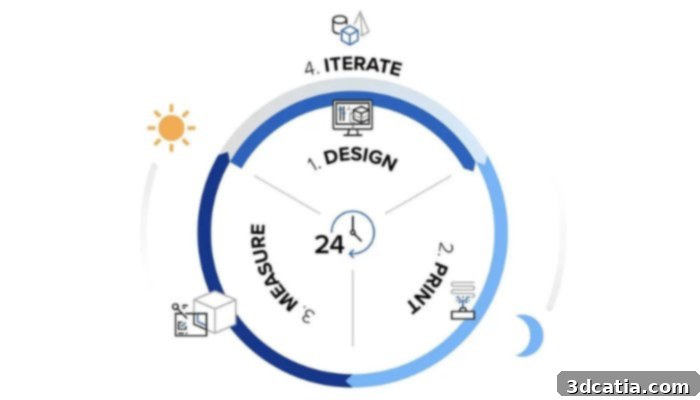
When coupled with 3D printing, rapid prototyping enables designers and engineers to cycle through digital designs and physical prototypes quickly, improving speed toward mass production and market readiness. (Photo Credits: Formlabs)
The impact of rapid prototyping is undeniable, making it an indispensable tool for any organization striving for innovation and efficiency in today’s competitive market. Did you know about the diverse applications and profound benefits of the Rapid Prototyping process? We’d love to hear your thoughts! Let us know in a comment below or connect with us on our LinkedIn, Facebook, and Twitter pages! Don’t forget to sign up for our free weekly newsletter here for the latest 3D printing news straight to your inbox! You can also find all our videos on our YouTube channel.
*Cover Photo Credits: Formlabs