
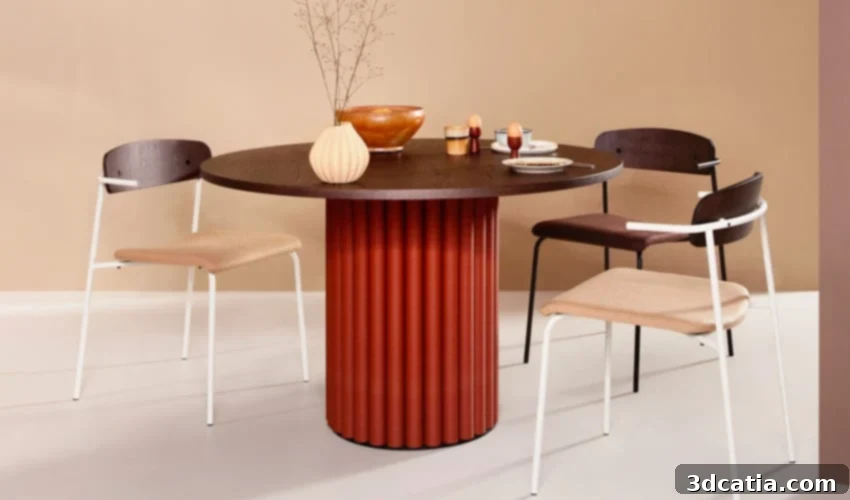
Aectual’s Hana Table: Pioneering Sustainable 3D Printed Furniture for Circular Interior Design
The landscape of interior design is undergoing a profound transformation, largely driven by advancements in technology and a burgeoning commitment to sustainability. At the forefront of this revolution is the increasing adoption of 3D printing, a manufacturing method that offers unparalleled design freedom and efficiency. Among the innovators leading this charge is Aectual, a Netherlands-based company renowned for its visionary approach to product life cycles. Aectual’s core mission revolves around extending the utility and intrinsic value of products and materials, envisioning a future where resources exist within a continuous, limitless loop. Their latest groundbreaking endeavor, the Hana Table, perfectly encapsulates this philosophy, seamlessly blending cutting-edge additive manufacturing with elegant, functional design, all while steadfastly adhering to circular economy principles.
The Hana Table is not merely a piece of furniture; it is a statement—a tangible representation of how design can drive sustainability without compromising on aesthetics or performance. This original 3D printed table is meticulously crafted to meet the evolving demands of modern workplaces and hospitality venues that are actively embracing the concept of a circular economy. Its timeless appeal, coupled with an elegant and playful design language, ensures its adaptability across a diverse array of interior styles and functional requirements. From collaborative office spaces to sophisticated hotel lobbies and inviting restaurant settings, the Hana Table offers a versatile and responsible solution that elevates any environment.
The Vision Behind the Hana Table: A Collaborative Design Journey
The creation of the Hana Table is the result of a synergistic collaboration between visionary minds. It is the brainchild of celebrated designer Joost van der Vecht, whose expertise in form and function brought the table’s aesthetic to life. This design was then meticulously brought into existence through the combined efforts of sustainable furniture brand Occony and the innovative circular furniture specialist, Aectual. This powerful partnership underscores a shared commitment to pushing the boundaries of what is possible in sustainable design and manufacturing.
The table’s evocative name, “Hana,” is derived from the Japanese word for “flower.” This choice is deeply symbolic, alluding to the inherent beauty and natural elegance embedded within the design itself. Just as a flower represents growth, renewal, and natural perfection, the Hana Table embodies these principles through its sustainable lifecycle and graceful form. Beyond its direct reference to nature, Aectual also highlights that the name is a tribute to the “modern craftsmanship” that defines this innovative piece of furniture. This modern craftsmanship signifies a sophisticated blend of traditional design sensibilities with advanced technological production methods, resulting in a product that is both aesthetically rich and engineered for environmental responsibility. But how precisely does additive manufacturing play such a pivotal role in bringing this vision to fruition?
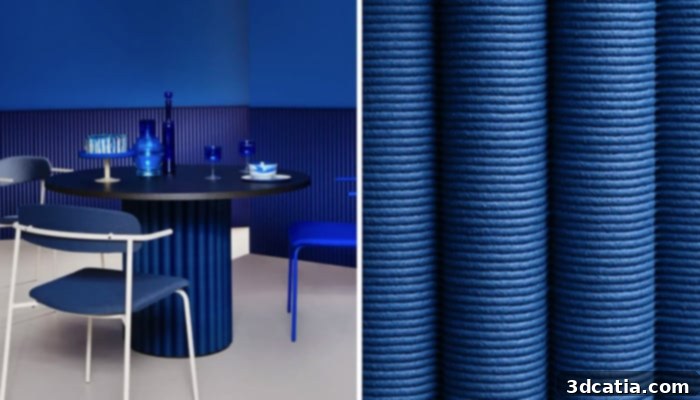
The name, Hana Table, alludes to the inherent beauty of the design and its connection to natural principles.
The Power of Additive Manufacturing: A Deep Dive into 3D Printing the Hana Table
At the core of the Hana Table’s sustainable innovation lies the transformative power of additive manufacturing, specifically for its distinctive base. Unlike traditional subtractive manufacturing methods that often generate significant waste, 3D printing builds objects layer by layer, utilizing only the necessary material. For the Hana Table, this process goes a step further in its commitment to the environment: the table base is 3D printed from recycled beverage carton foils. This ingenious material choice directly addresses the challenge of waste management, transforming what would typically be discarded packaging into a durable, aesthetically pleasing, and functional component of a high-design furniture piece. By repurposing these foils, Aectual significantly reduces the demand for virgin resources and diverts substantial amounts of waste from landfills, marking a tangible step towards a more sustainable future.
The environmental advantages of using recycled beverage carton foils extend beyond waste reduction. This approach firmly establishes the Hana Table within the paradigm of a circular economy. The material used for the base is not just recycled once; it is designed for infinite reuse. After the Hana Table has served its purpose, its 3D printed base can be readily shredded and processed, allowing the reclaimed material to be fed back into the additive manufacturing process to create brand new furniture. This closed-loop system epitomizes true circularity, ensuring that materials retain their value and utility over multiple product lifecycles, thereby dramatically minimizing environmental impact and resource depletion. This innovative process provides a blueprint for how industries can transition from linear “take-make-dispose” models to regenerative systems.
Crafting the Tabletop: Sustainable Materials and Finishes
While the base of the Hana Table champions cutting-edge 3D printing technology and recycled plastics, the tabletop maintains an equally rigorous standard of sustainability. It is expertly crafted from recycled wood fibers, providing a beautiful and robust surface that further reinforces the table’s eco-friendly credentials. The use of recycled wood prevents deforestation and reduces the energy and environmental impact associated with harvesting new timber. This choice ensures that every component of the Hana Table contributes to a reduced ecological footprint.
Complementing the recycled wood fibers is a waterborne wood finish, a crucial detail often overlooked in conventional furniture production. Unlike many traditional finishes that contain volatile organic compounds (VOCs) and other toxic elements harmful to both human health and the environment, this waterborne finish is completely free of such hazardous substances. This commitment to non-toxic materials ensures that the Hana Table contributes to healthier indoor air quality, making it an ideal choice for sensitive environments like healthcare facilities, schools, and homes, in addition to its primary target markets of hospitality and workplaces. Aectual eloquently summarizes their overarching philosophy on its website, stating, “Our circular process, driven by data and digital manufacturing, represents a fundamental shift from today’s linear economic system to a design-driven regenerative economy.” This powerful statement encapsulates their belief that thoughtful design, empowered by digital tools and sustainable practices, is the key to unlocking a truly regenerative economic model where waste is eliminated, and resources are continually renewed.
Customization, Versatility, and Design Adaptability
Beyond its impressive sustainable features, the Hana Table is engineered for exceptional versatility and customization, ensuring it can seamlessly integrate into a myriad of interior design schemes. It is available in three distinct diameters: 105 cm (~41.3 inches), 120 cm (~47.2 inches), and 130 cm (~51.2 inches). This range of sizes allows designers and users to select the perfect fit for specific space requirements, whether it’s an intimate breakout area, a functional meeting point, or a larger communal dining or workspace. The thoughtful sizing ensures optimal flow and utility within diverse environments, from compact cafes to expansive corporate offices.
The aesthetic flexibility of the Hana Table is further enhanced by a selection of four sophisticated wood finishes for the tabletop: White, Pure, Natural, and Carbon. These options provide a spectrum of design possibilities, allowing for seamless integration with existing décor or enabling the creation of fresh, distinctive looks. Whether the goal is to achieve a light and airy minimalist aesthetic, a warm and inviting natural feel, or a bold and modern statement, the Hana Table’s finishes cater to diverse design visions. The table base, which is the 3D printed component, offers even greater personalization with 13 standard colors. This extensive palette allows for an extra touch of individuality, enabling designers to match company branding, highlight specific color schemes, or simply infuse a space with vibrant personality. For clients seeking an even higher degree of bespoke design, both the base and tabletop can be ordered in custom colors, ensuring unparalleled flexibility to meet unique project specifications and client desires. This level of customization underscores Aectual’s commitment to providing tailored, sustainable solutions that do not compromise on individuality or aesthetic appeal. For those interested in exploring more of Aectual’s innovative projects and sustainable design solutions, additional information can be found HERE.
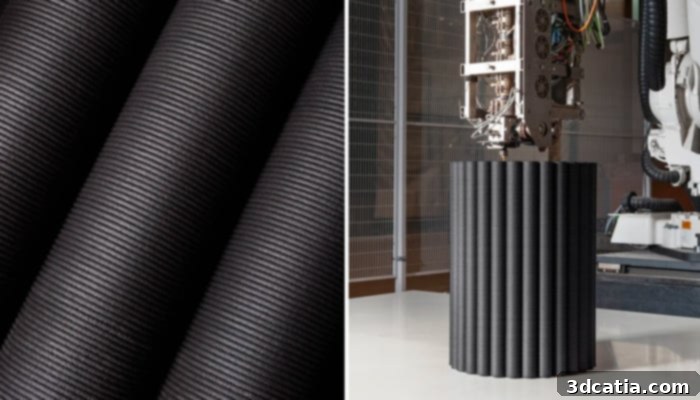
The Hana Table is available in various colors and finishes, offering extensive customization options.
A New Era for Interior Design and Sustainability
The Hana Table by Aectual represents a significant leap forward in the fusion of technology, design, and environmental stewardship. It stands as a powerful testament to the potential of 3D printing to not only create innovative and aesthetically pleasing products but also to champion the principles of the circular economy. By transforming waste materials into valuable, reusable components, Aectual is not just designing furniture; they are designing a more sustainable future. This project demonstrates that eco-conscious choices do not necessitate a compromise on style or functionality. Instead, they can inspire new forms of beauty and efficiency, paving the way for a regenerative economy where every product is conceived with its entire lifecycle in mind. As industries globally grapple with environmental challenges, solutions like the Hana Table offer a compelling vision for how design and manufacturing can lead the charge towards a greener, more responsible world. It is a beacon of innovation, encouraging other companies to embrace similar circular principles and fostering a new era where beautiful, functional objects contribute positively to our planet.
What are your thoughts on the Hana Table’s innovative design and commitment to sustainability? We invite you to share your perspectives in a comment below or join the conversation on our LinkedIn, Facebook, and Twitter pages! Don’t miss out on the latest advancements in 3D printing; sign up for our free weekly Newsletter here to get news straight to your inbox. You can also explore all our insightful videos on our YouTube channel for more content on additive manufacturing innovations.
*All Photo Credits: Aectual