
Revolutionizing Style: The Transformative Impact of 3D Printing on the Fashion Industry
The dynamic world of fashion continually seeks innovation, pushing the boundaries of creativity across clothing, cosmetics, and luxury goods. Brands and designers constantly strive to distinguish themselves, presenting ever more original and groundbreaking designs that allow individuals to express a unique style and identity. In this quest for distinction and personalization, many in the fashion industry are now embracing the remarkable capabilities of 3D printing technologies. This shift is driven by the unparalleled creative freedom offered by additive manufacturing, coupled with its potential for mass customization and a significant reduction in environmental impact. The traditional textile industry has long been associated with considerable ecological footprints, from excessive water consumption and chemical waste to significant material offcuts. However, 3D printing offers a compelling solution to mitigate these challenges, enabling on-demand production and precise material usage, thereby minimizing waste. This article explores the diverse and exciting applications of 3D printing currently reshaping the fashion landscape, showcasing pioneering initiatives from haute couture masterpieces to innovative accessories.
Pioneering Designers and Collections
Danit Peleg: Wearable Digital Fashion
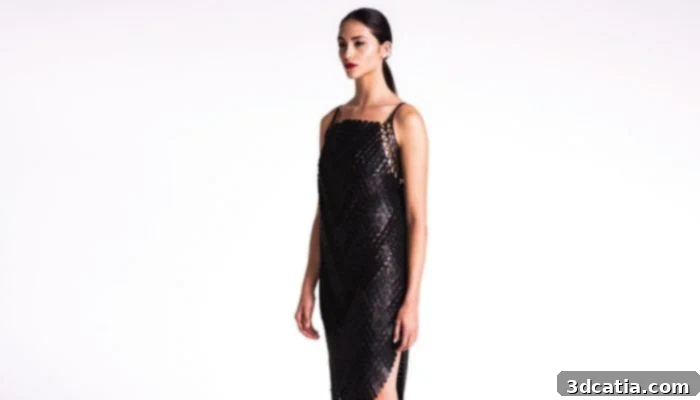
Danit Peleg stands as a true pioneer, holding the distinction of being the first designer globally to create an entire fashion collection using only desktop 3D printers. Her work brilliantly fuses traditional textile aesthetics with cutting-edge technology, exemplified by the intricate, lace-like textures characteristic of her designs. Peleg’s vision emphasizes how 3D printing bridges the gap between digital fashion and physical garments, effectively expanding the horizons of creative expression. Her innovative approach involves printing garments layer by layer using flexible filaments, resulting in a three-dimensional structure that elegantly conforms to the human body. This method allows for unprecedented design complexity and a personalized fit. Danit Peleg is a strong advocate for the future potential of additive manufacturing, predicting that a wider array of wearable, functional materials will soon become available, further revolutionizing how clothing is conceived and produced.
Iris van Herpen: Merging Art, Science, and Technology
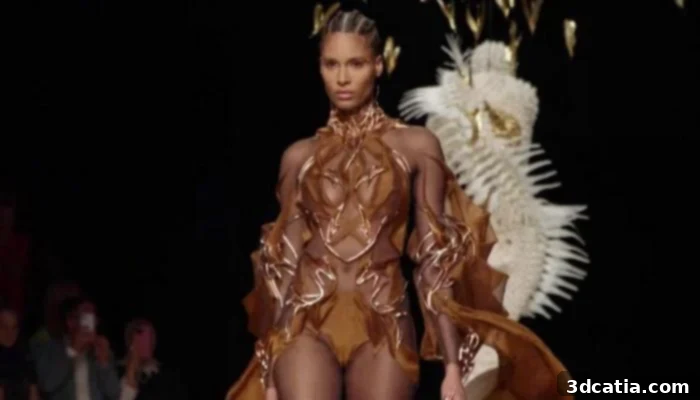
The Dutch designer Iris van Herpen is widely recognized as one of the earliest and most influential proponents of 3D printing in the fashion industry. Her extraordinary creations consistently blend fashion, design, technology, and science, captivating audiences worldwide. At this year’s prestigious Met Gala, her stunning 3D-printed ensembles were prominently featured, gracing celebrities like Teyana Taylor, Winnie Harlow, and Fredrik Robertsson, solidifying her reputation for avant-garde innovation. Furthermore, during Paris Fashion Week, Iris van Herpen unveiled a breathtaking 3D-printed haute couture dress, a result of a unique collaboration with the Belgian ice cream brand Magnum. This particular gown was crafted entirely from a vegan organic material derived from cocoa bean shells, showcasing a remarkable commitment to sustainable and ethically sourced materials. Van Herpen’s work masterfully integrates natural elements with advanced technology and traditional sewing techniques, creating intricate, sculptural garments that challenge conventional notions of fashion and textiles.
Galerie Dior: Preserving Heritage with Additive Manufacturing
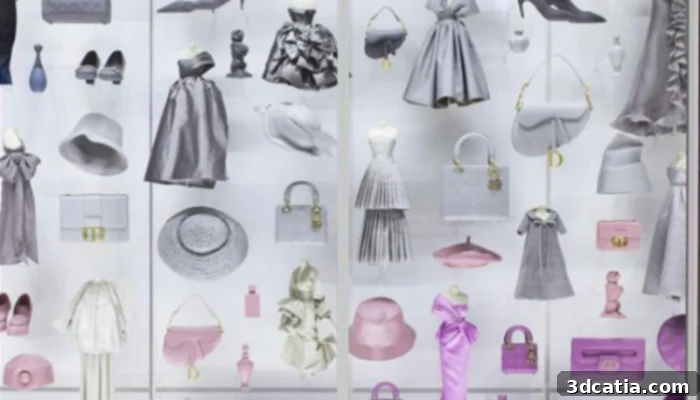
Additive manufacturing has also found a significant role in preserving fashion heritage, as elegantly demonstrated by the stunning reproductions on display at the Galerie Dior in Paris. Located within the iconic Boutique Dior on the world-renowned Avenue Montaigne, this exhibition captivates visitors with hundreds of meticulously crafted 3D-printed replicas of historical Dior garments, handbags, and even shoes. This ambitious project, designed to celebrate and conserve Dior’s rich legacy, was brought to life through a collaborative effort between the ALIGHIERI agency and LA FERME 3D ©. Their combined dedication involved an astonishing 100,000 hours of 3D printing and 10,000 hours of post-processing to faithfully recreate these iconic fashion elements. Over 30 3D printers operated continuously, day and night, for six months to complete this monumental endeavor. Notably, the entire production utilized entirely bio-based materials, underscoring a commitment to sustainability even in historical preservation.
Kornit Digital and Its Sustainable 3D Printed Knitwear
The escalating societal consumption of fast fashion and its inherent waste generation served as a pivotal turning point for Ronen Samuel, CEO of Kornit Digital. This sustainable fashion brand leverages additive manufacturing to produce innovative knitwear, addressing a critical need for environmentally conscious apparel. Kornit Digital champions sustainable, waste-reducing fashion through its direct-to-yarn printing technology, which allows for direct printing onto various textile types. The company employs its proprietary MAX technology, a sophisticated process that applies ink layer by layer, meticulously building up the design. The outcome is a garment that possesses the intricate texture and appearance of traditionally knitted fabric, but with the added benefits of digital precision and reduced environmental impact. Ronen Samuel’s visionary designs have already gained recognition, having been prominently showcased at the Tel Aviv Fashion Show, demonstrating the commercial viability and aesthetic appeal of their sustainable approach.
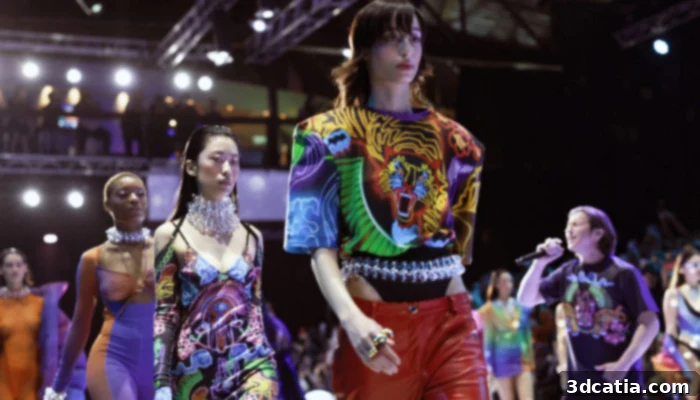
A 3D Printed Skeletal Mask for High Fashion and Performance Art
A compelling testament to 3D printing’s capacity for creating truly unique and transformative fashion pieces is the skeletal mask designed by Kevin Freitas Conlin. This exotic, bone-like accessory served as a crucial element that completed an outfit, elevating it to an unforgettable statement. Worn by drag queen Aquaria during the tenth season of the immensely popular show RuPaul’s Drag Race, the custom-fitted mask played a significant role in her triumphant victory in the show’s finale. The mask, precisely tailored to Aquaria’s facial contours, was reportedly 3D-printed in laser-sintered nylon by the American additive manufacturing company Shapeways. This groundbreaking application marked the first instance of 3D printing technologies being featured on the show, inspiring subsequent designers in later seasons of RuPaul’s Drag Race to explore its potential. This led to the creation of other distinctive pieces, such as the striking fashionable exoskeleton donned by contestant A’whora in season 12, demonstrating the technology’s influence in performance art and avant-garde fashion.
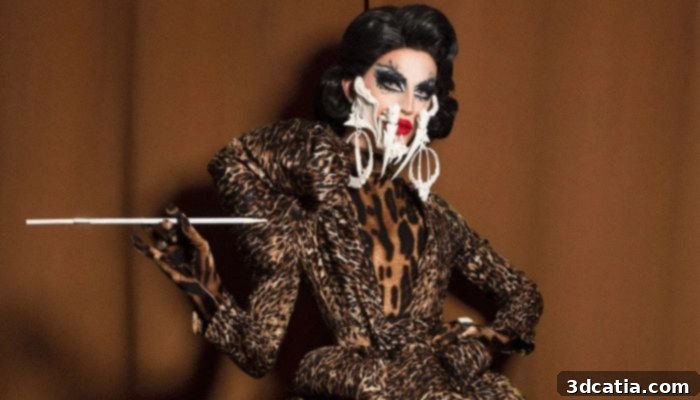
Julia Daviy’s Sustainable 3D Printed Skirt Collections
Julia Daviy embarked on her journey into 3D printed fashion in 2017, quickly establishing herself as a pioneering force in sustainable additive manufacturing. Since then, she has unveiled a diverse array of captivating 3D printed clothing collections, jewelry, and even home décor, all underpinned by a steadfast commitment to environmental responsibility. Based in California, Daviy’s designs are not only aesthetically striking but also fundamentally sustainable. A notable example of her innovative work is “The Organic Skirt,” which served as the centerpiece of her 2019 “After Forever Collection.” This particular collection broke new ground by utilizing large-format 3D printers to produce all its garments, pushing the boundaries of wearable 3D-printed fashion. “The Organic Skirt” was the first digitally 3D-printed clothing item made available on the U.S. market, distinguishing itself further with its remarkable customizability, offering consumers over 1,000 digital variants to choose from, thus marrying bespoke design with sustainable production.

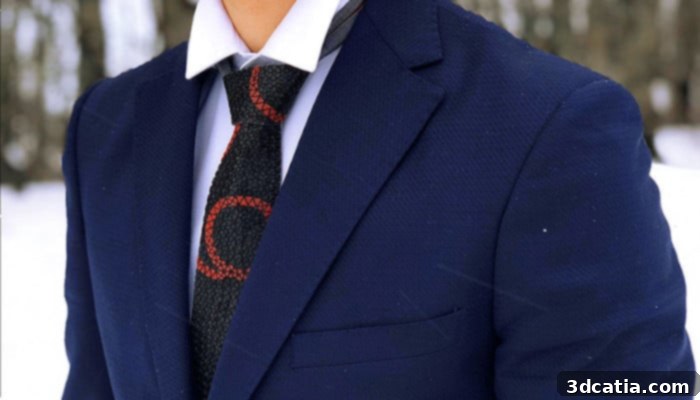
VIP TIE: Personalized Luxury Ties
VIP TIE, an esteemed Italian company, has garnered significant acclaim for its specialization in 3D-printed ties. The core philosophy of the company revolves around delivering fashion accessories that are meticulously personalized to cater to the unique needs and desires of each customer. VIP TIE masterfully intertwines the realms of luxury and innovative high-tech design, creating accessories that are both exquisite and cutting-edge. The creation of a single tie often involves an intricate blend of complementary procedures and premium materials, highlighting a commitment to craftsmanship. This can include traditional embroidery, precise 3D printing, and the incorporation of exotic leather, mother-of-pearl, carbon fiber, silver, gold, and silver-plated solids. Beyond the exceptional customizability of their products, another compelling advantage of VIP TIE is its impressive environmental responsibility: over 80% of the materials utilized in their production are 100% eco-friendly, demonstrating a blend of luxury, innovation, and sustainability.
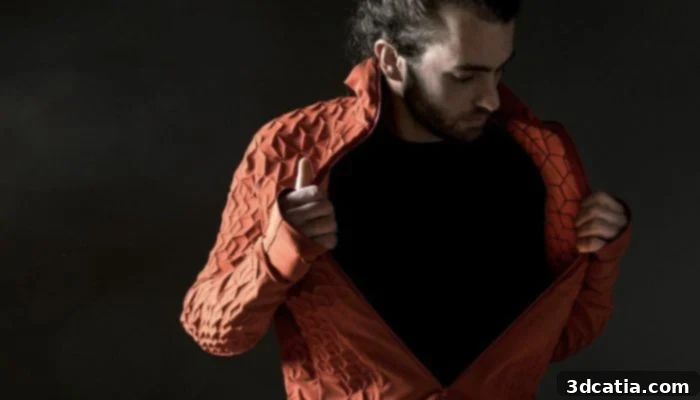
Patronace: High-Performance 3D Printed Activewear
Patronace is an innovative sports brand founded by the award-winning designer Bastian Müller, based in Munich. The brand specializes in 3D-printed activewear designed specifically for individuals embracing a fast-paced, urban lifestyle. These garments are engineered for everyday urban mobility, whether one commutes by skateboard, scooter, or e-bike, providing both style and essential functionality. For the production of its apparel, Patronace employs a lightweight and highly flexible textile printing technology known as GRDXKN. This advanced technology transforms conventional substrates into “smart textiles” with integrated features. The unique material used by Patronace offers embedded protection and insulation, along with a specialized grip, thanks to a unique textile layer that actively controls moisture. Furthermore, these intelligent textiles are breathable, water-repellent, abrasion-resistant, and shock-absorbing, ensuring optimal performance and safety. Patronace’s fashion seamlessly combines safety and style, allowing wearers to navigate their urban environments with confidence and flair.
Future Materials and Innovations in 3D Printed Fashion
3D Printed Leather: A Sustainable Revolution for the Fashion Industry
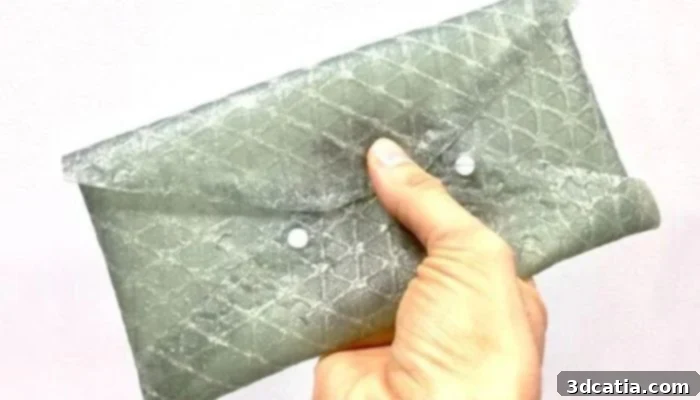
When discussing fundamental materials in fashion, leather undeniably holds a timeless position, serving as a cornerstone for everything from jackets and boots to countless accessories. However, the ethical and environmental implications associated with traditional leather production present significant challenges. While real leather is often praised for its superior quality, a growing number of consumers and designers are actively seeking animal-free alternatives. Fortunately, researchers at Tufts University have made a promising breakthrough that could revolutionize the industry. Utilizing silk cocoons from the *Bombyx mori* silkworm and a custom-built pneumatic extrusion 3D printer, these scientists have successfully developed an environmentally friendly, animal-free leather alternative. This innovative material not only mimics the aesthetic qualities of real leather but also replicates its desirable mechanical properties. Although current applications are limited to small items like a wallet, this pioneering discovery holds immense potential to significantly impact the broader fashion industry in the near future, offering a truly sustainable and ethical alternative to conventional leather.
Stratasys and The SSYS 2Y22 Reflection Collection: High-End Apparel
Stratasys, a globally renowned manufacturer in the additive manufacturing space, recently reaffirmed its strong commitment to the evolving world of 3D printed fashion with the introduction of its innovative J850 TechStyle 3D printer. Building on this significant launch, the American-Israeli company has continued to push the boundaries and extensively demonstrate the capabilities of additive manufacturing within high-end fashion. During Milan Design Fashion Week, Stratasys unveiled its groundbreaking SSYS 2Y22 Reflection collection. This exquisite collection featured a range of high-end accessories and apparel, all meticulously 3D printed, showcasing the printer’s ability to produce complex, multi-color, and multi-material designs with exceptional detail and texture directly onto textiles. This ambitious project was made possible through a collaborative effort with seven distinct groups of designers, who leveraged the advanced technology of the J850 TechStyle solution to develop an innovative line of products. These designs were conceived to reflect and engage with the significant social impacts observed in recent years, demonstrating how fashion can serve as a medium for artistic expression and social commentary. The embedded video below provides an insightful glimpse into the creation process of these fashion garments using 3D printing, specifically highlighting the contributions of Ganit Goldstein, one of the visionary designers involved in the SSYS 2Y22 Reflection collection.
The Future of 3D Printed Fashion: Customization, Sustainability, and Innovation
The examples highlighted above offer a mere glimpse into the vast and rapidly expanding landscape of 3D printing within the fashion industry. From bespoke haute couture pieces that defy conventional construction to sustainable activewear and ethical material alternatives, additive manufacturing is profoundly reshaping how garments are designed, produced, and consumed. The ability to create intricate geometries, achieve unprecedented levels of customization, and reduce waste makes 3D printing an invaluable tool for designers seeking both aesthetic innovation and environmental responsibility. As materials science continues to advance, offering more flexible, durable, and sustainable filaments, and as 3D printing technologies become faster and more accessible, we can anticipate an even more widespread adoption of this transformative technology. The future of fashion is increasingly digital, personal, and sustainable, with 3D printing at its very core, promising a revolution in how we imagine and wear our clothes.
What are your thoughts on the incredible advancements in 3D printed fashion? We invite you to share your insights in a comment below or engage with us on our LinkedIn, Facebook, and Twitter pages! Don’t forget to sign up for our free weekly Newsletter here to receive the latest 3D printing news straight to your inbox! You can also find all our videos on our YouTube channel.