
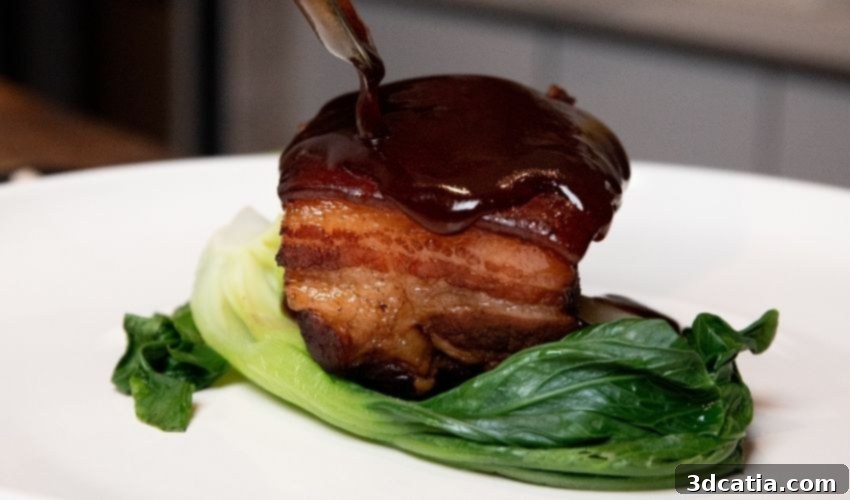
CellX Leads Asia’s Cultivated Meat Revolution: Pioneering 3D Printed Pork for a Sustainable Future
With China accounting for a staggering 30% of global meat consumption, it’s increasingly clear that innovative solutions are vital for the future of food. Amidst this demand, a groundbreaking food technology company has emerged from Shanghai, poised to redefine how we produce and consume meat. CellX, founded in 2020, has quickly positioned itself as a leader in the cultivated meat sector, recently making headlines after unveiling its 3D printed cell-based pork at an exclusive tasting event for investors. This impressive demonstration helped the startup secure a substantial $4.2 million in its second round of funding, underscoring significant confidence in its vision and technological prowess. Operating under the powerful motto, ‘Eat meat, not animals,’ CellX’s ambitious primary objective is to achieve price parity with conventional pork by 2025, a critical step towards widespread market adoption and sustainable food systems.
Understanding the distinction between different types of alternative proteins is crucial. While many “plant meats” utilize plant proteins as their core raw material to mimic the texture and taste of animal products, CellX’s approach is fundamentally different. Their innovation lies in the creation of actual animal meat, built directly from animal cells, making it a true form of cultivated or lab-grown meat. This advanced method leverages bioprinting technology, a field traditionally known for its applications in the medical field, such as tissue engineering and organ printing. CellX has adeptly adapted this sophisticated technology to food production, enabling the 3D printing of various edible meats, including not just pork, but also fish, chicken, and beef. This technological versatility positions CellX to address diverse market preferences and expand its product portfolio significantly.
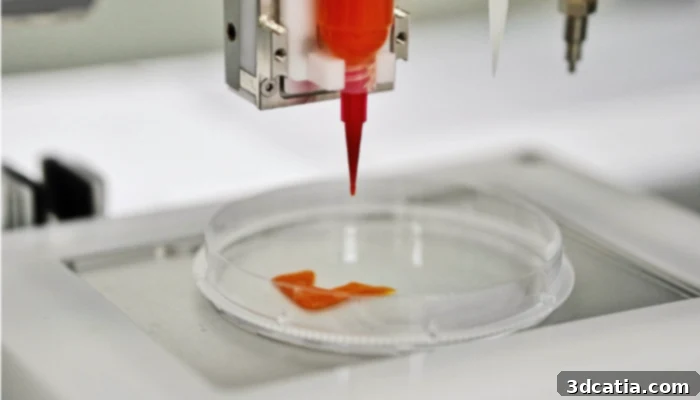
(Photo Credit: CellX)
The Global Vision Behind Cultivated Meat
The founder of CellX, Yang Ziliang, articulated the company’s expansive vision in a statement to the press: “Our vision is to change the way meat is produced. This isn’t just a China issue, it’s a global issue, so for us to achieve our vision, we need to be a global company.” This perspective highlights the critical role that cultivated meat technologies can play in addressing worldwide challenges related to food security, environmental sustainability, and public health. The traditional meat industry, while feeding billions, places immense pressure on natural resources. Intensive animal farming contributes significantly to greenhouse gas emissions, deforestation, and water pollution. Furthermore, the land and water required for livestock feed production are substantial, creating competition with crops for human consumption.
CellX’s commitment to a global presence reflects the universal need for more sustainable protein sources. By producing meat from cells rather than entire animals, the environmental footprint is drastically reduced. This includes a significant cut in land use, water consumption, and greenhouse gas emissions. The controlled environment of bioreactors also eliminates the need for antibiotics and hormones commonly used in conventional animal agriculture, leading to safer, cleaner meat products. This innovative approach promises to deliver the authentic taste and nutritional profile of conventional meat without the associated environmental degradation or ethical concerns of animal slaughter, making it a compelling alternative for consumers globally.
Sustainability and the Promise of 3D Bioprinted Meat
The environmental footprint of traditional meat production methods is undeniably detrimental. From the vast tracts of land cleared for grazing and feed crops to the enormous water resources consumed and the significant greenhouse gas emissions released, the impacts are far-reaching. Beyond ecological concerns, the conventional animal agriculture system also grapples with serious food safety issues, including the presence of pesticide residues in animal feed and the pervasive overuse of antibiotics, which contributes to antibiotic resistance – a growing global health crisis. CellX’s cell culture pork offers a compelling solution to these multifaceted problems through its advanced 3D bioprinting process.
The process begins with the careful harvesting of cells from China’s native black pig, a breed renowned for its distinctive flavor and texture. These initial cells are then cultivated and multiplied in bioreactors, where they are provided with essential nutrients to grow. Once a sufficient quantity of cells is achieved, CellX’s team of scientists employs sophisticated 3D bioprinting technology to arrange these cells into complex, structured tissues that accurately replicate the intricate fibrous nature of conventional muscle meat. This precision engineering ensures that the final product not only possesses the desired taste but also the authentic mouthfeel of traditional pork, a critical factor for consumer acceptance.
The Science of Cultivated Meat and Bioprinting
The journey from a single cell to a succulent piece of cultivated meat involves cutting-edge biological and engineering principles. Initially, a small, harmless biopsy is taken from a living animal, providing the foundational cells. These cells, typically muscle stem cells or fibroblasts, are then placed in a sterile, nutrient-rich culture medium within bioreactors. This medium mimics the physiological environment inside an animal, providing the necessary sugars, amino acids, vitamins, and growth factors for the cells to proliferate rapidly. As the cells multiply, they form a biomass that can then be differentiated into various cell types – muscle, fat, and connective tissue – which are essential for creating the complex structure of meat.
This is where 3D bioprinting plays a transformative role for CellX. While earlier generations of cultivated meat often produced unstructured ground meat, bioprinting allows for the precise deposition of different cell types in specific arrangements. This enables the creation of more complex cuts, such as steaks or chops, with improved texture, marbling, and mouthfeel. By carefully layering muscle and fat cells, along with a scaffolding material (often plant-based) that provides structural support, CellX can replicate the fibrous structure and sensory attributes that consumers expect from conventional pork. This technological leap is vital for moving beyond minced meat applications and truly competing with whole-cut animal products.
Market Potential, Regulatory Hurdles, and Consumer Acceptance
The potential impact of CellX’s 3D-printed pork is immense, particularly given the global scale of pork consumption. Pork is the most popular meat worldwide, and the global pork market is conservatively estimated to be worth approximately $300 billion annually. By offering a sustainable and ethically produced alternative, CellX’s innovative product has the potential to significantly contribute to reducing the colossal carbon emissions associated with traditional meat production. Furthermore, it could virtually eliminate the risk of zoonotic diseases spreading from animals to humans, as well as the food safety concerns linked to contaminated conventional meat products.
Despite the promising technology and significant investment, CellX, like other cultivated meat companies, faces considerable challenges. A primary hurdle is the intensive cost of research, development, and scaling production. Achieving price competitiveness with traditional meat, especially by their ambitious 2025 target, requires further technological advancements and economies of scale. Moreover, regulatory approval is a critical factor for market entry. As of now, China has yet to approve the sale of cultivated meat products, meaning CellX’s lab-grown meat must navigate a complex and evolving regulatory landscape before it can reach consumers. Consumer acceptance also remains a key variable; while some are enthusiastic about the ethical and environmental benefits, others may harbor reservations about the concept of “lab-grown” food.
Overcoming these obstacles will require not only continued scientific innovation but also strategic partnerships, public education, and clear regulatory frameworks. CellX’s journey to bring 3D printed cultivated pork to market represents a significant stride in the global movement towards a more sustainable and resilient food system. As they continue to refine their processes and expand their capabilities, the implications for food security, environmental conservation, and animal welfare are profound. You can learn more about CellX and their pioneering 3D-printed meat endeavors directly on their website HERE.
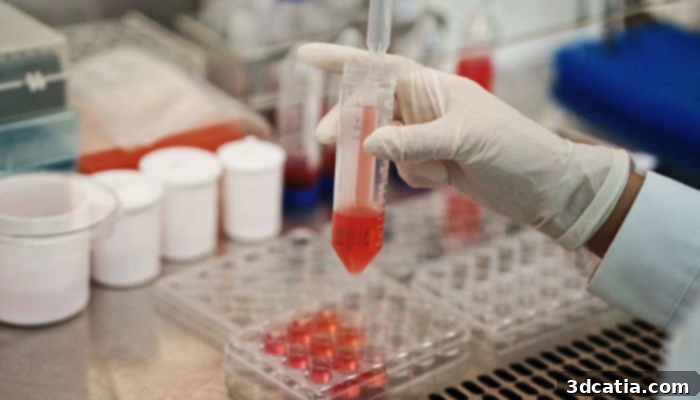
CellX harvests pig cells to bio-print meat products. (Photo Credit: CellX)
The Future of Food: A Sustainable and Ethical Alternative
The rise of companies like CellX signals a pivotal moment in the evolution of our food supply chain. As global populations continue to grow and environmental concerns escalate, traditional agriculture faces unprecedented pressure. Cultivated meat offers a viable and compelling alternative, promising to deliver the sensory experience of conventional meat without the extensive ecological footprint or ethical dilemmas. It represents a convergence of biotechnology, advanced manufacturing, and culinary innovation, driving us towards a future where food production is not only efficient but also harmonious with planetary health.
The potential for customized nutrition, reduced risk of foodborne illnesses, and a more resilient food system are just some of the long-term benefits that cultivated meat technologies could unlock. While challenges remain, the dedication of startups like CellX, backed by significant investor confidence, indicates a strong trajectory for this burgeoning industry. Their work in pioneering 3D bioprinting for food is not merely about creating a substitute; it’s about engineering a superior, more sustainable path for meat consumption, fulfilling the promise of “Eat meat, not animals” on a global scale.
What are your thoughts on CellX’s advancements in 3D-printed cultivated meat? We’d love to hear your perspective! Share your comments below or engage with us on our Facebook and Twitter pages. Don’t miss out on the latest developments in 3D printing and innovative food technology – sign up for our free weekly newsletter to get all the news delivered straight to your inbox!