
Revolutionizing Beauty: How 3D Printing is Transforming Personalized Skincare with BASF and Natural Machines
The skincare and beauty industries are constantly evolving, driven by an insatiable demand for innovation and personalized solutions. In this dynamic landscape, cutting-edge technologies like 3D printing are emerging as powerful catalysts for change. Companies in the skincare sector have been at the forefront of this technological adoption, leveraging various 3D printing methods to create truly innovative products. From advanced cosmetics to specialized bandages, and even revolutionary bio-printed skin used to mitigate the need for animal testing, the inherent benefits of 3D printing – particularly its capacity for unparalleled personalization and efficient small-batch production – are proving incredibly appealing for skin and personal care applications. A significant new development poised to redefine the market is the imminent arrival of new 3D-printed skincare masks and eye patches, brought forth by a groundbreaking partnership.
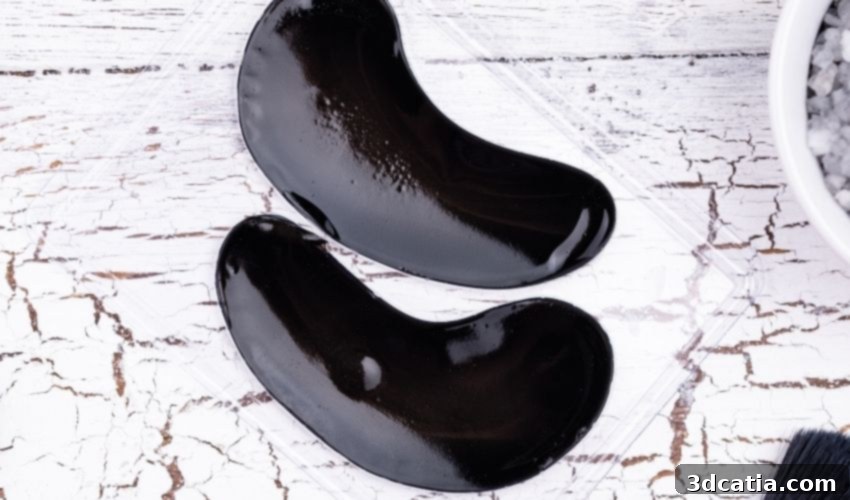
German industrial solutions giant BASF, a global leader in chemicals and high-performance materials, is collaborating with personal care innovator Natural Machines. This strategic alliance aims to develop and introduce bio-based, customized face masks and eye patches specifically designed for diverse skincare needs. This collaboration signifies a pivotal moment for the industry, promising products that are not only tailored to individual preferences but also rooted in sustainable, bio-based materials. The integration of 3D printing technology into this process allows for masks with an individual, custom-fit size, ensuring maximum comfort and effectiveness. Furthermore, these masks can feature different “effect zones” within a single product, catering precisely to the unique and multifaceted needs of each consumer.
The Genesis of a Skincare Revolution: BASF and Natural Machines Forge a Path to Personalization
The ambition of this partnership is clear: to deliver these advanced bio-based masks and eye patches to the market by 2022, setting a new benchmark for personalized skincare. Emilio Sepulveda, CEO of Natural Machines, articulated the synergistic benefits of this collaboration in a press statement, explaining, “We will benefit from BASF’s immense experience and latest developments in cosmetic ingredients, while simultaneously leveraging the broad expertise we have meticulously built over the last eight years in the realm of 3D food printing. At the same time, BASF’s leading and established position in the global personal care market provides us with an extraordinary opportunity to commercialize this innovative technology and its associated device in this highly competitive space.” This statement underscores the strategic advantages each partner brings to the table – BASF’s deep understanding of cosmetic science and market reach, combined with Natural Machines’ cutting-edge proficiency in additive manufacturing adapted from a related field.
3D-Printed Skincare & Mass Customization: Redefining Consumer Expectations
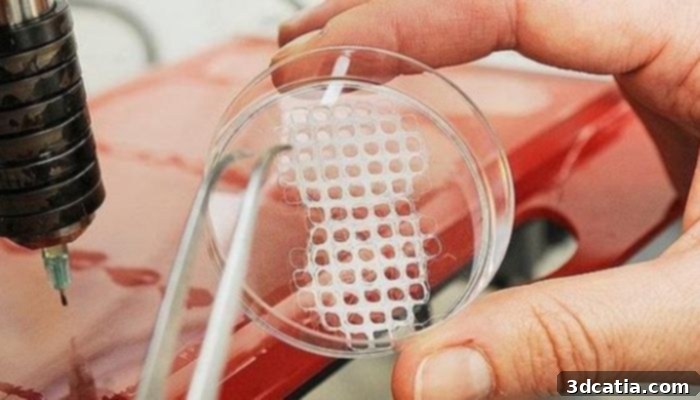
BASF envisions offering this advanced skincare technology as a comprehensive, holistic solution to the global personal care industry. This solution is meticulously designed to be all-encompassing, comprising three core components: a sophisticated 3D printing machine capable of precise deposition, specialized cartridges containing the raw materials, and a diverse range of proprietary skincare formulas. This integrated approach ensures that the entire personalization process, from formulation to application, is seamlessly managed and optimized for consumer benefit. Christina Kohlmann, Senior Manager for Open Innovation Personal Care at Care Chemicals, BASF, highlighted the promising early results: “Our initial tests have conclusively proved the significant potential to print high-quality face masks and patches based on carefully selected BASF ingredients. We are continuously focusing our efforts on adapting and refining the underlying technology, with the ultimate goal of establishing a revolutionary new approach for personalized face masks for our valued customers. This approach is firmly rooted in the principles of sustainability, utilizing bio-based and biodegradable solutions wherever possible.”
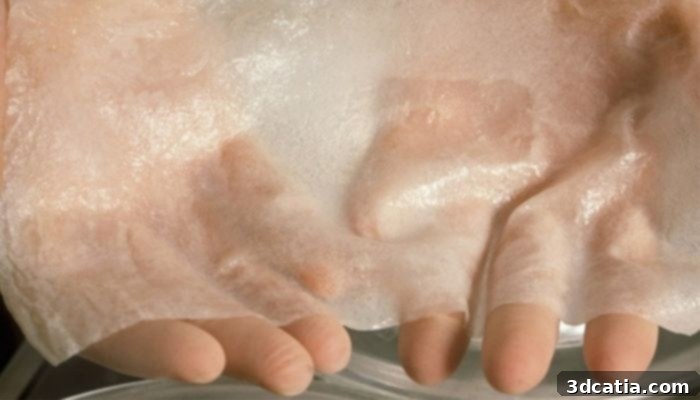
One of the most compelling and frequently cited benefits of 3D printing across various industries is its unparalleled capacity for greater design freedom when compared to conventional manufacturing methodologies. This inherent advantage is particularly transformative in the skincare sector, enabling products to be custom-made with intricate designs and precise ingredient placement to flawlessly suit the highly specific and varied needs of individual consumers. The global demand for personalized skincare products is experiencing an unprecedented surge, signaling a paradigm shift in consumer preferences. As such, observing the evolution of this space, particularly with the emergence of groundbreaking innovations like those from BASF and Natural Machines, promises to be incredibly fascinating. The ability to create a mask that perfectly contours to an individual’s face, incorporating different active ingredients in specific zones (e.g., anti-aging around the eyes, hydrating for the cheeks, clarifying for the T-zone), represents a significant leap forward from generic, one-size-fits-all products. This level of customization ensures optimal efficacy and a superior user experience, driving further adoption of such advanced solutions.
Beyond Customization: The Multifaceted Benefits of Additive Manufacturing in Skincare
The integration of 3D printing into skincare offers a multitude of benefits extending far beyond mere personalization. Firstly, it enhances product efficacy. By precisely depositing ingredients where they are most needed and at the optimal concentration, 3D printed masks can target specific skin concerns with unprecedented accuracy. This minimizes waste and maximizes the therapeutic potential of each application. Secondly, the technology facilitates rapid prototyping and product development. Skincare brands can quickly test new formulations and designs, bringing innovative products to market much faster than traditional methods allow. This agility is crucial in a fast-paced industry where trends and scientific discoveries constantly emerge.
Furthermore, 3D printing holds significant promise for sustainability within the beauty industry. The use of bio-based and biodegradable materials, as championed by BASF and Natural Machines, significantly reduces the environmental footprint of these products. On-demand manufacturing capabilities also mean less overproduction and reduced material waste, contributing to a more circular economy model. This aligns perfectly with growing consumer demand for eco-conscious and ethically produced goods. The precise nature of 3D printing also allows for minimized ingredient usage, as only the necessary amounts are applied, further reducing resource consumption and potential environmental impact. This meticulous approach to material management is a hallmark of additive manufacturing and a key driver for its increasing adoption in sectors committed to sustainable practices.
Another compelling aspect is the potential for enhanced ingredient stability and delivery. By encapsulating or precisely layering active compounds within the mask structure, 3D printing can protect sensitive ingredients from degradation and ensure their controlled release onto the skin. This sophisticated delivery mechanism can amplify the benefits of powerful cosmetic ingredients, leading to more noticeable and sustained results. Imagine a mask where antioxidants are strategically placed to combat free radicals in areas prone to sun damage, while hydrating agents are concentrated in drier regions. This level of intelligent design is only possible through advanced additive manufacturing techniques. The flexibility of the printing process also opens doors for incorporating novel materials and textures that are difficult to achieve with conventional molding or sheet mask fabrication methods, pushing the boundaries of sensorial experience in skincare.
The Future Landscape of Beauty Technology
The collaboration between BASF and Natural Machines is not just about creating new products; it represents a significant step towards a future where personalized beauty solutions are the norm rather than the exception. This partnership epitomizes the convergence of materials science, advanced manufacturing, and consumer-centric design. As this technology matures and becomes more accessible, we can anticipate a broader range of 3D-printed beauty products, from bespoke serums and foundations to innovative hair care solutions. The concept of at-home beauty labs, where consumers can print their own customized products on demand, may no longer be a distant dream but a tangible reality within the next decade. This shift empowers consumers with greater control over their beauty routines and access to products perfectly suited to their individual biological and lifestyle needs.
The potential impact on the entire beauty supply chain is immense. From localized manufacturing reducing shipping costs and carbon footprint to highly agile production cycles that respond directly to consumer data, 3D printing promises to optimize operations and foster greater responsiveness. This paradigm shift encourages brands to move away from mass-market production towards a more diversified, ‘micro-manufacturing’ approach, where specific customer segments or even individual customers can be catered to with unique product offerings. This level of customization extends beyond just ingredients and fit; it can also incorporate individual preferences for scent, texture, and even aesthetic design, making the beauty product experience truly unique for every user. The digital nature of 3D printing also facilitates rapid iteration and improvement based on user feedback, allowing products to evolve and adapt quickly to changing consumer demands and emerging scientific insights, fostering an environment of continuous innovation.
What are your thoughts on BASF and Natural Machines’ pioneering 3D-printed skincare masks and eye patches? Do you envision a future where all your beauty products are customized and printed on demand? We invite you to share your insights and predictions in a comment below, or engage with us on our social media platforms. You can find us on LinkedIn, Facebook, and Twitter! For the latest breaking news and developments in the world of 3D printing, don’t forget to sign up for our free weekly Newsletter here, delivered straight to your inbox. You can also explore all our informative and engaging videos on our dedicated YouTube channel.