
SPEE3D’s Breakthrough: 3D Printing Antimicrobial Copper to Eliminate COVID-19 on Surfaces
In a significant leap for public health and additive manufacturing, Australian company SPEE3D has engineered and rigorously tested an innovative, rapid, and cost-effective method for 3D printing antimicrobial copper directly onto metal surfaces. Laboratory findings have revealed the remarkable efficacy of this process: touch surfaces treated with SPEE3D’s copper coating are capable of neutralizing up to 96% of SARS-CoV-2 – the viral agent responsible for the COVID-19 pandemic – within a mere two hours. This pioneering development arrives at a critical juncture, as the 3D printing sector globally intensifies its efforts to mitigate the spread of the COVID-19 virus. While many companies have focused on scaling up the production of essential medical supplies, such as face shields, protective masks, or even ventilator components, SPEE3D’s approach directly confronts the challenge of viral persistence on environmental surfaces, aiming to prevent the virus from surviving and transmitting outside the human body.
The battle against infectious diseases, particularly highly transmissible viruses like SARS-CoV-2, necessitates a multi-faceted approach. While airborne transmission is a primary concern, the role of contaminated surfaces in disease spread cannot be overstated. Global scientific bodies and health organizations have issued stark warnings about the tenacity of SARS-CoV-2, noting its ability to remain viable on certain surfaces for up to three days. This persistent threat highlights the urgent need for solutions that can actively sanitize high-touch areas. Recognizing this critical gap, SPEE3D, a leader in advanced metal additive manufacturing solutions, has channeled its expertise into developing a groundbreaking method: 3D printing antimicrobial copper. This technology leverages copper’s well-documented virucidal properties to create self-sanitizing surfaces, presenting a powerful new weapon in the ongoing fight against pathogens. This initiative complements other innovative efforts, such as FICEP S3’s AMS mini device in Spain, which utilizes 3D printing to sterilize air by eliminating bacteria and microorganisms, including airborne COVID-19 virus droplets. However, SPEE3D’s focus on surface contamination addresses a distinct yet equally vital aspect of infection control.
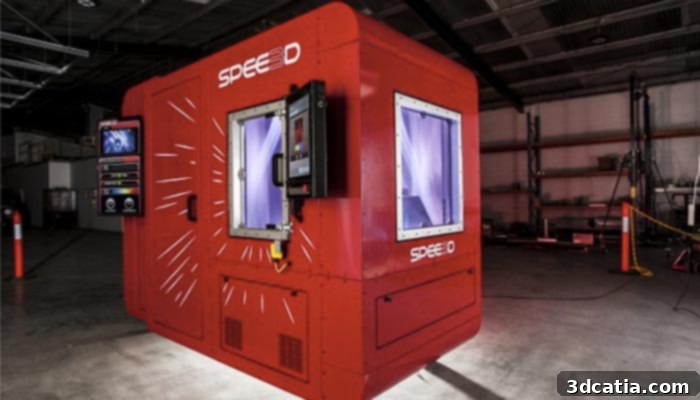
SPEE3D develops metal additive manufacturing solutions, here showcasing their rapid copper deposition process.
The Science Behind Copper’s Antimicrobial Efficacy
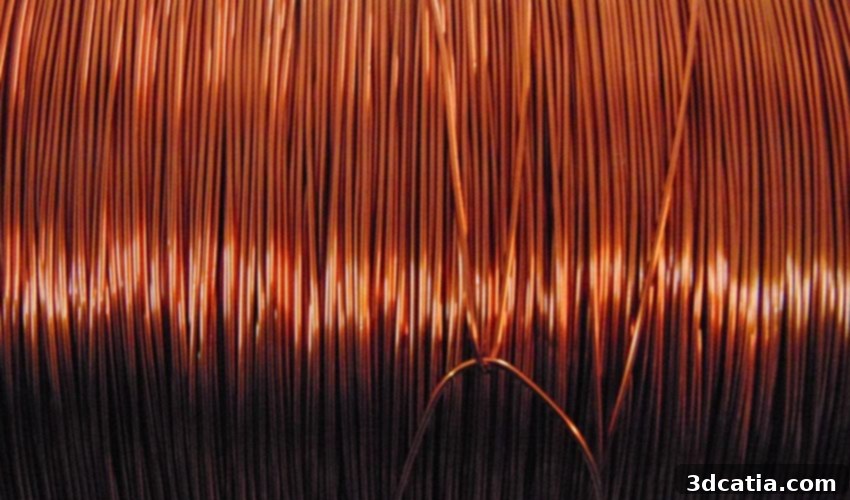
Copper has long been recognized for its potent antimicrobial properties, a phenomenon often referred to as the “oligodynamic effect.” This inherent ability to kill bacteria, yeasts, and viruses upon contact makes it an ideal candidate for self-sanitizing surfaces. When microorganisms come into contact with copper, the copper ions disrupt their cellular integrity. These ions penetrate the cell membrane, damaging vital proteins and enzymes necessary for cellular respiration and metabolic functions. Crucially, copper ions also interfere with the pathogen’s genetic material (DNA and RNA), leading to its rapid destruction and rendering the pathogen inactive and unable to replicate. This makes copper a formidable barrier against contamination, capable of eradicating a broad spectrum of harmful pathogens quickly and effectively, unlike inert materials that merely provide a surface for microbial accumulation.
SPEE3D’s Innovative 3D Printing Technology for Copper Coating
SPEE3D’s unique approach involves modifying their existing cold spray 3D printers with sophisticated new algorithms. This enhancement enables the precise and rapid coating of existing metal parts with a layer of antimicrobial copper. Traditional methods for producing complex copper parts or applying copper coatings can be challenging, time-consuming, and expensive. This is where SPEE3D’s additive manufacturing solution shines. Their cold spray technology works by accelerating metal powders to supersonic speeds and consolidating them onto a substrate, forming a dense, metallic layer without melting the material. This process is particularly advantageous for copper, as it preserves the metal’s inherent antimicrobial properties and allows for application onto a wide range of existing metallic objects, including complex geometries that would be difficult to coat otherwise. The speed and affordability of this 3D printing technique position it as perhaps the most viable tool for rapidly deploying copper-based antimicrobial solutions on a global scale. The SPEE3D team demonstrated this efficiency by successfully coating a stainless-steel door touch plate and other high-contact handles in an astonishingly short five minutes, highlighting the profound practical implications for immediate public health interventions.
Validated Efficacy: Laboratory Test Results and Impact
The efficacy of SPEE3D’s antimicrobial copper coating was rigorously verified through independent laboratory testing, yielding highly encouraging results. The studies confirmed that 96% of the SARS-CoV-2 virus was deactivated on the copper-coated surfaces within just two hours. This impressive viral reduction continued to escalate, with 99.2% of the virus being killed within five hours. In stark contrast, stainless steel – a material commonly utilized in hygiene-sensitive environments due to its perceived cleanliness and durability – exhibited no significant reduction in viral load over the same time frames. This compelling data underscores the superior protective qualities of copper when applied through SPEE3D’s advanced 3D printing process. With these robust laboratory tests complete, the potential for widespread adoption of this solution is immense. Industries and institutions where surface contamination is a constant concern, such as the medical sector, hospitals, schools, public transportation hubs, retail spaces, and other communal areas, can immensely benefit. The ability to apply this virucidal coating to high-touch surfaces like door handles, handrails, light switches, and touch plates represents a paradigm shift in environmental infection control, offering a passive yet highly active defense mechanism against pathogenic spread.
Rapid Deployment and Global Collaborative Initiatives
A significant advantage of SPEE3D’s method lies in its remarkable deployability. Once the digital print files for coating specific parts were developed, they could be instantaneously transmitted to participating partners across the globe. This enabled the simultaneous installation of these newly copper-coated parts in diverse locations, including buildings in the USA, Asia, and Australia. This global collaboration underscores the universal applicability and urgent need for such technologies. Among the key partners in this vital project is the University of Delaware in the United States, which played a crucial role in testing and implementation. The Assistant Director of Digital Design and Additive Manufacturing at the university articulated the collaborative spirit and urgency: “We recognised the importance of developing simple, yet highly impactful, solutions that have been proven effective on COVID-19. Recognising supply chain shortfalls over the last couple of months, it was clear to this team that fabrication speed was a priority. Using this technology, we are able to rapidly transition safe options for high-touch surfaces.” This statement highlights the collective understanding of the need for speed, simplicity, and proven effectiveness in tackling public health crises, capabilities that SPEE3D’s technology perfectly embodies.
Beyond the Pandemic: Future Implications and Broader Applications
While initially developed in response to the COVID-19 pandemic, the implications of SPEE3D’s antimicrobial copper coating extend far beyond the current health crisis. This innovative solution offers a sustainable and proactive measure for general infection control, capable of mitigating the spread of various bacteria, yeasts, and viruses in perpetuity. Imagine public transport systems where bus poles and train handles are self-sanitizing, or retail environments where shopping cart handles and checkout touchscreens actively kill germs. The technology holds immense promise for food processing facilities, public restrooms, gyms, educational institutions, and even residential homes, fundamentally transforming how we approach hygiene in shared spaces. By reducing the reliance on chemical disinfectants and manual cleaning schedules, this passive antimicrobial defense not only saves resources but also minimizes human error in cleaning protocols, offering a consistent and reliable layer of protection. Furthermore, it positions advanced additive manufacturing as a cornerstone for future pandemic preparedness, providing governments and healthcare systems with a powerful tool to rapidly upgrade infrastructure in times of crisis, ensuring resilient and safer communities.
Additive Manufacturing: A Catalyst for Healthcare Innovation
SPEE3D’s breakthrough is a testament to the transformative potential of additive manufacturing in addressing pressing global challenges, particularly within the healthcare sector. The agility and precision inherent in 3D printing have allowed companies to pivot rapidly and contribute innovative solutions during the pandemic. Beyond antimicrobial surfaces, the broader 3D printing community has demonstrated its resilience and capability by stepping up to fill critical supply chain gaps. From quickly designing and producing personal protective equipment (PPE) like face shields and masks, to engineering complex components for life-saving ventilators, additive manufacturing has proven its invaluable role in crisis response. These efforts collectively underscore the technology’s ability to move beyond prototyping into critical production, offering bespoke, on-demand, and localized manufacturing capabilities that are essential for rapid response and innovation in public health. This collaboration between advanced manufacturing and medical science heralds a new era of proactive and responsive healthcare solutions, with SPEE3D leading the charge in developing smarter, self-sanitizing environments.
The innovative application of 3D printed antimicrobial copper by SPEE3D marks a pivotal advancement in combating viral transmission on surfaces, offering a high-speed, cost-effective, and scientifically validated solution. As we continue to navigate global health challenges, such ingenuity in manufacturing will be crucial for creating safer environments for everyone. You can delve deeper into other impactful initiatives within the 3D printing sector HERE, and explore more about SPEE3D’s groundbreaking project directly on their website HERE. We invite your thoughts: what do you envision for the future of 3D printing with copper in fighting pathogens on surfaces? Share your comments below or connect with us on our Facebook and Twitter pages! Don’t miss out on the latest advancements – sign up for our free weekly Newsletter to receive all the crucial news in 3D printing delivered straight to your inbox!