
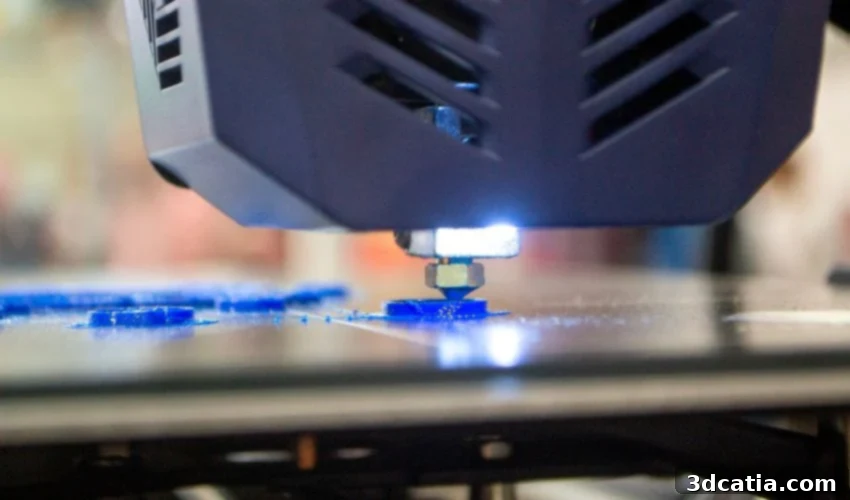
Additive Manufacturing in 2025: Navigating Challenges and Embracing Growth in the 3D Printing Market
The year 2024 cast a long shadow of uncertainty over the additive manufacturing (AM) industry. Characterized by a series of unsettling events—including company firings, significant bankruptcies, and the fallout from failed mergers—the prevailing sentiment across the 3D printing market was far from optimistic. Many observers wondered if the sector was heading for a prolonged downturn. However, as we transition into 2025, a palpable shift in mood is emerging, signaling potential bright spots and renewed hope for the future of additive manufacturing.
This cautious optimism first became evident towards the close of last year. At Formnext, a leading industry exhibition, a distinct sense of vibrancy and opportunity replaced the somber atmosphere of previous events. Industry leaders and innovators spoke openly about the vast potential and emerging applications for additive manufacturing, suggesting a turning point. While a healthy skepticism remains — particularly given past experiences with market bubbles and the persistent turbulence witnessed throughout 2024 — it is undeniable that compelling signs of a positive trajectory are now appearing on the horizon. The question then becomes: what is the true current state of the additive manufacturing sector, and what can we realistically expect for 2025?
To gain a clearer perspective on the future of 3D printing, let’s delve into the key indicators and trends shaping the market outlook for 2025, exploring both the enduring challenges and the promising opportunities that lie ahead for industrial additive manufacturing.
Glimmers of Hope: Positive Trends Fueling Additive Manufacturing Growth in 2025
Reflecting on the previous year’s #3DOpinion, the message was deliberately nuanced: while the situation wasn’t as dire as some believed, a clear slowdown in market momentum was evident. However, 2025 began with a more encouraging outlook, despite a continuous stream of mixed news since January. Several factors contribute to this renewed sense of promise for the additive manufacturing market, suggesting a potential rebound for the 3D printing industry.
Market Resilience and Growth Projections
One of the most compelling indications of this positive shift comes from a comprehensive report released by CONTEXT at the start of the year. This report not only underscored the pessimistic performance of 2024 but also provided crucial insights into the path forward. It particularly highlighted a significant downturn in industrial solutions, encompassing both metal and polymer 3D printing, which experienced an approximate 25% decrease in sales during Q3 compared to the previous year. Even segments that had previously shown robust growth, such as desktop 3D printing solutions, faced an overall decline, notably in China, which had historically been a primary driver of growth in the additive manufacturing space.
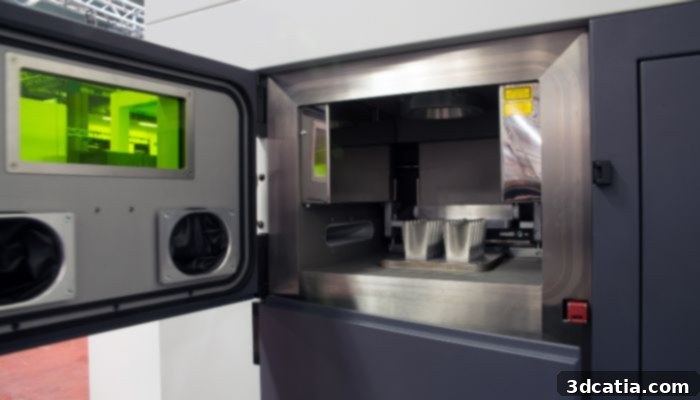
The fate of industrial 3D printing has been a major concern after a weaker 2024, but signs of recovery are emerging.
Despite the challenging data from 2024, the CONTEXT report concluded on a decidedly optimistic note. It projected an impressive full-year growth of 14% in industrial 3D printer system shipments, a 12% increase in midrange shipments, and a 6% rise for professional systems. This upward trend is anticipated to continue, with expectations of double-digit growth extending into 2026. Such forecasts offer a significant sense of relief and renewed confidence for many stakeholders within the additive manufacturing industry, indicating that the foundational demand for 3D printing technology remains strong despite temporary setbacks. This projected resilience underlines the ongoing maturation of the market, moving beyond early adoption to more consistent, application-driven demand.
Strategic Investments Fueling Confidence
Further bolstering this emerging hope was significant news from early February concerning Stratasys, a venerable name in 3D printing. The company announced it would receive a substantial $120 million investment from Fortissimo Capital, via the acquisition of approximately 14% of its issued and outstanding ordinary shares. This development is more than just a financial transaction; it’s a powerful statement of belief in the future of additive manufacturing and a strong vote of confidence from the investment community.
Stratasys, despite its prominent position as one of the largest companies in the 3D printing sector, experienced considerable turbulence over the past year. The widely reported layoffs, combined with the high-profile failure of its merger with Desktop Metal, created ripples of anxiety throughout the entire industry. If a giant like Stratasys could face such struggles, it naturally raised concerns about the stability and viability of smaller players. Therefore, this strategic investment from Fortissimo is profoundly promising. It not only demonstrates sustained investor interest in Stratasys specifically but, more broadly, reaffirms confidence in additive manufacturing as a whole. This influx of capital also helps to alleviate fears previously stirred by the rapid success of companies like Bambu Lab, which, to some, suggested a potential devaluation or diminished importance of industrial 3D printing in favor of more accessible, consumer-oriented solutions. The investment underscores the continued value and strategic importance placed on established industrial AM players, signaling a robust long-term outlook for professional applications.

Stratasys has shown resilience with a significant investment, bolstering confidence in the additive manufacturing market.
Global Investment Beyond the Hype
While there are clear signs of recovery and renewed investment in the global additive manufacturing market, it would be overly optimistic to assume a completely smooth sailing. Reports from China, for instance, indicate a notable decrease in 3D printing investments, with a drop of around 50%. This could signal a potential tapering off of interest from what was once a highly trendy topic, possibly being overshadowed by newer technological frontiers such as AI or quantum computing. Another concerning development from the region involves Bambu Lab, the previously celebrated rising star, which has recently found itself embroiled in significant controversy. The company appears to have fallen victim to China’s more relaxed patent laws, a long-standing challenge for many Western 3D printing companies. Ironically, in its efforts to tighten its own intellectual property protections, Bambu Lab has inadvertently alienated a segment of the very maker community that was instrumental in its ascent. Furthermore, numerous copycat products have rapidly entered the market, with many consumers eager to acquire them, prioritizing convenience and low price while still perceiving adequate innovation. This complex situation highlights the delicate balance between innovation, protection, and market accessibility in the fast-evolving 3D printing landscape, particularly within the consumer and prosumer segments.
However, parallel to these challenges, other regions are demonstrating sustained commitment to additive manufacturing. We’ve observed continued investment in companies such as American Sintavia, a specialist in advanced metal additive manufacturing for aerospace and defense, and Japanese Interstellar Tech, a pioneer in space-related applications. Universities globally also remain deeply engaged, consistently showing strong interest in AM through robust research and development initiatives, fostering the next generation of AM talent and pushing technological boundaries. Further affirming the sector’s durability, American financial services firm Cantor Fitzgerald conveyed a “cautious but optimistic” outlook for additive manufacturing, specifically highlighting Materialise for its remarkable resilience and a 35% trading gain over six months. These diverse instances of investment and sustained interest, while perhaps individually modest, collectively represent powerful indicators of the market’s underlying strength and its capacity for long-term growth. They suggest that the additive manufacturing industry is building a stable foundation, moving past speculative hype towards sustainable, application-driven expansion. These measured steps are often more enduring than rapid, unchecked surges that lack solid ground, reinforcing the idea of steady progress over dramatic, potentially unsustainable leaps, which is crucial for the long-term health of the AM market.
Navigating Headwinds: Challenges and Uncertainties in the 3D Printing Market
Despite the positive momentum, the additive manufacturing sector must also contend with a certain degree of global uncertainty, primarily driven by economic turbulence and shifting geopolitical landscapes, including a new governmental administration in the United States. These external factors possess the potential to exert a broad negative impact on the industry, reminiscent of the widespread disruptions experienced across numerous sectors during the COVID-19 pandemic. Understanding these challenges is crucial for a realistic assessment of the 3D printing market outlook for 2025, ensuring that strategies are robust enough to withstand potential shocks.
Geopolitical Tensions and Trade Policies
One of the most significant sources of concern stems from the persistent threat of tariff wars and unpredictable trade policies. Early February 2025 saw former President Trump announce proposed tariffs on goods from Canada, Mexico, and China, reigniting fears of trade protectionism. This situation was further complicated by the US Postal Service’s (USPS) temporary announcement that it would cease receiving packages from China. Although this specific decision was reversed within 12 hours, its initial impact on the 3D printing community, especially among makers, was substantial.
The popularity of affordable desktop 3D printers, often sourced from China, has surged dramatically over the past year. Consequently, a long-term ban by the USPS, which serves 98% of the U.S. population, would have had a profound and immediate effect on access to these products and their associated components. Even the swift reversal of the decision does not entirely dissipate the unease, as it highlights the potential for similar, sudden policy shifts in the future. The demonstrated willingness of the administration to engage in aggressive trade actions suggests that such disruptions remain a tangible risk for global supply chains in the additive manufacturing sector. This unpredictable political climate forces companies to consider strategies for mitigating risks associated with international trade and market access, potentially leading to a re-evaluation of global manufacturing footprints.
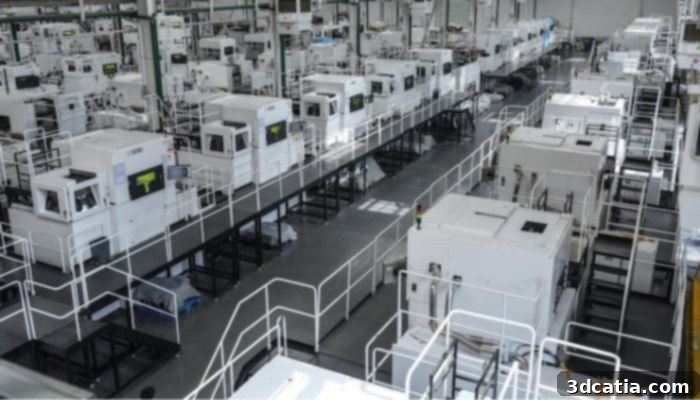
Geopolitical and trade policies continue to influence the accessibility and future of 3D printers and additive manufacturing products from key regions like China.
Supply Chain Resilience and Domestic Production
While the threat of tariff wars undoubtedly creates strain, particularly on the highly price-sensitive maker community, it also presents a potential catalyst for strategic recalibration within the 3D printing industry. This period of uncertainty might encourage some companies to accelerate investment in domestic or localized production of affordable desktop 3D printing solutions. Indeed, many enterprises are likely already exploring such avenues to build more resilient supply chains and reduce reliance on potentially unstable international trade routes. Furthermore, these trade pressures could motivate Chinese manufacturers to establish stronger operational presences or proxy distribution centers in the United States and Europe, ensuring market access even if protectionist policies escalate. This move towards diversified manufacturing and distribution networks would enhance the robustness of the global additive manufacturing ecosystem, fostering a more secure and adaptable future for 3D printing.
Beyond the desktop market, numerous industrial sectors continue to demonstrate clear and increasing interest in sophisticated additive manufacturing machines and solutions. For instance, following a 2024 report that predicted a significant increase in the Department of Defense’s spending on additive manufacturing, a flurry of subsequent reports from the American military sector has confirmed this trend. This strategic focus on AM in defense highlights its critical role in enhancing supply chain security, accelerating prototyping, and enabling on-demand parts production, especially for complex and mission-critical components. Such investment reflects a long-term commitment to leveraging AM for national security and technological advantage.
Sector-Specific Adoption: Driving Industrial AM Forward
The robust interest in additive manufacturing extends beyond defense, reflecting more broadly across the aerospace sector and in groundbreaking medical innovations. These key industries are not merely adopting 3D printing; they are integrating it deeply into their core operations, viewing it as a transformative technology crucial for competitive advantage and solving complex engineering challenges. This strategic uptake is a primary driver for the sustained growth and evolution of industrial 3D printing.
Defense, Aerospace, and Medical: Key Growth Catalysts
In the aerospace sector, additive manufacturing is revolutionizing how components are designed and manufactured, leading to lighter, stronger, and more fuel-efficient parts. The ability to produce complex geometries that are impossible with traditional manufacturing methods allows for optimized designs that enhance performance and reduce material waste, directly contributing to advancements in aircraft and spacecraft efficiency. Similarly, the medical field, buoyed by both private and governmental investment, has truly embraced the disruptive potential of 3D printing. From patient-specific implants and prosthetics that offer unprecedented levels of customization and comfort, to advanced surgical guides that improve precision, and even bioprinted tissues for regenerative medicine, AM is finding new ways to personalize patient care and improve health outcomes. These applications showcase how 3D printing is not just an incremental improvement but a fundamental shift in traditional medical practices, finding innovative solutions for patient healing and recovery across a vast spectrum of needs.
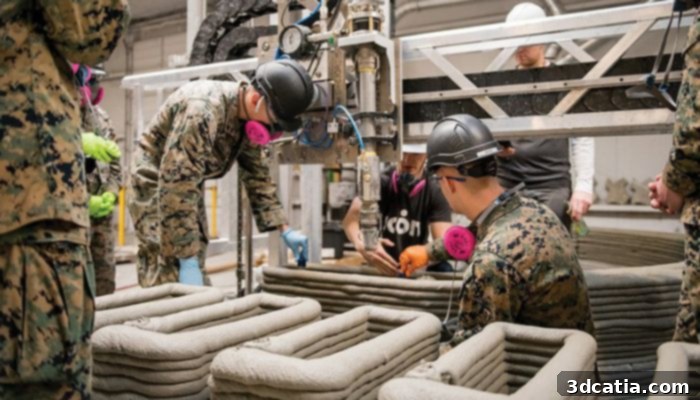
The defense sector has been a steadfast adopter of additive manufacturing throughout 2024, a trend strongly anticipated to continue in 2025, emphasizing innovation and security.
For companies grappling with market volatility, focusing on developing solutions tailored to these high-growth sectors could prove to be a sensible and strategic move forward. The specialized requirements and high value-add applications in defense, aerospace, and medical provide stable demand and opportunities for premium offerings, offering a pathway for struggling firms to regain footing and achieve sustainable growth. The consistent adoption rates within these industries underscore the tangible benefits and proven utility of additive manufacturing when applied to critical, high-stakes applications, demonstrating a clear return on investment and long-term viability.
The Role of Innovation and Application-Focused Strategies
The future success of the additive manufacturing market hinges significantly on continued innovation and a sharp focus on real-world applications. Moving beyond the initial hype, the industry is maturing, with companies increasingly prioritizing problem-solving through advanced 3D printing techniques. This application-driven approach ensures that new developments are directly aligned with industrial needs, whether it’s developing novel materials for extreme environments, refining post-processing techniques for enhanced surface finishes, or integrating AI and machine learning for optimized print processes. By consistently demonstrating tangible value and efficiency gains, the additive manufacturing sector can solidify its position as an indispensable technology across diverse industries, fostering sustained growth and investor confidence. This strategic shift is vital for carving out stable, profitable niches in the evolving 3D printing landscape.
The Road Ahead: Cautious Optimism for the AM Market in 2025
So, where does this leave the additive manufacturing market as we look towards 2025? It might seem like a non-committal answer to simply say “yes and no” to the question of whether we should be hopeful. However, the reality is a nuanced one. While the market faces undeniable challenges, there are distinct bright spots on the horizon, suggesting a path towards recovery and sustained growth. The overriding sentiment should be one of cautious optimism, a pragmatic approach essential in an industry that has seen both meteoric rises and sobering corrections.
Balancing Hype and Reality
Prudence is always advisable, particularly as the additive manufacturing industry continues to grapple with the ramifications of past instances where over-promising led to under-delivery. The lessons learned from previous cycles, where inflated expectations overshadowed practical capabilities, are crucial. This has led to a more grounded perspective within the industry, prioritizing tangible results over speculative forecasts. However, a significant and positive shift is underway: companies are increasingly focusing their efforts on specific, proven applications rather than broad, speculative claims. This application-centric approach is proving to be a robust driver of growth, ensuring that technological advancements are directly tied to tangible industrial benefits and user needs. As this trend deepens, prioritizing reliability, repeatability, and cost-effectiveness, we can expect to see more stable and consistent expansion within the 3D printing market, building a foundation for sustainable long-term success.
Asia’s Enduring Influence and the AI Interplay
All eyes will continue to be on Asia, particularly China, regarding investment trends and manufacturing prowess within the additive manufacturing landscape. It remains to be seen whether the accelerating growth of new transformative technologies like Artificial Intelligence (AI) will overshadow additive manufacturing, or whether they will converge, creating a stronger, more dynamic market for both. Personally, the latter scenario—where AI and AM collaborate to unlock unprecedented capabilities in design, optimization, and automation—seems more probable, although its full realization may take some time. The synergy between AI’s optimization capabilities and AM’s manufacturing flexibility promises to revolutionize everything from design to production workflows, driving efficiency and innovation. In the interim, the additive manufacturing market is expected to hold steady, continuing its deliberate pace. Perhaps the industry and its stakeholders should adopt the mantra of the tortoise and the hare for their expectations this year: slow and steady progress ultimately wins the race, building enduring value over time.
For 3Dnatives, our commitment to tracking these developments takes us to Asia for the first time this year. We have observed firsthand the profound impact Chinese manufacturers are making on the global 3D printing landscape. Even amidst reports of reduced investment in certain areas, it appears that China remains a pivotal country to watch for significant additive manufacturing growth and innovation, particularly as it continues to expand its domestic market and influence global supply chains. It will undoubtedly be fascinating to witness what 2025 brings for the broader additive manufacturing sector and how these dynamic forces continue to shape its future, underscoring the necessity for continuous monitoring and strategic adaptation.
The views and opinions expressed in #3DOpinion are those of the authors and do not necessarily reflect the official policy or position of 3Dnatives. Any content provided by our authors are of their opinion and are not intended to malign any religion, ethnic group, club, organization, company, individual or anyone or anything.
Do you believe there is significant hope for the additive manufacturing market in 2025? Or do you lean towards a more cautious outlook? Share your thoughts and insights in a comment below, or connect with us on our LinkedIn, Facebook, and Twitter pages! Don’t miss out on the latest 3D printing news—sign up for our free weekly Newsletter here, delivered straight to your inbox!