
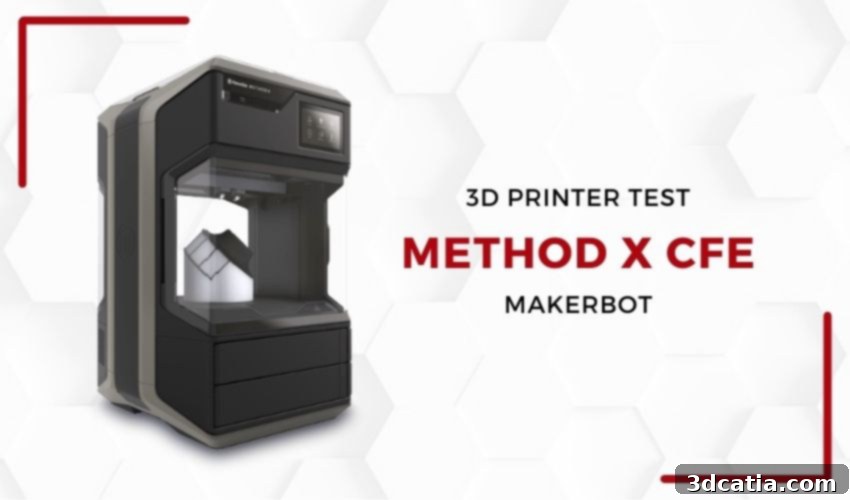
MakerBot Method X CFE Review: Unlocking Professional Carbon Fiber 3D Printing
Since its inception in 2009, MakerBot has been recognized as a pioneering force in desktop 3D printing. Operating as an independent subsidiary of Stratasys since 2013, the company has consistently pushed the boundaries of additive manufacturing. With the introduction of its Method series, MakerBot unveiled its sixth generation of 3D printers, designed to redefine professional desktop FDM (Fused Deposition Modeling) capabilities. These machines are the culmination of an impressive 220,000 hours of rigorous test printing and incorporate over 30 patents, reaffirming MakerBot’s position at the forefront of the industry. The Method series, comprising models like the Method, Method CFE, Method X, and Method X CFE, represents a complete overhaul of MakerBot’s professional-grade FDM 3D printer lineup, catering specifically to demanding engineering and manufacturing applications.
The Method series distinguishes itself with several advanced features crucial for professional use. A fully enclosed and actively heated build chamber ensures optimal printing conditions for a wide range of engineering-grade materials, mitigating common issues like warping and delamination. These printers offer a generous maximum build volume of 19 x 19 x 19.6 cm, providing ample space for prototyping and functional part production. Equipped with dual performance extruders, the devices are capable of depositing layers with an impressive minimum thickness of 20 microns, enabling highly detailed and precise prints. Furthermore, these extruders can operate at speeds of up to 500 mm/s, significantly reducing print times. Designed with a Plug&Play philosophy, the Method series boasts extruders that can be swapped out in mere seconds, enhancing versatility and minimizing downtime. The CFE (Carbon Fiber Edition) versions, as their name suggests, are specifically engineered to print robust and lightweight parts using carbon fiber reinforced nylon filament, making them ideal for high-performance applications. The 3Dnatives Lab had the distinct opportunity to thoroughly test the Method X CFE 3D printer, a formidable machine currently available at a price point of $5,249.25 (€6,247 incl. VAT). In this comprehensive review, we delve into the unique features that set this machine apart, explore its material capabilities, and assess how the Method X CFE stands against other professional 3D printers in today’s competitive market. Discover 3Dnatives’ full analysis of MakerBot’s Method X CFE 3D printer, and for a visual overview, be sure to watch our video review below.
1. Unpacking the MakerBot Method X CFE: A First Look
Our review unit, the Method X CFE 3D printer, arrived accompanied by a separate wash tank, essential for the efficient removal of SR-30 soluble support material. The machine itself was securely housed within a robust outer box. Unpacking was surprisingly straightforward, thanks to four strategically placed clips that allowed for easy removal of the packaging’s top section. Inside, the 3D printer was meticulously protected, enveloped in layers of foam and plastic wrap to shield it from any potential damage or scratches during transit, highlighting MakerBot’s attention to safeguarding their high-value equipment.
Upon opening the packaging, the first items encountered were the essential accessories required for immediate use and subsequent post-processing. These included angled cutting pliers for support removal, a wire brush for cleaning, a set of three extruders specific to the CFE edition, a robust iron steel magnetic build plate designed for easy part adhesion and removal, and a specialized spatula for detaching finished prints. Additionally, our testing kit was generously supplied with a selection of high-quality filaments from 3Ddrucker.de, allowing for a comprehensive evaluation of the printer’s material capabilities. This included a 650g roll of ABS, another 650g roll of ASA, a 450g roll of SR-30 soluble support material, and a 450g roll of the standout carbon fiber reinforced nylon, central to the CFE’s unique offering.
MakerBot’s design philosophy for the Method series represents a significant evolution from its 5th generation of 3D printers. The Method X CFE boasts a striking vertical format, yet it consistently maintains the modern, minimalist aesthetic that defines the manufacturer’s brand identity. With precise dimensions of 437 x 413 x 649 mm, the Method X CFE is a substantial machine, and its considerable weight of 29.5 kg is a testament to its solid metal frame. This robust construction is not merely for durability; it is absolutely crucial for ensuring stability during the printing process, which in turn guarantees consistent and high-quality printing results. While all four models within the Method series share an identical visual design, their operational distinctions lie in the maximum temperature achievable within their respective build chambers and the specific extruders included or compatible with each version, tailoring them to different professional requirements.

Within the Method series, the Method X CFE enables 3D printing of carbon fiber reinforced nylon parts, a key advantage for strong, lightweight components.
A prominent feature of the Method X CFE is its large, relatively transparent cover, which, in conjunction with integrated LED lights, provides an excellent, unobstructed view of the printing process. This allows users to easily monitor print progress and identify any potential issues in real-time. The top section of the front panel conveniently houses the power switch, a practical USB-A port for offline printing, and a large, responsive 5-inch color touchscreen. This touchscreen serves as the primary interface for controlling the printer and monitoring its status. In the lower section of the machine, two intelligently designed material bays are present. These bays securely store the two filament spools – one for the build material and one for the support material – ensuring they are kept in optimal temperature and humidity conditions, which is vital for maintaining filament quality and print consistency, especially with hygroscopic engineering materials. An integrated RFID reader automatically identifies the type and remaining quantity of the inserted filament spool, relaying this crucial information directly to the slicer software. This smart feature streamlines material management, though it currently operates exclusively with original MakerBot materials. Further enhancing its functionality, the Method X CFE incorporates a built-in camera with a resolution of 640 x 480px, enabling users to remotely check the printing progress from anywhere, providing invaluable flexibility and peace of mind.
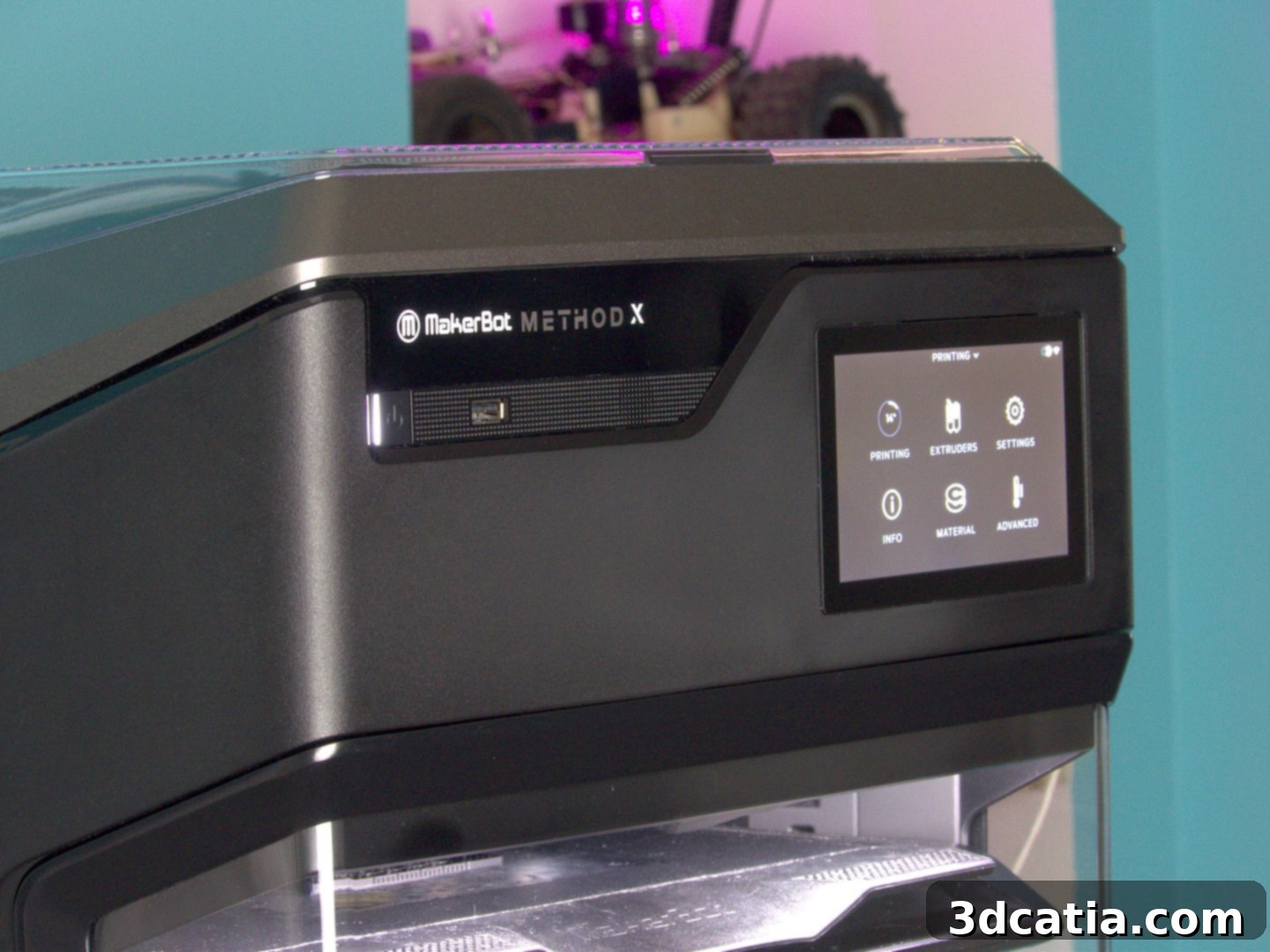
The power switch, USB-A port, and color touchscreen are conveniently located on the top of the Method X front panel for easy access.
2. Installing the MakerBot Method X CFE 3D Printer for Optimal Performance
The installation process for the MakerBot Method X CFE 3D printer is designed for simplicity and efficiency. Once the machine is unpacked and powered on, the intuitive touchscreen guides the user through a series of clear, step-by-step instructions. This streamlined setup typically takes less than 20 minutes from start to finish, allowing users to get their professional 3D printer operational quickly.
The initial phase of installation involves connecting the machine to a stable Wi-Fi network, which is essential for registering the device and enabling cloud connectivity. This registration is facilitated by creating a new MakerBot account or logging into an existing one, a process that is seamlessly integrated and familiar to users of platforms like Thingiverse. Following network setup, the next critical step is the physical installation of the two extruders into their designated slots. Concurrently, the top cover of the 3D printer is positioned, securing the print chamber. The robust steel magnetic build plate is then easily inserted into the Method X CFE’s heated build chamber. Finally, the two filament spools, for both build and support materials, are placed into their respective sealed material bays. Immediately upon insertion, the integrated RFID reader automatically identifies the material type and its current fill quantity, displaying this vital information on the screen, thus preventing errors and ensuring proper material selection for prints.
The overall operation of the MakerBot Method X CFE is remarkably intuitive, and its ease of use during the initial configuration strongly underscores MakerBot’s commitment to user-centric design. This focus on usability ensures that even professionals new to the Method series can quickly adapt to its workflow. However, during our testing, we did encounter some minor responsiveness issues with the touchscreen interface, particularly when entering the Wi-Fi network access details via the on-screen keyboard. While a minor inconvenience, it is a problem that we anticipate will likely be addressed and resolved with future firmware updates, further enhancing the user experience.
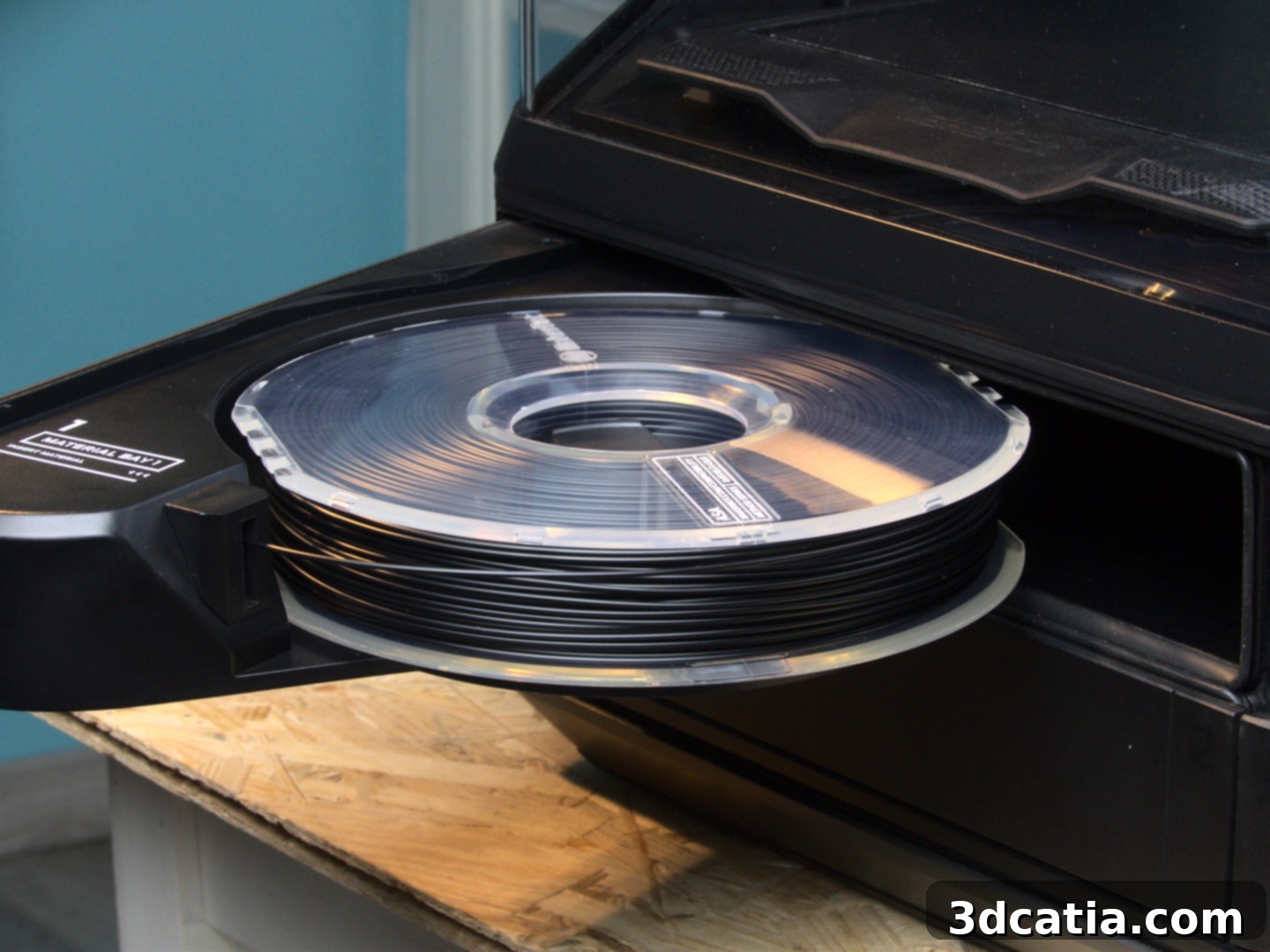
The Method X CFE includes sealed slots for storing two filament spools, maintaining optimal conditions for high-performance materials.
The versatility of the Method X CFE is significantly enhanced by its modular extruder system. Depending on the specific printer model within the Method series, different extruders are included or compatible, such as the Model 1, 2, 1XA, 2XA, 1C, and the LABS Experimental Extruder. For our Method X CFE review unit, the supplied extruders were the Model 1C, Model 2, and Model 2XA. This comprehensive selection enables the printer to process an extensive range of high-performance thermoplastics, including carbon fiber reinforced nylon (a highlight of the CFE edition), robust ABS, weather-resistant ASA, and the engineering-grade PC-ABS, alongside the crucial SR30 soluble support material. This broad material compatibility makes the Method X CFE an incredibly flexible tool for various professional applications, from rapid prototyping to producing functional end-use parts.
During our initial testing, we began by configuring the printer with the Model 1C extruder in the left slot and the Model 2 extruder in the right slot. When we attempted to insert the SR-30 soluble filament, the printer’s integrated RFID chip reader immediately identified the filament. However, it promptly issued a warning, indicating that the currently installed extruder was not compatible with the SR-30 material. This intelligent system prevented a potential printing error. To correctly utilize the SR-30 soluble filament, a specialized material developed by Stratasys for superior support removal, it was necessary to switch to the Model 2XA extruder. This experience highlighted the effectiveness of MakerBot’s smart filament detection and extruder compatibility system, which guides users to ensure optimal material-extruder pairings for successful prints.
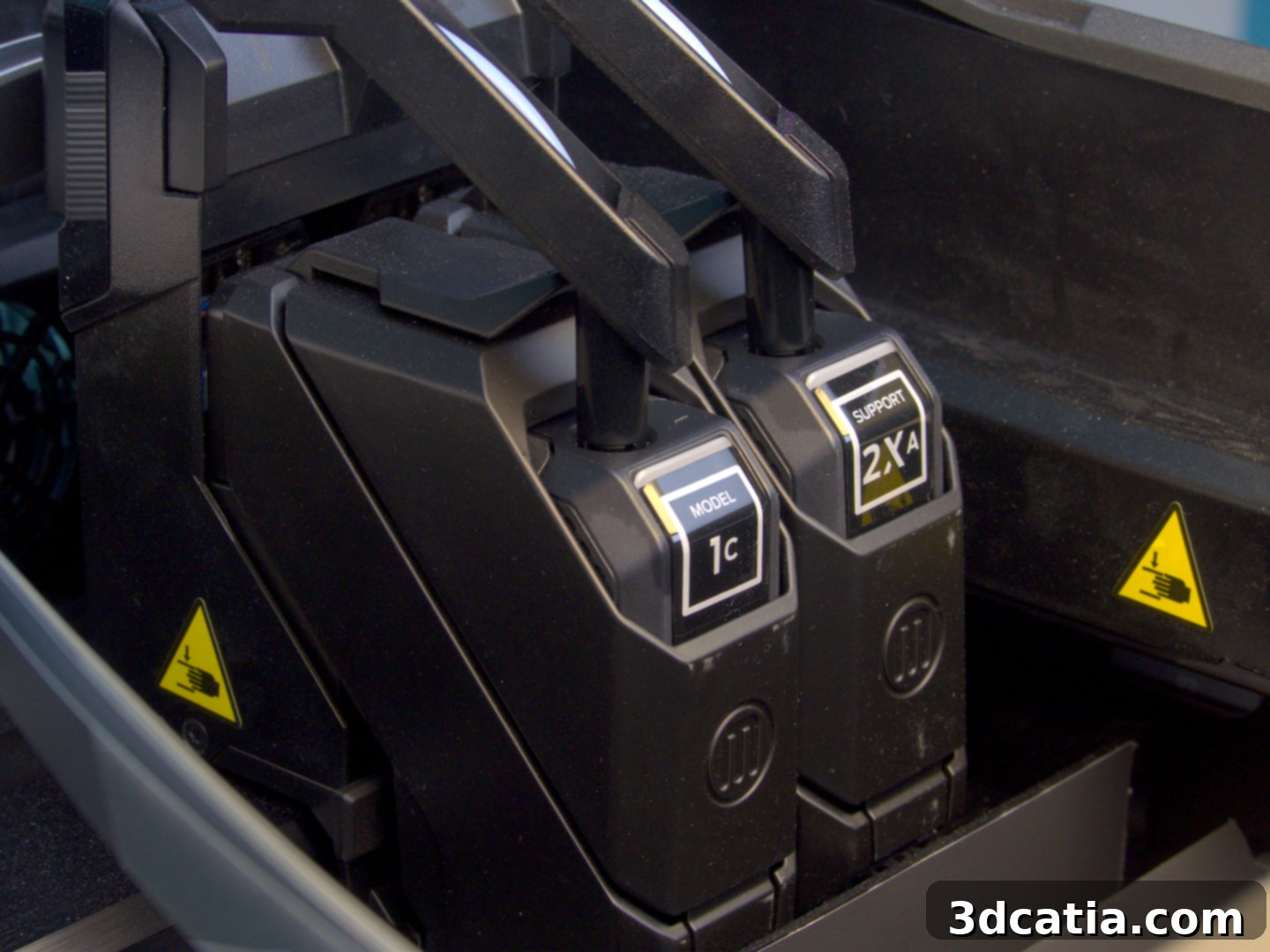
The Method X CFE is equipped with two easily interchangeable extruders, enhancing its versatility for various materials.
The modular extruder system of the Method X truly sets it apart, offering compatibility with an impressive array of thermoplastics. This includes common prototyping materials like PLA and Tough PLA, the widely used ABS, and engineering plastics such as PETG. Beyond these, it excels with more technical and high-performance materials like ASA, nylon, carbon fiber reinforced nylon (the flagship material for the CFE edition), PC-ABS, and even PC-ABS Fire Retardant for specialized applications requiring enhanced safety. Furthermore, the system supports sophisticated soluble support material filaments such as PVA or SR-30, simplifying post-processing for complex geometries. While the machine technically allows for the use of filaments from other manufacturers – a capability unlocked by the optional MakerBot LABS Experimental Extruder, available for €415,- incl. VAT – MakerBot strongly recommends using their original materials. This recommendation stems from the optimized material profiles and RFID integration designed to ensure the highest print quality and reliability. It’s also worth noting that proprietary MakerBot brand spools fit directly into the two integrated, environmentally controlled compartments, whereas third-party filaments can be mounted externally using a self-printable spool holder, offering flexibility while prioritizing ideal storage conditions for MakerBot’s own filaments.
3. MakerBot 3D Printing Software: Streamlined Slicing and Control
For its 3D printing software, MakerBot offers a sophisticated and proprietary slicer, designed to provide a seamless workflow from model to print. This software is available in two convenient formats: a robust desktop version compatible with Windows 7/10 (64-bit) and macOS 10.12+, and a highly flexible web-based version known as CloudPrint. Both versions share a very similar intuitive interface and core functionalities, ensuring a consistent user experience regardless of the platform chosen. However, the CloudPrint version offers several distinct advantages, particularly its direct integration with Thingiverse, which allows users to slice models directly from the platform without the need for prior downloading and manual import. This feature is especially beneficial for users of operating systems like Linux or Chromebook, where a native desktop application might not be available.
The CloudPrint version further extends its utility with additional features that enhance productivity and collaboration. These include significantly faster slicing speeds, regular and automatic updates to its functionalities ensuring access to the latest improvements, and continuous adaptation of material compatibility to support new filaments entering the market. Beyond these technical advantages, CloudPrint also allows users to conveniently view and reprint past print jobs, streamlining repetitive tasks. Critically, it offers powerful collaboration tools, enabling multiple users to work together on a single project, a valuable asset for design teams and educational environments. Both the desktop and CloudPrint versions of the slicer establish a wireless connection to the printer via the cloud. This advanced connectivity empowers users with comprehensive remote control capabilities: they can monitor print progress in real-time, access a live video stream from the camera integrated within the build chamber, and keep track of the printer’s current status. Furthermore, the software provides immediate visibility into which materials are currently installed and their remaining quantities, simplifying material management. Both versions are designed for ease of operation, requiring minimal additional settings for most prints. For situations where internet connectivity is not available, files can also be transferred and printed completely offline via the USB port. Our only minor criticism regarding the software pertains to the print settings: while generally effective, they could benefit from expanded parameters. For instance, options for choosing the material specifically for the first layer, adjusting the total print speed, or defining more first-layer types (currently limited to “Raft” or “Padded Base” with optional “Rims”) would offer greater control and optimization for advanced users.
The touchscreen interface on the Method X CFE, while generally intuitive and easy to navigate, does exhibit some room for improvement in terms of responsiveness. A slight lag in touch detection was occasionally noticed, which could be refined for a smoother user experience. It’s worth noting that the physical power button located on the front of the printer is exclusively used to turn the device on. The process of powering down the printer is handled through the settings menu on the touchscreen. From a practical standpoint, it would likely be more user-friendly and intuitive if the physical button also offered the functionality to power off the device, consolidating control and simplifying operation.
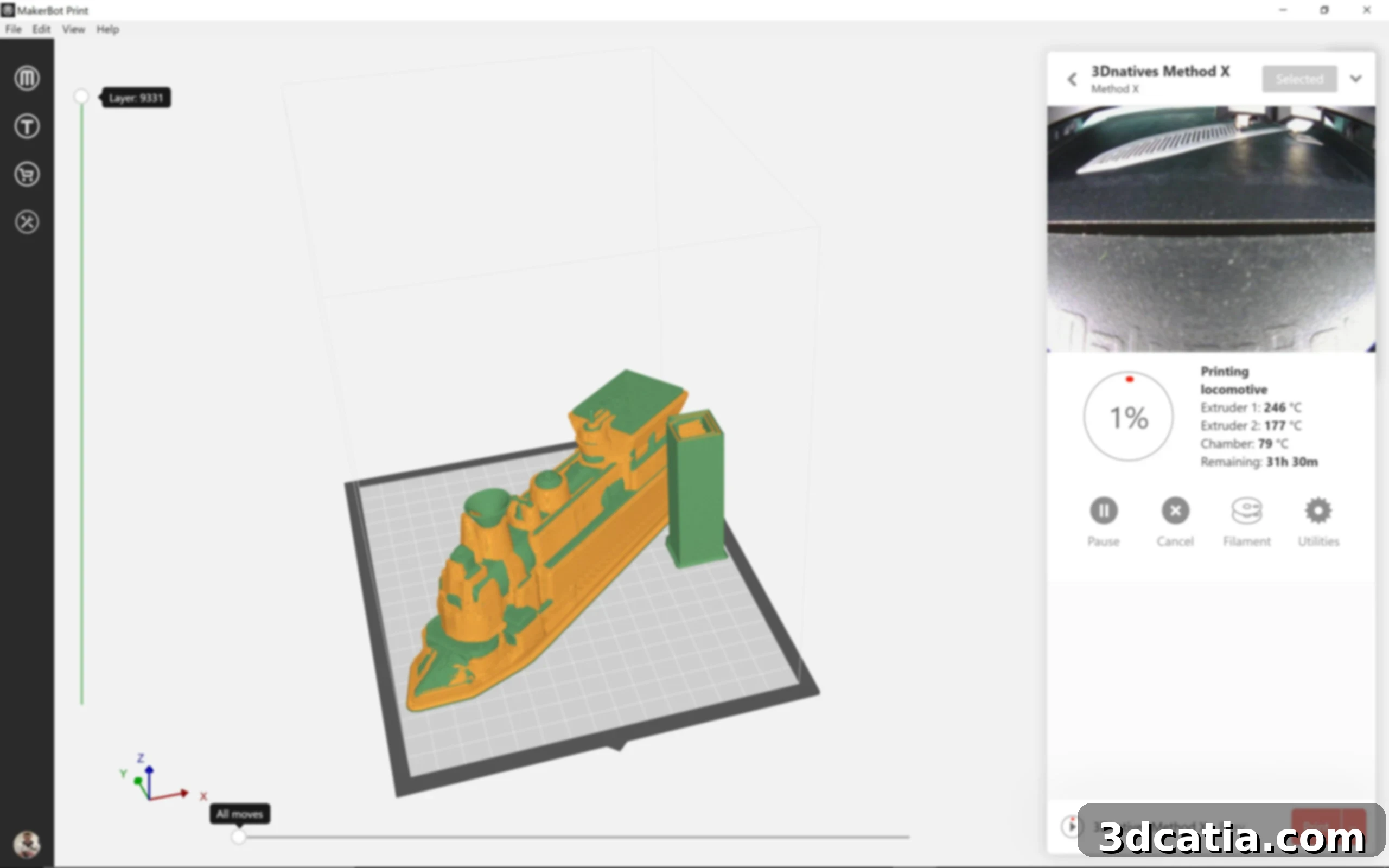
With the MakerBot Print app, users can efficiently slice their 3D models and control the printer remotely via the cloud, enhancing workflow flexibility.
4. First 3D Prints with the Method X CFE: Performance in Practice
For our inaugural print with the Method X CFE, we utilized the supplied ABS filament to produce a functional wrench model from the acclaimed Made in Space project. Post-printing, the flexibility of the magnetic build plate proved invaluable; the wrench detached with remarkable ease after just a few simple movements, requiring no specialized tools. The printed wrench exhibited faithful reproduction of the original design and functioned precisely as expected, a promising start to our evaluation. Following this initial success with ABS, we proceeded to print the universally recognized 3D Benchy, a benchmark model for 3D printer performance, alongside a Kaleidocycle model, specifically chosen for its intricate moving parts to conduct a thorough tolerance test. All these prints were executed without any discernible difficulties, and the observed tolerances were exceptionally good, with all components rotating freely down to a precise value of 0.2 mm, indicating excellent dimensional accuracy.
In our second series of print tests, we challenged the Method X CFE with a finely detailed Statue of Liberty model, which featured numerous intricate elements and significant cantilevered sections. To successfully navigate these complex geometries, we strategically employed the second extruder, enabling the use of SR-30, a sophisticated soluble support material developed by Stratasys. After the printing process was complete, the model was carefully transferred to the washout station (which we also borrowed from 3Ddrucker.de specifically for SR-30 removal). The subsequent cleaning process efficiently dissolved the supports, revealing a faithfully reproduced model devoid of any specific defects, showcasing the printer’s capability with complex supported structures. Next, we attempted to print a detailed locomotive model, characterized by multiple small and complex parts. Unfortunately, this print initially failed twice due to issues with filament adhesion between layers in certain intricate sections, leading to filament clumping around the nozzle. This challenge highlighted the importance of fine-tuning print parameters. Ultimately, by meticulously adjusting settings such as the print speed and retraction speed, we were able to achieve the desired, high-quality result, demonstrating the printer’s potential when optimized for specific geometries.
Transitioning from ABS, our next material of choice was carbon fiber-reinforced nylon (PA-CF), printed using the Model 1C extruder, which is specifically included with this version of the Method X CFE to leverage its unique capabilities. PA-CF is widely regarded as an engineering-grade material, known for its superior strength and stiffness, making it inherently more challenging to print compared to standard thermoplastics. Our task was to produce a suspension bracket for an RC car – a component that critically demands both high strength and rigidity. Given these requirements, PA-CF appeared to be the ideal material choice. Despite its classification as a complex material, the printing process for the suspension bracket was remarkably straightforward, and the final result was exceptionally satisfactory, underscoring the Method X CFE’s proficiency with advanced composite filaments.
Continuing our material exploration, we then tested ASA, a material chemically similar to ABS but renowned for its superior UV resistance, making it suitable for outdoor applications. With ASA, we printed a highly detailed astronaut statuette. Due to the model’s intricate nature and numerous overhangs, it necessitated supports in areas that would be inaccessible for manual removal post-printing. Consequently, SR-30 was again selected as the soluble support material. The print initiated smoothly, however, in the latter half of the printing process, the purge tower unexpectedly detached from the build plate, leading to small pieces of filament adhering to the finished part. Despite this minor setback and the need for some careful post-processing, the overall print result was still deemed satisfactory, showcasing ASA’s print quality.
Our final print test involved a complex, three-part embroidery hoop, consisting of an inner hoop, an outer hoop with a screw, and its corresponding screw thread. We had previously attempted to produce this model on a different printer, but the required tight tolerances were not met, resulting in the screw failing to fit correctly into the thread. With the Method X CFE, we observed the opposite phenomenon: the tolerances were almost “too” good. While the screw fit perfectly into the thread, it was slightly undersized, causing it to slip back under tension. However, this particular issue was ultimately attributed more to the design of the model itself, which did not fully account for such high precision capabilities, rather than a failing of the printer.
Initially, we had planned to conduct standard bridging and overhang torture tests with the Method X CFE. However, these tests typically involve printing unsupported sections to assess a machine’s ability to handle extreme overhangs without supports. Such tests are fundamentally unsuitable for an FDM 3D printer equipped with an actively heated build chamber like the Method X CFE. In such an environment, the consistent high temperature within the print chamber keeps the deposited filament relatively malleable for an extended period. Consequently, it becomes impossible to print significant cantilevered parts, such as a bridge, without the aid of supports. The heated chamber is designed precisely to ensure superior layer adhesion and to effectively reduce or eliminate warping, which are critical for producing mechanically robust and dimensionally accurate parts, particularly with engineering-grade materials. Therefore, while standard bridging tests are not applicable, the heated chamber inherently improves the overall mechanical properties and dimensional precision of the printed components. For parts requiring large overhangs, the Method X CFE’s dual extruder system seamlessly integrates the use of SR-30, the soluble support material specially developed and patented by Stratasys, which is fully compatible with ABS, ASA, and other high-temperature materials.
It would also have been insightful to compare the Method X CFE’s performance with other FDM printers using PLA filament. However, performing such a comparison would have necessitated the use of a MakerBot LABS Experimental Extruder to test with either third-party PLA or MakerBot’s proprietary PLA. Unfortunately, this extruder was not available for our testing period. Given the exceptional results achieved with the more demanding and complex engineering filaments like carbon fiber reinforced nylon, ABS, and ASA, we can confidently infer that the Method X CFE would encounter no difficulties and likely produce outstanding results when printing with PLA.
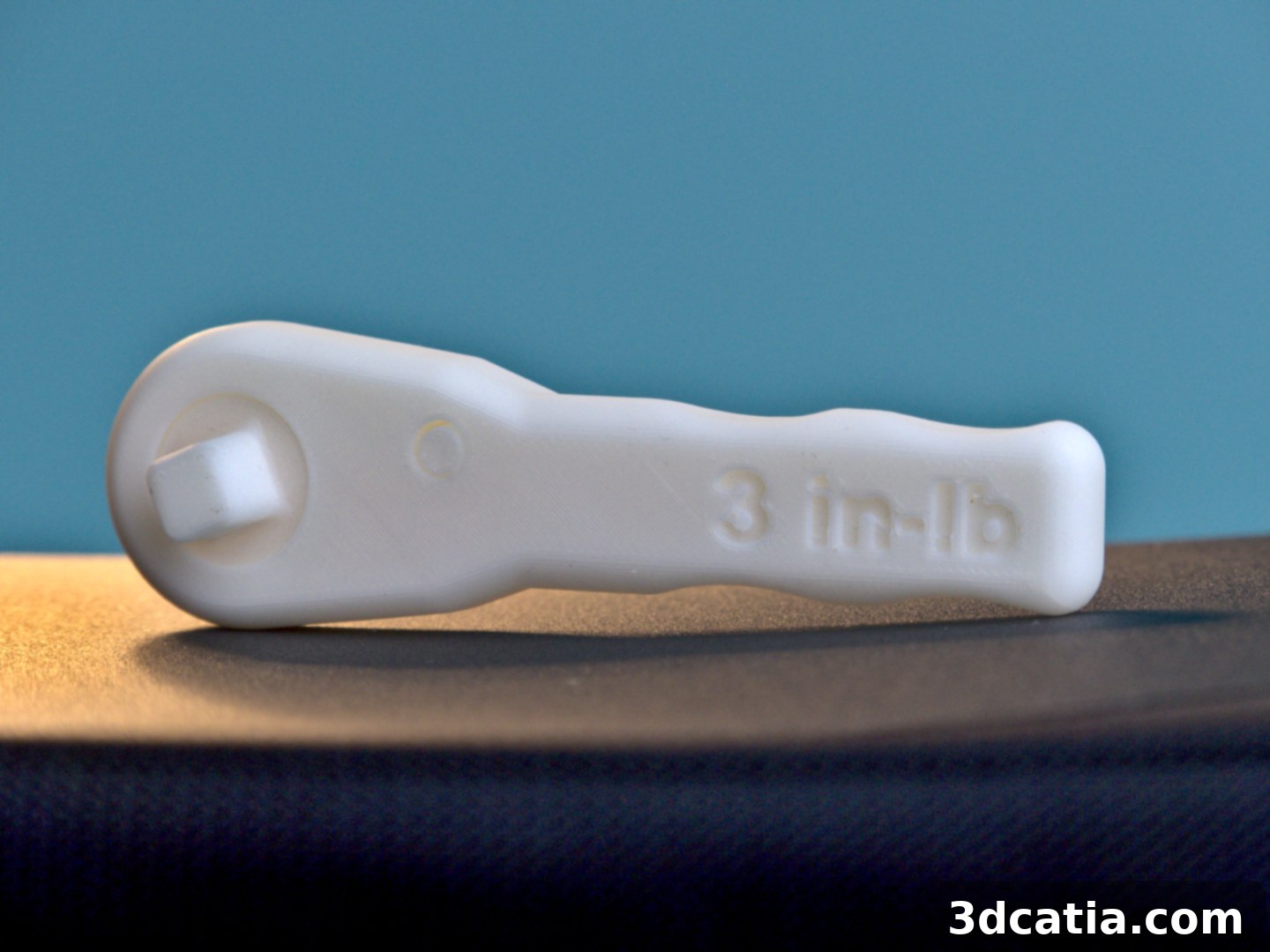
Key model from the Made in Space project, printed with ABS, demonstrating precise functional output.
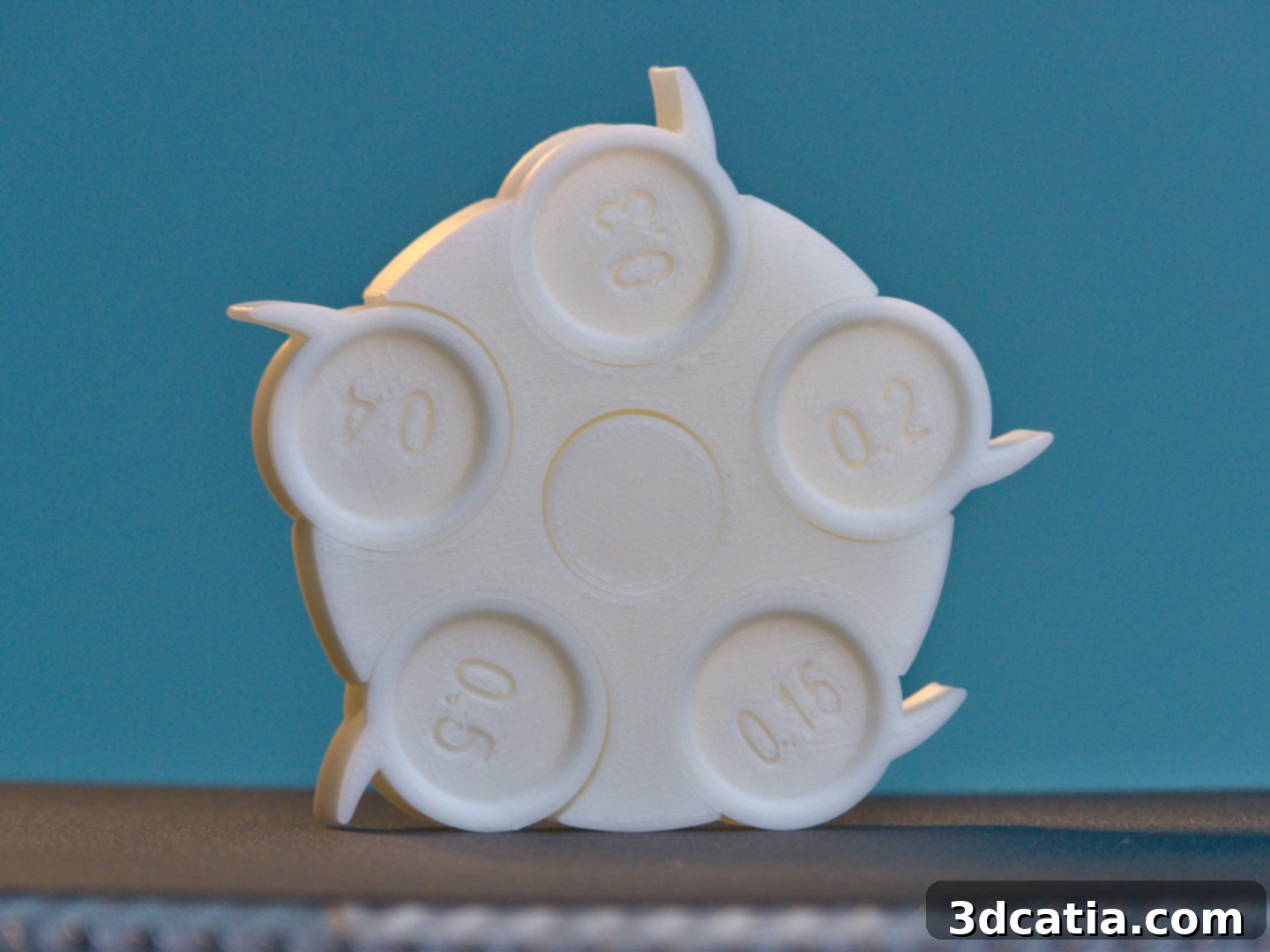
We observe a tolerance of about 0.2 mm on this challenging test model. // Tolerance test by Louis-Simon Guay on MyMiniFactory.
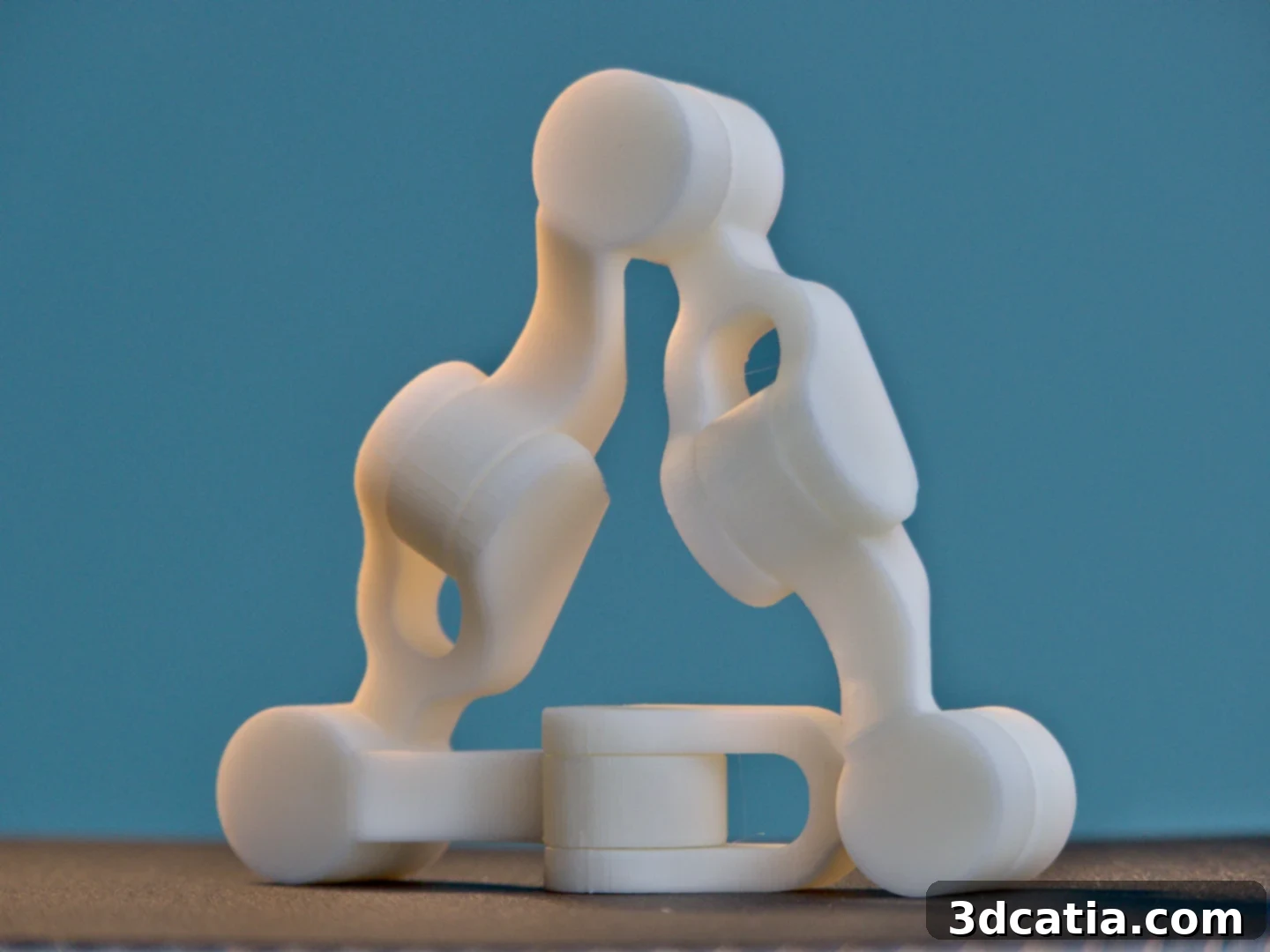
A “Kaleidocycle” printed with ABS, showcasing the Method X CFE’s ability to produce intricate, multi-part models. Model by Enrique Coiras on Thingiverse.
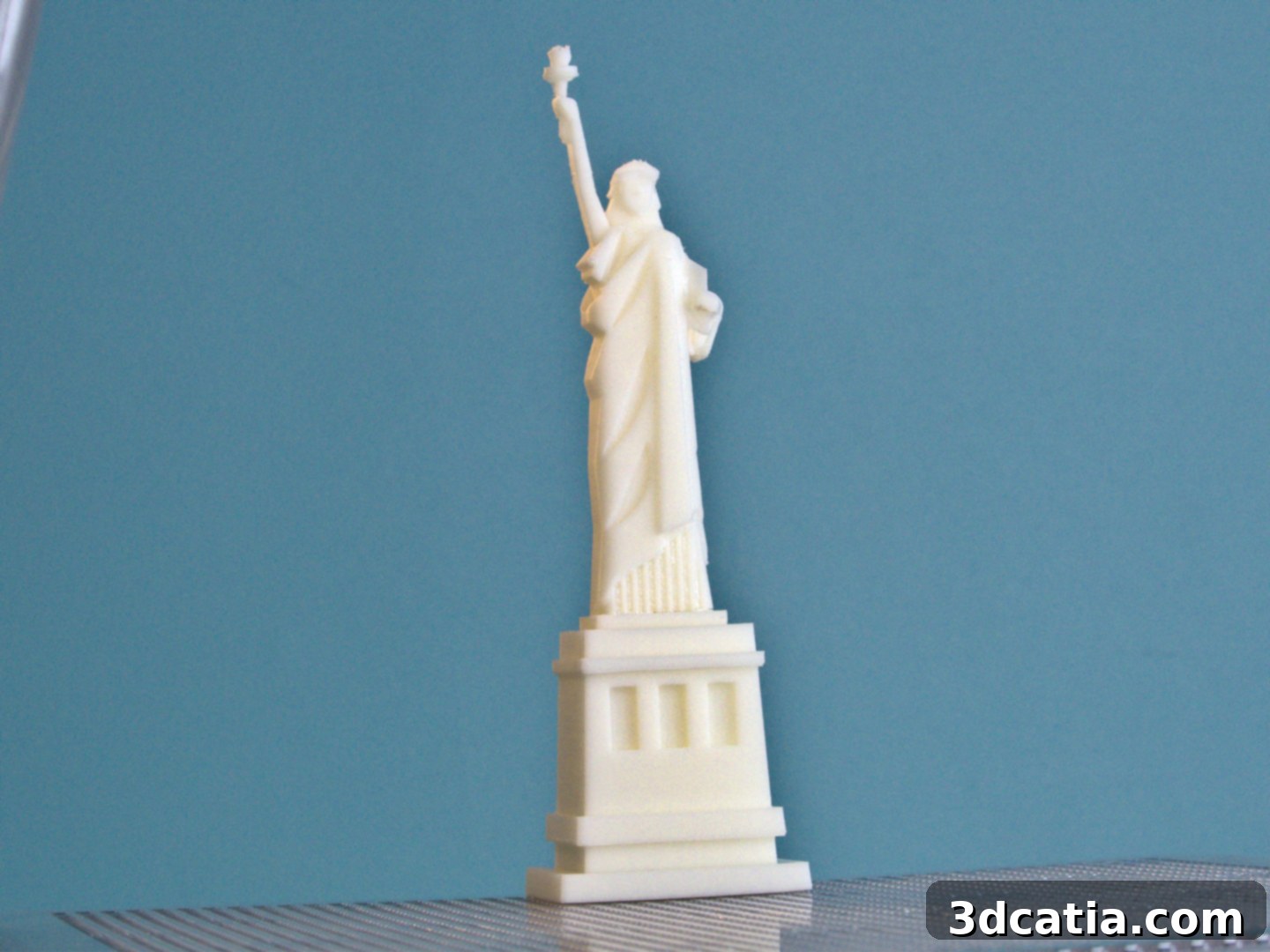
Statue of Liberty modeled by MyMiniWorld, precisely printed with ABS and the easily removable soluble SR-30 support material.
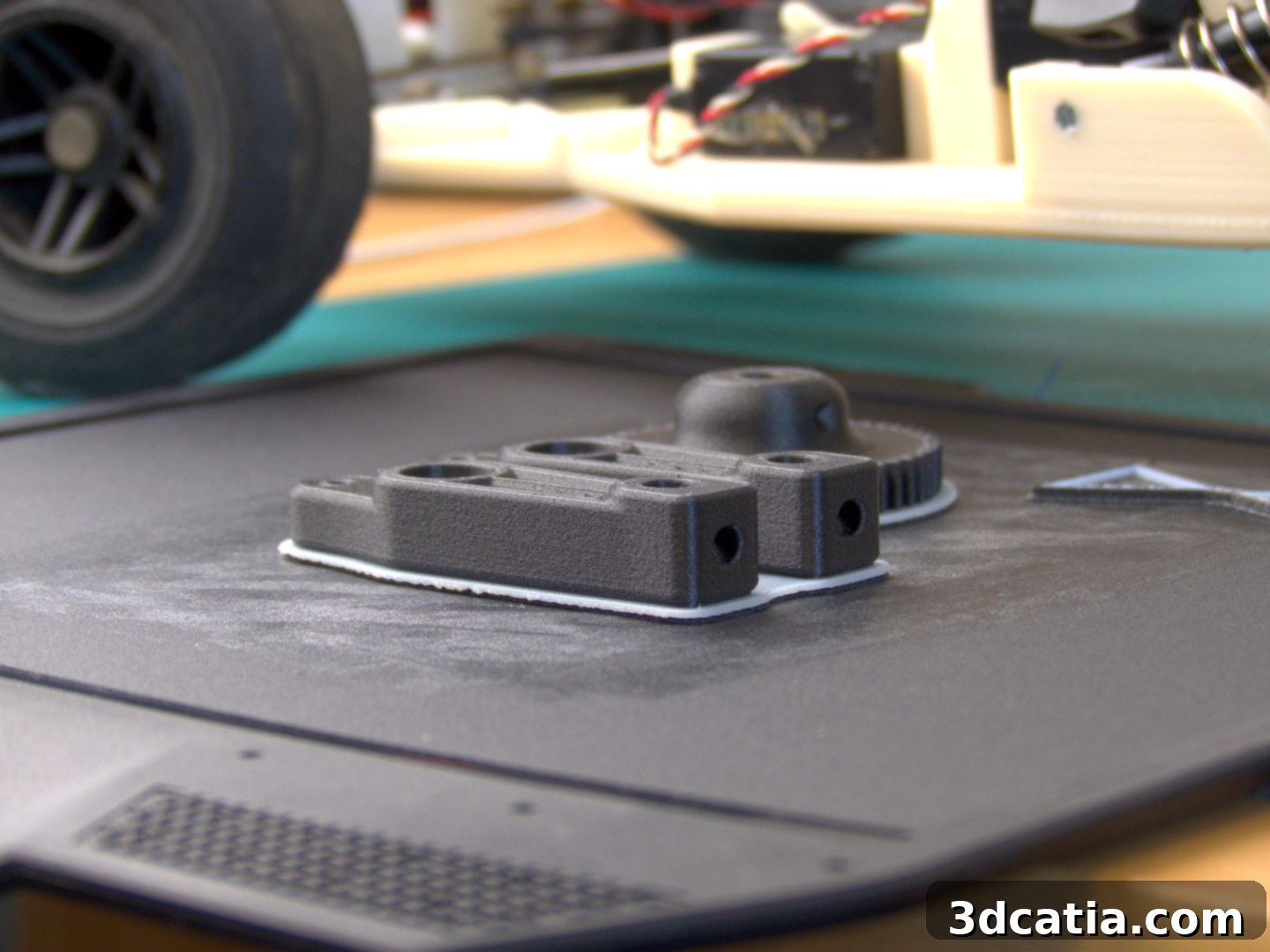
RC car suspension mount printed from Method X with PA-CF (carbon fiber reinforced nylon), demonstrating robust and functional part production.