
The Future of Sustainable Seafood: Unveiling the World’s First 3D Printed Cultivated Fish Filet
Additive manufacturing, commonly known as 3D printing, has rapidly emerged as a transformative force across numerous industries, and its integration into the food sector is proving particularly revolutionary. This innovative technology is fundamentally reshaping how food products are conceived, produced, and tailored to meet the evolving demands and specific preferences of consumers worldwide. A groundbreaking demonstration of this potential comes from the collaborative efforts of Israeli food technology pioneer Steakholder Foods and Singapore-based fish farming innovator Umami Meats. Together, they have achieved a significant milestone by officially producing the world’s first 3D printed fish filet, marking a new era for sustainable and ethical seafood.
The Science Behind Cultivated Fish: From Cells to Sustainable Seafood
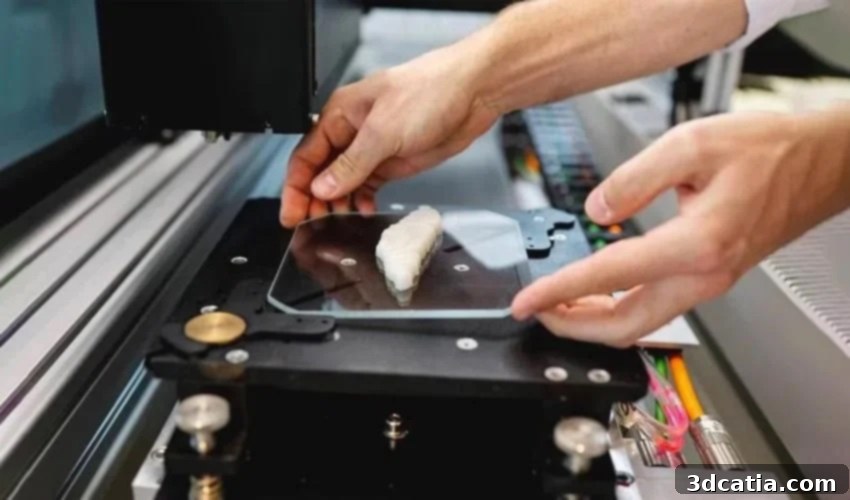
The process of creating 3D printed, cultivated meat and fish represents a sophisticated blend of biotechnology and advanced manufacturing. It begins in a meticulously controlled laboratory environment, where specialized cells are meticulously grown and multiplied. These starter cells, sourced from a specific animal (in this case, fish), are then guided through a differentiation process, transforming them into the desired muscle and fat cells that form the very building blocks of animal tissue. Once a sufficient quantity of these differentiated cells is achieved, they are meticulously formulated into a biological “ink” – a bio-ink – which serves as the primary material for the 3D printing process.
Using this bio-ink, advanced bioprinters precisely deposit layers of cells according to a digital blueprint, gradually constructing a complex, structured filet that mirrors the intricate composition of natural fish tissue. The outcome is a cultivated fish filet that remarkably replicates the characteristics of its real-world counterpart. For this pioneering project, the chosen species was a grouper, a fish specifically selected due to its vulnerable status and increasing threat of extinction globally, largely attributed to rampant overfishing. This strategic choice underscores the ethical and environmental motivations driving the development of cultivated seafood.
A Sustainable and Ethical Solution for the Modern Plate
While the initial investment in bioprinting technology and cellular agriculture remains relatively high, its long-term promise for a more sustainable and ethical food system is immense. This innovative production method eliminates the need for traditional fishing or aquaculture, thereby circumventing many of the environmental and ethical challenges associated with conventional seafood acquisition.
Addressing Overfishing and Environmental Impact
The world’s oceans are under immense pressure from overfishing, habitat destruction, and pollution. Species like the grouper face dire threats, with populations dwindling at alarming rates. Cultivated fish offers a viable solution by providing high-quality seafood without further depleting wild fish stocks or damaging delicate marine ecosystems. It significantly reduces the carbon footprint associated with fishing fleets, processing plants, and long-distance transportation. Moreover, it eliminates issues such as bycatch – the accidental capture of non-target species – which contributes significantly to marine biodiversity loss.
Promoting Ethical Food Production
From an ethical standpoint, cultivated fish provides a truly animal-friendly alternative. It offers the authentic taste and texture of fish without any need for animal slaughter. This aligns with a growing global consumer demand for cruelty-free and ethically sourced food options, appealing to vegetarians, flexitarians, and environmentally conscious individuals alike.
Enhanced Food Safety and Health Benefits
Beyond sustainability and ethics, 3D printed cultivated fish presents a safer and healthier alternative to conventionally sourced seafood. In a world increasingly concerned about contaminants in our food supply, the controlled laboratory environment of bioprinting offers distinct advantages. The ingredients used in the growth medium and the final product formulation are meticulously controlled and monitored. This stringent oversight effectively mitigates risks commonly associated with wild-caught fish, such as exposure to heavy metals like mercury, microplastics, antibiotics, and other environmental toxins that accumulate in marine life. Consumers can enjoy a clean, pure product with a known composition.

The fish has already undergone taste testing in Israel (photo credits: Shlomi Arbiv)
The Sensory Experience: Taste, Texture, and Uncanny Authenticity
One of the most remarkable achievements of this collaboration is the companies’ ability to engineer a cultivated white fish filet that boasts a texture, flavor profile, and even visual characteristics – including scales – almost identical to those of a natural fish. This sensory authenticity is crucial for widespread consumer acceptance and sets a high bar for alternative protein products.
The proof, as they say, is in the tasting. Those fortunate enough to have sampled the 3D printed fish filet during initial taste tests in Israel report an astonishing experience. When the cultivated filet is subsequently fried and seasoned, it becomes virtually indistinguishable from traditional fish, even to discerning palates. This feedback is incredibly encouraging, demonstrating that the technology can deliver not just a sustainable alternative, but a truly satisfying culinary experience. The researchers at Steakholder Foods and Umami Meats are not resting on their laurels; they are actively developing two additional filet prototypes, aiming to mimic the unique characteristics of grouper and eel. Their ambitious future plans include offering three more endangered fish species, further expanding the potential for conservation through cultivation.
Beyond the Plate: Broader Market Impact and Future Vision
While significant research and development efforts are still underway, the successful creation of the 3D printed fish filet signals a potential breakthrough that could profoundly alter how consumers eat in the future. This innovation offers a powerful solution to pressing global challenges such as excessive animal farming, overfishing, and the need for more efficient resource utilization.
Scalability and Accessibility
As the production processes for 3D printed cultivated products become increasingly optimized and scaled up, the associated costs are expected to decrease significantly. This reduction in cost is crucial for making these sustainable alternatives accessible to a broader consumer base, moving beyond niche markets into mainstream consumption. The ability to produce food locally in controlled environments could also enhance food security, reducing reliance on complex and often fragile global supply chains.
A Diverse Range of Cultivated Foods
The implications of this technology extend far beyond fish. In the future, this sophisticated approach to additive manufacturing could be applied to a vast array of other food products, including various types of meat, poultry, and even plant-based structures with enhanced textures. This versatility promises to empower consumers with unprecedented choices, allowing them to enjoy food that is not only delicious but also ethically produced, environmentally sustainable, and inherently healthier. The expansion into diverse food types could fundamentally transform global diets and food production practices.
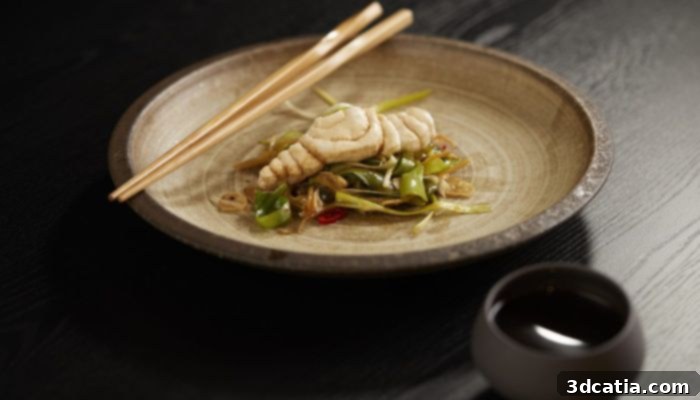
The final product (photo credits: Steakholder Foods)
Mihir Pershad, the visionary CEO of Umami Meats, articulates the significance of this achievement with immense pride: “We are delighted to have produced the world’s first whole filet cultivated fish in partnership with Steakholder Foods. In this first tasting, we showcased a cultivated product that flakes, tastes, and melts in your mouth exactly like excellent fish should. This moment marks a pivotal step towards a future where delicious, sustainable seafood is readily available to all. In the coming months, we intend to announce our detailed plans for bringing this world-class cultivated fish to the market, making ethical and environmentally friendly food choices a reality for consumers.” This statement not only highlights the exceptional quality of the product but also underlines the commitment of both companies to commercialize this groundbreaking innovation. You can find out more in the official press release HERE.
A New Horizon for Food: Join the Conversation
The development of 3D printed cultivated fish represents more than just a scientific achievement; it’s a testament to human ingenuity in addressing some of the most critical challenges facing our planet and its growing population. By offering a delicious, sustainable, and ethical alternative to traditional seafood, this technology paves the way for a more resilient and responsible food system for generations to come. It challenges our perceptions of what food can be and how it can be produced, pushing the boundaries of innovation to create a better future.
We are eager to hear your thoughts on this exciting development. Would you try the 3D printed fish filet? Share your opinions and engage with us in a comment below or on our LinkedIn, Facebook, and Twitter pages! Don’t forget to sign up for our free weekly Newsletter here to receive the latest 3D printing news straight to your inbox! You can also find all our captivating videos and insightful discussions on our YouTube channel.
*Cover Photo Credits: REUTERS