
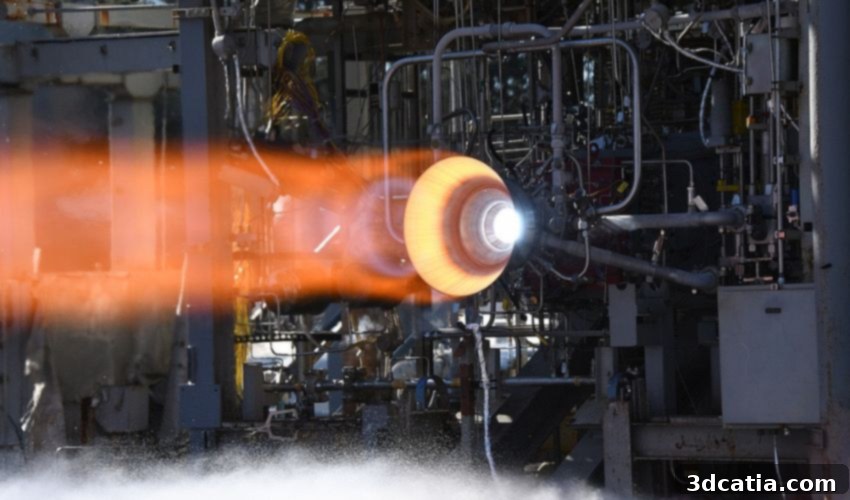
NASA’s Metal Additive Manufacturing Revolution: Pioneering Propulsion for Space Exploration
For decades, the National Aeronautics and Space Administration (NASA) has stood at the absolute forefront of technological innovation, constantly pushing the boundaries of what’s possible in space exploration and scientific discovery. A critical enabler and accelerant of this relentless progress has been the increasing adoption and sophisticated application of additive manufacturing (AM), particularly in the highly specialized realm of metal 3D printing. From rapid prototyping of complex components to the direct fabrication of mission-critical, end-use parts, metal AM has rapidly evolved into an indispensable tool for the agency across a myriad of projects and missions. NASA’s profound commitment to this transformative technology has not only dramatically streamlined its own internal research and development operations but has also firmly positioned it as a global leader in advancing cutting-edge metal AM research, especially for diverse, demanding, and high-performance applications like advanced propulsion systems.
This extensive expertise, accumulated knowledge, and unwavering dedication culminated in the recent release of a seminal and highly anticipated book, “Metal Additive Manufacturing for Propulsion Applications,” co-authored by four distinguished NASA employees. This comprehensive publication serves as an invaluable and authoritative resource, meticulously guiding the industry through the intricate process of adopting metal AM, with a particular and timely focus on its transformative potential for revolutionary propulsion technologies. We were granted the distinct and privileged opportunity to engage directly with these visionary authors to delve deeper into NASA’s profound and multi-faceted engagement with metal 3D printing and to uncover the wealth of practical knowledge and strategic insights awaiting readers within the book’s meticulously organized pages. As an added bonus for our readers, you can register HERE for an exclusive giveaway, offering 10 lucky winners a complimentary copy of this essential guide (registration is open until June 10th).
Meet the Visionaries: The Esteemed Authors Behind the Definitive Guide to Metal AM
The groundbreaking “Metal Additive Manufacturing for Propulsion Applications” book is the collaborative and synergistic effort of four highly respected experts, all currently employed at the venerable NASA Marshall Space Flight Center in Huntsville, Alabama, United States. Their combined decades of experience and deep, nuanced understanding of both traditional and advanced additive manufacturing processes provide a truly unique, authoritative, and practical perspective on this rapidly evolving and highly complex field. Their collective insights bridge the gap between theoretical knowledge and real-world application in the demanding environment of aerospace engineering.
Paul Gradl: Principal Engineer and Pioneer in AM Innovation
Paul Gradl holds the esteemed position of a principal engineer at NASA, where his expertise spans the intricate and multifaceted aspects of liquid rocket engines, from their initial conceptual design and rigorous development to in-depth analysis, precise manufacturing, and exhaustive testing. His profound and pioneering involvement in additive manufacturing extends back nearly two decades, commencing with some of the earliest powder bed fusion machines. As a principal investigator, Gradl passionately spearheads numerous projects meticulously focused on leveraging metal AM through novel processes, the development of advanced materials, and the exploration of intricate design complexities specifically tailored for high-performance rocket engines. His extensive and strategic collaboration with various commercial partners has been absolutely instrumental in maturing several cutting-edge metal AM materials and processes, successfully transitioning them from research and development into flight-ready, operational applications, a testament to his dedication to practical implementation.
Omar Mireles: Leading R&D Engineer in Advanced Manufacturing
Omar Mireles serves as a highly specialized additive manufacturing research and development engineer, leading a multitude of critical R&D projects for NASA. His impactful work encompasses crucial areas such as refractory metal additive manufacturing maturation efforts and the strategic infusion of additive manufacturing into next-generation propulsion systems, complex cryogenic fluid management systems, and pioneering space nuclear power and propulsion systems—areas vital for future deep-space missions. With an impressive career spanning over 20 years of experience, Mireles brings a wealth of hands-on knowledge in design, advanced manufacturing techniques, meticulous post-processing, comprehensive materials characterization, and rigorous testing methodologies, making his contributions to the book’s practical guidance truly invaluable.
Christopher Protz: Advanced Manufacturing Program Lead
As NASA’s advanced manufacturing lead, Christopher Protz plays a truly pivotal and strategic role in coordinating the cutting-edge research and development of both terrestrial and in-space manufacturing technologies for the agency. He has been at the helm of several groundbreaking additive projects, most notably including the Low-Cost Upper Stage Propulsion (LCUSP) project. This ambitious initiative, bravely launched in 2014, aimed to meticulously design and rigorously test NASA’s very first full-scale bimetallic additive combustion chamber, forcefully demonstrating the agency’s early and aggressive adoption of AM for highly critical and complex propulsion components, paving the way for future advancements.
Chance Garcia: Deputy Chief Engineer for Human Lander Systems
Chance Garcia holds the distinguished and crucial position of Deputy Chief Engineer for NASA’s human lander system at Marshall Space Flight Center. His extensive and comprehensive background in propulsion systems development encompasses every stage from conceptual design and detailed analysis to innovative manufacturing and rigorous testing of additive components. A proud graduate of the University of Texas at El Paso and the prestigious International Space University Studies Program, Garcia also actively serves as an insightful advisor and session chair for various STEM activities and influential propulsion conferences, underscoring his broad influence, deep expertise, and leadership within the tightly-knit aerospace community.

From left to right: Paul Gradl, Omar Mireles, Christopher Protz, and Chance Garcia, key figures in NASA’s metal AM advancements and authors of the pivotal new book, showcasing the collaborative spirit behind aerospace innovation.
The Indispensable Role of Metal Additive Manufacturing in NASA’s Missions
NASA’s utilization of metal additive manufacturing is far from merely experimental; it is profoundly and deeply embedded across a wide spectrum of critical missions and applications, serving as a cornerstone for future endeavors. The agency actively deploys AM parts in diverse contexts, including launch vehicles, sophisticated satellites, intricate in-space operations, and through vital, synergistic collaborations with both industry and academic partners. This widespread and confident adoption ranges from non-critical AM components successfully integrated into the pioneering Artemis I mission to highly critical, flight-qualified parts, such as the crucial pogo Z-baffle on the powerful RS-25 engines slated for future Artemis endeavors, unequivocally demonstrating AM’s exceptional versatility, inherent reliability, and growing trustworthiness in the most demanding environments.
Diverse Applications Across Pioneering Space Programs
The sheer scope of metal AM in rocket engines alone is incredibly vast and continuously expanding, encompassing essential elements like high-performance injectors, complex regenerative combustion chambers, precisely optimized nozzles, robust ignition systems, highly accurate valves, lightweight structural housings, and cutting-edge turbomachinery. Beyond the immediate needs of propulsion, NASA has trailblazed the innovative use of metal AM for compact cubesats and intricate satellite components, including advanced thrusters that offer improved efficiency and design flexibility. Terrestrial and extraterrestrial applications are also benefiting immensely, as powerfully evidenced by the sophisticated oxygen generator developed for the Mars Perseverance rover, a testament to AM’s critical role in facilitating ambitious extraterrestrial exploration. Furthermore, ongoing and forward-looking investigations are actively exploring the potential use of AM for next-generation life support components destined for the International Space Station (ISS) and beyond, profoundly highlighting its potential to significantly enhance the resilience and sustainability of long-duration space missions.
Unprecedented Benefits: Efficiency, Cost Savings, and Design Freedom
The sophisticated components fabricated by NASA, whether meticulously destined for powerful rockets, intrepid planetary rovers, or advanced Earth-orbiting satellites, often present significant and intrinsic manufacturing challenges when using traditional methods. Historically, these parts are characterized by protracted lead times, necessitating extensive machining and assembly, and are frequently crafted from high-performance alloys notoriously difficult to machine or join. By comprehensively embracing and integrating metal AM, NASA has achieved remarkable and measurable reductions in both lead time and overall production costs, simultaneously minimizing part counts by cleverly consolidating multiple discrete components into single, highly complex, and optimized geometries. This revolutionary technological shift also unlocks unparalleled design freedom, a capability largely unattainable and unimaginable with conventional subtractive or formative manufacturing techniques. This newfound design flexibility directly translates into significant and measurable performance enhancements, including crucial weight reduction—a paramount consideration for any space application—vastly improved heat transfer efficiencies for superior thermal management, and optimized flow capabilities for propellants, cryogenics, and other critical fluids, all leading to more efficient and capable spacecraft.
The Iterative Path to Flight Readiness and Accelerated Innovation
Additive manufacturing provides NASA with an indispensable strategic advantage in its iterative design and rigorous testing cycles, which are fundamental to aerospace development. Engineers can rapidly prototype entirely new designs, subject them to stringent and realistic testing within actual rocket engine operating environments or simulated space conditions, and swiftly implement modifications based on real-time performance data and diagnostic feedback. This agile “design-fail-fix” loop is dramatically expedited by AM’s inherent flexibility and speed, allowing for quicker innovation cycles. While metal AM may not always be the ultimate process for mass production in every single scenario, it unequivocally serves as a crucial strategic tool in guiding the development, refinement, and maturation of final production designs, ensuring optimal performance and reliability. The commercial space industry, keenly recognizing these immense advantages and the rapid pace of innovation, is currently experiencing a significant and accelerating influx of various metal AM processes and advanced materials, largely spurred by NASA’s continuous and pioneering efforts to push the boundaries of additive manufacturing and drive innovation across the entire dynamic aerospace sector, fostering a new era of space industrialization.
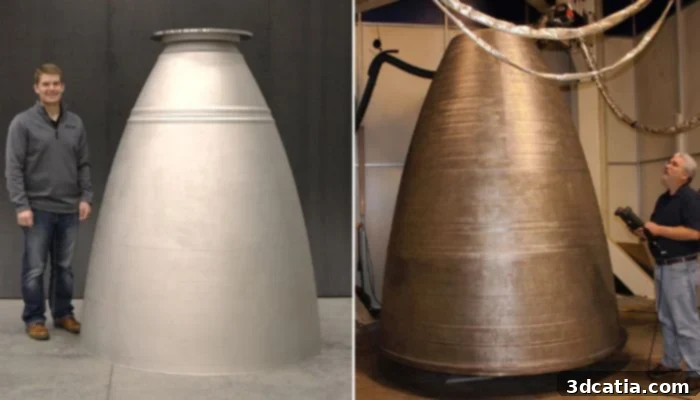
A complex metal part produced by NASA using advanced additive manufacturing techniques, showcasing the intricate geometries achievable and the level of precision required for space applications.
“Metal Additive Manufacturing for Propulsion Applications”: A Definitive and Practical Guide
The creation of “Metal Additive Manufacturing for Propulsion Applications” represents the profound culmination of a long-held vision by its dedicated authors. Recognizing a significant and pervasive gap in the existing technical literature for practical, implementation-focused guidance—despite an abundance of academic research in metal AM—the experienced NASA team collectively decided it was the opportune time to generously share their hard-earned insights and invaluable lessons. Drawing on well over a decade of intensive hands-on experience—meticulously building and rigorously testing countless parts, enduring and learning from failures during fabrication and on the demanding test stand, and tirelessly mentoring countless others bravely venturing into the complexities of metal AM—this seminal book was meticulously crafted. Published by the prestigious AIAA, it is painstakingly designed to be a comprehensive, accessible, and indispensable guide for everyone, from novice users taking their very first tentative steps in AM to seasoned designers, skilled technicians, and experienced engineers seeking to deepen their expertise and broaden their understanding. By seamlessly weaving together fundamental principles with practical design and shrewd implementation strategies, the book provides specific and relevant examples specifically tailored to propulsion applications, while also emphasizing their broad and far-reaching applicability across a multitude of diverse and technically demanding industries.
Comprehensive Coverage: Processes, Materials, and Post-Processing Essentials
A primary and critical objective of the authors was to empower readers with the foundational knowledge and nuanced understanding necessary to make informed and strategic decisions regarding the selection of the most appropriate metal AM processes for their specific needs. The book offers a detailed and insightful overview of the most commonly employed processes in the aerospace sector, including established techniques like powder bed fusion (PBF), advanced methods such as directed energy deposition (DED), specialized applications like cold spray, innovative approaches like ultrasonic additive manufacturing, and emerging techniques such as additive friction stir deposition, among others. Crucially, it not only describes these processes but also elucidates the optimal scenarios for utilizing each technique and provides practical, actionable guidance on their effective and efficient application. Recognizing that material selection and meticulous characterization are paramount distinguishing features and critical considerations of AM compared to other manufacturing technologies, two dedicated chapters thoroughly explore this vital aspect. This comprehensive section provides invaluable guidance on characterizing the unique microstructures inherent in AM parts and rigorously testing AM samples, ensuring readers fully grasp the distinctive metallurgical properties that define additively manufactured components.
Furthermore, an extensive and critically important chapter meticulously delves into post-processing operations, acknowledging their integral and often underestimated role in the overall AM workflow and the final performance of the part. Topics comprehensively covered include the essential and often laborious steps of powder and support structure removal, meticulous cleaning procedures to ensure integrity, subsequent precision machining for critical tolerances, various advanced joining techniques for hybrid structures, critical heat treatments to optimize material properties, stringent inspection protocols for quality assurance, and advanced surface enhancements to improve durability and functionality. To foster a holistic and complete understanding, the authors meticulously explore feedstock considerations in depth, covering both wire and powder forms. They emphasize the critical importance of comprehending material specifications and proactively addressing the potential challenges often associated with efficiently procuring the desired feedstock for specific, high-performance applications.
Strategic Design and Crucial Certification Insights
The pivotal concept of functional design is strategically addressed in a later chapter, ensuring that readers first acquire a solid grasp of the foundational inputs and preceding steps contributing to a successful AM build before delving into the intricate specifics of designing parts optimally for additive manufacturing (DfAM). With an unwavering and practical focus on real-world applicability, the book dedicates a robust chapter to exploring various component and application characteristics. This includes a thorough examination of certification considerations—a particularly critical and often complex aspect specific to qualifying metal AM parts for use in high-stakes, safety-critical industries like aerospace. Acknowledging the dynamic and rapid evolution of the field, a dedicated section also thoughtfully explores emerging applications of AM, offering readers a compelling glimpse into future possibilities, ongoing research frontiers, and the next wave of innovations.
Rounding out this truly comprehensive resource, the appendices proudly showcase NASA’s significant and sustained investments in developing initial mechanical and thermophysical properties data for various AM materials and processes. This invaluable supplementary information provides readers with critical benchmarks and foundational knowledge, further reinforcing the book’s practical utility and its role as a key reference. In essence, “Metal Additive Manufacturing for Propulsion Applications” serves as an indispensable and authoritative bridge between complex theoretical understanding and robust practical implementation. It is meticulously designed to be a cornerstone resource for anyone expertly navigating the complex, challenging, and incredibly exciting realm of metal AM, regardless of their current level of expertise, making it a vital reference for the aerospace community and far beyond.
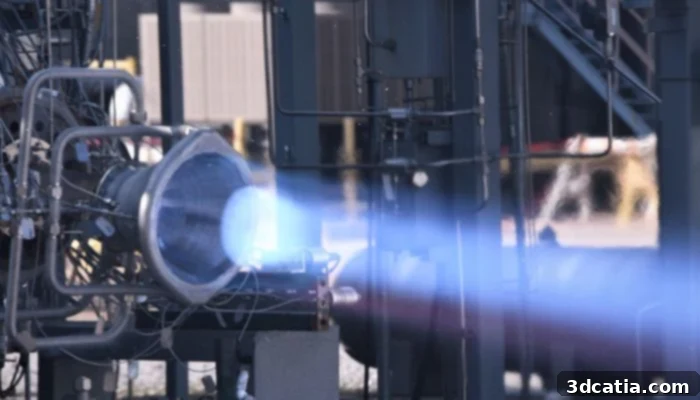
Metal additive manufacturing is increasingly vital for advanced propulsion applications, exemplified by this precisely crafted rocket engine component, demonstrating intricate internal cooling channels.
Addressing Critical Industry Gaps: Empowering Novices and Veterans Alike
The authors’ overarching objective with “Metal Additive Manufacturing for Propulsion Applications” extends far beyond merely presenting technical information; it aims to strategically and effectively address critical knowledge gaps that are prevalent across the industry, thoughtfully catering to both enthusiastic newcomers and seasoned veterans alike. The undeniable allure of additive manufacturing’s vast potential is profound, often leading to an eager and sometimes premature adoption that might inadvertently overlook the inherent economic and formidable technical challenges that lie beneath the surface. This insightful book champions a deliberate, thoroughly considered, and systematic approach to integrating these advanced technologies, providing a holistic and comprehensive understanding of the entire complex lifecycle of AM components, from initial concept to ultimate retirement.
Navigating the Complexities of the AM Lifecycle
Particularly within the exceedingly demanding and safety-critical aerospace industry, the specialized roles of design engineers, materials engineers, and manufacturing engineers are inextricably linked and deeply intertwined when rigorously employing AM. The book powerfully underscores the paramount importance for all stakeholders intimately involved in the AM process—from the initial conceptualization and material selection to design, fabrication, testing, and ultimate deployment—to possess a thorough, integrated grasp of the complete lifecycle. This unified and interdisciplinary understanding is absolutely crucial for ensuring successful outcomes, mitigating unforeseen complications, and achieving reliable, flight-worthy components.
A Holistic Understanding for the Modern Aerospace Engineer
To truly harness the transformative benefits and unlock the full potential of additive manufacturing, modern aerospace engineers require a profound and holistic comprehension of the entire end-to-end process. This extends significantly beyond the mere build itself to encompass meticulous material selection and detailed characterization—understanding precisely why AM microstructures diverge so fundamentally from those produced by traditional methods—a deep dive into the nuances of various AM processes, comprehensive post-processing techniques essential for performance, rigorous performance evaluation of AM parts under operational conditions, and a strategic, well-defined approach to successful implementation and stringent certification within the exacting aerospace standards. The propulsion industry, while enthusiastically embracing this cutting-edge technology, is also actively grappling with and navigating the novel challenges that invariably accompany such rapid technological advancements. As AM processes continue to rapidly evolve, entirely new failure modes are emerging, necessitating a deeper, more sophisticated understanding and robust methodologies to ensure uncompromising reliability, ultimate safety, and mission success.
Balancing Innovation with Practical Realities and Rigor
Additive manufacturing truly heralds a new era of industrial revolution, introducing innovative design solutions, unprecedented geometric complexities, and enhanced performance capabilities that were previously considered unattainable or purely theoretical. However, the sheer excitement and enthusiasm surrounding these possibilities can sometimes lead to the hasty or ill-considered incorporation of AM technologies without adequately considering the long-term, sustained implementation challenges, the necessary infrastructure, and the continuous learning curve. This book carefully navigates this delicate balance by passionately advocating for the technology’s immense potential while simultaneously providing a realistic, grounded, and rigorously objective overview of the design and process lifecycle. It equips readers with the critical mindset and practical tools needed to move beyond initial enthusiasm and toward robust, reliable, and ultimately successful application of AM in high-stakes environments.
A Forward-Looking Perspective on Additive Manufacturing in Space Exploration
It is fundamentally crucial to recognize that additive manufacturing, while undeniably powerful and transformative, is a complex endeavor and should not be perceived or positioned as a universal panacea for all manufacturing challenges. The distinguished authors strongly advocate for approaching AM in conjunction with established traditional manufacturing techniques, employing it strategically only when it demonstrably aligns with the specific technical and programmatic needs, cost-benefit analysis, and performance requirements of a given project. However, once a well-reasoned and thoroughly vetted decision is made to pursue AM based on sound technical and programmatic considerations, it becomes absolutely paramount to approach the entire process with uncompromising rigor, meticulous attention to detail, and a perpetually critical mindset at every single stage.
Strategic Integration and Rigorous Application Across the Lifecycle
From the initial conceptual design phase, where revolutionary geometries can be imagined, to the careful and informed selection of appropriate feedstock materials, the intricate details of the build process itself, subsequent critical post-processing operations, stringent certification protocols demanded by aerospace standards, and eventual operational implementation—every single step demands thorough evaluation, meticulous execution, and continuous validation. The philosophy of Design for Additive Manufacturing (DfAM) must permeate and influence all process steps, extending far beyond the mere physical build process itself. It is vital to acknowledge that the AM development process is rarely linear or straightforward; instead, it often involves iterative loops, continuous refinement, unexpected challenges, and a persistent learning curve, which inherently requires patience, adaptability, and practice. Challenges are inevitable, and some failed builds will undoubtedly occur as part of the learning and optimization process. Yet, it is crucial to remember that AM is a continuously evolving and rapidly maturing field, a frontier where the only true limitation is the human imagination, ingenuity, and relentless pursuit of innovation. This dynamic landscape invites continuous learning, bold experimentation, and strategic adaptation, promising revolutionary advancements for the future of space exploration and beyond.
Don’t miss this unparalleled opportunity to gain invaluable insights directly from NASA’s leading experts in the field. Sign up for the exclusive giveaway for a chance to receive a free copy of “Metal Additive Manufacturing for Propulsion Applications,” a book poised to become a cornerstone reference for the industry. You can register HERE until June 10th, 2023. We encourage you to engage with us and share your insightful thoughts: What are your impressions of NASA’s extensive and pioneering use of metal additive manufacturing? Are you planning to delve into the pages of this groundbreaking book to enhance your understanding? Let us know your perspective in a comment below or join the vibrant conversation on our LinkedIn, Facebook, and Twitter pages! And to stay abreast of the very latest developments, breakthrough innovations, and essential news in the dynamic world of 3D printing, don’t forget to sign up for our free weekly Newsletter here, delivering curated news directly to your inbox. You can also explore all our insightful and engaging videos on our dedicated YouTube channel.
*All Photo Credits: NASA