
SPE Additive Manufacturing & 3D Printing: Driving Education and Innovation in Plastics
In today’s rapidly evolving industrial landscape, the fusion of traditional manufacturing processes with cutting-edge technologies is paramount. At the forefront of this convergence within the plastics sector stands the Society of Plastics Engineers (SPE). While many are familiar with SPE’s broad impact, fewer may realize the existence of a dedicated SPE Chapter exclusively focused on additive manufacturing and 3D printing. This specialized chapter serves as a vital bridge, connecting the vast world of plastics with the transformative potential of 3D printing. To illuminate its mission and activities, we recently engaged with three prominent members, delving into the core objectives and significant contributions of this dynamic group.
One of the most formidable barriers hindering the widespread adoption of additive manufacturing across various industries is undoubtedly a pervasive lack of comprehensive education and understanding. This critical knowledge gap is precisely the primary catalyst behind the formation of the SPE Additive Manufacturing and 3D Printing chapter. Its fundamental purpose is to empower professionals within the plastics industry, enabling them to effectively embrace, comprehend, and strategically integrate additive manufacturing processes. The chapter’s initiatives are designed to clearly demonstrate how these innovative technologies can profoundly benefit and revolutionize diverse industrial applications, fostering a smarter, more efficient future. Our recent video interview offered a valuable opportunity to explore these vital subjects in greater depth, providing insights into the chapter’s strategic approach.
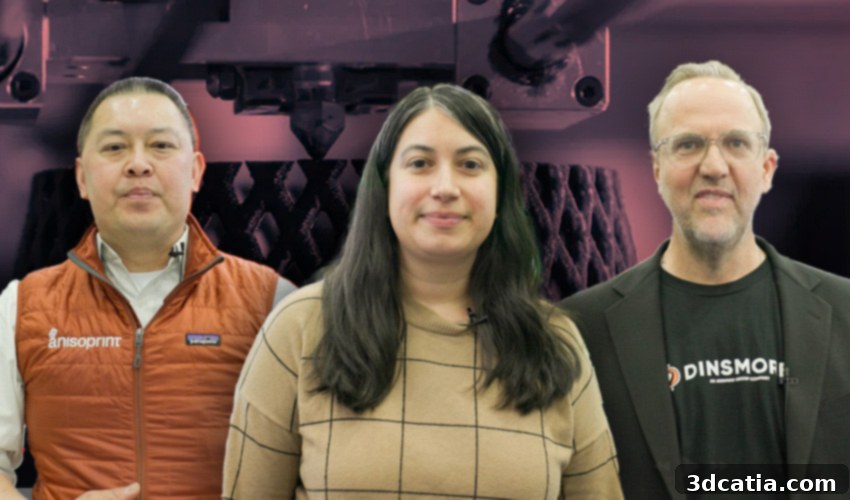
Our discussion commenced with Jay Dinsmore, the distinguished current Chair of the SPE Additive Manufacturing and 3D Printing chapter. Jay provided an insightful overview of SPE itself, beginning with its rich history. As many in the field may be aware, this influential professional plastics association was established in 1942. Over the decades, it has grown into a formidable global organization, now boasting an impressive network of over 60,000 stakeholders spanning more than 84 countries worldwide. The organization’s enduring tagline, “inspiring plastic professionals,” eloquently encapsulates its core motivation: to actively support and unite individuals working with plastics, fostering their professional growth, helping them achieve success, and continuously strengthening their critical skills. SPE’s structure includes numerous chapters, ranging from broad regional bodies to highly specialized groups dedicated to niche topics, with 3D printing being a prime example of such targeted expertise.
A Closer Look at the SPE Additive Manufacturing Chapter: Bridging the Gap
Jay Dinsmore elaborated further, explaining the unique and critical affiliation of this chapter with the overarching SPE organization. His insights particularly focused on the profound importance of education within the plastics industry and how the chapter actively endeavors to bridge the existing knowledge chasm. This gap often separates professionals entrenched in traditional manufacturing methodologies from those pioneering advancements in additive manufacturing and 3D printing. The chapter’s strategic efforts aim to bring these distinct groups together, fostering collaboration, mutual understanding, and the synergistic exchange of expertise. This integration is essential for unlocking the full potential of both established and emerging technologies within the plastics sector.
Even highly experienced experts operating within the well-established plastics and traditional manufacturing sectors do not always possess a comprehensive awareness of what 3D printing truly entails, nor do they fully grasp the multitude of benefits it can introduce to various manufacturing processes. There’s often a misconception that additive manufacturing is a niche or separate field, rather than a powerful tool that can complement and enhance existing plastic applications. Conversely, professionals deeply immersed in additive manufacturing can significantly benefit from the profound, nuanced knowledge held by true plastics experts. This mutual exchange is crucial because both fields are relentlessly striving for advancement, innovation, and efficiency. The precise point where these two worlds converge, where knowledge gaps are filled, and collaborative progress is ignited, is where the SPE Additive Manufacturing and 3D Printing chapter assumes its vital role. This perspective was powerfully articulated by Tuan Tranpham, President of the Americas and Asia Pacific for Anisoprint, who is also a highly esteemed and active member of the chapter. His insights underscore the indispensable nature of cross-disciplinary dialogue and learning.
Empowering Professionals Through Tailored Educational Initiatives and Events
A significant and highly celebrated aspect of the SPE Additive Manufacturing and 3D Printing chapter, as emphatically highlighted by both Jay Dinsmore and Krysten Minnici, the chapter’s dedicated treasurer, revolves around its diverse and impactful events. These gatherings are far more than mere meetings; they represent unparalleled opportunities for professionals to engage directly with peers, learn from leading industry experts, and acquire the specialized knowledge essential for truly excelling and innovating within the realm of plastic 3D printing. The chapter actively organizes a wide array of educational experiences, including workshops, seminars, and networking sessions, all meticulously designed to foster skill development and knowledge exchange.
Looking ahead, the chapter has several exciting events on the horizon, with a particular emphasis on comprehensive educational programs. A notable initiative involves the chapter “piggybacking” off the highly regarded ImplementAM program. This strategic collaboration is poised to deliver targeted instruction, specifically educating professionals throughout the plastics industry about the current state of additive manufacturing. It aims to clarify where the technology stands, what its capabilities are, and, crucially, how it can be seamlessly and effectively implemented into existing business workflows and strategic operations. These educational endeavors are not just about awareness; they are about providing practical, actionable insights that enable businesses to harness the power of 3D printing for tangible benefits like cost reduction, accelerated product development, and enhanced material properties.
The Future Landscape: Synergy Between Plastics and Additive Manufacturing
The synergy between plastics and additive manufacturing is more profound than ever, charting a course towards unprecedented innovation. The SPE Additive Manufacturing and 3D Printing chapter plays a pivotal role in this future. By consistently advocating for continuous education and fostering collaboration, the chapter helps dismantle old paradigms and encourages a forward-thinking approach. This involves exploring how new polymer formulations can optimize 3D printing processes, developing sustainable practices by reducing waste inherent in traditional manufacturing, and pioneering novel applications that were previously unimaginable. The chapter’s commitment to disseminating knowledge about advanced materials, process optimization, and design for additive manufacturing (DfAM) is instrumental in shaping a resilient and innovative plastics industry. Members gain access to cutting-edge research, best practices, and a network of peers and mentors, all dedicated to pushing the boundaries of what’s possible with plastic 3D printing.
Participation in this chapter offers substantial benefits to both individual professionals and organizations. For individuals, it’s an opportunity for significant professional development, keeping skills current in a fast-moving field, expanding professional networks, and potentially unlocking new career pathways. For companies, engaging with the chapter can lead to competitive advantages through early adoption of innovative techniques, access to a skilled talent pool, and the strategic insights needed to navigate the complexities of integrating additive manufacturing into their operations. The chapter’s events and resources provide a platform for benchmarking against industry leaders and discovering solutions to common challenges, fostering an environment of collective growth and problem-solving.
What are your thoughts on the transformative work being done by the SPE Additive Manufacturing and 3D Printing chapter? Are you considering joining one of their informative upcoming events to expand your knowledge and network? We invite you to share your insights in a comment below or connect with us on our LinkedIn, Facebook, and Twitter pages! Furthermore, don’t miss out on the latest advancements and news in 3D printing; make sure to sign up for our free weekly Newsletter here, delivering fresh updates directly to your inbox. You can also explore our extensive library of videos and interviews by visiting our YouTube channel.