
Transforming Industries: Latest Innovations in Additive Manufacturing, Space Technology, and AI Integration
The landscape of modern manufacturing and technological innovation is constantly evolving, driven by groundbreaking advancements in fields such as additive manufacturing (AM) and artificial intelligence (AI). This week, we delve into a series of exciting developments that underscore the transformative power of these technologies across diverse sectors, from aerospace and defense to chemical engineering and digital creativity. We’ll explore how companies like Boeing are leveraging 3D printing to revolutionize satellite production, cutting lead times dramatically, and how research institutions like Oak Ridge National Laboratory (ORNL) are pushing the boundaries of ceramic additive manufacturing for extreme applications. Furthermore, we examine the strategic expansion of metal AM giant Meltio with a new US facility, the innovative AI-powered image editing capabilities introduced by Gemini, and the collaborative efforts showcased at the inaugural Global AM Hubs Summit in Barcelona. These stories collectively paint a vivid picture of an industry poised for unprecedented growth and impact, highlighting a future where rapid prototyping, efficient production, and intelligent design are not just possibilities, but realities.
Boeing’s Leap into Space: 3D Printed Solar Array Substrates Revolutionize Satellite Manufacturing
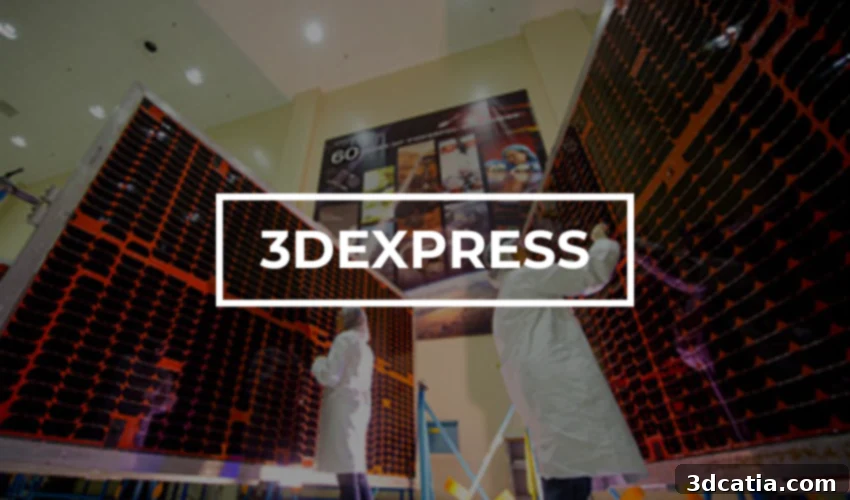
In a monumental move set to redefine satellite technology, aerospace titan Boeing recently announced its ambitious plans to integrate 3D printing for the production of solar array substrates. This strategic shift is not merely an incremental improvement but a significant leap forward, promising to slash manufacturing times by an astounding six months—equating to nearly a 50% reduction compared to conventional methods. Such an acceleration in production is critical in an era demanding faster deployment and greater agility in space capabilities, catering to the burgeoning demand for satellite constellations and advanced orbital missions.
The inaugural deployment of these cutting-edge, 3D printed solar arrays is slated to occur aboard small satellites engineered by Millennium Space Systems. These spacecraft will be equipped with high-efficiency solar cells developed by Spectrolab, creating a synergy of innovative components. Crucially, all three entities—Boeing, Millennium Space Systems, and Spectrolab—operate under the umbrella of Boeing’s Space Mission Systems division, fostering a seamless collaboration that enhances manufacturing efficiency and significantly reduces system complexity. This integrated approach ensures that design, production, and assembly are streamlined, from concept to launch.
One of the core advantages of this additive manufacturing approach lies in its ability to directly print intricate structural features into the solar array panels. This includes essential elements like harness paths and attachment points, which traditionally require numerous separate parts and extensive tooling steps. By consolidating these components and processes, Boeing not only eliminates unnecessary material and labor but also creates a more robust, lightweight, and easily integrated system. The benefits extend beyond mere time and cost savings; the process also markedly enhances the overall performance, reliability, and scalability of the solar arrays. This versatility means the technology can be adapted for a wide range of applications, from compact small satellites to the larger, more complex Boeing 702-class spacecraft. With a target market entry in 2026, this innovation is set to make a rapid impact.
Boeing’s commitment to additive manufacturing is not new. The company has already successfully integrated over 150,000 3D printed components across its vast portfolio of space and satellite platforms, showcasing a long-standing dedication to leveraging this technology. This extensive experience demonstrates a clear understanding of how additive manufacturing can profoundly transform the aerospace industry, offering unparalleled design freedom and efficiency. Melissa Orme, vice president, Materials & Structures, Boeing Technology Innovation, articulates this vision perfectly: “As we scale additive manufacturing across Boeing, we’re not just taking time and cost out, we’re putting performance in. By pairing qualified materials with a common digital thread and high‑rate production, we can lighten structures, craft novel designs, and repeat success across programs. That’s the point of enterprise additive, it delivers better parts today and the capacity to build many more of them tomorrow.” This statement underscores the strategic importance of AM not just for immediate gains but for future innovation and scalable production, cementing Boeing’s position at the forefront of space technology.

Photo credit: Boeing
Pioneering Ceramic Additive Manufacturing for Chemical Reactors at ORNL
The challenging world of chemical processing, with its demands for extreme temperature resistance, chemical inertness, and structural integrity, is set to be transformed by innovative research emerging from Oak Ridge National Laboratory (ORNL). Researchers at ORNL recently published a pivotal paper in the esteemed journal *Ceramics International*, detailing a breakthrough in ceramic additive manufacturing (AM) that promises to unlock new possibilities for high-performance components, particularly in chemical reactors. This study is of immense interest to the 3D printing community, highlighting the potential for advanced materials in demanding applications.
At the heart of ORNL’s innovation is a sophisticated combination of binder jetting, a versatile additive manufacturing technique, with an advanced post-processing method. This powerful synergy enables the production of ceramic components that exhibit complete impermeability to liquids in their final form. Ceramics are renowned for their exceptional properties, including outstanding resistance to extreme temperatures, harsh chemical environments, and mechanical stress—qualities that make them ideal for critical industrial applications. However, despite these inherent advantages, the manufacturing of complex ceramic parts, especially at scale, has historically presented significant challenges, often involving laborious and restrictive traditional methods.
With their pioneering study, the ORNL team has effectively addressed the long-standing hurdle of scalability in ceramic manufacturing. Their approach ingeniously kills two birds with one stone: it harnesses the unique, superior properties of ceramics while simultaneously employing a scalable 3D manufacturing method. This allows for the precise fabrication of smaller, intricate ceramic parts, which can then be seamlessly joined together to construct larger, more complex components. This modular approach is a game-changer, overcoming limitations imposed by the size constraints of traditional ceramic production and enabling the creation of designs previously deemed impossible.
The primary application targeted for this groundbreaking technology is chemical reactors. In such environments, the ability of ceramic components to withstand corrosive substances and high-temperature reactions without degradation is paramount for both efficiency and safety. The non-permeable nature of ORNL’s 3D printed ceramics ensures that no reactive liquids can seep through, preventing contamination and ensuring the integrity of the chemical process. Trevor Aguirre, a key researcher with the ORNL group, emphasized the profound impact of this work: “Ceramic 3D printing allows fabrication of intricate and high‐performance components that are difficult to achieve with traditional manufacturing methods. This advancement provides a validated methodology to produce high‐quality components—and enable the development of next‐generation reactors.” This statement underscores the potential for these advanced ceramic components to drive the development of more efficient, safer, and technologically advanced chemical and industrial reactors, paving the way for innovations across the energy and chemical sectors.
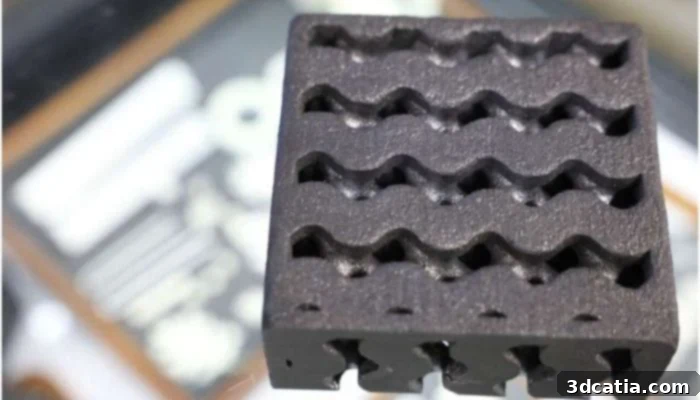
Photo credit: ORNL
Meltio Establishes First Additive Manufacturing Center in the US, Bolstering Metal AM Capabilities
In a significant strategic expansion, Meltio, a leading innovator in metal additive manufacturing, in collaboration with its key US distributor Fastech, has announced the grand opening of its inaugural metal additive manufacturing reference center in Virginia. This milestone event, scheduled for October 14, 2025, will launch under the compelling slogan “Ready for Action: accelerating readiness, sustaining the future,” signaling a clear intent to fortify the industrial capabilities of the United States through advanced metal 3D printing.
The establishment of this cutting-edge center is poised to be a game-changer for a multitude of US industries. It will provide unparalleled access to Meltio’s revolutionary Blue Laser technology, enabling the fabrication of high-quality metal parts across critical sectors. These include defense, where robust and customized components are vital; aerospace, demanding lightweight yet strong structures; automotive, requiring rapid prototyping and specialized parts; mining, where durable and quickly replaceable components are essential; and the demanding oil and gas industry, which benefits from on-site repair and custom tooling. The center will serve as a hub for innovation, training, and practical application, allowing companies to explore and implement the full potential of metal AM in their operations.
During the highly anticipated launch event, Meltio will proudly showcase a range of its state-of-the-art additive manufacturing solutions. Attendees will have the opportunity to witness demonstrations of the Meltio M600 metal 3D printer, known for its precision and efficiency; the versatile Meltio Robot Cell, which integrates Meltio’s technology with robotic platforms for enhanced automation and larger build volumes; and its latest innovation, the Meltio Engine Blue. This comprehensive display will highlight the breadth and depth of Meltio’s capabilities, demonstrating how their technology can address diverse industrial needs, from intricate components to large-scale fabrications.
The Linares-based company has already solidified its reputation through successful validation projects with a roster of high-profile clients, including global energy giant ExxonMobil, the highly demanding US Navy, and multinational conglomerate Siemens Energy. These collaborations underscore the reliability, effectiveness, and industrial applicability of Meltio’s metal AM systems in real-world, high-stakes environments. The new US center represents a crucial step in strengthening Meltio’s presence in the lucrative American market. It will provide localized support and solutions for critical repairs, facilitate on-demand production of specialized parts, and contribute significantly to the maintenance and resilience of strategic supply chains. By bringing advanced metal AM closer to US industries, Meltio is not just selling technology; it is fostering a new paradigm of manufacturing flexibility and self-sufficiency.
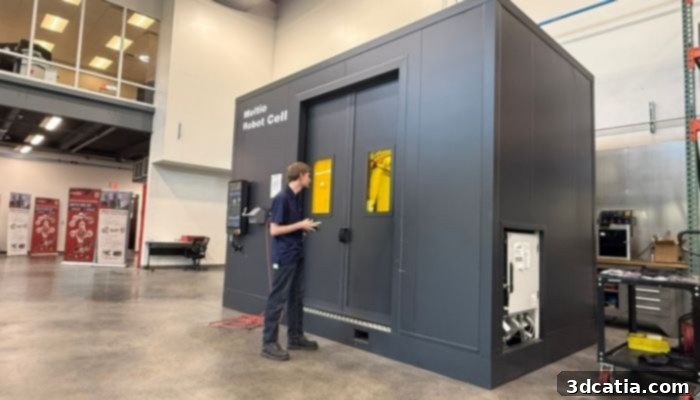
The Meltio Robot Cell system at the facilities of its distributor Fastech. (Photo credit: Meltio)
Gemini Unleashes “Nano Banana”: A Revolutionary AI Image Editing Feature
The world of digital creativity and image manipulation has taken another significant leap forward with the introduction of “Nano Banana,” a groundbreaking new AI image editing feature integrated into Gemini. For many, the inclusion of Nano Banana has already become a topic of enthusiastic discussion, as this advanced capability dramatically expands the creative possibilities within the Gemini platform. It represents a paradigm shift in how users can interact with and transform their visual content, moving beyond simple adjustments to truly imaginative alterations.
Nano Banana empowers users with an unprecedented level of control, allowing them to transform photos in ways that were once the exclusive domain of highly skilled digital artists or complex software suites. The tool offers a versatile array of functions: from effortlessly changing backgrounds to experimenting with different artistic styles, and meticulously modifying intricate details of people, objects, or entire scenes. Whether you aim to place a subject in a fantastical landscape, apply a painterly aesthetic to a photograph, or subtly alter an object’s appearance, Nano Banana makes these sophisticated edits accessible to a broader audience, democratizing advanced image manipulation.
While its general applications are broad, Nano Banana has garnered particular attention and enthusiasm within the vibrant 3D community. This innovative feature has rapidly gained popularity for its unique ability to convert ordinary photographs into compelling “collectible figure” representations. What sets this apart is the remarkable realism of the finishes, making the generated images appear as if the figures had been expertly crafted in professional 3D modeling and design software such as Tinkercad, Fusion 360, or Blender. This capability holds immense appeal for designers, artists, and hobbyists who can now quickly visualize concepts in a three-dimensional, tangible-looking format without the need for extensive 3D modeling skills. It blurs the lines between two-dimensional imagery and three-dimensional conceptualization, offering a powerful tool for rapid ideation and creative expression, potentially bridging the gap between digital art and physical product design simulations.

Photo Credit: 3Dnatives
Barcelona Hosts the Inaugural Global AM Hubs Summit, Fostering International Collaboration
From September 16 to 18, 2025, the vibrant city of Barcelona became the epicenter of additive manufacturing collaboration, hosting the groundbreaking First Global AM Hubs Summit. Organized at the innovative DFactory and staunchly supported by the Consorci de la Zona Franca, this premier event marked a pivotal moment for the global additive manufacturing community. It brought together a remarkable assembly of 26 leading additive manufacturing hubs and organizations representing 16 diverse countries, including Austria, the Netherlands, Germany, France, Sweden, Turkey, and Spain. The overarching objective of this unprecedented gathering was clear: to significantly strengthen the adoption, development, and international collaboration around these transformative technologies.
The summit’s meticulously designed program provided a rich and multifaceted experience for all attendees. It ingeniously combined a dynamic exhibition area, where the latest cutting-edge developments and innovations in the AM sector were showcased, with a series of insightful round tables and engaging conferences. These sessions featured an impressive lineup of 48 esteemed experts and influential industry leaders, who shared their knowledge, debated future trends, and discussed the strategic challenges and opportunities facing the additive manufacturing landscape. The discussions covered a wide array of topics, from material science breakthroughs to advancements in printing processes and the economic impact of AM adoption.
Beyond the immediate exchange of ideas, the summit also served as the momentous setting for the official launch of (Add)liance, a pioneering new European alliance. This ambitious initiative is specifically aimed at establishing a common framework for cooperation in additive manufacturing across the continent. (Add)liance seeks to harmonize efforts, share best practices, and facilitate cross-border projects, ultimately accelerating the industrialization and widespread integration of AM technologies within Europe and beyond. Such an alliance is crucial for fostering a cohesive and competitive ecosystem for additive manufacturing, ensuring that research and development efforts are coordinated and that the benefits of AM are maximized across various industries.
The summit concluded with highly anticipated technical visits to two leading figures within the robust Catalan innovation ecosystem. Attendees had the invaluable opportunity to tour the HP AM Solutions Center of Excellence in Sant Cugat, a world-class facility at the forefront of industrial 3D printing, and the CIM UPC, a renowned technology center specializing in advanced manufacturing. These visits provided practical insights into real-world applications, advanced research, and high-volume production capabilities, offering a tangible demonstration of the technologies discussed throughout the summit. The First Global AM Hubs Summit in Barcelona not only facilitated crucial networking and knowledge sharing but also laid a strong foundation for future international cooperation, cementing additive manufacturing’s role as a key driver of global industrial advancement.
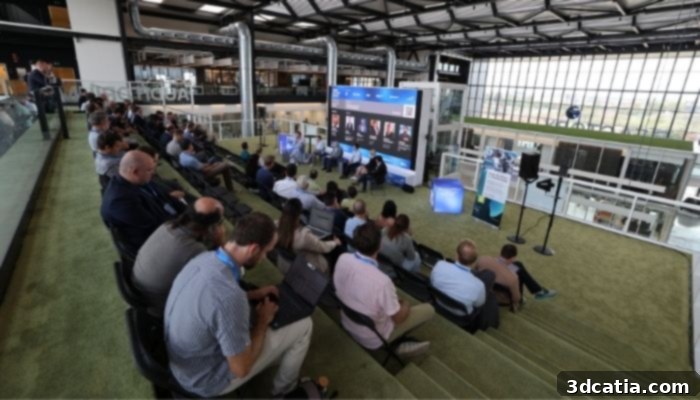
The Global AM Hubs Summit brought together 26 European additive manufacturing hubs in Barcelona. (Photo credit: Consorci de la Zona Franca de Barcelona)
The developments highlighted this week unequivocally demonstrate the accelerating pace of innovation in additive manufacturing and related technologies. From Boeing’s visionary use of 3D printing to halve production times for solar array substrates, signaling a new era for space exploration and satellite deployment, to ORNL’s breakthrough in scalable ceramic printing for demanding chemical reactors, the capabilities of AM continue to expand into critical applications. Meltio’s strategic establishment of its first US additive manufacturing center underscores the growing industrial demand for metal 3D printing solutions, particularly in defense and heavy industry, reinforcing supply chain resilience. Meanwhile, Gemini’s “Nano Banana” feature showcases the powerful synergy between AI and design, enabling creative transformations that bridge the gap between digital art and 3D conceptualization. Finally, the success of the First Global AM Hubs Summit in Barcelona emphasizes the vital importance of international collaboration and knowledge exchange in driving the widespread adoption and continuous evolution of additive manufacturing technologies globally.
These advancements collectively paint a compelling picture of a future shaped by more efficient, resilient, and innovative manufacturing processes, seamlessly integrated with intelligent design tools. The progress outlined here is not just about incremental improvements; it represents a fundamental shift in how products are conceived, designed, manufactured, and utilized across virtually every sector. The synergy between advanced materials, sophisticated printing techniques, and powerful AI is unlocking unprecedented possibilities, pushing the boundaries of what is achievable and promising a future where customization, speed, and performance are the new standards.
What are your thoughts on Boeing’s ambitious move to 3D print solar array substrates, or the broader impact of AI like Nano Banana on design? We invite you to share your insights in a comment below or join the conversation on our LinkedIn or Facebook pages! Furthermore, don’t miss out on the latest 3D printing news; remember to sign up for our free weekly Newsletter to receive updates directly in your inbox. You can also explore all our informative videos on our YouTube channel. For more in-depth coverage of 3D printing news within the aerospace and defense sectors, we encourage you to visit our dedicated page HERE.
*Cover photo: Examples of large solar panels from Spectrolab. Credit: Spectrolab