
How 3D Printing is Transforming Aviation: The Etihad, Siemens, and Strata Success Story
The world of manufacturing is undergoing a profound transformation, with 3D printing, often referred to as additive manufacturing, leading a rapid wave of innovation across a multitude of sectors. This technological revolution is not confined to niche markets; its impact is particularly significant and deeply felt in high-stakes industries like aerospace, where precision, durability, and weight reduction are not merely desirable but absolutely critical. While we may only be partway through the current year, the pace of advancements in 3D printing continues to accelerate dramatically, bringing forth groundbreaking developments at an unprecedented rate. This can be observed in a diverse range of applications, from the creation of bespoke 3D printed jewelry collections, such as those from Diana Law, to the highly complex engineering challenges inherent in aircraft component production. The inherent capability of additive manufacturing to produce intricate geometries, facilitate the creation of custom parts on demand, and construct remarkably lightweight yet robust structures is fundamentally reshaping how products are designed, developed, and brought to market, promising a future characterized by unparalleled efficiency, adaptability, and innovation.
One of the most compelling and recent examples of this transformative power has emerged from a pioneering partnership in the United Arab Emirates. A few months ago, a significant announcement heralded a strategic collaboration between the global industrial giant Siemens AG, the leading aerospace composite aerostructures manufacturer Strata Manufacturing PJSC, and the renowned Etihad Airways – proudly the second-largest airline in the United Arab Emirates. The initial aim of this formidable alliance was to integrate advanced 3D printing technologies into the intricate and demanding realm of aircraft interiors, thereby pushing the established boundaries of what is conventionally possible in aerospace design and manufacturing. Exciting news has now confirmed that this ambitious project has not only been a success but has exceeded expectations, demonstrating the tangible, impactful benefits that materialize when industry leaders pool their collective expertise, resources, and forward-thinking vision.
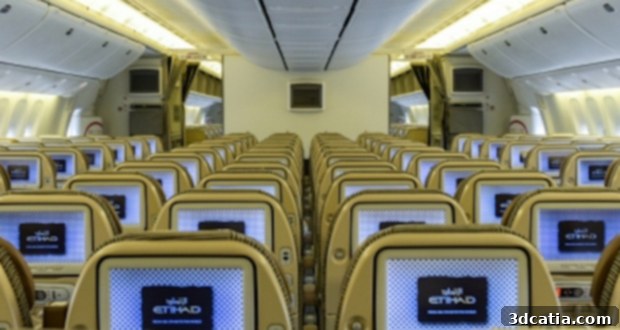
At the heart of this highly successful pilot project was the ingenious creation of a crucial aircraft interior component: a precisely engineered plastic frame. This frame is meticulously designed to encase the entertainment screens found in passenger seats, as well as the larger, mounted screens strategically placed throughout Etihad Airways’ fleet. This seemingly straightforward component, produced through cutting-edge 3D printing techniques, represents a significant leap forward in aviation manufacturing. The primary objective, which was successfully achieved, was to realize a substantial overall reduction in weight compared to frames manufactured using conventional methods. Weight reduction is an absolutely critical factor in aviation, directly correlating to improved fuel efficiency, lower operational costs, and a reduced carbon footprint. Beyond the substantial weight savings, the 3D printed frames introduce an element of streamlined simplicity and modern aesthetics to the aircraft’s interior, perceptibly enhancing the overall passenger experience. This innovative approach delivers a dual benefit: significant operational advantages for the airline through reduced fuel consumption and enhanced sustainability, coupled with a more refined, contemporary, and comfortable cabin environment for its valued customers.
This achievement stands as a powerful testament to the efficacy of collaborative innovation and the strategic foresight demonstrated by all participating entities. It emphatically underscores the immense potential of integrating advanced manufacturing technologies into established, highly regulated industries, especially those with stringent certification requirements and exceptionally high performance expectations like aviation. The project not only conclusively validates the technical feasibility of employing 3D printing for aerospace-grade parts but also establishes a robust, scalable framework for future applications. This groundbreaking work paves the way for a more agile, economically efficient, and environmentally sustainable manufacturing ecosystem within the broader aerospace sector, promising a future where design limitations are significantly minimized and production cycles are dramatically shortened.
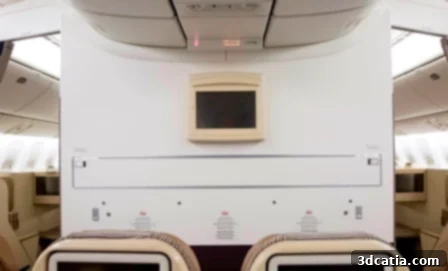
The 3D printed screen frame, meticulously designed for mounted TVs on Etihad Airways aircraft, showcases precision engineering and modern aesthetics.
Jeff Wilkinson, the esteemed CEO of Etihad Airways Engineering, profoundly articulated the immense significance of this collaborative project. “This project showcases our joint capabilities in the UAE to design, certify, and manufacture parts using the latest technologies,” Wilkinson stated, his remarks underscoring not just the triumphant outcome but also the broader strategic implications for the region’s burgeoning industrial capabilities. He further elaborated, “Its importance cannot be understated, as 3D printing enables high flexibility during design and prototyping. It opens new possibilities to the industry and inspires our talented engineers to make their ideas become reality.” Wilkinson’s statement serves as a perfect encapsulation of the revolutionary aspects of additive manufacturing: its unparalleled ability to significantly accelerate product development cycles, substantially reduce costly and time-consuming design iterations, and empower engineers to conceptualize and materialize complex, innovative designs that would be exceedingly difficult, if not utterly impossible, to achieve with conventional manufacturing methods. This newfound agility and creative freedom are particularly critical in the highly competitive aviation sector, where design optimization and rapid prototyping can translate directly into substantial competitive advantages and quicker market adaptation.
Beyond the immediate, tangible benefits of lighter, more aesthetically pleasing, and functionally optimized components, this joint project served as a powerful and undeniable demonstration by Etihad Airways’ engineers of 3D printing technology’s expansive, far-reaching potential within the dynamic world of aviation. The technology facilitates significantly faster production of intricate and complex parts, drastically cutting down the lengthy lead times that are typically associated with conventional manufacturing processes. Furthermore, it offers an unprecedented and invaluable solution for the recreation of discontinued or obsolete parts, a persistent and costly challenge in maintaining older aircraft fleets and ensuring their continued operational viability. By enabling the on-demand production of components that are no longer commercially available, 3D printing not only helps to extend the operational lifespan of aircraft but also substantially reduces the need for expensive, time-consuming redesigns and retooling. This remarkable capability also allows for continuous, incremental improvements to existing designs, integrating updated functionalities or material enhancements that might not have been previously feasible, thereby ensuring that aircraft can operate safely, efficiently, and economically for extended periods.
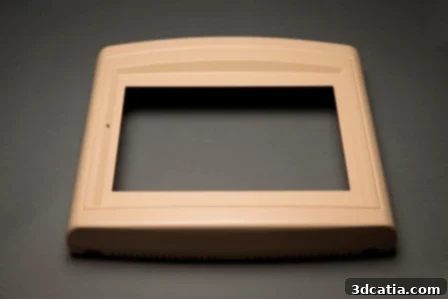
A closer, intricate look at the innovative 3D printed screen frame, highlighting its sophisticated design and precision finish.
The resounding successful completion of this pilot project marks not an end, but merely the exciting beginning of a much larger, transformative journey. Strata Manufacturing, a pivotal player in this groundbreaking collaboration, is firmly committed to continuously exploring and thoroughly integrating 3D printing technology across an even wider spectrum of aviation applications. Their enduring and robust partnership with Siemens underscores a deeply shared vision for the future of advanced manufacturing. Together, they will delve into increasingly complex and practical applications that aim not only to further optimize aircraft performance and enhance operational efficiency but also to significantly contribute to developing local knowledge and expertise in additive manufacturing. This strategic focus on fostering local capability building is absolutely crucial, as it seeks to cultivate a highly skilled workforce and establish an indigenous, thriving ecosystem for advanced manufacturing within the UAE. Al Olama, the visionary CEO of Strata, articulates this ambitious and far-reaching goal: to “Help solve global problems by making this type of manufacturing accessible to everyone everywhere.” This powerful vision extends significantly beyond mere corporate profitability, aiming instead to democratize access to cutting-edge production capabilities and actively drive sustainable development on a truly global scale.
The broader implications of this increased accessibility are vast and far-reaching. Imagine remote geographic areas or developing economies gaining the critical capacity to produce essential or specialized parts on demand, thereby significantly reducing their reliance on complex, often vulnerable, global supply chains and simultaneously fostering local economic resilience. In the specific context of aviation, this could translate into faster, more efficient repairs at remote airfields, dramatically reduced inventory holding costs for airlines, and the ability to customize aircraft interiors more economically and efficiently than ever before. The ability to produce high-quality parts locally, with substantially reduced lead times and minimal material waste, contributes immensely to the adoption of more sustainable and environmentally friendly manufacturing practices. Furthermore, the invaluable knowledge transfer and the accelerated development of local talent will strategically position the UAE as a leading hub for additive manufacturing innovation, effectively attracting further investment, fostering a vibrant culture of technological advancement, and securing its place at the forefront of the Fourth Industrial Revolution.
This pioneering work undertaken by Etihad Airways, Siemens, and Strata Manufacturing represents a truly significant milestone in the aerospace industry’s accelerating adoption of additive manufacturing. It powerfully highlights how targeted, synergistic partnerships and meticulously executed pilot projects can effectively pave the way for widespread technological integration and transformative change. The ongoing shift towards digital manufacturing, primarily driven by the advancements in 3D printing, offers unparalleled opportunities for airlines to optimize their intricate operations, enhance passenger comfort and safety, and achieve ambitious greater sustainability goals. The remarkable journey from a conceptual partnership to the tangible, successful implementation of 3D printed aircraft components serves as an inspiring and robust case study for industries worldwide, all of whom are keenly looking to harness the immense power and transformative potential of additive manufacturing.
Looking further ahead, the collaboration will undoubtedly explore more complex and potentially safety-critical components, consistently pushing the boundaries of material science and challenging existing certification processes. The aerospace sector is globally renowned for its exceptionally rigorous safety standards, and consequently, every new material or manufacturing process must undergo extensive, meticulous testing and receive stringent regulatory approval before widespread deployment. This project unequivocally demonstrates a successful and crucial step in navigating these complex challenges, building vital confidence in the reliability and performance of 3D printed parts for aviation applications. The future could foreseeably witness everything from advanced structural components to intricate engine parts being produced additively, ultimately leading to even greater efficiencies, reduced weight, and enhanced performance gains across entire aircraft fleets, thereby revolutionizing air travel as we know it.
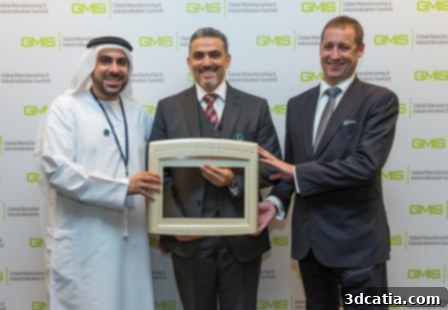
The pertinent question then arises: Will we truly see more 3D printing technology integrated throughout the entire aviation industry, extending beyond interior components to encompass even more critical and structural applications? Given the undeniable and tangible benefits so clearly demonstrated by this groundbreaking partnership—including significant weight reduction, unparalleled design flexibility, dramatically faster prototyping cycles, and the invaluable ability to produce on-demand spare parts—the trajectory appears to be a definitive and resounding yes. The successful deployment of 3D printed screen frames is merely an initial foray, a proof-of-concept into a much broader, more revolutionary potential for additive manufacturing in aerospace. As materials science continues its relentless advancement and as certification processes evolve to embrace these new technologies, additive manufacturing is unequivocally poised to become an indispensable tool for aircraft design, manufacturing, and comprehensive maintenance across the globe, fundamentally redefining the aerospace supply chain and operational paradigms. This profound transformation will not only lead to more efficient, safer, and environmentally friendly air travel but will also foster an unprecedented environment of continuous innovation, inspiring engineers to conceptualize and bring to life components previously deemed impossible to manufacture.
What are your valuable thoughts on the future trajectory and widespread adoption of 3D printing in the aviation industry? Do you personally believe this transformative technology will become a standard practice for aircraft manufacturing, maintenance, and overhaul operations in the coming years? We invite you to share your insightful opinion below or engage with us actively on our Facebook and Twitter pages! We eagerly await your unique perspectives and valuable insights into this exciting and rapidly evolving technological frontier.