
3D-Printed Patches: A New Frontier in Personalized Cancer Treatment and Liver Cancer Therapy
The global fight against cancer faces persistent challenges, marked by a disheartening rise in new cases and fatalities. According to alarming estimates from the World Health Organization (WHO), 2022 witnessed a stark increase, with 20 million new cancer cases and 9.7 million deaths recorded – figures that represent a doubling compared to 2020. In the United States, cancer tragically remains the second leading cause of death, surpassed only by heart disease. Despite continuous advancements in treatment research, the quest for a definitive cure and less debilitating therapies remains a paramount challenge for medical science. However, a groundbreaking study from the University of South Australia (UniSA) is now offering a beacon of hope, particularly in the aggressive battle against liver cancer, through the innovative application of 3D printing technology.
Recent pioneering research suggests that novel 3D-printed patches, meticulously engineered to contain potent anti-cancer drugs, could herald a major paradigm shift in the treatment landscape for liver cancer. These revolutionary patches demonstrate an remarkable ability to eliminate over 80% of targeted cancer cells while simultaneously reducing the critical risk of disease relapse. Furthermore, and crucially for patient quality of life, this localized and precise drug delivery system promises to significantly mitigate the severe and often debilitating side effects commonly associated with traditional systemic chemotherapy. This new therapeutic strategy has the potential to fundamentally transform how this devastating disease is approached and managed.
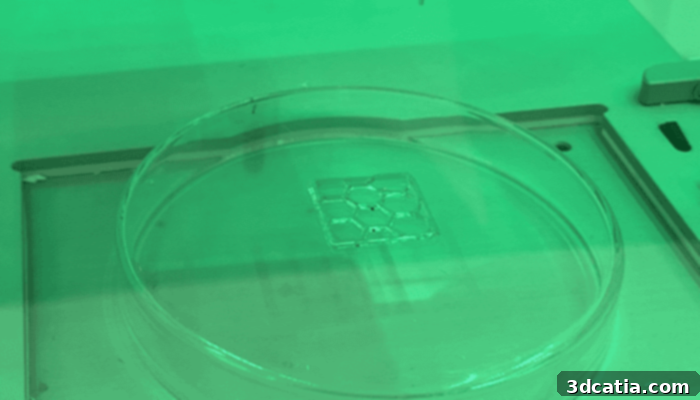
The 3D-printed patch (photo credits: University of South Australia)
3D-Printed Patches: A Targeted Revolution in Post-Surgical Cancer Therapy
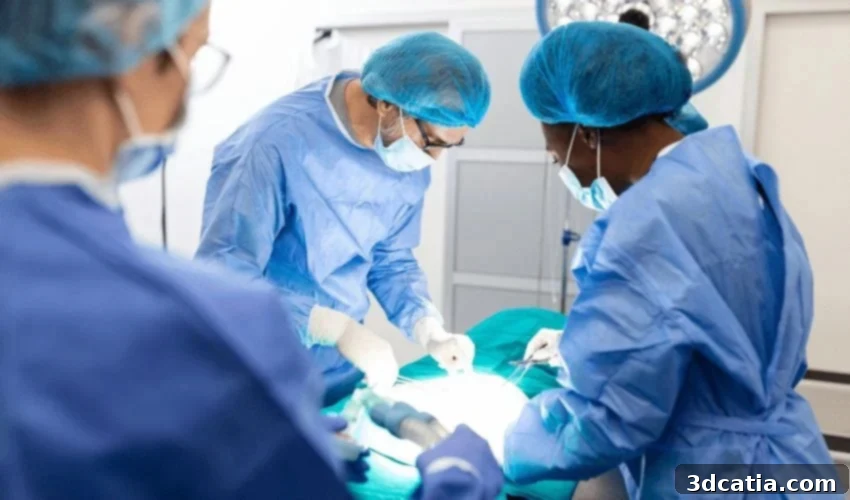
The development of these innovative 3D-printed patches represents a significant leap forward in oncology. Crafted from specialized biocompatible gels that encapsulate anti-cancer chemotherapy drugs, these patches offer an ingenious solution for post-surgical cancer management. Their design allows for precise placement directly into the surgical cavity after a tumor has been removed, ensuring that any remaining, microscopic cancer cells – often responsible for recurrence – are directly targeted. This localized approach stands in stark contrast to conventional systemic chemotherapy, which circulates throughout the entire body, inevitably leading to widespread and often severe side effects such as chronic nausea, profound fatigue, hair loss, and compromised immune function. By delivering therapeutic agents precisely where they are needed most, these patches are expected to drastically reduce such adverse reactions, thereby significantly enhancing patient comfort and improving their overall quality of life during treatment.
While initially developed and rigorously tested for the formidable challenge of liver cancer, the underlying principles and technology behind these patches suggest a broad potential for application against a spectrum of other aggressive cancers. Researchers envision their utility in treating ovarian, brain, and neck cancers, where targeted, sustained drug delivery could also prove immensely beneficial. The UniSA research team strategically prioritized liver cancer for their initial studies due to its notoriously aggressive nature, high mortality rates, and particularly high risk of relapse, which can soar up to 70% even after successful surgical removal of the primary tumor. Addressing this critical need underscores the urgency and potential impact of this innovative therapeutic approach.
Addressing the Gaps in Conventional Liver Cancer Treatment
Dr. Souha Youssef, a dedicated researcher at the University of South Australia, emphatically highlights the transformative potential of these new patches in tackling a disease that claims countless lives annually. She elaborates on the current clinical realities: “The established primary treatment protocol for liver cancer typically involves the surgical removal of the tumor, which is then often followed by systemic chemotherapy. While chemotherapy is undeniably crucial for preventing disease recurrence and metastasis, its efficacy is frequently overshadowed by its profoundly debilitating side effects. There are striking statistics that reveal how many patients are compelled to discontinue their treatment due to its sheer aggressiveness and the severe negative impact it has on their daily quality of life. Recognizing this critical gap, our team developed a post-surgery chemotherapy-loaded film. This innovative patch is designed to release specific anti-cancer drugs, namely 5-fluorouracil and cisplatin, directly and precisely into the surgical cavity. This targeted approach ensures that the therapeutic agents are concentrated exactly where residual cancer cells are most likely to linger, allowing for significantly lower overall drug amounts to enter the bloodstream. This direct delivery mechanism is paramount, as high doses of these powerful drugs circulating systemically are the primary cause of severe adverse effects.” Her insights underscore the rationale behind designing a localized and patient-friendly treatment option.
The advent of advanced 3D printing technologies has been instrumental in the development of these revolutionary patches. This cutting-edge manufacturing process empowers researchers to meticulously customize treatments for each individual patient, opening doors to truly personalized medicine in oncology. The early laboratory tests have yielded highly promising results, demonstrating a significantly elevated response rate when these tailor-made treatments are employed against liver cancer cells. Crucially, this enhanced efficacy comes hand-in-hand with a substantial reduction in the brutal and often unavoidable side effects traditionally associated with conventional systemic chemotherapy regimens. This dual benefit of increased effectiveness and improved patient experience positions 3D-printed patches as a potential game-changer.
Personalization: The Cornerstone of Future Cancer Therapy
Professor Sanjay Garg, a Senior Researcher and co-director of UniSA’s esteemed Centre for Pharmaceutical Innovation, further articulates the profound importance of embracing personalized treatment approaches to markedly improve patient outcomes in the complex and diverse landscape of cancer. He emphasizes, “Due to the highly heterogeneous nature of cancer – meaning no two tumors are exactly alike, even within the same cancer type – a ‘one-size-fits-all’ approach is increasingly recognized as suboptimal and, in many cases, simply no longer suitable. 3D printers provide unprecedented flexibility and precision. With a simple touch of a button, these machines unlock endless opportunities to modulate various critical aspects of drug delivery. This includes customizing drug release profiles to achieve optimal therapeutic levels, tailoring the film geometry to perfectly fit individual surgical sites, and adding or removing specific active pharmaceutical ingredients based on a patient’s unique genetic makeup, tumor characteristics, and individual treatment needs. Our films, for instance, have demonstrated remarkable controlled drug release capabilities, lasting for an impressive duration of up to 23 days. This extended release ensures sustained therapeutic benefits, preventing fluctuations in drug concentration that can occur with intermittent dosing.”
Furthermore, Professor Garg highlights another pivotal advantage: “Importantly, the biodegradable nature of these films adds a significant practical and clinical advantage. After the active drugs have been fully released and their therapeutic work is complete, the patch naturally degrades and is safely absorbed by the body, completely eliminating the need for a secondary surgical procedure for removal post-treatment. This makes it a considerably more convenient, less invasive, and ultimately, a more patient-friendly option for liver cancer therapy, significantly reducing the burden on both patients and healthcare systems.” This aspect alone could dramatically improve patient compliance and reduce post-operative complications, marking a major step forward in patient-centered care.
The Road Ahead: From Lab to Clinic
With these highly encouraging preclinical findings, the research team is poised to embark on the crucial next phase: comprehensive preclinical studies. These studies are meticulously designed to determine the essential association between various tumor sizes and the ideal dosing regimens and drug release patterns that will maximize efficacy while minimizing any potential side effects. This step is absolutely critical, as it will provide the foundational data and safety profiles necessary to pave the way for subsequent human clinical trials. Success in these preclinical stages will be a significant milestone, bringing this innovative 3D-printed patch technology closer to becoming a tangible reality for cancer patients worldwide. The journey from initial concept to widespread clinical application is often long and arduous, but the potential impact of this personalized, targeted approach offers profound hope for millions grappling with aggressive forms of cancer.
What are your thoughts on these innovative 3D-printed patches and their potential to revolutionize cancer treatment? Share your opinions and insights in a comment below or connect with us on our LinkedIn, Facebook, and Twitter pages! Don’t miss out on the latest advancements in additive manufacturing – remember to sign up for our free weekly newsletter here to receive the most recent 3D printing news directly to your inbox! You can also explore all our compelling videos and interviews on our YouTube channel for more in-depth content.
*Cover Photo Credits: Freepik