
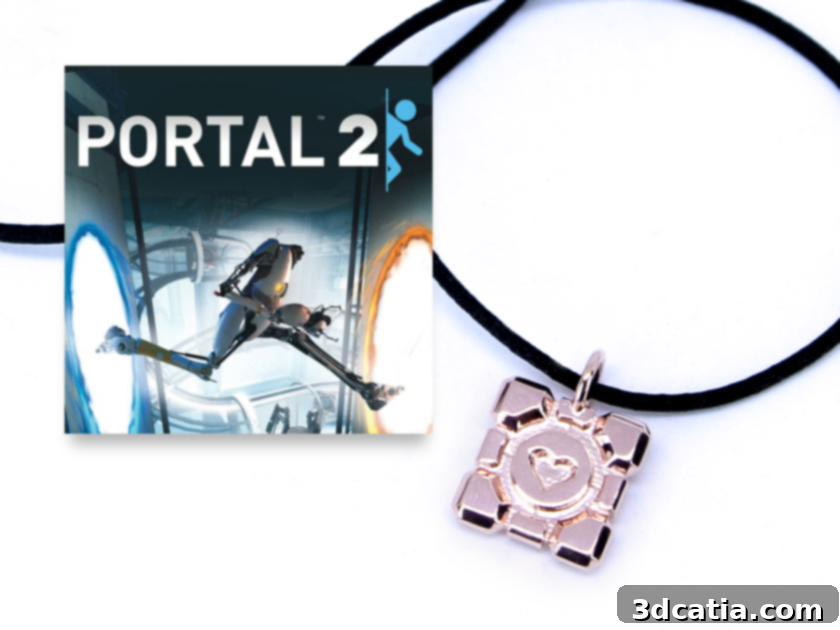
Valve’s Visionary Move: Empowering Fans Through 3D Printing and Collaborative IP Licensing with Shapeways
In a groundbreaking move that signals a significant shift in intellectual property management within the gaming industry, Valve, the legendary creator behind iconic series such as Dota, Half-Life, Portal, and Left 4 Dead, has forged an innovative partnership with Shapeways. This collaboration is designed to empower its vast and passionate fan base, granting them unprecedented permission to legally reproduce, create, and sell merchandise and figures inspired by their beloved games. This strategic alliance not only legitimizes fan-made content but also establishes a collaborative framework that could redefine how digital rights holders interact with their communities in the era of 3D printing.
3D printing stands as a truly disruptive technology, much like digital music distribution or online video streaming before it. Its advent has presented new challenges to established business models and intellectual property (IP) enforcement. However, unlike the early days of file-sharing where corporations often reacted with aggressive legal action against infringers, many large rights-holders have had a decade or more to learn from past mistakes. The music and movie industries, for instance, discovered that prosecuting individual users for piracy often resulted in negative public relations and failed to stem the tide of unauthorized sharing. This historical context makes Valve’s latest initiative particularly noteworthy. Instead of adopting a confrontational stance, Valve is embracing a strategy built on collaboration and trust, demonstrating a willingness to work alongside its fans rather than against them.
Under the terms of this pioneering agreement, makers and dedicated fans are now free to design, 3D print, and subsequently sell a wide array of Valve-related merchandise without the looming threat of legal repercussions or “takedown” requests. This newfound freedom extends beyond mere figures and collectibles; it also encompasses the creation of accessories and modifications for Valve’s hardware platforms. This is particularly significant for products like the Steam Controller and the Steam Link, where community-driven innovation can lead to enhanced functionality and user experiences. By fostering an environment where fans can actively contribute to the ecosystem surrounding their favorite games and hardware, Valve is cultivating a deeper level of engagement and loyalty.
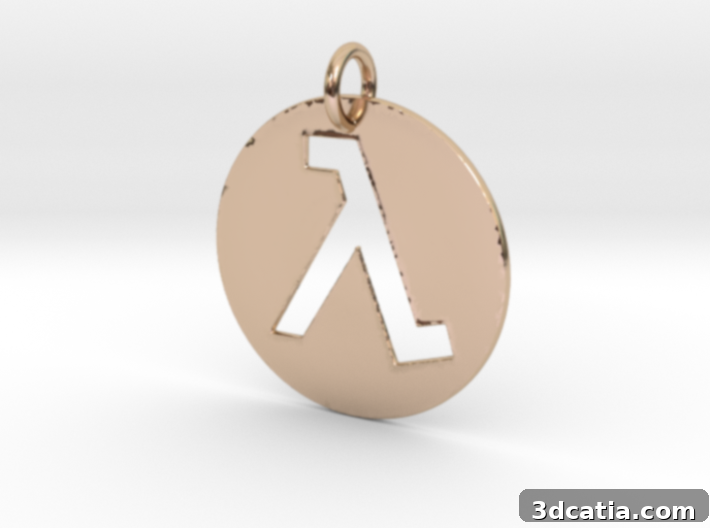
Fan-made Half Life pendant
While this move appears incredibly generous towards the fan community, it’s important to acknowledge that Valve’s decision is not purely altruistic. There are two very clear and compelling motives driving this strategy: financial gain through royalties and the immense value of positive public relations. Firstly, for every Valve-related product successfully sold on the Shapeways platform, Valve receives a 10% royalty. This creates a sustainable revenue stream from previously untapped, unofficial merchandise markets. Secondly, the PR benefits are substantial and immediately obvious. By empowering fans to create and profit from their passion, Valve cultivates an extraordinary level of goodwill and brand loyalty. Fans who feel valued and supported are far more likely to remain dedicated customers and passionate advocates for Valve’s games and products. It’s also a shrewd business decision that encourages grassroots innovation, essentially outsourcing product development and marketing to the most enthusiastic segment of their audience. An interesting detail of this agreement is that no royalties are applied or deducted for modifications specifically made for Steam hardware, further encouraging innovation and customization within their hardware ecosystem.
This partnership represents an equally significant boon for Shapeways, the leading online 3D printing marketplace. The announcement is expected to trigger a massive influx of Valve fans to their platform, eager to both purchase and sell their imaginative, fan-made creations. This will undoubtedly increase Shapeways’ user base, transaction volume, and overall market visibility. Tom Finn, Shapeways’ Interim CEO, underscored this mutual benefit, expressing his enthusiasm: “We’re thrilled that Valve has decided to embrace and empower its fan community in this way, and we’re confident it will pave the way for a new movement in companies engaging with fandoms.” This statement highlights the potential for Valve’s initiative to serve as a powerful precedent, encouraging other major intellectual property holders to reconsider their approach to fan-generated content and explore similar collaborative models.
A Progressive, Collaborative Response to Digital Creation
Valve’s strategy stands in stark contrast to the reactions of many other prominent companies facing similar challenges with fan-made content. Historically, many corporations, particularly those with vast and valuable intellectual property portfolios, have adopted a more defensive and litigious stance. Disney, for example, a company renowned for its stringent protection of trademarks and copyrights, has notably attempted to stifle infringement on fan-made 3D printed products related to its expansive universe of characters and stories. The fact that a behemoth like Disney, with its immense legal resources and long history of IP enforcement, feels threatened by 3D printing underscores the significant disruptive potential of this technology. It highlights that the issue of managing fan-created content is not trivial and requires a carefully considered, forward-thinking approach, which Valve appears to have found.
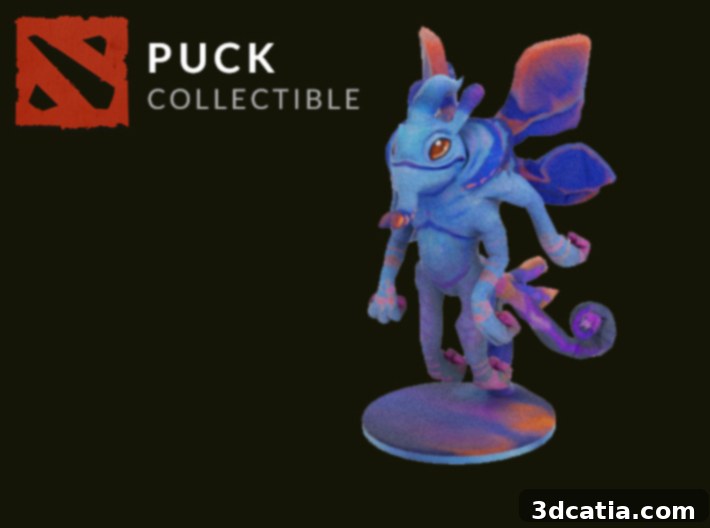
Puck, a fan-made reproduction from Dota 2
A brief perusal of platforms like Shapeways reveals a plethora of products that bear striking resemblance to trademarked content from various franchises. A prominent example includes numerous fan-made reproductions of beloved Pokémon characters such as Pikachu or Charmander. While the Pokémon Company does offer its own range of “official” merchandise, often at significantly higher price points, it’s hardly surprising that consumers frequently opt for more affordable fan-made alternatives. Instead of engaging in a costly and often unwinnable battle against these decentralized creators, or attempting to compete solely on price, Valve has shrewdly adopted what might be described as the “mob boss” route. By allowing this fan-driven trade to continue and flourish, while simultaneously taking a reasonable royalty cut from every sale, Valve effectively legitimizes the market while benefiting from its existence. This pragmatic approach is likely the most effective and sustainable path forward in the current digital landscape. It allows Valve to fully leverage the immense popularity and cultural resonance of its games, foster deeper community engagement, and tap into new revenue streams, creating a truly win-win scenario for all parties involved.
The question of whether Valve’s collaborative model will initiate a broader trend among large corporations remains to be seen. However, we have witnessed similar paradigm shifts in other creative industries. The movie industry, for example, eventually found a happy medium with subscription services like Netflix, which offered legal, convenient, and affordable access to a vast library of content, effectively addressing the widespread issue of unauthorized downloads. The music industry underwent a comparable transformation with the rise of streaming platforms such as Spotify and Tidal, which provided legitimate alternatives to piracy and revolutionized music consumption. Perhaps this marks 3D printing’s version of such an evolution – a form of acceptance that, in an increasingly digital and accessible world, certain intellectual property rights will inevitably be infringed upon, and the most constructive response is to work *with* fans and creators rather than relentlessly pursuing them. While the prospect of actively licensing fan-made content might still make many large corporations hesitant, Valve’s pioneering approach suggests it might indeed be the most pragmatic and beneficial overall response in the long run, fostering innovation, goodwill, and new avenues for monetization.
What are your thoughts on how 3D printing is poised to shake up the intellectual property landscape and reshape industries? We’d love to hear your insights! Share your opinions in a comment below or connect with us on our Facebook and Twitter pages! And don’t forget to sign up for our free weekly Newsletter to receive all the latest news and updates in the exciting world of 3D printing delivered straight to your inbox!