
From Vineyard to 3D Printer: Wine Not Transforms Grape Pomace into Sustainable Filaments
The landscape of additive manufacturing is continuously evolving, with a growing emphasis on sustainability and the innovative reuse of waste materials. Over recent years, we’ve witnessed the emergence of truly unique and alternative 3D printer filaments, pushing the boundaries of what’s possible. From coffee grounds to hemp fibers and even recycled food waste, these pioneering materials are often developed with a singular, noble purpose: to tackle pressing sustainability challenges. Not only do they aim to make the 3D printing industry more environmentally friendly, but they also offer solutions for waste streams from other major markets. Adding to this impressive list of eco-conscious innovations, a new sustainable filament has arrived from the American start-up, Wine Not. This ingenious company is harnessing the significant by-product of wine production – commonly known as grape marc or pomace – as the primary base for its advanced thermoplastic filaments, specially engineered for Fused Deposition Modeling (FDM) 3D printing.
The Environmental Footprint of the Global Wine Industry
The global wine market is a colossal industry, generating immense revenue and consumption volumes annually. According to Statista, worldwide revenue from the wine market alone was projected to reach an astounding $381 billion in 2021, with expectations for an annual growth rate of 8.51%. This staggering figure translates to an average per capita consumption of approximately 3.5 liters globally – an enormous quantity of wine! Naturally, such high demand fuels a booming industry, which saw particular resilience and growth, especially during periods like the recent global pandemic. However, the success and scale of the wine industry are not without their environmental considerations and drawbacks.
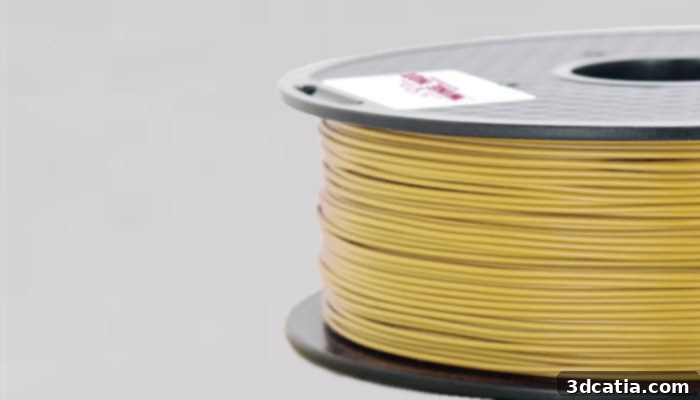
Wine Not’s white wine filament. (Photo Credit: Wine Not)
Beyond the immediate personal consequences of over-indulgence, a significant issue within the wine industry revolves around sustainability. While the sector is often lauded for its generally eco-friendly practices compared to many other agricultural industries, it nonetheless produces a substantial amount of organic waste. This waste, primarily grape marc, poses a considerable environmental challenge as it can unfortunately contaminate surrounding production areas if not managed properly. Grape marc, or pomace, is the solid residue left over after grapes have been pressed for their juice during wine production. It is a complex mixture composed of grape skins, pulp, stems, seeds, and residual juice. Historically, finding a truly sustainable and economically effective solution for the disposal or beneficial reuse of this vast organic by-product has been a persistent challenge for vineyards and wineries worldwide.
Wine Not: Revolutionizing Waste into Resource
Recognizing this critical environmental gap, the innovative American start-up Wine Not, strategically based in the heart of California’s renowned Napa Valley, conceived a brilliant plan. Their vision was to transform this otherwise discarded pomace into a valuable resource, specifically by developing a sustainable 3D printing filament. The manufacturers proudly state that their Wine Not filament possesses properties remarkably similar to standard PLA (Polylactic Acid), making it a highly accessible and versatile material for the additive manufacturing community. This compatibility means it can be readily used on a wide array of Fused Deposition Modeling (FDM) machines, which are common in both professional and hobbyist settings. Furthermore, its origin from agricultural waste positions it as a far more ecological alternative compared to many traditional, petroleum-based thermoplastic polymers.
Filament Specifications and Unique Characteristics
The Wine Not filament is made available at a competitive price point of $34.99 per spool, with each spool containing 0.750kg of material. For optimal printing results, the filament requires an extrusion temperature of 446°F (230°C) and a heated print bed set to 104°F (40°C). These parameters are within the typical range for many FDM printers, making it relatively easy to integrate into existing workflows. One of the most distinctive and perhaps charming characteristics of this filament is its scent. It has been noted to retain a strong, authentic odor of the wine variety from which it was derived, even after undergoing the processing required for filament extrusion. This unique sensory experience offers a novel element to the 3D printing process, potentially making it “perfect if you want to 3D print while you relax,” as humorously suggested by the creators.
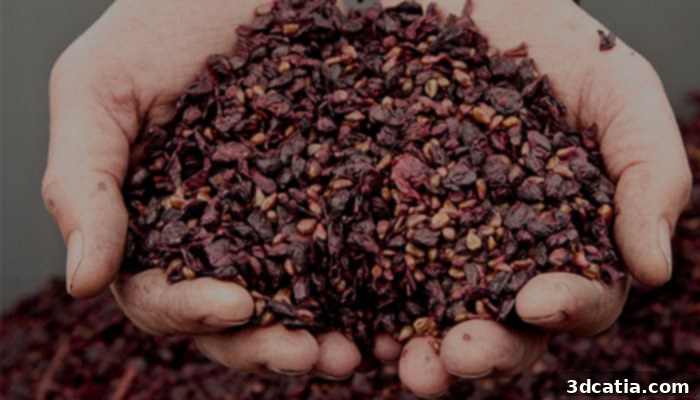
Grape Marc (Photo Credit: Wine Not)
A Vision Rooted in Passion and Sustainability
Discussing the inspiring journey behind the development of their product, co-founders Winifred Cork and Merlow Wynn shared their profound motivation: “We have been wine lovers for years now, and we know that the organic waste it produces can have a negative impact on the environment in the long term. We wanted to find a solution to these ecological concerns, thus allowing us to keep drinking it guilt-free. 3D printing seemed like the logical solution!” Their passion for wine is clearly matched by their commitment to environmental stewardship. They further elaborated on their inspiration: “We have seen what is possible from it in terms of creating food with a 3D printer, as well as developing 3D printing materials from coffee and even beer! So why not wine? Today, we offer three different types of filament made from the three classic wine varieties: red, white, rosé. One for each taste and color!” This diverse offering not only caters to different aesthetic preferences but also highlights the versatility of their processing method, allowing them to capture the essence of various wine types in their filaments.
The Broader Movement Towards Green Additive Manufacturing
The initiative by Wine Not is not an isolated effort but rather an integral part of a much larger, increasingly urgent movement within the additive manufacturing (AM) industry. This movement is fundamentally driven by a collective desire to adopt and integrate more sustainable solutions, particularly concerning the raw materials used in 3D printing – filaments being a prime example. While 3D printing has often been championed as a more eco-friendly alternative to traditional manufacturing methods due to its material efficiency and on-demand production capabilities, there have been growing concerns in recent years regarding whether it can truly be considered a “green” technology. This debate centers on factors such as energy consumption, byproduct waste, and the environmental impact of commonly used plastics.
In response to these legitimate concerns, various innovative start-ups and even major companies within the AM sector have stepped up their efforts. They are actively engaged in developing and utilizing recycled products and bio-based materials to create new lines of sustainable filaments. This approach significantly reduces the reliance on virgin plastics, thereby diminishing their environmental footprint. More importantly, these efforts contribute directly to the establishment of a more circular economy – a system where resources are kept in use for as long as possible, extracting the maximum value from them whilst in use, then recovering and regenerating products and materials at the end of each service life. The use of wine waste as a base for 3D printing filament, as pioneered by Wine Not, represents just the latest and most imaginative material innovation to emerge from this crucial and forward-thinking drive towards genuine sustainability in manufacturing.
Navigating Challenges and Regulatory Considerations
Despite its innovative and eco-friendly premise, the Wine Not filament does come with a few notable considerations and potential drawbacks that users should be aware of. Given that the filament is composed of materials derived from alcoholic beverages, the company has implemented a policy reflecting existing alcohol regulations. Consequently, it is currently not available for sale in the United States to individuals under the age of 21, mirroring the legal drinking age. This regulation, while logical given the source material, creates a unique sales restriction within the 3D printing market.
Furthermore, the Food and Drug Administration (FDA) in the US has not yet approved the filament for applications involving human consumption or contact. In light of this, Wine Not has issued a clear statement explicitly warning users against eating or ingesting parts made using their filament, as it has not undergone the rigorous testing required for human consumption safety. This is a crucial safety advisory that all users must adhere to. Another significant concern that has been raised pertains to potential health and safety implications during the 3D printing process itself. There have been questions about whether alcoholic fumes might be released into the air when the filament is heated to its extrusion temperature. While further studies may be needed, as a precautionary measure, users are advised to ensure adequate ventilation when printing with this filament and to refrain from activities that require full mental clarity, such as driving, immediately after prolonged exposure to printing environments where Wine Not filament is being used.
A Toast to Innovation and a Humorous Twist
The innovative spirit behind companies like Wine Not exemplifies the ongoing quest for more sustainable and creative solutions within the additive manufacturing sector. Transforming what was once a burdensome waste product into a valuable resource for 3D printing not only addresses environmental concerns but also opens new avenues for material science and product design. This kind of ingenious thinking is vital as industries worldwide strive to minimize their ecological footprint and contribute to a healthier planet. While the journey for such novel materials involves navigating regulatory landscapes and ensuring user safety, the potential for positive impact is undeniable.
If you’re eager to delve deeper into how Wine Not is pioneering the use of wine waste for these unique filaments, you might be tempted to seek more information. You can supposedly find additional details on their website HERE or in their press release HERE.
Thumbnail Photo Credit: Wine Not
Did you fall for the prank? Let us know if you believed our April Fool’s Day article in a comment below or on our Facebook, Twitter and LinkedIn pages! Sign up for our free weekly Newsletter here, the latest 3D printing news straight to your inbox!