
Weekly Additive Manufacturing Innovations: UK MOD Strategy, Sustainable 3D Printed Food, & Eco-Friendly Materials
The world of additive manufacturing, commonly known as 3D printing, continues to evolve at a rapid pace, bringing forth groundbreaking innovations across various sectors. This week has been particularly dynamic, offering a glimpse into the future of manufacturing, sustainability, and technological accessibility. In this comprehensive edition, we’ll delve into the United Kingdom’s strategic commitment to advanced manufacturing, explore a revolutionary plant-based food alternative, uncover new solutions for accessible resin 3D printing, examine a pioneering initiative to transform plastic waste into valuable printing material, and highlight a significant partnership in sustainable metal powder production. Each development underscores the transformative potential of 3D printing, from enhancing national defense capabilities to fostering environmental responsibility and expanding creative possibilities for users worldwide. Join us as we explore these exciting advancements shaping the landscape of modern production.
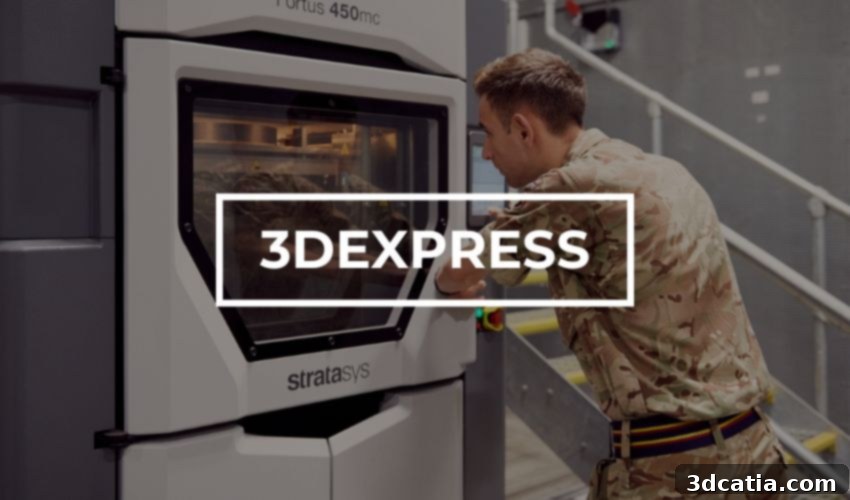
UK MOD Unveils Landmark Defence Advanced Manufacturing Strategy
In a significant move that mirrors global trends in military innovation, the UK Ministry of Defence (MOD) has officially released its comprehensive “Defence Advanced Manufacturing Strategy.” This pivotal document marks the first time the MOD has formalized its approach to advanced manufacturing technologies, particularly additive manufacturing (AM), solidifying its existing engagement with these transformative processes. By embracing AM, the UK armed forces aim to unlock a myriad of strategic advantages, crucial for maintaining a technological edge and operational readiness.
The strategy places a strong emphasis on leveraging additive manufacturing to bolster supply chain resilience. In an era of complex global logistics and potential disruptions, the ability to rapidly produce parts on-demand, closer to the point of need, is invaluable. This directly translates into an increased speed of response for critical repairs and replacements, significantly shorter lead times for essential components, and unparalleled access to parts that might otherwise be obsolete or difficult to source through conventional channels. Furthermore, the MOD highlights the potential for improved environmental and operational sustainability, as AM often allows for material optimization, reduced waste, and localized production.
While outlining these substantial benefits, the Defence Advanced Manufacturing Strategy also prudently addresses the inherent risks associated with adopting such cutting-edge technologies. It provides a clear framework for identifying these challenges and details the activities required for effective mitigation, ensuring a responsible and robust implementation. This strategy is not developed in isolation but builds upon prior successful initiatives by the MOD to integrate AM, including notable projects like Project Tampa. By laying out a clear roadmap, the MOD is setting a precedent for how national defense bodies can strategically harness advanced manufacturing to enhance security, efficiency, and sustainability for years to come.

Photo Credits: UK MOD
Revo Foods Pioneers Sustainable Seafood with 3D Printed Black Cod Alternative
Innovating at the intersection of food technology and sustainability, Revo Foods, an Austrian startup, has achieved another significant milestone with the launch of its 3D printed black cod alternative. Known scientifically as sablefish, black cod is highly prized in culinary circles for its delicate, melt-in-the-mouth texture and rich flavor. Revo Foods’ new product, aptly named EL BLANCO, aims to replicate this exquisite experience using a revolutionary plant-based composition.
EL BLANCO is meticulously crafted from a blend of mushroom proteins and microalgae oils, designed to mimic the authentic taste and flaky texture of traditional black cod. This innovative fillet is brought to life through Revo Foods’ advanced extrusion 3D printing machines, the same technology that successfully produced their acclaimed 3D printed salmon fillet. A key highlight of this new alternative is its impressive nutritional profile; it is engineered to be rich in essential omega-3 fatty acids, offering health benefits comparable to its fish counterpart. The layered structure achieved through 3D printing is crucial for preserving the nuanced flavor and delivering an authentic mouthfeel, making it a compelling option for both seafood lovers and those seeking sustainable dietary choices.
At the heart of EL BLANCO’s composition is mycoprotein, a protein derived from fermented mushrooms. This ingredient offers numerous advantages, most notably its remarkably fast growth rate – its biomass can double every five hours. This rapid proliferation makes mycoprotein an exceptionally sustainable and widely available component, significantly reducing the environmental footprint typically associated with seafood production. By utilizing 3D printing and sustainable ingredients, Revo Foods is not only offering a delicious alternative but also contributing to the critical goal of reducing overfishing and promoting healthier ecosystems. Consumers in Austrian and German supermarkets can look forward to trying EL BLANCO very soon, with availability expected from April 2025, marking an exciting step forward in the future of sustainable food.
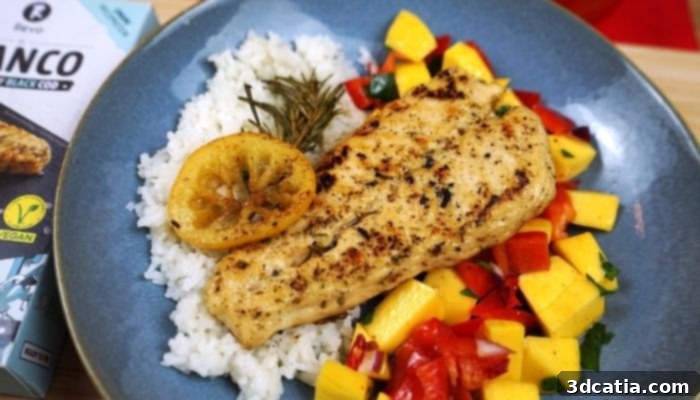
Black cod with spicy mango (photo credits: Revo Foods)
PioCreat Unveils HALOT-X1 16K: Redefining Accessible Resin 3D Printing
This week, PioCreat, a dynamic subsidiary of the renowned 3D printing giant Creality, made waves with the launch of its innovative HALOT-X1 16K resin 3D printer on Kickstarter. Positioned to democratize high-resolution resin printing, the HALOT-X1 enters the market with an attractive starting price of $399. This strategic pricing, combined with a suite of advanced features, aims to make professional-grade resin 3D printing significantly more accessible to a broader audience, from hobbyists to small businesses, without compromising on quality or performance.
The HALOT-X1 is engineered with several key innovations designed to optimize the printing process and enhance user experience. One of its standout features is the ability to commence printing immediately, eliminating the need for tedious prior adjustments and calibration steps often associated with resin printers. This ‘plug-and-play’ functionality greatly simplifies the initial setup, allowing users to dive straight into their creative projects. Complementing this ease of use is a newly developed motion system that significantly improves printing stability, resulting in fewer imperfections and consistently higher-quality models. Furthermore, the manufacturing plate incorporates a convenient quick-release mechanism, enabling effortless and damage-free removal of finished prints – a common pain point for many resin 3D printer users.
Beyond mechanical enhancements, the HALOT-X1 boasts an intelligent exposure system featuring 92 precisely controlled light zones. This meticulous control optimizes curing, ensuring exceptional detail and accuracy across the entire build plate, while simultaneously extending the lifespan of the high-resolution 16K LCD screen. Perhaps one of the most revolutionary aspects is the integrated AFU (Automatic Feeding Unit) system. This intelligent system autonomously manages the resin, handling feeding, recycling, and even heating, which is particularly beneficial for maintaining optimal performance in cooler environments. By automating these critical steps, the HALOT-X1 minimizes user intervention and potential errors, further enhancing its appeal for those new to resin technology. With its blend of precision, robust features, and user-centric design, PioCreat’s HALOT-X1 sets a new benchmark for accessibility and efficiency in the competitive resin 3D printing market.
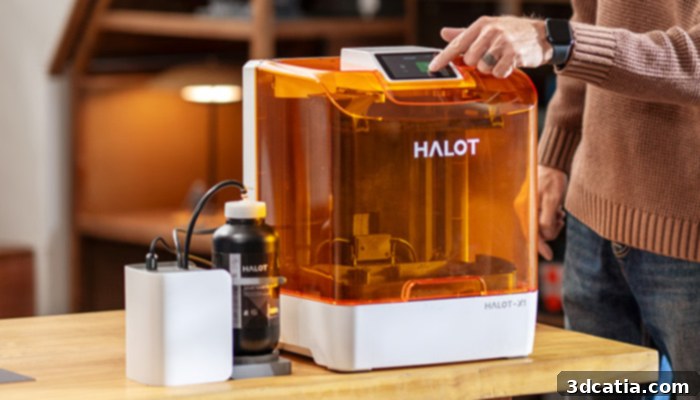
Photo Credits: PioCreat
Fraunhofer Institute Pioneers 3D Printing Materials from Recycled Packaging Waste
The escalating global challenge of plastic waste, particularly from packaging, demands innovative solutions. Germany alone generates a staggering 5.6 million tons of plastic packaging waste each year, with less than one-third currently being recycled. This pressing environmental issue highlights a critical need for more efficient and circular approaches to material management. In response to this challenge, the esteemed Fraunhofer Institute, in a collaborative effort with the Hochschule Bremen, has developed a groundbreaking method to transform this abundant waste into high-quality material specifically engineered for 3D printing.
The sophisticated process begins with the diligent collection and meticulous purification of polypropylene (PP) plastic derived directly from existing sorting plants. Achieving the high purity required for additive manufacturing is paramount, and the researchers employ advanced techniques to ensure this. These methods include flotation separation, which precisely distinguishes different plastic types by density, and cutting-edge near-infrared (NIR) technology, which allows for highly accurate material identification and sorting. Through this rigorous purification regime, the project successfully attains an impressive purity level exceeding 99.8%, a critical factor for producing reliable 3D printing filaments.
Once purified, the reclaimed polypropylene material undergoes further processing. It is meticulously ground into fine particles, thoroughly dried to remove any moisture that could compromise print quality, and then extruded at temperatures exceeding 200°C. This extrusion process precisely forms homogeneous filaments, ensuring consistent diameter and material properties, making them perfectly suitable for various 3D printing applications. This pioneering breakthrough offers multifaceted benefits. Not only does it make a substantial contribution to the circular economy by repurposing waste into valuable resources, but it also proactively addresses stringent upcoming EU regulations. These regulations mandate significantly higher recycled content in plastic packaging by 2030 and 2035, positioning Fraunhofer’s innovation as a vital step towards meeting these environmental targets and fostering a more sustainable future for manufacturing.
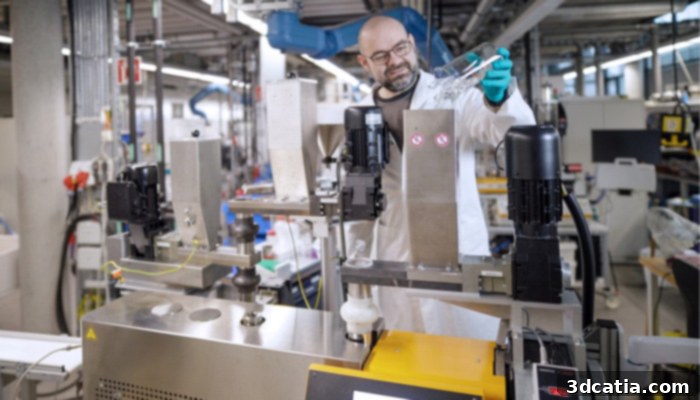
Photo Credits: Fraunhofer
TRUMPF Partners with 6K Additive to Qualify Sustainable Titanium Powder for TruPrint Systems
In the demanding world of industrial additive manufacturing, the synergy between a high-performance printing system and superior-quality materials is paramount for customer satisfaction and successful applications. Recognizing this fundamental principle, TRUMPF, a global leader in laser technology and machine tools, has strategically partnered with 6K Additive to address the growing market demand for more environmentally responsible materials. This collaboration has culminated in the successful qualification of 6K Additive’s advanced titanium metal powder for use on TRUMPF’s acclaimed TruPrint systems, marking a significant step towards sustainable metal 3D printing.
6K Additive distinguishes itself in the additive manufacturing industry as one of the pioneering manufacturers to explicitly prioritize sustainable resources in its powder production. Their innovative UniMelt® technology, for example, is renowned for its ability to transform scrap material into high-quality metal powders with a significantly reduced carbon footprint compared to conventional methods. The rigorous qualification of this titanium powder on TRUMPF’s TruPrint systems offers substantial benefits for customers of both companies. It not only enables them to produce complex, high-quality components vital for high-performance industries such as aerospace, medical, and automotive, but also empowers them to proactively achieve their corporate sustainability goals by incorporating eco-friendly materials into their production cycles.
Dennis Pede, a Materials Engineer at TRUMPF, underscored the value of this partnership, stating, “Having 6K Additive’s titanium sustainable powder added as an approved qualified powder, ensures customers get the quality assurance with the added value of driving down their CO2 footprint.” This sentiment was echoed by Frank Roberts, President of 6K Additive, who added, “We continue to hear from our aerospace and defense customers asking us to help lower the barriers for qualification for their applications. The collaboration between our two companies did just that by ensuring the machine and powder are qualified ahead of their own internal qualification, which will streamline the customer’s process into production faster. We are excited to work with the TRUMPF team on titanium and other powders in our portfolio going forward.” This strategic alliance not only simplifies the qualification process for end-users, accelerating their time to production, but also reinforces the industry’s shift towards more sustainable and efficient manufacturing practices, setting a new standard for responsible innovation in metal additive manufacturing.
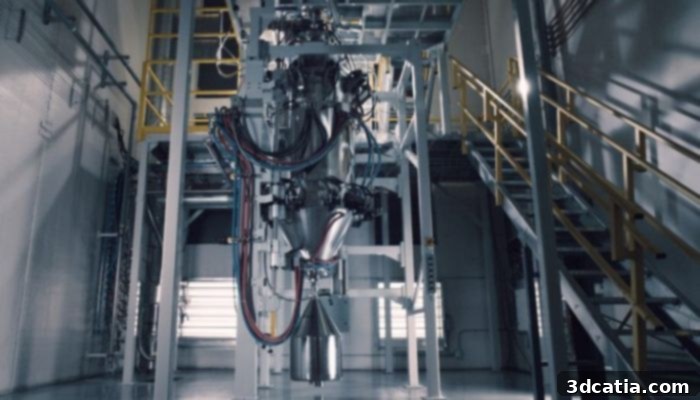
6K Additive’s UniMelt® technology enables precise spheroidization of metal powders while controlling the chemistry and porosity of the final product without contamination (photo credits: incus media)
This week’s roundup of additive manufacturing news showcases the dynamic and impactful evolution of 3D printing across diverse sectors. From national defense strategies leveraging AM for enhanced resilience, to the culinary innovation of 3D printed plant-based seafood, and the critical advancements in transforming waste into valuable manufacturing materials, the industry continues to push boundaries. The launch of accessible 16K resin printers and strategic partnerships for sustainable metal powders further emphasize a collective drive towards efficiency, sustainability, and broader adoption. These developments collectively paint a picture of an industry not just growing, but profoundly reshaping how we produce, consume, and innovate.
What are your thoughts on these exciting advancements in additive manufacturing? We invite you to share your perspectives in the comments section below, or engage with us on our social media platforms including LinkedIn, Facebook, and Twitter! To ensure you never miss out on the latest breaking news and insights from the world of 3D printing, remember to sign up for our free weekly Newsletter here, delivered directly to your inbox. You can also discover more in-depth content and visual demonstrations by visiting our YouTube channel.