
Leading Bioink Manufacturers: A Comprehensive Guide to the Future of 3D Bioprinting Materials
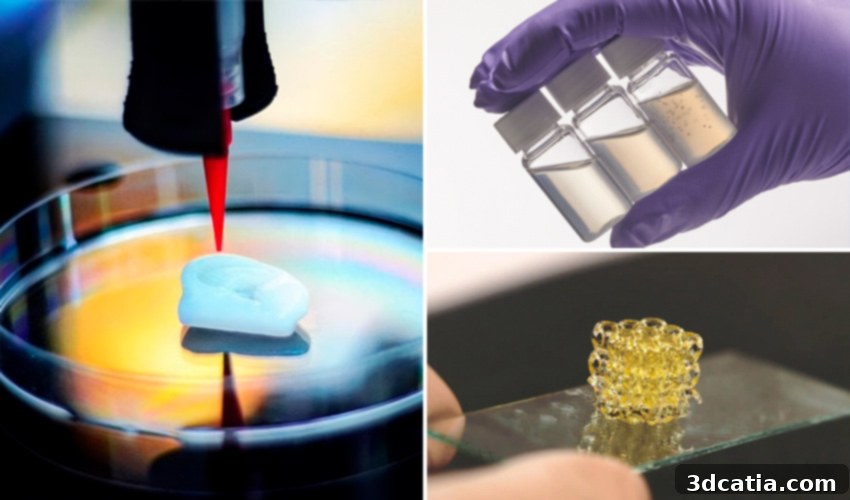
The field of bioprinting represents a revolutionary frontier in medicine and biology, leveraging advanced 3D printing techniques to create intricate living tissue models. This cutting-edge technology holds immense potential, enabling researchers to push the boundaries of personalized medicine, engineer complex tissues for various applications, and conduct more accurate drug and cosmetic testing. While still a long-term goal, the ability to 3D print fully functional human organs promises to transform the landscape of transplant medicine, offering hope to thousands awaiting life-saving procedures. At the heart of this innovation lies the development and utilization of specialized materials known as bioinks. These printable materials are ingeniously designed to incorporate live cells and a variety of bioactive molecules, serving as the essential building blocks for bioprinted structures. Despite their diverse compositions, most bioinks are engineered to facilitate crucial biological processes such as cell adhesion, proliferation (growth and multiplication), and differentiation (specialization) during the maturation of the engineered tissue. Understanding the market landscape of these vital materials is key to appreciating the rapid advancements in bioprinting. To provide a clear overview, we have compiled a list of prominent companies actively developing and supplying bioinks, detailing the types of innovative inks they produce.
Advanced BioMatrix: A Comprehensive Solution for Bioprinting
Based in San Diego, Advanced BioMatrix stands out as a specialist in advanced 3D applications, with a strong focus on tissue culture, cell assay development, bioprinting, and enhancing cell proliferation. Beyond its significant role as a bioink producer, the company possesses extensive expertise across the entire bioprinting workflow, encompassing production, isolation, purification, cell culture, protein testing, and the development of other 3D matrix products. This comprehensive capability positions Advanced BioMatrix as an all-inclusive provider for a wide spectrum of bioprinting requirements. The company offers a diverse portfolio of bioprinting hardware, including two different Digital Light Processing (DLP) printers, a Two-Photon Polymerization (2PP) printer, and an extrusion bioprinter, each optimized for specific applications. Complementing this hardware, Advanced BioMatrix provides an impressive selection of over two dozen bioinks, each meticulously tailored to work seamlessly with their respective bioprinting technologies. Their extensive lineup includes bioinks formulated with essential extracellular matrix components such as collagen, hyaluronic acid, and gelatin, among others. Furthermore, to cater to unique research demands, Advanced BioMatrix also supplies base inks, empowering users to craft custom bioinks precisely engineered for their specific experimental needs, thus fostering innovation and flexibility in bioprinting research.
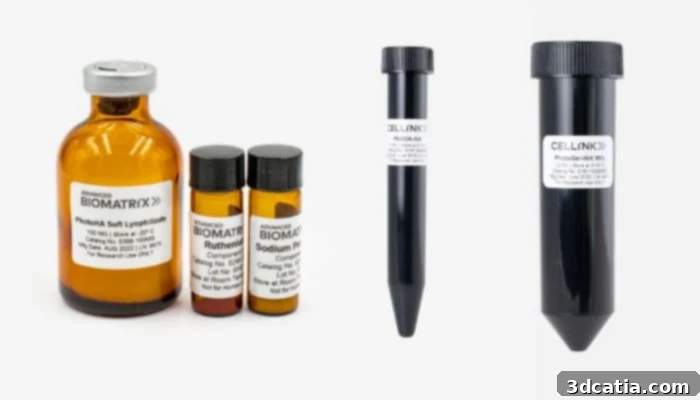
A few of Advanced BioMatrix’s bioinks, including PhotoHA®-Soft (left), PEGDA-INK (center) and PhotoGel®-INK (right). (Image credit: Advanced BioMatrix)
Allevi: Simplifying 3D Tissue Design with Integrated Solutions
Allevi, which became an integral part of 3D Systems in 2021, is dedicated to streamlining the complex process of designing and engineering 3D tissues. Their core mission revolves around making advanced bioprinting accessible and efficient for researchers globally. To achieve this, Allevi develops and manufactures a synergistic range of products, including both state-of-the-art bioprinters and a comprehensive portfolio of bioinks that are utilized by leading scientific institutions worldwide. Their current offerings are extensive, encompassing a wide selection of bioinks, specialized bioink additives, various cell types, essential reagents, and consumables. These materials are meticulously developed to support the bioprinting of diverse tissue models, including those for the liver, heart, bone, cartilage, kidney, nervous system, skin, vascular system, lung, and brain. This broad scope highlights Allevi’s commitment to addressing a wide array of research and therapeutic needs. Allevi proudly asserts that all its bioinks undergo rigorous testing and validation by both academic researchers and the tissue engineering industry, ensuring optimal biological results and reliability in experimental settings. Common materials frequently incorporated into their bioink formulations include collagen and hyaluronic acid, renowned for their biocompatibility and ability to mimic the native extracellular matrix.
Some of the materials available from Allevi (Photo credits: Allevi)
BIO INX: Innovating Bioinks for Diverse Bioprinting Technologies
Recognized as one of the most innovative 3D startups in 2023, BIO INX emerged as a spin-off from the esteemed Ghent University and Vrije Universiteit Brussel. The company’s primary focus is on the commercialization of advanced materials and high-performance bioinks specifically designed for the rapidly evolving field of 3D bioprinting. BIO INX offers a versatile array of ready-to-use bioinks, engineered to be compatible with a broad spectrum of bioprinting technologies. These include offerings optimized for deposition-based 3D printing, high-precision multiphoton lithography, digital light processing (DLP) and stereolithography (SLA) techniques, and cutting-edge volumetric printing. This extensive compatibility ensures that researchers and developers have access to suitable materials regardless of their preferred bioprinting setup. Furthermore, BIO INX distinguishes itself by allowing customers to select bioinks based on specific application requirements. Whether the goal is to bioprint tissues for bone, cardiac, cartilage, ocular, or advanced organ-on-chip models, BIO INX provides tailored solutions. The selection can also be guided by desired biological functions, such as formulations designed for no cell interactivity, efficient cell encapsulation within the printed structure, or optimal cell seeding onto a scaffold. This modular approach empowers researchers with unparalleled flexibility and precision in their bioprinting experiments, fostering groundbreaking advancements in regenerative medicine and tissue engineering.
Photo credit: BIO INX
Cellbricks Therapeutics: Innovation with Implantable Tissue Therapies
Cellbricks Therapeutics is pioneering the development of implantable tissue therapies with the ultimate aim of significantly enhancing both the longevity and quality of patients’ lives. Leveraging its proprietary biomanufacturing platform and a decade of specialized expertise in tissue engineering, the company is creating groundbreaking solutions. These solutions are meticulously designed to be biologically functional, ensuring they integrate seamlessly with the body’s natural systems, and immunocompatible, minimizing the risk of adverse immune reactions. Crucially, they are also tailored for surgical implantation, addressing a critical need in regenerative medicine. By making cellular treatments readily implantable, Cellbricks Therapeutics represents a pivotal breakthrough, guaranteeing the stability and efficacy of grafted tissues for effective therapeutic outcomes. The company’s innovative approach combines therapeutic cells with customized biomaterials through a sophisticated light-based bioprinting process to meticulously design and fabricate these advanced regenerative solutions. This precision manufacturing allows for the creation of intricate, functional tissues that can be directly integrated into the body, offering new hope for conditions previously deemed untreatable. Their focus on clinical translation distinguishes Cellbricks Therapeutics as a leader in bridging the gap between advanced bioprinting research and practical patient care.
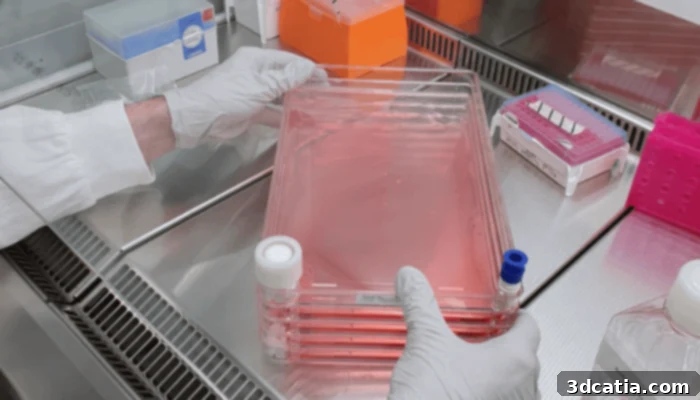
Photo credit: Cellbricks
CELLINK: A Pioneer in Universal Bioinks and Bioprinting Systems
CELLINK stands as a recognized leader and innovator in the dynamic field of 3D bioprinting, consistently delivering advanced technologies engineered to deepen our understanding and control over complex biological processes. The company is driven by a mission to develop universally accessible 3D bioprinting solutions, providing researchers across the globe with the essential tools required to revolutionize the future of healthcare. A pivotal moment in the bioprinting industry occurred in January 2016 when CELLINK unveiled the world’s first universal bioink. This groundbreaking introduction significantly lowered the barrier to entry for many researchers, fostering widespread adoption and accelerating innovation in tissue engineering and regenerative medicine. Beyond their renowned bioinks, CELLINK designs and manufactures a comprehensive suite of cutting-edge 3D bioprinters, each tailored to specific research needs and applications. Their impressive portfolio includes popular models such as the BIO X™, known for its versatility; the high-throughput BIO X6™; the user-friendly INKREDIBLE+™; the advanced BIONOVA X; the light-sheet bioprinter LUMEN X™; the Quantum X bio, offering unparalleled resolution; and the compact BIO ONE. This integrated approach, combining advanced hardware with pioneering bioink formulations, cements CELLINK’s position at the forefront of the bioprinting revolution, empowering scientists to make unprecedented discoveries and develop life-changing therapies.
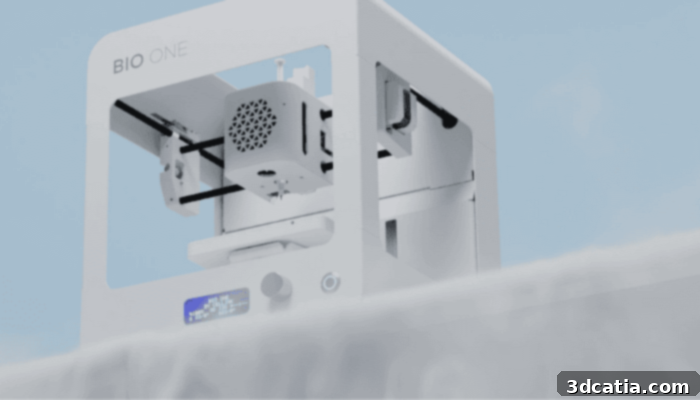
Photo credit: CELLINK
CollPlant’s Plant-Derived Collagen Bioinks: A Sustainable Innovation
CollPlant is a leading regenerative and aesthetic medicine company that is making significant strides in developing innovative technologies and products for tissue regeneration and organ manufacturing. Central to their groundbreaking approach is a proprietary plant-based technology that produces human-type I collagen (rhCollagen). This bioengineered collagen is chemically and structurally identical to the collagen naturally produced by the human body, offering superior biocompatibility and functionality. Leveraging this advanced material, CollPlant has developed a specialized line of bioinks known as Collink.3D Human Collagen BioInk. These unique bioinks, derived from genetically modified plants, offer several distinct advantages. They are mass-produced with exceptional consistency, which is crucial for reproducible research and clinical applications. This high consistency enables them to perfectly mimic the native properties of biological tissues and organs, providing an ideal scaffold for cell growth and differentiation. The plant-derived nature of the collagen also ensures broad compatibility with a wide variety of cell types, minimizing immunogenicity concerns often associated with animal-derived collagens. In addition to their pioneering bioinks for 3D bioprinting of tissues and organs, CollPlant also offers a range of products tailored for various medical aesthetics applications, showcasing the versatility and broad impact of their rhCollagen technology in both regenerative medicine and cosmetic fields.

Photo credit: CollPlant
Foldink’s Hydrogel Bioinks: Mimicking the Extracellular Matrix
Foldink stands as a recognized expert in the realm of bioinks, bioprinters, and complementary equipment and materials essential for biomedical research and applications. The company has dedicated its efforts to developing advanced bioinks meticulously designed to replicate the intricate structure and critical properties of the natural extracellular matrix (ECM). This biomimetic approach is crucial for fostering optimal tissue development and functionality within bioprinted constructs. Foldink’s bioinks are primarily targeted at research laboratories, providing them with reliable and effective tools for groundbreaking discoveries. The company offers two principal types of bioinks: hydrogel bioinks and freeze-dried bioinks, each engineered to address distinct research requirements. Within its hydrogel bioinks category, Foldink provides convenient ready-to-use syringes, alongside specialized bioinks precisely formulated for specific tissue types, including skin, bone, heart, and liver. This tailored approach ensures that researchers have access to materials optimized for their target tissues. On the other hand, Foldink’s freeze-dried bioinks represent a cutting-edge solution, innovatively combining the superior advantages of GelMa (gelatin methacryloyl) and collagen. This combination yields enhanced results in tissue engineering applications, offering increased thermal resistance for improved structural integrity and superior tissue cross-linking, which contributes to more stable and functional bioprinted constructs. These advanced bioinks underscore Foldink’s commitment to pushing the boundaries of what’s possible in regenerative medicine.
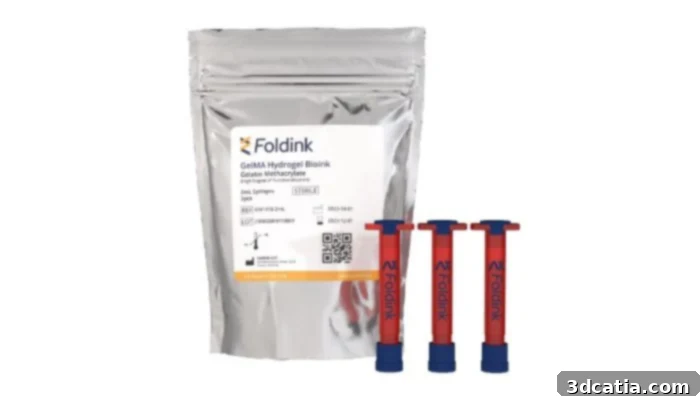
Photo credit: Foldink
Humanbiologics: Revolutionizing Biomaterials with Human-Derived Solutions
Humanbiologics, an innovative US-based company established in 2018, is dedicated to advancing regenerative medicine by providing high-quality, human-derived biomaterials. These essential materials are utilized across a wide array of applications, including regenerative medicine therapies, advanced 3D cell culture systems, sophisticated disease modeling, and cutting-edge 3D bioprinting. The company holds the unique distinction of being the first enterprise solely focused on ensuring a stable, affordable, and high-quality supply of human-derived biomaterials to researchers globally. This commitment addresses a critical need in the scientific community, as human-derived materials offer significant advantages over animal-derived alternatives in terms of biocompatibility and clinical relevance. Humanbiologics operates with stringent ethical standards and in close collaboration with the American Association of Tissue Banks. This partnership allows them to responsibly store and process donated human tissue that, while unsuitable for transplantation, is invaluable for research purposes. Through this collaboration, they efficiently provide crucial biomaterials to the scientific community. Their product catalog includes human gelatin, human collagen, and various extracellular matrices. These materials are instrumental for translational research, eliminating the reliance on animal biomaterials which often carry risks of immunogenicity and pathogen transmission. Furthermore, the versatility of Humanbiologics’ products allows them to be used either independently or in combination with other biomaterials, making them suitable for a vast range of applications across numerous disciplines within the life sciences.
Photo credit: Humanbiologics
Innoregen: Advancing Bioinks and Tissue Engineering in Korea
The Korean company Innoregen, originally founded in 2018 under the name Bioink Solution, was established with an ambitious vision: to emerge as a global leader in the critical fields of bioinks and tissue engineering. This aspiration is being realized through a relentless pursuit of innovative technology and a commitment to competitive excellence. A significant milestone for the company came in 2020 with the release of Col4Cell, a groundbreaking collagen-based bioink specifically engineered for 3D bioprinting. Col4Cell, formulated with collagen hydrogel, offers demonstrably improved biocompatibility and enhanced structural safety, making it a highly valuable material for applications in regenerative medicine. Beyond merely supplying bioinks, Innoregen also provides researchers with living tissues tailored to meet the specific demands of numerous research projects across various relevant scientific areas. This bespoke service ensures that the tissues are individually customized according to the precise research purpose, field, and topic, thereby optimizing experimental outcomes. The company’s comprehensive portfolio of bioinks includes several advanced formulations such as Gel4Cell, Gel4Cell®-BMP, Gel4Cell®-VEGF, Gel4Cell®-TGF, and the aforementioned Col4Cell. These diverse bioinks are designed for a wide array of applications, including osteogenesis (bone formation), scaffold development, and many more, all while providing an optimal and supportive environment for the healthy development and proliferation of living cells. Innoregen’s integrated approach of developing both advanced materials and tailored tissue solutions solidifies its position as a key player in the bioprinting ecosystem.
Jellagen and Collagen Type 0: A Sustainable Alternative from Jellyfish
The biotechnology company Jellagen has made a remarkable stride in the biomaterials industry with the recent development of Collagen Type 0. This innovative material represents a significant advancement, as it is uniquely obtained through the extraction of proteins from the jellyfish species *Rhizostoma pulmo*, sustainably fished from the pristine waters of the United Kingdom and Europe. What sets Collagen Type 0 apart is its distinct origin, offering compelling advantages over traditional mammalian-origin collagen. Crucially, this material is inherently free of disease and prion risks, which are persistent concerns with bovine or porcine-derived proteins. Beyond health and safety, Jellagen’s approach elegantly addresses major ethical and health issues often associated with the use of animal products in biomedical applications, providing a truly sustainable and responsible alternative. The biological properties of Collagen Type 0 render it exceptionally well-suited for a diverse range of applications within regenerative medicine. Extensive in vitro studies have demonstrated that this material does not induce an inflammatory response, a critical factor for successful tissue integration, and actively promotes both blood vessel formation (angiogenesis) and tissue regeneration. According to Jellagen, Collagen Type 0 is ideally suited for applications in orthopedics, dentistry, and bone repair, where its regenerative capabilities can have a profound impact. To cater to various research and clinical needs, this versatile material is made available in multiple forms, including liquid, powder, film, sponge, hydrogel, and as a specialized bioink, ensuring its adaptability across a broad spectrum of biomedical interventions.
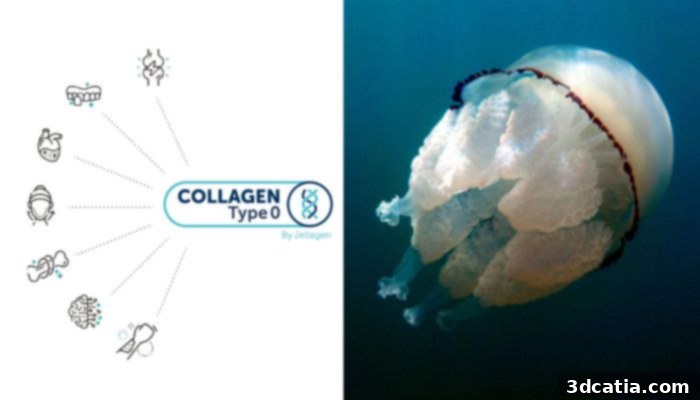
Image credits: Jellagen
Solutions from ROKIT Healthcare: Bioprinters and Customizable Bioinks
ROKIT Healthcare, a dynamic company headquartered in Seoul, distinguishes itself as a comprehensive provider in the bioprinting space, manufacturing both advanced 3D bioprinters and a specialized range of bioinks. Their INVIVO-GEL line of bioinks is a testament to their innovative approach, formulated from gelatin that has been chemically modified with methacryloyl groups. This modification imparts a unique and highly advantageous feature: its elasticity and rigidity can be precisely adjusted. Researchers can fine-tune these mechanical properties by modifying the concentration of gelatin and the photoinitiators responsible for hardening the bioink through light-curing. This level of control is paramount for mimicking the diverse mechanical environments found in various biological tissues. Furthermore, the material’s carefully developed formulation is designed to accurately reproduce the biochemical and structural characteristics of the extracellular environment, providing an optimal setting for cell viability and function. Beyond INVIVO-GEL, ROKIT Healthcare has also developed the HumanTein and EpiTem ranges, which are specifically engineered for a wide array of research applications, further broadening their impact in the scientific community. These integrated solutions, combining robust bioprinters with highly customizable bioinks, position ROKIT Healthcare as a key enabler of advanced biomedical research and development. To gain a deeper understanding of their bioprinting platform and its capabilities, the video below offers an insightful overview.
RoosterBio’s RoosterRTP™-hBM-50M-XF: Streamlining Cell Supply for Bioprinting
RoosterBio has engineered an innovative solution for the challenge of cell availability in bioprinting with their product, RoosterRTP™-hBM-50M-XF. This specialized vial of cells is primarily intended for advanced clinical applications and is meticulously prepared to be directly compatible with 3D printing systems. Each vial of RoosterRTP™-hBM-50M-XF contains an impressive 50 million mesenchymal stem cells (MSCs), which are supplied in a ready-to-extrude format. RoosterBio strategically utilizes MSCs due to their well-documented immunomodulatory properties, meaning they can help regulate the immune response, and their remarkable ability to differentiate into three distinct cell lineages: osteoblasts (bone cells), adipocytes (fat cells), and chondrocytes (cartilage cells). These versatile characteristics make MSCs highly valuable in a broad spectrum of therapeutic applications, ranging from the treatment of brain injuries and the management of debilitating graft-versus-host disease (GvHD) to addressing various cardiovascular diseases. A significant hurdle in bioprinting complex tissues, such as a meniscus, is the sheer number of cells required. For instance, it is estimated that treating just 20 percent of patients with damaged menisci in the United States would necessitate approximately 8.75 trillion cells annually. Addressing this immense demand, RoosterBio provides ready-to-print vials with an exceptionally high concentration of cells. This innovative approach drastically reduces the time-consuming cell preparation steps typically involved in bioprinting workflows, thereby significantly streamlining processes for researchers and bioprinting companies and accelerating the pace of discovery and therapeutic development.
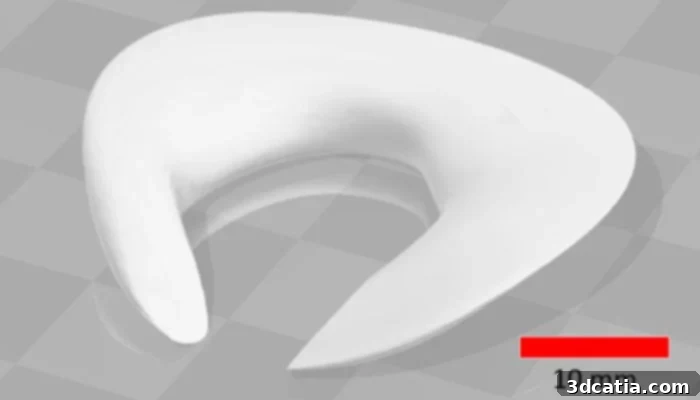
3D model of a meniscus of an adult male with 3.5 cm in diameter and 5.3 mm in height. (Photo credit: RoosterBio)
Tessenderlo Group’s Gelatin-Based Bioinks: Addressing Printability Challenges
Tessenderlo Group, a diversified Belgian company, operates across several key sectors including agriculture, mechanical engineering, bio-residue recycling, and energy. Central to its corporate philosophy is the succinct yet powerful slogan: “Every molecule counts,” reflecting a commitment to resource efficiency and value creation. In 2019, the group extended this philosophy into the realm of advanced biomaterials by introducing its first range of bioprinting-compatible bioinks, branded as Claro™. A notable offering within this range is the ClaroBGI600 solution, which features a specially formulated gelatin designed for extended printability, allowing for continuous operation for up to two hours. This addresses a significant challenge commonly encountered with gelatin-based materials in extrusion bioprinting: their tendency to clog the machine’s nozzle or extrusion mechanism, necessitating frequent material changes. By extending the workable window, Tessenderlo Group is striving to overcome this crucial hurdle, which in turn promises to offer greater printing precision and enhanced reliability for bioprinting processes. This development is particularly significant for applications in tissue engineering, where consistency and fidelity of printed structures are paramount. The Claro™ bio-ink range is thus poised to contribute meaningfully to the advancement of regenerative medicine and biological research. The video linked below provides a visual demonstration of the impressive results achieved with these innovative bioinks.
GrowInk Hydrogels: Defined, Non-Animal Origin Bioinks
GrowInk bioinks represent a pioneering line of biocompatible hydrogels, developed through a strategic partnership and patented by CELLINK and UPM-Kymmene Corporation. These innovative hydrogels are distinguished by their non-animal origin, addressing critical concerns related to xenogenic contamination and ethical considerations in biomedical research. Supplied in a ready-to-use format, GrowInk hydrogels are designed for direct mixing with cells, facilitating a streamlined workflow for various bioprinting applications. The fundamental composition of GrowInk consists of two primary components: nanofibrillar cellulose and water, which together establish a fully defined matrix. This defined nature ensures high reproducibility and minimizes variability, which are crucial attributes for reliable scientific experimentation. A key strength of GrowInk is its inherent customizability; the matrix can be readily modified through the addition of various bioactive molecules, such as specific growth factors or cell adhesion proteins, to meet the precise needs of different cell types or experimental objectives. Furthermore, their ease of dilution allows researchers to achieve a wide range of stiffness and flexibility, enabling them to mimic the diverse mechanical properties of various native tissues. By faithfully replicating the in vivo environment, GrowInks effectively support and promote optimal cell growth, proliferation, and differentiation. This type of hydrogel, when combined with the precision of 3D bioprinting, proves particularly invaluable in advanced research focused on understanding cell development and function, propelling discoveries in regenerative medicine and cell biology.
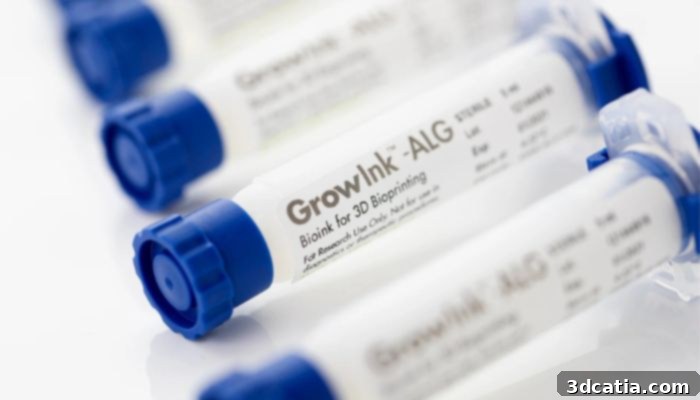
Photo credit: CELLINK and UPM-Kymmene Corporation
Fibrillar Collagen Bioinks for Printing Tissue Models from Viscofan BioEngineering
Viscofan BioEngineering is at the forefront of developing advanced biomaterials with its Fibercoll-Flex® fibrillar collagen bioinks. These specialized bioinks are meticulously produced from pure type I collagen fibers, a fundamental component of the extracellular matrix in many biological tissues. A defining characteristic of Fibercoll-Flex® is its exceptional mechanical strength, which provides robust structural integrity to bioprinted constructs. According to the manufacturer, these bioinks facilitate easy printing without the need for a methacrylate curing step, simplifying the bioprinting process and potentially reducing processing time and complexity for researchers. Through the precision of bioprinting, Fibercoll-Flex® materials can be effectively utilized for diverse research purposes. They enable the creation of stable and highly biocompatible 3D models, which are crucial for studying cellular behavior, drug interactions, and disease mechanisms in a more physiologically relevant environment than traditional 2D cultures. Furthermore, these bioinks are ideal for constructing intricate structures that promote optimal cell adhesion and remodeling, essential processes for the formation and maturation of functional tissues. Viscofan BioEngineering offers various types of Fibercoll-Flex® bioinks, each tailored for specific research applications, ensuring flexibility and utility for a wide range of scientific inquiries. In general, the structures created using Fibercoll-Flex® in conjunction with 3D bioprinting find broad applicability in the field of tissue engineering and are invaluable tools for research and development initiatives in regenerative medicine, contributing significantly to the advancement of therapies for tissue repair and replacement.
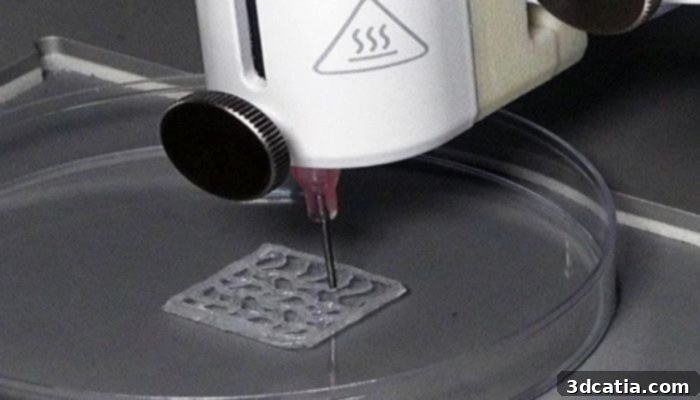
Photo credit: Viscofan BioEngineering
The rapid advancements in bioink technology are fundamentally transforming the landscape of 3D bioprinting, pushing the boundaries of what’s possible in medicine and biology. From personalized drug testing to the eventual goal of organ transplantation, these innovative materials are the unsung heroes facilitating groundbreaking research and clinical applications. The diverse range of manufacturers and their specialized bioink formulations ensure that researchers have the tools necessary to tackle complex biological challenges. The future of bioprinting is undeniably bright, and the continuous evolution of bioinks will be a driving force in unlocking its full potential.
Which bioink company interests you most for your research or applications? Let us know in a comment below or on our LinkedIn, Facebook, and Twitter pages! For more on 3D printing medical applications, click here. Don’t forget to sign up for our free weekly Newsletter here, the latest 3D printing news straight to your inbox! You can also find all our videos on our YouTube channel.