

Revolutionizing Industries: Unveiling the Most Innovative 3D Printing Startups of 2023
The landscape of additive manufacturing is experiencing unprecedented growth and transformative evolution across virtually all sectors. The year 2023, in particular, has been a testament to this dynamic progress, showcasing an exciting array of breakthroughs. We’ve witnessed remarkable advancements in metal 3D printing, pushing the boundaries of material science and application. Bioprinting has continued its march towards groundbreaking medical solutions, while multi-material printing has opened new avenues for functional complexity and integration. Beyond these technological feats, there has been a significant surge in innovative concepts driving greater sustainability within the industry, addressing critical environmental concerns. This constant innovation is what makes the 3D printing ecosystem so vibrant and promising.
Throughout 2023, we made it our mission to spotlight the pioneers at the forefront of this revolution. Each month, we had the privilege of interviewing a new, innovative startup that profoundly impressed us with their unique approach, ingenious solutions, and transformative application of 3D printing technology. These companies represent the cutting edge of industrial innovation, leveraging additive manufacturing to solve complex problems and create new possibilities. Now, as the year draws to a close and we look forward to the future, it’s time to celebrate these visionary enterprises. We gathered all our featured companies for the prestigious “3D Startup of the Year 2023” award. The voting period, which allowed our community to select their favorite innovator, concluded on January 2nd, 2024, at 12 PM ET / 6 PM CEST. The anticipation is building, and the official results will be proudly announced on 3Dnatives on January 4th, revealing which of these remarkable startups has captured the collective imagination and earned the title.
POOLP: Championing the Circular Economy with Urban Microfactories
Kicking off our journey through 2023’s innovative startups was the French company POOLP. Founded by two forward-thinking students from ENPC (École Nationale de Ponts et Chaussées), POOLP embarked on a mission to significantly expand the potential of additive manufacturing within the realms of art and architecture. Their early endeavors involved extensive experimentation with a diverse range of recycled and bio-based materials, striving to unlock their compatibility with 3D printing processes. This dedicated research led to the development of their proprietary solution, specifically engineered to make these sustainable materials suitable for additive manufacturing.
The culmination of their efforts is the innovative “urban microfactory,” a highly localized and sustainable production tool. This microfactory boasts the remarkable capability of valorizing local plastic waste, transforming it from an environmental burden into a valuable resource for additive manufacturing. POOLP’s 3D printing system utilizes large-format FGM (Fused Granulate Modeling) technology. Unlike traditional FDM printers that rely on plastic filaments, FGM technology processes plastic pellets directly. This approach not only facilitates the use of recycled materials but also enables the creation of a vast array of three-dimensional parts, often larger and more complex than those achievable with filament-based systems. Through this pioneering manufacturing system, the POOLP team is actively promoting the principles of the circular economy, advocating for an alternative philosophy of production and consumption that minimizes waste and maximizes resource utility. Their vision offers a compelling model for sustainable local manufacturing. You can delve deeper into this startup’s inspiring work and innovative approach by reading the exclusive interview we conducted with their team.
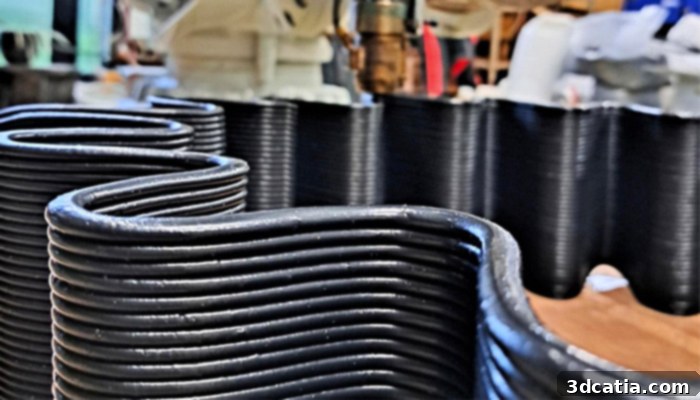
The manufacturing solution developed by the startup (photo credits: POOLP)
Spherecube: Advancing Sustainable Composite 3D Printing
Originating from an impactful project at the Università Politecnica delle Marche, Spherecube emerged as an innovative startup dedicated to making the 3D printing of composites more sustainable and efficient. Composites are highly valued in various industries for their superior strength-to-weight ratios, but their traditional manufacturing often involves complex processes and material waste. Spherecube addresses these challenges head-on with its groundbreaking laser thermal curing system. This advanced system, meticulously developed by their expert team, is capable of automatically creating high-performance composite products without the geometric constraints typically associated with conventional composite manufacturing methods.
At its core, Spherecube’s proprietary technology is built upon the precise extrusion of two distinct raw materials, each existing in a different physical state. The first is a thermosetting polymer matrix, provided in a viscous fluid state, which forms the foundational material of the composite. The second is the reinforcement material, presented in the form of fibers, which imbues the composite with its enhanced mechanical properties. The printhead itself is a marvel of engineering, specifically designed to efficiently and homogeneously mix the polymer matrix and the reinforcement fibers. This meticulous mixing process ensures perfect adhesion between both components during the critical manufacturing process, resulting in a composite material with optimal structural integrity and performance. With this cutting-edge technology, Spherecube is strategically targeting high-stakes industries such as aerospace, where lightweight yet robust materials are paramount; biomedical, for advanced prosthetics and implants; and sports and marine sectors, where durability and performance are key. Discover more about Spherecube’s pioneering work in this comprehensive 3D startup interview from 2023.
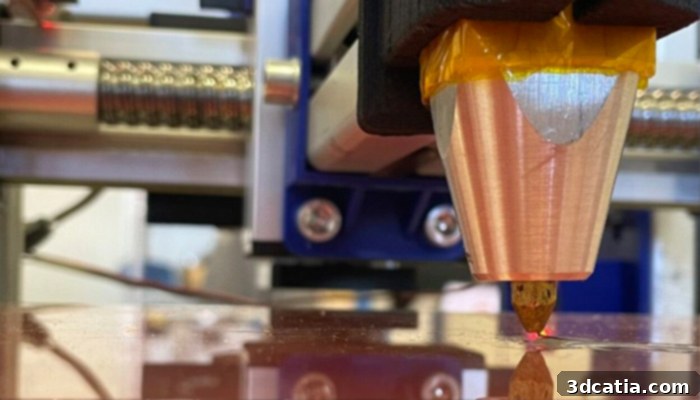
Photo Credits: SphereCube
Axtra3D: Redefining Resin 3D Printing with Hybrid PhotoSynthesis (HPS)
In the dynamic and highly competitive field of resin 3D printing, two established technologies have long dominated: SLA (Stereolithography) and DLP (Digital Light Processing). Each possesses distinct advantages and disadvantages. SLA is renowned for its exceptional precision and ability to produce highly detailed parts, but it often sacrifices speed, leading to longer print times. Conversely, DLP technology offers significantly faster print speeds due to its ability to cure entire layers simultaneously, yet it frequently comes with limitations in terms of surface quality and resolution, especially across larger build platforms. Recognizing this inherent trade-off, the American startup Axtra3D has engineered a revolutionary solution to overcome these challenges and deliver the best of both worlds.
Axtra3D’s breakthrough is its proprietary Hybrid PhotoSynthesis (HPS) technology. This innovative process ingeniously combines the strengths of both SLA and DLP methods to guarantee unparalleled high resolution and surface finish on parts, all within a printing process that is significantly faster than traditional stereolithography. The core innovation lies in its machines, which integrate both a projector (for DLP-style area exposure) and a laser (for SLA-style precision tracing) simultaneously within a true coaxial optical system. This unique integration allows for the rapid curing of large areas with DLP, while the laser simultaneously refines contours and intricate details, ensuring superior part quality and accuracy. This advanced additive manufacturing method is therefore ideally suited for a wide variety of demanding industrial applications. These include high-precision prototyping in automotive and aerospace, rapid manufacturing of custom components, and highly detailed parts for healthcare and dentistry, where accuracy and biocompatibility are critical. For a deeper understanding of HPS technology and the company’s ambitious future plans, you can read more HERE.
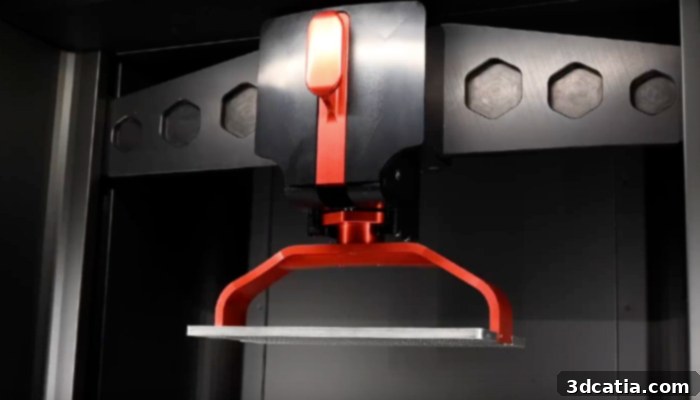
Photo Credits: Axtra3D
Diabatix: Optimizing Cooling with Generative Design for 3D Printing
The Belgian startup Diabatix was founded with a clear and crucial objective: to empower companies with advanced design tools to achieve superior cooling solutions for their products, particularly those intended for 3D printing. Effective thermal management is a critical factor in the performance and longevity of countless electronic devices and industrial components, yet designing efficient cooling structures can be incredibly complex and time-consuming. Diabatix tackles this challenge head-on by developing ColdStream, a sophisticated cloud-based platform that harnesses the power of generative design to deliver optimal thermal performance for 3D printed parts.
ColdStream provides an end-to-end solution, from initial thermal analysis to the final optimized thermal design. The platform is built upon state-of-the-art simulation methods, allowing users to conduct complex analyses and generate intricate designs without the need for additional, often expensive, specialized software or hardware. This accessibility democratizes advanced thermal design capabilities. A particularly compelling feature of Diabatix’s solution is its inherent adaptability to the chosen manufacturing method. Before commencing the design process, the user simply selects their preferred manufacturing technique – be it FDM, SLA, metal DMLS, or another additive process. The ColdStream software then automatically optimizes the design, ensuring that the generated cooling structures are not only maximally efficient but also fully manufacturable within the specific constraints and capabilities of the selected 3D printing technology. This proactive approach eliminates design-for-manufacturing headaches and significantly accelerates product development cycles. To gain a comprehensive understanding of Diabatix and the transformative capabilities of the ColdStream platform, we encourage you to read the full interview with their team.
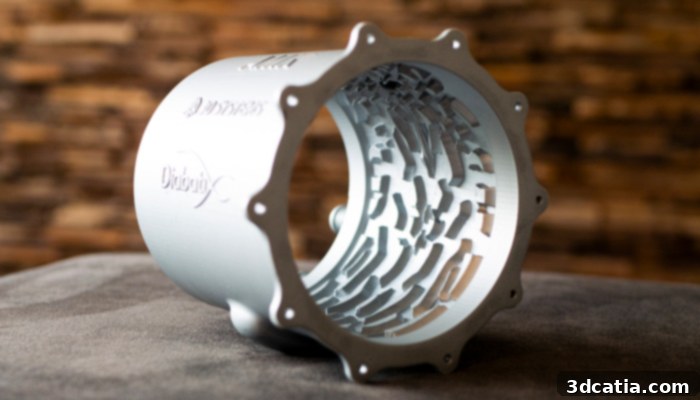
Photo Credits: Diabatix
Gastronology: Revolutionizing Food for Dysphagia Patients with 3D Printing
Dysphagia is a prevalent and challenging medical condition that causes significant difficulty swallowing for millions of patients worldwide. This condition necessitates more time and considerable effort for the body to move food or liquids from the mouth to the stomach, often leading to malnutrition, dehydration, and a diminished quality of life. Traditional solutions for dysphagia patients typically involve pureed foods that, while easier to swallow, often lack visual appeal, natural flavor, and the original texture of the ingredients, transforming mealtime into a less enjoyable experience. The Dutch company Gastronology is tackling this critical issue by ingeniously employing 3D food printing technology.
Gastronology has developed a sophisticated additive manufacturing solution that allows food to be presented in its authentic, recognizable form. Their process begins with fresh puree, which serves as the base material. This puree is then expertly 3D printed to recreate the natural shape and appearance of the original food item, meticulously preserving its inherent smell and taste. Imagine a perfectly formed carrot, a visually appealing piece of broccoli, or a delightful chicken nugget, all crafted from smooth puree but retaining their distinct, appetizing forms. Gastronology’s products are designed for convenience and can be found frozen and pre-packaged, ready for consumption. The production involves a precise five-step process: starting with meticulous puree production, followed by advanced food 3D printing, then rapid shock freezing to lock in freshness, careful packaging, and finally, frozen storage for extended shelf life. Thanks to this innovative technology, Gastronology is transforming meals for dysphagia patients from a bland necessity into a moment of pleasure, replacing the currently existing tasteless and often unappetizing mixed options with visually appealing, flavorful, and dignified dining experiences. You can discover more about this impactful 2023 3D startup HERE.
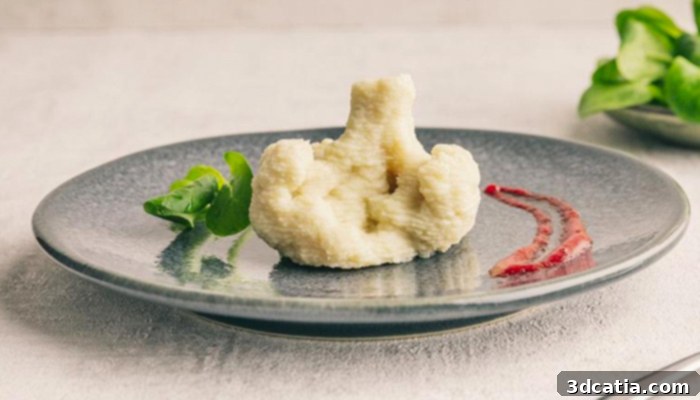
3D printed cauliflower (photo credits: Gastronology)
3D Spark: Intelligent Software for Optimized Additive Manufacturing Workflows
The increasing complexity and diverse applications of additive manufacturing have underscored the critical need for sophisticated software solutions that can streamline workflow management. The adoption of such software is rapidly becoming a growing and essential trend in the industry, enabling companies to fully harness the potential of 3D printing. Among the pioneering companies developing these indispensable solutions is 3D Spark, one of our standout 3D startups for 2023. Based in Hamburg, this innovative startup emerged with the ambitious goal of assisting industrial companies in identifying effective strategies to reduce costs, shorten lead times, and significantly decrease CO2 emissions throughout their production processes.
The core of 3D Spark’s offering is its intelligent platform, which empowers users with an automatic evaluation of 3D printable parts. More importantly, it helps identify the optimal development and manufacturing process for their products. This is achieved through a comprehensive comparison of 3D printing with a wide variety of conventional and advanced manufacturing processes, providing a transparent and entirely independent basis for crucial manufacturing decisions. By leveraging its analytical capabilities, the platform helps businesses understand not only *if* a part can be 3D printed, but *if it should be*, considering factors like cost, time, material properties, and environmental impact. As a direct result, industrial companies are empowered to make informed decisions that lead to more efficient, sustainable, and crisis-resistant production workflows. 3D Spark’s software acts as a vital bridge, connecting design with optimal manufacturing choices and ensuring that businesses can confidently navigate the complexities of modern production. You can gain further insights into 3D Spark’s transformative software and its immense benefits to the manufacturing industry by reading the in-depth interview with its team HERE.
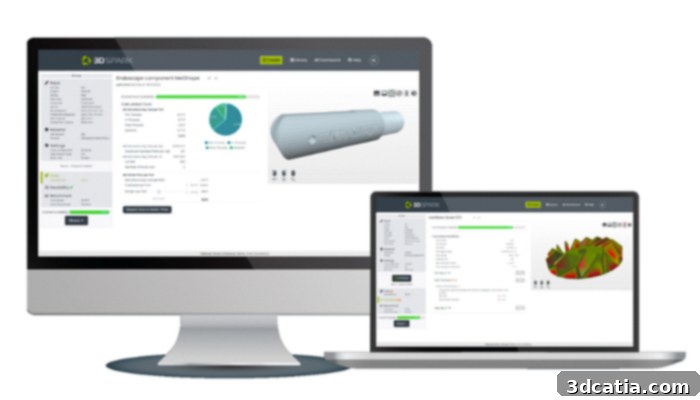
Créditos: 3D Spark
ONEBra: Custom 3D Printed Solutions for Mastectomy Patients
The Italian startup ONEBra is shedding light on a deeply personal and often overlooked problem that affects countless women globally: those who have undergone a mastectomy frequently experience breast asymmetry, which can significantly impact their self-image, confidence, and overall quality of life. Traditional prosthetics often fall short in providing a perfect fit or the desired aesthetic. ONEBra is directly addressing this challenge by offering highly customized 3D printed bra cups, aiming to provide a comforting and empowering solution. Through this empathetic approach, this innovative 3D startup is dedicated to helping women improve their self-perception and enhance their daily living.
The process developed by ONEBra is designed to be straightforward and accessible. Women can easily create a detailed 3D breast scan directly from their home by following simple, user-friendly video instructions provided on the company’s website. This crucial data is then transmitted to the ONEBra team, who utilize the precise scan to craft a custom-fitted bra cup that perfectly matches the individual’s unique contours and requirements. To achieve optimal results, the team employs a sophisticated combination of Multi Jet Fusion (MJF) and FDM (Fused Deposition Modeling) technologies. The resulting cup, typically manufactured from flexible and skin-friendly TPU/TPE materials, is then meticulously coated with a material specifically suitable for direct skin contact, ensuring comfort and safety. Once complete, the personalized cup is shipped directly to the customer, providing a seamless and discreet experience. 3D printing enables ONEBra to manufacture these highly customized cups with minimal material waste and exceptional precision, a level of personalization unattainable with conventional manufacturing methods. Looking ahead, ONEBra also plans to expand its product range to offer custom cups for sports bras and swimsuits, further empowering women with tailored solutions for various needs. For more detailed information about this innovative 3D startup of 2023, ONEBra, we invite you to read the full interview HERE.
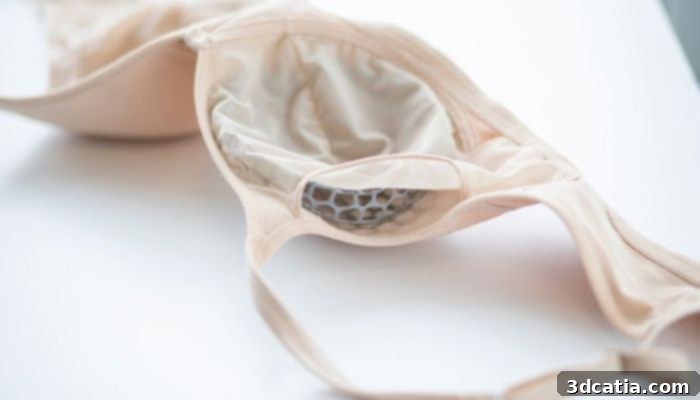
Photo Credits: OneBra
HETEROMERGE: Pioneering Multi-Material Micro 3D Printing
Another one of our featured 3D startups for 2023, HETEROMERGE, originated from cutting-edge research at the University of Dresden with a highly specialized and ambitious objective: to develop a multi-material manufacturing head specifically designed for more efficient and versatile micro 3D printing. The realm of micro- and nano-scale 3D printing presents unique challenges compared to its macro-scale counterparts. During their extensive research, the HETEROMERGE team encountered several significant hurdles in this sub-millimeter range. Firstly, manufacturing at such minuscule dimensions inherently imposes greater limitations on design and process control. More critically, they found it incredibly difficult to effectively process multiple distinct materials by leveraging two-photon polymerization (2PP) technology, a technique crucial for high-resolution microfabrication.
HETEROMERGE’s patented multi-material head represents a monumental leap forward in addressing these complex problems. It is ingeniously engineered to enable perfect realignment of the printhead after an automated material change. This precision ensures that even with multiple material depositions, the structural integrity and high resolution of the micro-printed part are maintained without compromise. The ability to seamlessly switch and accurately align different materials at the micro-scale is a game-changer. This groundbreaking technology unlocks fascinating and previously unattainable fields of application. It has profound implications for advancements in micro-optics, enabling the creation of intricate optical components; in photonics, for highly integrated photonic circuits; and in medical device development, where miniaturization and multi-functionality are paramount. Furthermore, its potential extends to pioneering work in tissue engineering and bioprinting, allowing for the creation of complex biological constructs with varied material properties. This innovation promises to accelerate scientific discovery and technological development in numerous high-tech fields. For a more detailed exploration of HETEROMERGE’s vision and technological prowess, you can find the full interview with their team.
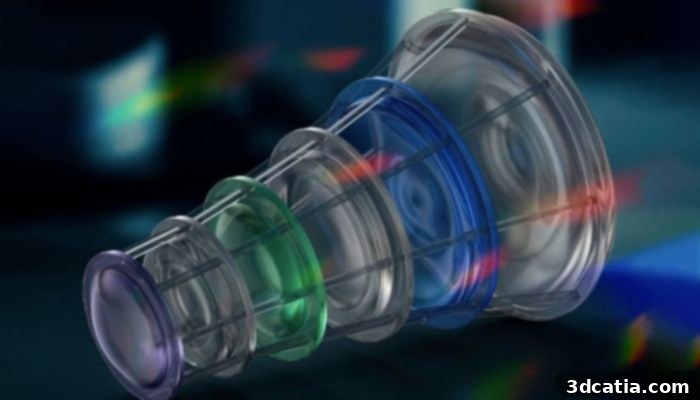
Photo Credits: Heteromerge
Carcinotech: 3D Bioprinting Live Tumors for Advanced Cancer Research
Founded in 2018, Carcinotech distinguished itself as one of the most prominent and impactful 3D startups of 2023. This pioneering company specializes in a truly revolutionary application of 3D printing: creating living human tumors for advanced cancer research. The traditional methods of cancer research, often relying on animal models or 2D cell cultures, frequently fail to accurately mimic the complex microenvironment and physiological responses of actual human tumors, leading to challenges in drug discovery and development.
Carcinotech’s team leverages cutting-edge 3D bioprinting technology to construct these intricate living tumors. Their process involves carefully combining biopsies, primary cells, immune cells, and even cancer stem cells directly sourced from patients. After the precise fabrication process, these bioprinted tumors are cultured, allowing them to grow and mature. Within a remarkably short period of just one week, these ethically sourced and patient-specific tumor models are fully ready for comprehensive drug testing. This rapid turnaround enables incredibly fast, accurate, and ethical drug screening, as researchers can obtain highly representative and meaningful results within as little as 14 days after commencing the test. This dramatically accelerates the pace of therapeutic development, providing a more reliable platform for evaluating potential cancer treatments. With its innovative approach, Carcinotech aims to fundamentally transform cancer treatment paradigms, giving millions of cancer patients faster access to more effective and personalized innovative therapies. It stands out as the only company currently utilizing 3D printing to produce live tumors in this manner, ensuring the acquisition of representative and clinically relevant data that can truly make a difference in the fight against cancer. Carcinotech’s visionary founder shared a wealth of fascinating insights and detailed information with us in an extensive interview, which you can read in full HERE.
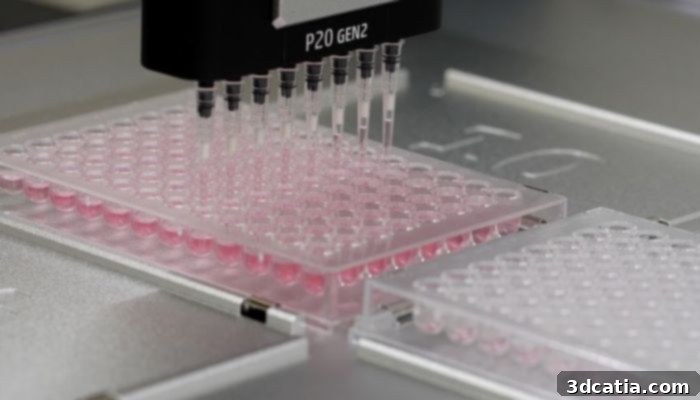
Photo Credits: Carcinotech
Balena: Pioneering Sustainable and Compostable Materials for Fashion
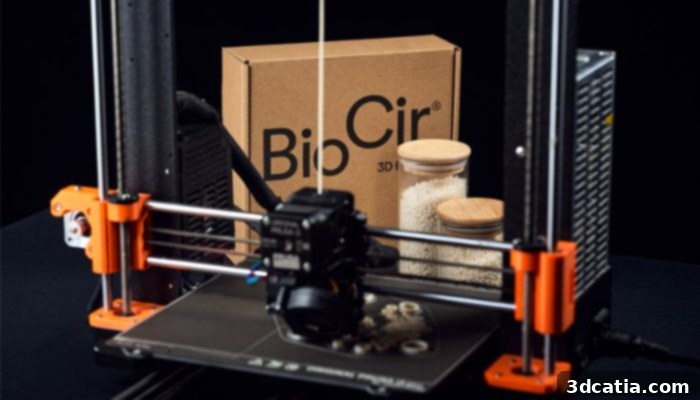
Balena is a pioneering Israeli company addressing one of the most pressing environmental challenges posed by the global fashion industry: the tragically short useful life of products and the rampant issue of plastic waste. It’s a sobering fact that approximately 60% of today’s clothing is composed of plastic-derived synthetic fibers, materials that are rarely recycled effectively and thus overwhelmingly end up polluting landfills and oceans. Driven by a compelling vision to create genuinely sustainable fashion for the future, Balena is dedicated to developing innovative compostable and biodegradable thermoplastic materials specifically tailored for this vast industry.
At the heart of their solution is BioCir, a revolutionary material that can be seamlessly processed through both traditional injection molding techniques and advanced 3D printing. Crucially, BioCir is designed to be fully compostable at the end of its useful life, providing a viable and environmentally responsible alternative to petroleum-based plastics. This means that once a product made with BioCir has served its purpose, it can safely return to the earth without leaving behind harmful microplastics or persistent waste. Through this commitment to circularity, Balena aims to establish a truly circular model for consumer goods, ensuring that materials are continuously reused or returned to natural cycles, thereby drastically reducing environmental impact. This unwavering dedication to sustainability and circularity in materials science is precisely why we proudly recognized Balena as one of our most innovative 3D startups of 2023. Their work offers a beacon of hope for a more environmentally conscious fashion and consumer goods industry. Are you eager to learn more about this forward-thinking company and their groundbreaking BioCir material? We encourage you to read the full interview HERE.
Créditos: Balena
BIO INX: Developing Advanced Bioinks for the Future of Bioprinting
The ambitious goals of future medicine – including the 3D printing of fully functional organs, complex muscles, and intricate tissues – represent one of the most exciting frontiers in scientific and industrial innovation. This revolutionary field, known as bioprinting, sits at the intersection of advanced science and cutting-edge industry, promising to transform healthcare as we know it. However, achieving these ambitious objectives comes with significant challenges. Currently, the main hurdles lie in the complex issues of standardization and regulation, alongside the highly diverse and specific material requirements demanded by different bioprinting technologies. Each unique printing technology necessitates a distinct material formulation – a “bioink” – to process biological components efficiently and ensure the viability and functionality of the printed structures.
Recognizing these critical material-specific challenges, the Belgian startup BIO INX has specialized in the pioneering development of advanced bioinks tailored for the entire spectrum of 3D bioprinting technologies. Their innovative inks are meticulously designed to mimic natural tissue as closely as possible, providing an optimal environment for cells to thrive and differentiate. Crucially, BIO INX achieves this without resorting to animal testing, upholding strong ethical principles in their research and development. By creating versatile and high-performance bioinks, BIO INX aims to actively shape the rapidly evolving field of biofabrication. Their contributions are instrumental in advancing the research and development of 3D printed tissues and organs, paving the way for personalized medicine, drug discovery, and regenerative therapies. Their work is a cornerstone for future breakthroughs in medical science. Find out more about BIO INX’s motivations, their scientific approaches, and their vision for the future of bioprinting in this insightful interview.
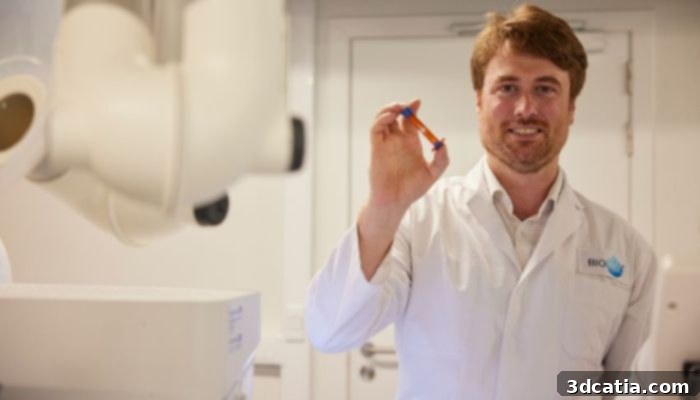
Photo Credits: BIO INX
Craft Health: Personalizing Medications with 3D Printed Multi-Drug Tablets
Craft Health, a forward-thinking pharmaceutical startup based in Singapore, is confronting the significant public health challenge of polypharmacy – the practice of taking multiple medications simultaneously. Polypharmacy, while often necessary, frequently leads to complex drug interactions, increased side effects, and significant discomfort for patients, often resulting in poor adherence to prescribed regimens. Craft Health sees 3D printing as a powerful ally in solving this intricate problem, offering a pathway to highly personalized and simplified medication delivery.
Thanks to the unparalleled capabilities of 3D printing, Craft Health can precisely combine several active pharmaceutical ingredients (APIs) into a single, customized tablet. This innovative approach significantly reduces the number of pills a patient needs to take, thereby minimizing potential interactions and simplifying their daily medication routine. Beyond merely combining drugs, 3D printing technology also allows for unprecedented control over various parameters of the medication. It is possible to influence the exact dosage of each active ingredient, custom design the tablet’s shape, select its color, and even modify its taste to enhance patient acceptability and adherence. Furthermore, Craft Health’s technology can precisely control the drug release profile, enabling medications to be designed for immediate release, sustained release over an extended period, or delayed release to target specific areas of the body or times of day. Craft Health envisions its approach fundamentally improving how people take their medication, enhancing compliance, and critically, opening up entirely new and more effective treatment options for a wide range of conditions. As one of our outstanding 3D startups of 2023, their work represents a significant leap forward in personalized medicine. You can read their comprehensive full interview to learn more about their vision and technology HERE.
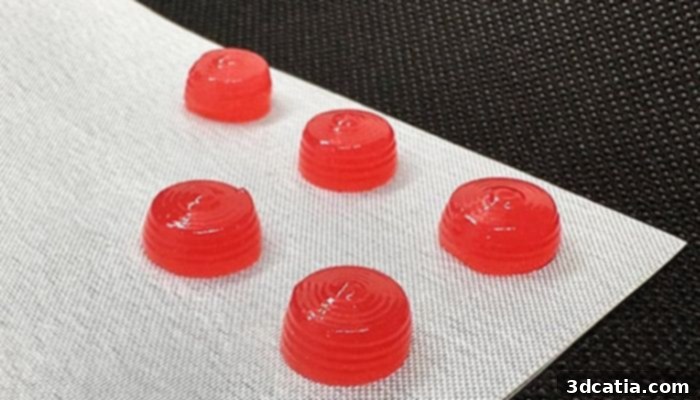
Photo Credits: Craft Health
The year 2023 has truly been a landmark period for innovation in additive manufacturing, as demonstrated by the extraordinary achievements of these pioneering startups. From transforming waste into valuable resources to creating personalized medical solutions and advancing cutting-edge research, these companies embody the boundless potential of 3D printing to revolutionize diverse industries. Their groundbreaking work is not just about technological advancement; it’s about addressing critical societal needs, fostering sustainability, and pushing the boundaries of what’s possible. These innovators are collectively shaping the future of manufacturing, medicine, and beyond.
What are your thoughts on these outstanding 3D startups that defined innovation throughout 2023? We eagerly await the announcement of the “3D Startup of the Year,” celebrating the collective impact of these visionary companies. Stay tuned to 3Dnatives on January 4th for the big reveal! Share your opinions in a comment below or join the conversation on our LinkedIn, Facebook, and Twitter pages! Don’t forget to sign up for our free weekly Newsletter here to receive the latest 3D printing news directly in your inbox. You can also find all our engaging videos and content on our YouTube channel, offering even more insights into the world of additive manufacturing.
What Was the Most Innovative 3D Startup of 2023?
Voting for this prestigious title has now closed. The much-anticipated winner will be officially announced on 3Dnatives on January 4th!