
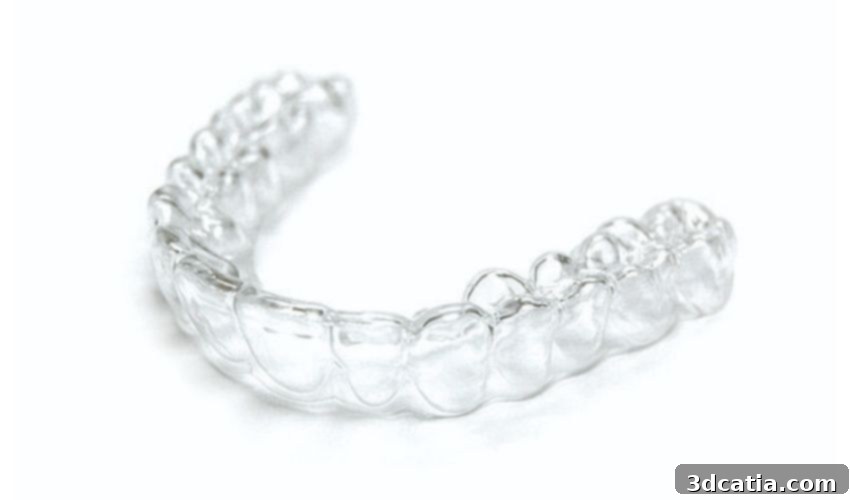
The Rise and Fall of SmileDirectClub: A Deep Dive into 3D Printing, Teledentistry, and Market Dynamics
The additive manufacturing sector, often lauded for its innovation and transformative potential, is inherently susceptible to the volatile ebbs and flows of market trends. This dynamic environment frequently sees the life cycles of companies, from nascent startups to established industry giants, meet with abrupt and often premature ends. The landscape is dotted with instances of strategic mergers, aggressive takeovers, and unfortunate bankruptcies. Even some of the largest and most entrenched companies in the 3D printing space find themselves navigating these turbulent waters, undergoing restructuring or acquisition. Given this inherent instability at the top tier, it comes as no surprise that 3D printing startups and smaller enterprises are even more acutely vulnerable to the unpredictable whims and dominant trends of the market. This susceptibility persists despite the overall positive trends and consistent double-digit growth reported for the additive manufacturing industry as a whole.
This harsh reality recently manifested in the closure of Nashville-based teledentistry pioneer, SmileDirectClub. After a final, desperate attempt by its founders to rescue the firm from imminent collapse, the company officially ceased operations. This last-ditch effort followed closely on the heels of the company’s declaration of bankruptcy in September 2023. SmileDirectClub had, for several years, established a significant international presence, boasting a client base that stretched into the millions and maintaining a public listing on the stock market. However, despite its ambitious vision and initial widespread adoption, the company was plagued by a series of escalating troubles that ultimately paved the way for its dramatic decline and eventual demise.
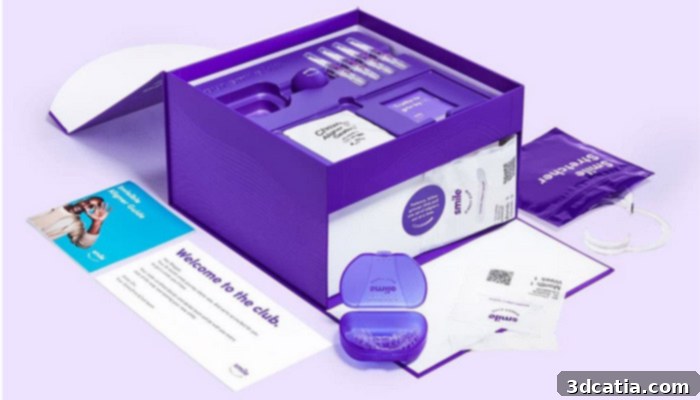
The company was popular for its dental corrective kits (Credits: SmileDirectClub)
Innovating Orthodontics: SmileDirectClub’s Business Model and the Power of 3D Printing
Founded in 2014, SmileDirectClub emerged as a disruptive startup with a revolutionary approach to orthodontic treatment. The company specialized in 3D printing custom, clear teeth aligners, presenting a compelling alternative to traditional tooth straightening methods such as braces. What set SmileDirectClub apart was its direct-to-consumer (DTC) teledentistry model, which allowed clients to manage their entire orthodontic journey from the convenience and privacy of their homes. This innovative approach promised a faster and significantly cheaper solution compared to conventional in-office treatments.
The process was designed for maximum user comfort and accessibility: from initial remote dental consultations to the provision of mail-in impression kits, every step was conducted at a distance. At the heart of this successful model was 3D printing technology, which played an indispensable role in the on-demand production of its personalized alignment kits. The ability to rapidly and precisely produce custom molds was a game-changer, enabling SmileDirectClub to scale its operations dramatically. At its peak, the company was reportedly 3D printing over 20 million custom molds annually for its vast clientele. This operational efficiency, coupled with a compelling value proposition, consistently captivated prospective investors throughout its lifespan. The company successfully raised hundreds of millions of dollars in investments, ultimately achieving a staggering valuation of $8.9 billion when it went public in 2019, cementing its status as a major player in the rapidly expanding digital dentistry landscape.
A Cloud on the Horizon: Legal Battles, Regulatory Hurdles, and Financial Distress
Despite its remarkable financial successes and market penetration, SmileDirectClub’s trajectory was far from smooth. Over the years, the company frequently found itself embroiled in controversies and legal challenges that consistently made headlines and ultimately undermined its public image and financial stability. These issues included numerous lawsuits and investigations, many of which centered on allegations of deceptive practices. These practices reportedly involved restricting customers’ rights to refunds and actively blocking individuals from publishing negative reviews or posts about SmileDirectClub on various online platforms and social media channels. Such accusations deeply eroded consumer trust, a critical asset for any direct-to-consumer business.
Beyond consumer-related disputes, SmileDirectClub also faced a barrage of additional hurdles. The company was entangled in complex patent disputes with competitors, leading to prolonged and costly legal battles that diverted significant financial and managerial resources. Furthermore, its innovative teledentistry model drew considerable scrutiny and opposition from traditional orthodontic associations and state dental boards, who raised concerns about patient safety and the scope of remote dental care. These regulatory challenges often resulted in legislative battles and operational restrictions in various jurisdictions, adding layers of complexity to the company’s growth strategy. Coupled with these legal and regulatory pressures, the company began experiencing a significant slowdown in sales, a critical indicator of declining market momentum. The cumulative effect of these challenges led to an ever-growing mountain of debt, which eventually reached a critical mass in September 2023, forcing the company to declare bankruptcy.
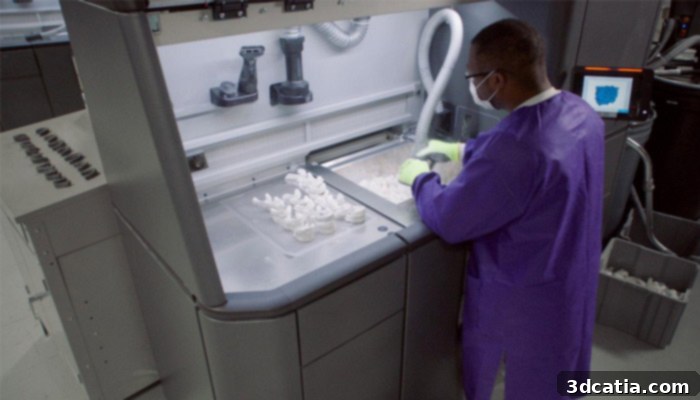
The closure of the company leaves behind its collection of industrial 3D printers (Credits: SmileDirectClub / HP)
The Final Chapter: Failed Rescue Attempts and the Broader Implications
In the aftermath of the bankruptcy filing, the leadership team behind SmileDirectClub engaged in an arduous struggle to navigate the company through its changing fortunes, desperately seeking means to rescue it from ultimate liquidation. Extensive efforts were made to attract new backers or potential buyers, but ultimately, no viable agreement could be reached. Critically, the company also failed to convince its existing creditors of a feasible new solution that would allow for continued operations or a pathway to recovery. The inability to secure essential financial lifelines sealed the company’s fate.
As a consequence of these failed rescue attempts, SmileDirectClub officially announced its closure. The company’s website now features a series of succinct answers to frequently asked questions, along with a definitive statement regarding its immediate cessation of all SmileDirectClub features and support. This abrupt halt in services has left millions of customers, many of whom were mid-treatment, in an uncertain and often distressing situation, highlighting the risks inherent in direct-to-consumer healthcare models that lack robust contingency plans.
The webpage further states that more comprehensive information will be made available as the bankruptcy process moves through its subsequent stages. It also outlines the specific measures customers can take to potentially receive refunds or seek alternative solutions for their ongoing dental treatments. For those directly affected, access to their official announcement is available HERE.
Lessons from SmileDirectClub’s Demise for 3D Printing and Teledentistry
The story of SmileDirectClub serves as a significant cautionary tale, not just for the teledentistry sector but also for the broader 3D printing industry. While 3D printing proved to be an enabling technology for SmileDirectClub’s innovative business model, allowing for unprecedented mass customization and cost-effective production of clear aligners, the company’s downfall underscores that technological prowess alone cannot guarantee long-term success. The complexities of operating in a highly regulated industry like healthcare, coupled with the necessity of maintaining impeccable customer trust and navigating aggressive competitive and legal landscapes, are paramount.
For other startups utilizing additive manufacturing to disrupt traditional markets, SmileDirectClub’s experience highlights the critical importance of robust legal and regulatory compliance, transparent customer relations, and resilient financial planning. Despite this specific company’s failure, the underlying potential of 3D printing in dentistry remains undeniable and continues to grow. From custom dental implants and crowns to surgical guides and orthodontic appliances, 3D printing is fundamentally transforming digital dentistry, offering precision, speed, and personalization that conventional methods cannot match. The future of dental 3D printing is bright, but as SmileDirectClub’s journey illustrates, even the most innovative applications must be supported by a sustainable business model and unwavering ethical conduct.
What do you think about SmileDirectClub’s closure announcement and its implications for the additive manufacturing and teledentistry sectors? We invite you to share your thoughts and insights in a comment below, or engage with us on our LinkedIn, Facebook, and Twitter pages! Don’t forget to sign up for our free weekly Newsletter here, to receive the latest 3D printing news directly to your inbox! You can also find all our compelling videos on our YouTube channel.
*Cover image credits: ClearCorrect CC-BY-SA-3.0