
Elevating Cycling Performance: Silca’s Breakthrough with 3D Printed Titanium Derailleur Hangers
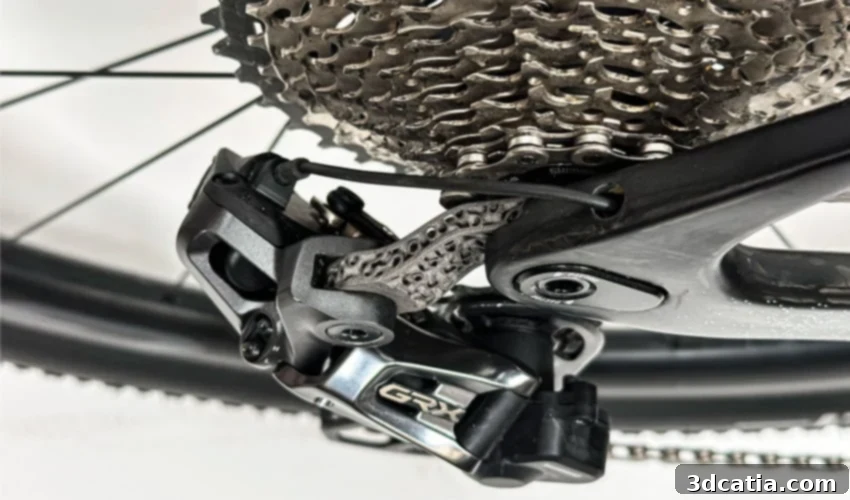
Additive manufacturing, commonly known as 3D printing, has emerged as a transformative technology across numerous industries, but its impact on the cycling sector is particularly noteworthy. From creating highly specialized individual components to crafting entire bicycle frames, 3D printing offers unparalleled advantages in optimizing designs and enhancing the overall cycling experience. This innovative approach allows manufacturers to produce parts that are lighter, stronger, and more precisely engineered than ever before, pushing the boundaries of what’s possible in bike design. In a recent testament to this potential, Silca, a renowned name in cycling accessories, has introduced an advanced derailleur hanger manufactured using metal 3D printing. This groundbreaking component is designed to achieve superior shifting precision, significantly improving the functionality of the gears located on the bicycle’s rear wheel and setting a new standard for performance and durability.
Silca has long been a beacon of innovation in the cycling world, dedicated to developing premium parts, accessories, and tools that combine cutting-edge technology with artisanal craftsmanship. The brand’s core mission revolves around elevating the user experience, designing products that not only meet but exceed the demands of serious cyclists. Their latest venture into additive manufacturing underscores this commitment, demonstrating a clear focus on leveraging advanced production techniques to offer greater protection for bike components and unprecedented shifting efficiency. The derailleur hanger, often an overlooked part, is in fact a critical and sensitive element in the bicycle’s drivetrain. It acts as a sacrificial component, designed to protect the more expensive frame and derailleur from damage during impacts or even everyday wear and tear. However, traditional hangers are prone to bending or losing their precise alignment with the bike’s longitudinal plane over time. Even a minimal deviation of just a few millimeters can lead to a significant malfunction of the derailleur, resulting in poor shifting performance, chain drops, and ultimately, a compromised riding experience. Addressing this common issue effectively has become a central challenge for engineers seeking to optimize cycling mechanics.
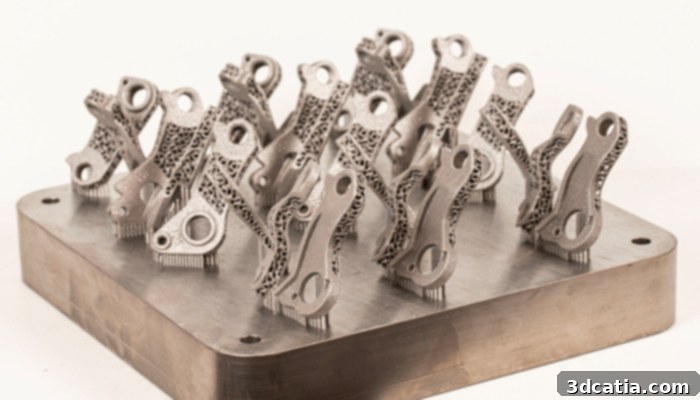
Silca’s optimized derailleur hangers on the manufacturing tray
The Precision Advantage: 3D Printing Silca’s Derailleur Hangers
Most conventional derailleur hangers are engineered to yield, or bend, when subjected to a certain amount of force. This protective mechanism prevents more severe damage to the bicycle frame or the derailleur itself in the event of an impact or if the bike is simply leaned on its derailleur side. While this sacrificial design is crucial, it introduces a significant drawback with modern electronic derailleurs. These advanced systems exert considerable force when shifting the chain, which can cause subtle but detrimental flexing in a standard derailleur hanger with each gear change. This repeated micro-flexing directly compromises shifting precision, leading to sluggish, imprecise, or even missed shifts during critical moments on the road or trail. Recognizing this inherent limitation, Silca’s new derailleur hanger aims to mitigate this unwanted flex by creating a component that maintains exceptional rigidity under normal operating conditions. The inherent design freedom offered by 3D printing technology has been instrumental in achieving this innovative balance. Through precise material distribution and optimized geometries, the 3D printed hanger is engineered to remain remarkably stiff during shifting, ensuring crisp and accurate gear changes. Crucially, in the event of a significant impact, the component is still designed to break cleanly, effectively protecting the more valuable frame and derailleur, thereby maintaining its essential sacrificial function while enhancing performance.
While Silca has not officially disclosed the exact additive manufacturing technology employed, the fact that the component is made from titanium strongly suggests the use of laser powder bed fusion (LPBF). This cutting-edge metal 3D printing process involves precisely melting thin layers of metal powder with a high-powered laser, building the part layer by layer according to a digital design. LPBF is particularly well-suited for producing complex, lightweight, and high-strength titanium components, making it an ideal choice for this application. Titanium itself is a material highly prized in the aerospace and high-performance sports industries due to its exceptional strength-to-weight ratio, superb corrosion resistance, and excellent fatigue properties. These characteristics translate directly into a derailleur hanger that is not only robust and durable but also contributes minimally to the overall weight of the bicycle. The remarkable outcome of Silca’s investment in this advanced manufacturing approach is a derailleur hanger that boasts an astounding 5 to 6 times more rigidity compared to standard, traditionally manufactured hangers. This significant increase in stiffness translates directly into unparalleled shifting precision and responsiveness, allowing cyclists to experience smoother and more reliable gear changes. Beyond the enhanced performance, the 3D printing process also facilitates a slight reduction in the part’s weight, offering a marginal but valuable advantage for performance-oriented riders. This combination of rigidity, durability, and weight optimization exemplifies the transformative power of additive manufacturing in creating superior cycling components.
The new Silca titanium derailleur hanger is designed for broad compatibility, available generically for bicycle frames that utilize Shimano Direct Mount and SRAM UHD standards. Furthermore, Silca has extended its reach by offering specific versions tailored for nine prominent bicycle brands, ensuring that a wide range of cyclists can benefit from this innovation. These esteemed brands include industry leaders such as Cannondale, Canyon, Cervelo, Factor, Giant, Pinarello, Scott, Specialized, and Trek. The rapid adoption and endorsement of these advanced hangers speak volumes about their performance capabilities. Notably, the hangers are already being utilized by numerous everyday cycling enthusiasts and, significantly, by professional athletes. The EF Education-EasyPost riders, for instance, have integrated these components into their competitive setups, demonstrating the trust and performance gains recognized at the highest levels of professional cycling. This real-world validation from both amateur and professional cyclists underscores the tangible benefits of Silca’s 3D printed titanium derailleur hangers. For comprehensive details on product specifications, availability, and how these innovative components can enhance your ride, interested individuals are encouraged to visit Silca’s official website HERE.
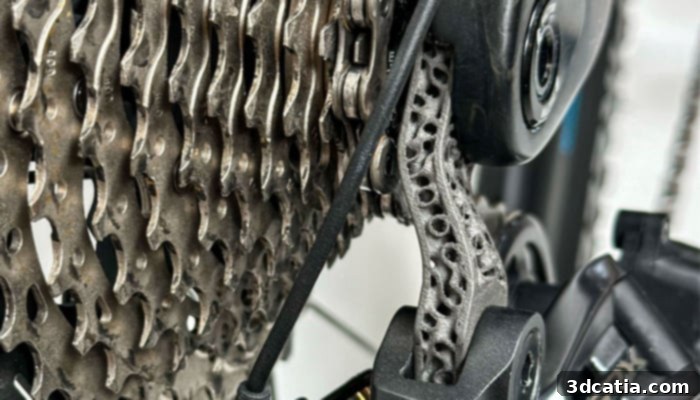
The 3D printed titanium part is integrated into the bike
Silca’s introduction of 3D printed titanium derailleur hangers represents a significant leap forward in cycling component design and manufacturing. It highlights the immense potential of additive manufacturing not just for rapid prototyping, but for the production of high-performance, end-use parts that redefine standards for precision, durability, and rider experience. As the cycling industry continues to embrace advanced technologies, we can expect to see even more innovative applications of 3D printing, enabling greater customization, weight reduction, and performance optimization across a myriad of bicycle components. This development by Silca is a clear indicator of a future where custom-engineered, additively manufactured parts become a staple in enhancing every cyclist’s journey. What are your thoughts on Silca’s pioneering use of titanium 3D printing for these critical bike components? Share your opinions and insights by leaving a comment below or by connecting with us on our LinkedIn, Facebook, and Twitter pages! Don’t miss out on the latest advancements and news in the additive manufacturing world – be sure to sign up for our free weekly Newsletter here, delivering the freshest 3D printing updates directly to your inbox! Additionally, explore our extensive library of videos on our YouTube channel for more engaging content.
*All Photo Credits: Silca