
Sandhelden: Pioneering Sustainable 3D Printing with Sand Through Binder Jetting for Art, Design, and Construction
The world of additive manufacturing, commonly known as 3D printing, is constantly evolving, pushing the boundaries of what’s possible with a diverse array of materials. While traditional plastics like PLA and ABS, along with metals, remain staple choices, an increasing number of innovators and researchers are exploring unconventional substances. This spirit of innovation has led to fascinating developments, with reports earlier this year highlighting the potential of materials such as soy and cellulose in 3D printing applications. Yet, one German company is making a remarkable impact by utilizing a material as ancient and abundant as **sand for 3D printing**, specifically through the binder jetting process. Sandhelden, under the leadership of founder and CEO Laurens Faure, seamlessly blends modern design aesthetics with a strong commitment to sustainability, making their approach particularly compelling. Their dedication to additive manufacturing is a natural extension of this ethos. To delve deeper into Sandhelden’s groundbreaking work and vision, we had the privilege of conducting an insightful interview with Laurens Faure.
Introducing Sandhelden: Merging Innovation with Natural Materials
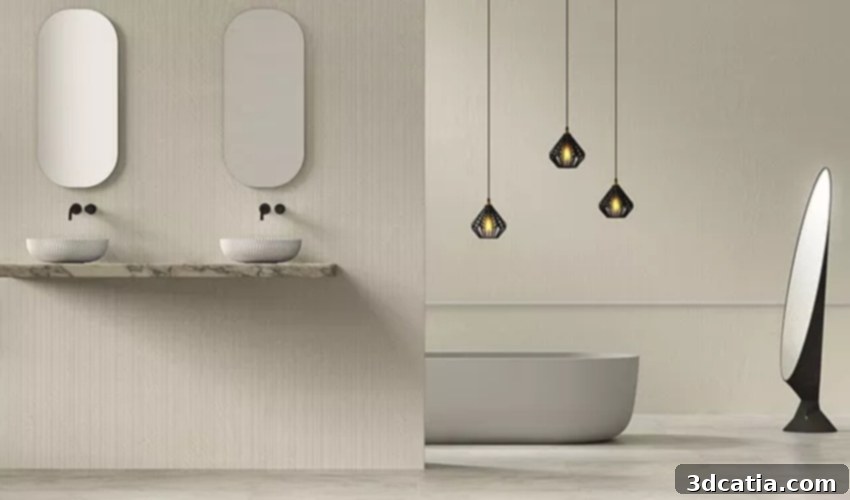
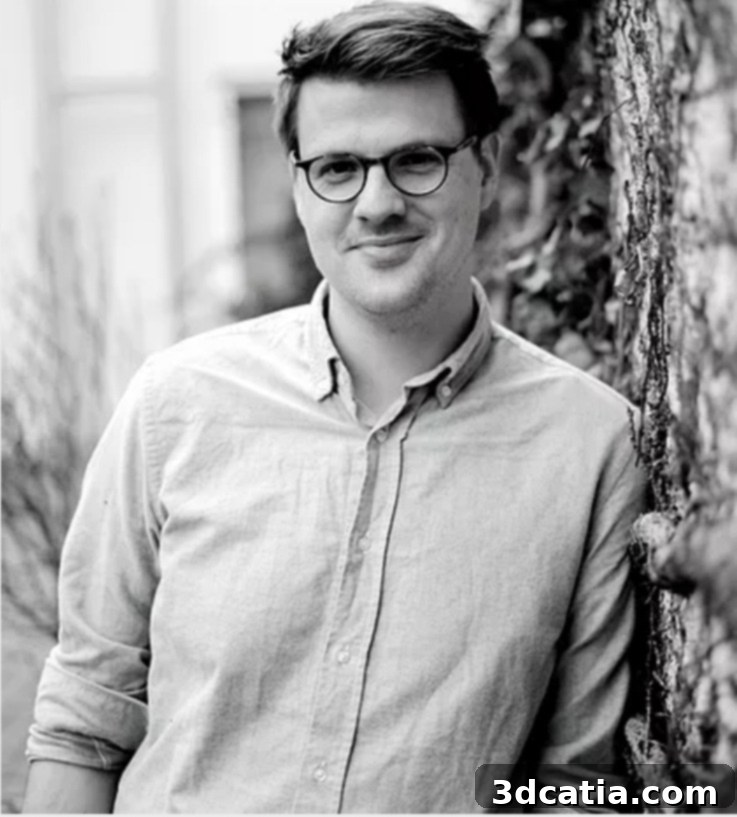 My name is Laurens Faure, and I am the proud founder and managing director of Sandhelden. At Sandhelden, we have carved out a unique niche as a leading company specializing in 3D printed art and design objects crafted from sand. Our business model operates on two main pillars. Firstly, we offer our own exclusive product lines, primarily within the sanitary sector, which include exquisitely designed washbasins, bathtubs, and other bespoke fixtures. These products showcase the incredible versatility and aesthetic appeal of sand as a primary material. Secondly, we extend our state-of-the-art manufacturing process as a service, making it accessible to a diverse clientele across various industries. This service is particularly popular among artists and designers, who form a significant portion of our customer base, enabling them to bring their most imaginative and intricate concepts to life with unparalleled precision and scale.
From Traditional Prototyping to 3D Sand Printing: The Sandhelden Origin Story
The journey of Sandhelden began with a vision to create and market our own distinctive bathroom collection. Initially, this concept was far removed from additive manufacturing. However, as we progressed to the prototyping phase, we encountered a significant hurdle: the exorbitantly high costs associated with traditional toolmaking. This challenge prompted us to explore alternative manufacturing methods. It was during this extensive search that we discovered the transformative potential of 3D printing, specifically binder jetting technology using sand as the base material. This particular approach captivated us with its exceptional benefits in terms of material properties, cost-efficiency, and production speed. The ability to rapidly produce complex, custom designs without the need for expensive molds fundamentally reshaped our strategy. Consequently, we made the pivotal decision to adopt binder jetting as our core manufacturing process, leading to the development of our innovative concept: individualized, high-quality bathroom products meticulously crafted from sand.
Understanding Binder Jetting and the Unique Qualities of Sand as a 3D Printing Material
Binder jetting is an ingenious additive manufacturing process that builds objects layer by layer using a liquid binding agent. The process begins within what we call “job boxes.” A meticulously thin layer of sand, typically around 0.28 mm thick, is precisely deposited. Over this sand layer, a sophisticated print head, much like those found in conventional paper printers, slides across the surface, selectively applying a binding agent to specific areas. This procedure is repeated with subsequent layers of sand and binder, gradually building up the desired object. The unprinted sand remains loose, providing support for the printed structure. At the culmination of the printing process, the job box contains a solid, bonded object encased within loose sand, reminiscent of an archaeological excavation where one carefully unearths artifacts. Our advanced 3D printers enable us to produce remarkably large objects or job boxes, with maximum dimensions reaching an impressive 4 x 2 x 1 meters, offering unparalleled flexibility in design and scale.
Sand is, without a doubt, the quintessential material for this particular process. For our production, we primarily utilize classic quartz sand, chosen not only for its superior properties but also for its regional sourcing, which aligns with our sustainability goals. Sand, being a natural and abundant material, offers numerous advantages. It is an excellent heat store, a characteristic that is particularly beneficial for our bathroom products, providing a comfortable and luxurious feel. Furthermore, sand holds a deep-seated positive association in the human psyche, evoking feelings of nature, tranquility, and warmth, which translates into a strong emotional connection with our products. Its granular structure allows for intricate geometries and unique surface finishes that are challenging to achieve with other materials, making it an ideal choice for distinctive art and design pieces.
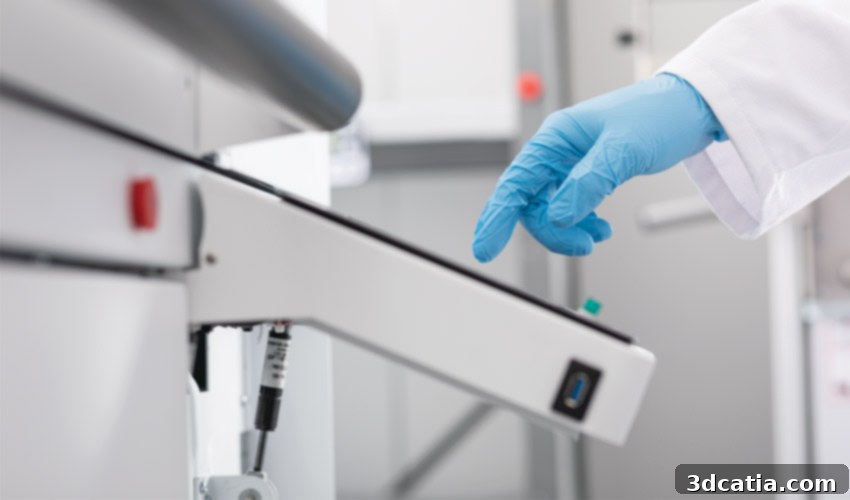
As the name suggests, Sandhelden uses sand to make their products, blending nature with cutting-edge technology.
The Distinct Advantages of 3D Printing for Artistic and Design Creations
Our unique process and choice of material offer a myriad of advantages to our diverse clientele, particularly in the realms of art and design. Firstly, our commitment to utilizing a natural material like sand underscores a crucial aspect of sustainability. Artists and designers are increasingly seeking eco-conscious production methods, and our approach resonates deeply with these values, offering a guilt-free medium for their creations. Secondly, our manufacturing capabilities are truly remarkable due to the impressive possible sizes of 4 x 2 x 1 meters. This expansive build volume allows for the creation of monumental artworks and large-scale design elements that would be impractical or prohibitively expensive with other additive manufacturing techniques or traditional crafting methods. When it comes to producing individual, custom pieces, our process proves to be significantly more cost-effective compared to many alternatives. Moreover, speed is a major differentiator; our 3D printers can complete projects of maximum dimensions within just 24 hours. This rapid turnaround time is invaluable for artists working under tight deadlines or for designers needing quick iterations. To put this into perspective, on our largest 3D printer, we can produce nearly 150 washbasins in a single day, excluding post-processing, demonstrating our exceptional production efficiency for high-volume custom orders as well.
Sustainability at the Core of Sandhelden’s Operations
The imperative of sustainability is not merely a buzzword for us; it plays a profoundly important role in every project we undertake, both for Sandhelden as a company and for our discerning customers. While we candidly acknowledge that our current binder jetting process is not yet 100% “green,” we are relentlessly pursuing this ambitious long-term goal. Our ongoing research and development efforts are dedicated to enhancing the eco-friendliness of every stage of our production. Nevertheless, the fundamental fact that we primarily employ a natural, regionally sourced material like sand forms an exceptionally strong and vital foundation for our commitment to environmental responsibility. This inherent characteristic significantly reduces the ecological footprint of our products from the outset.
Furthermore, our dedication to expanding our sustainable material portfolio is unwavering. We are actively engaged in a pioneering project focused on incorporating recycled plastic sourced from the world’s oceans into our material blends. This innovative principle has already found application in other additive manufacturing processes, and we are determined to successfully implement it within binder jetting technology. This ambitious initiative, proudly supported by the Bavarian Ministry of Economic Affairs, is a testament to our steadfast commitment to strengthening our sustainability objectives and driving meaningful environmental change within the industry. By integrating recycled content, we aim not only to minimize waste but also to offer even more eco-conscious choices to our customers.
Vision for the Future: Expanding Offerings and Impact
Our vision for the future is multifaceted and ambitious. Naturally, we aim to further solidify and enhance our unique position as the leading innovator in 3D-printed art and design objects made from sand. We are committed to playing a decisive and influential role in shaping the market landscape for such advanced manufacturing techniques. A key aspect of this growth strategy involves continuously expanding both our material and product portfolios. With respect to new materials, our primary focus will remain on developing and integrating recycled materials, driven by the increasing demand for sustainable solutions, particularly within the arts and design sectors. Beyond our current offerings, we are also actively exploring more specific involvement within the broader construction industry. In recent years, 3D printing has unequivocally demonstrated its immense added value and transformative potential in this field. Leveraging our distinctive manufacturing process, Sandhelden has developed several innovative concepts that are ideally suited for various construction applications, from intricate architectural elements to large-scale structural components, promising a revolutionary impact on how buildings are designed and constructed.
A Final Thought: Changing Perceptions, One Sand-Printed Object at a Time
In alignment with our powerful slogan, “Changing perceptions,” our ultimate goal is to fundamentally alter the traditional understanding and appreciation of sand as a material in the long term. We strive to achieve this by primarily manufacturing products that seamlessly integrate into everyone’s daily lives and personal spaces. Through our washbasins, bathtubs, and bespoke design pieces, sand is being rediscovered not merely as a construction aggregate or a playground material, but as a versatile, elegant, and sustainable medium for high-quality design and art. We are committed to showcasing its incredible potential and adaptability in ways never before imagined. It is our earnest hope that many of our readers will, at some point, experience the joy and unique tactile pleasure of owning and interacting with a Sandhelden product. We invite you to explore more about our innovative company and our offerings by visiting our official website HERE.
What are your thoughts on the groundbreaking work of Sandhelden and their innovative use of sand in 3D printing? We warmly invite you to share your insights in a comment below or join the conversation on our Facebook, Twitter andLinkedIn pages! For the latest updates and news in 3D printing delivered directly to your inbox, don’t forget to sign up for our free weeklyNewsletter here!
* All photo credits: Sandhelden GmbH & Co. KG