
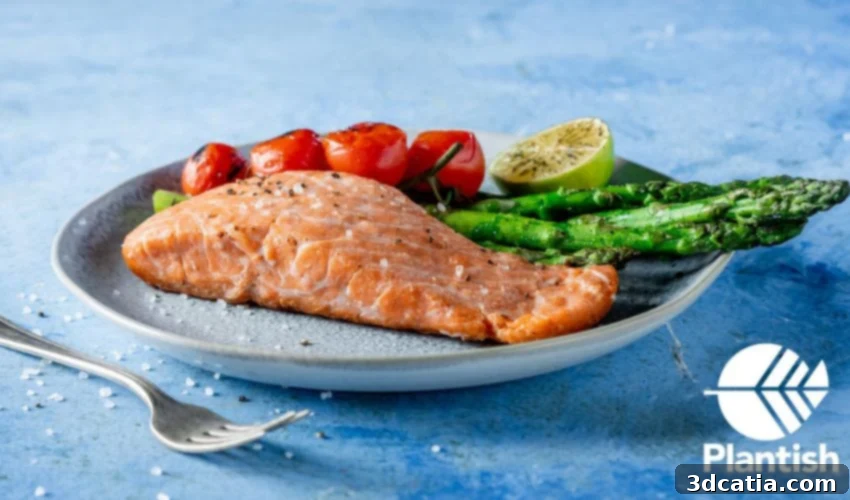
Plantish: Pioneering Sustainable Seafood with Advanced 3D Printed Plant-Based Fish
The global food industry is at a pivotal moment, grappling with escalating demands and environmental pressures. A critical area of concern is the world’s oceans, which face unprecedented challenges from overfishing, pollution, and climate change. According to a comprehensive report by the United Nations Food and Agriculture Organization (FAO), global fish consumption is projected to surge from 179 million tons in 2018 to an alarming 204 million tons by 2030. This relentless increase not only places immense strain on marine ecosystems, threatening biodiversity and ocean health, but also raises significant questions about the quality and safety of the fish we consume. Conventional fishing practices often contribute to overfishing, habitat destruction, and bycatch, while farmed fish can present issues with antibiotics and environmental waste. Moreover, wild-caught fish can accumulate heavy metals like mercury and microplastics, posing health risks to consumers.
Emerging from this pressing global challenge, Plantish, an innovative Israeli startup, is poised to revolutionize the seafood sector. Their visionary approach offers a compelling alternative to traditional fish consumption: meticulously crafted, plant-based fish fillets produced using cutting-edge 3D printing technology. Plantish first set its sights on the immensely popular salmon market, developing plant-based salmon fillets that authentically replicate the taste, texture, and nutritional profile of conventional salmon. This groundbreaking endeavor is powered by a proprietary 3D printing technology, allowing for unparalleled precision in replicating the complex fibrous structure of fish. The company has already garnered significant investor confidence, successfully raising $12.5 million to fuel its mission. Plantish plans to introduce its sustainable, guilt-free seafood products to consumers through a strategic network of restaurateurs, offering a premium dining experience that doesn’t compromise on flavor or environmental responsibility. We recently had the opportunity to connect with the Plantish team to delve deeper into their ambitious projects, technological advancements, and exciting future developments that promise to reshape the future of seafood.
The Vision Behind Plantish: Crafting Sustainable Seafood for a Healthier Planet
Plantish: A New Era for Seafood Innovation
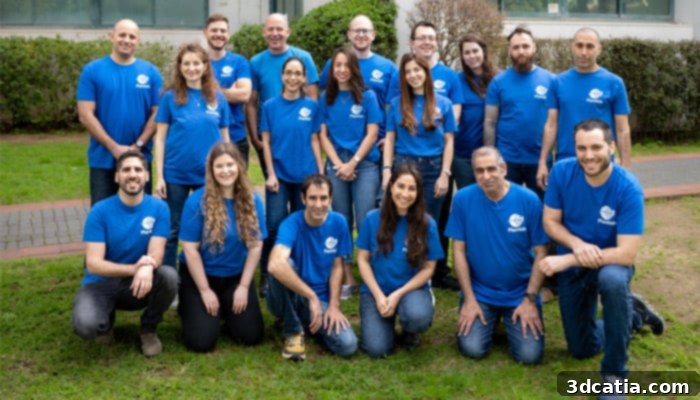
The innovative Plantish team (Photo credits: Or Paravoznik)
Our inaugural product, Plantish salmon™, represents a significant leap forward in the alternative protein market. It is engineered to be not only exceptionally delicious, delivering the rich, satisfying flavor and texture that consumers expect from premium salmon, but also remarkably nutritious. Each fillet is packed with essential protein and beneficial omega-3 and omega-6 fatty acids, crucial nutrients often associated with conventional fish. Critically, Plantish salmon™ offers these health benefits without the drawbacks commonly found in traditional fish, as it is entirely free of mercury, antibiotics, and microplastics. This makes it a superior, safer, and more sustainable choice for health-conscious consumers and environmental advocates alike.
The Genesis of an Ocean-Saving Endeavor: A Story of Urgency and Innovation
Addressing the Ocean’s Silent Crisis with Plant-Based Solutions
The Plantish journey began with a profound and alarming realization: our oceans, the very origin of all life on Earth, are facing an existential crisis. The devastating effects of overfishing are causing unprecedented environmental damage to marine ecosystems, leading to declining fish populations, disruption of intricate food webs, and destruction of vital habitats like coral reefs. Paradoxically, despite this ecological crisis, the global demand for fish continues to reach all-time highs and shows no signs of abating. This escalating demand creates an unsustainable cycle, pushing marine resources further to the brink.
We recognized that people genuinely love eating fish, and a significant portion of this preference lies in the experience of consuming whole-cut fillets, appreciated for their distinct texture, flakiness, and culinary versatility. Simply offering ground or shredded plant-based alternatives wasn’t enough to truly capture the market and shift consumer habits. Therefore, we committed ourselves to tackling this monumental challenge head-on by leveraging alternative protein sources. Our goal was to develop seafood products that are not only environmentally sustainable but also inherently safer for consumption. By utilizing carefully selected plant-based ingredients, we eliminate concerns over antibiotics, heavy metals, microplastics, and other toxins that can accumulate in conventional fish. Crucially, we ensure that our plant-based fillets still deliver high levels of essential nutrients like omega-3s and protein, providing a wholesome and guilt-free dining experience.
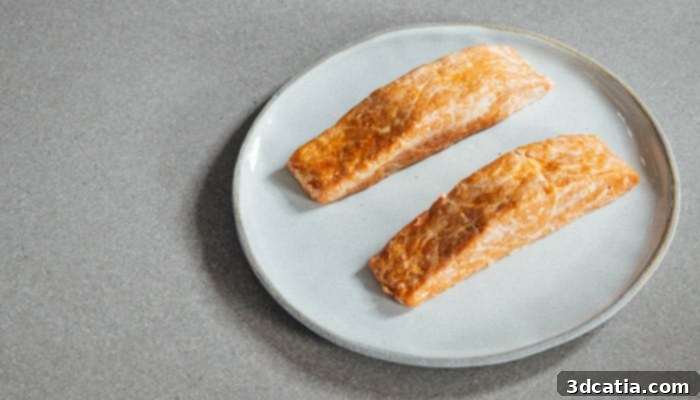
An exquisite Plantish salmon fillet (Photo credits: Noam Preisman)
The Power of 3D Printing in Food Innovation: Replicating Nature’s Complexity
Precision and Scalability: The Core Advantages of Additive Manufacturing for Food
One of the most significant challenges in creating truly authentic plant-based fish fillets lies in replicating the intricate, complex structure of conventional fish. Take salmon, for example: it possesses a highly specific, layered architecture of muscle tissues, connective tissues, and fat components that contribute to its distinctive flakiness, chewiness, and overall mouthfeel. Achieving this complex and highly ordered structure, where each tissue and fat component is precisely placed, is incredibly difficult with traditional food manufacturing methods. This is where the transformative potential of food 3D printing, specifically our patented additive manufacturing technology, becomes indispensable.
Our advanced 3D printing technology is explicitly engineered to create these elaborate salmon fillets with unprecedented precision. Unlike conventional methods that might mix or extrude ingredients, 3D printing allows us to deposit various plant-based ingredients layer by layer, meticulously building the desired texture and composition. This enables us to accurately mimic the fibrous muscle structure, the delicate fat marbling, and the flaky consistency that are hallmarks of high-quality salmon. This level of control over the microstructure is not just about aesthetics; it is fundamental to delivering an authentic sensory experience. Moreover, a key advantage of our additive manufacturing technology is its inherent scalability. While precision is vital, the ability to produce these complex structures efficiently and consistently at a large scale is what makes our solution viable for widespread adoption and a true game-changer in the alternative protein market.
At Plantish, our mission extends beyond simply replicating the appearance of salmon. We are dedicated to addressing and perfecting the entire sensory experience associated with eating conventional salmon. This includes meticulously recreating the succulent taste, the firm yet flaky texture, the nuanced flavor profile, and the delicate aroma that defines premium fish. But perhaps most importantly, we focus intensely on the structural integrity – ensuring that each bite delivers the authentic feel and mouthfeel of real salmon. By leveraging the unparalleled capabilities of 3D printing, we can achieve this holistic sensory experience, offering a plant-based product that truly satisfies the palate and exceeds consumer expectations, making the transition to sustainable seafood effortless and enjoyable.
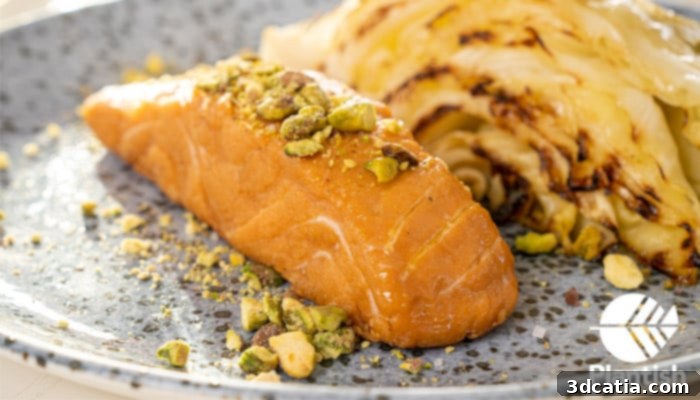
Plantish’s realistic 3D printed salmon fillet (Photo credits: Shahaf Beger)
Plantish’s Ambitious Future: Expanding Beyond Salmon
Expanding the Plant-Based Seafood Horizon: Unlimited Potential
We envision expanding our product portfolio to include a wide array of popular fish species. Imagine plant-based tuna steaks with their rich, meaty texture, or delicate whitefish fillets that flake perfectly, all produced without impacting ocean ecosystems. The inherent flexibility and precision of our 3D printing platform enable us to analyze the unique fibrous and fatty compositions of different fish species and then reconstruct them using plant-based ingredients. This scientific and culinary approach ensures that each new product maintains the authentic taste, texture, and nutritional value that consumers expect from premium seafood. We firmly believe that with the continuous refinement of our proprietary technology and the unwavering dedication of our amazing, multidisciplinary team, we can achieve any goal we set for ourselves.
Our ultimate ambition is to create a diverse range of delicious and flavorful plant-based seafood products that not only meet but exceed the expectations of consumers. We want people to be genuinely excited about eating our sustainable alternatives, knowing they are making a positive choice for their health and the planet, without compromising on culinary delight. This commitment to taste, texture, and nutritional excellence, combined with our sustainable ethos, is what drives Plantish forward as we work towards a future where delectable seafood can be enjoyed by everyone, guilt-free. You can learn more about our pioneering work and vision by visiting our official website HERE.
The Environmental and Health Imperative for Plant-Based Fish
The rise of companies like Plantish is not merely a culinary trend; it’s a critical response to dire environmental and public health concerns. Environmentally, plant-based fish dramatically reduces the immense pressure on wild fish stocks, which are currently at unsustainable levels. It mitigates destructive fishing practices like bottom trawling, which devastate seafloor habitats, and significantly reduces bycatch – the unintentional capture of non-target marine species, including endangered ones. Furthermore, it addresses the environmental footprint of aquaculture, which can contribute to water pollution, habitat destruction for mangrove forests, and the use of antibiotics in farmed fish. By shifting consumption to plant-based alternatives, we can help marine ecosystems recover and thrive, safeguarding biodiversity for future generations.
From a health perspective, the benefits are equally compelling. Plant-based fish offers a guaranteed purity that conventional seafood often cannot. Consumers can enjoy their meals without worrying about heavy metals like mercury, which can accumulate in larger fish and pose neurological risks, especially to pregnant women and young children. The absence of microplastics, which are increasingly found in marine life and can enter the human food chain, is another significant advantage. Moreover, Plantish ensures its products are free from antibiotics, a common concern in farmed fish that contributes to antibiotic resistance. Instead, consumers receive a carefully controlled nutritional profile, rich in essential proteins and healthy omega-3 and omega-6 fatty acids derived from plant sources, providing all the goodness without the associated risks.
A Glimpse into the Future of Food: Innovation and Sustainability
Plantish stands at the forefront of a burgeoning global movement towards alternative proteins and innovative food technology. Their success underscores a broader shift in how we think about food production, consumption, and its impact on the planet. This isn’t just about replacing a single food item; it’s about fundamentally rethinking our food systems to create more resilient, ethical, and sustainable solutions. The potential for food security is immense, as controlled, localized production of plant-based foods can reduce reliance on volatile natural resources and complex supply chains. Moreover, it empowers consumers to make ethical choices, supporting industries that align with their values for animal welfare and environmental stewardship. Companies like Plantish are paving the way for a future where delicious, nutritious food can be produced with minimal environmental impact, ensuring that future generations can also enjoy the bounty of our planet.
Engage with the Future of Food Innovation
Would you be willing to try Plantish’s revolutionary 3D printed plant-based salmon? What are your thoughts on the groundbreaking idea of 3D printing food as a solution to global food challenges? We encourage you to share your perspectives and engage in the conversation by leaving a comment below or by connecting with us on our LinkedIn,Facebook, andTwitter pages! Don’t miss out on the latest advancements and insights in 3D printing and food technology – be sure to sign up for our free weeklyNewsletter here, delivered straight to your inbox! You can also explore all our engaging videos and interviews on our dedicatedYouTube channel for a visual journey into the world of additive manufacturing.
*Cover photo credits: Asaf Karela