
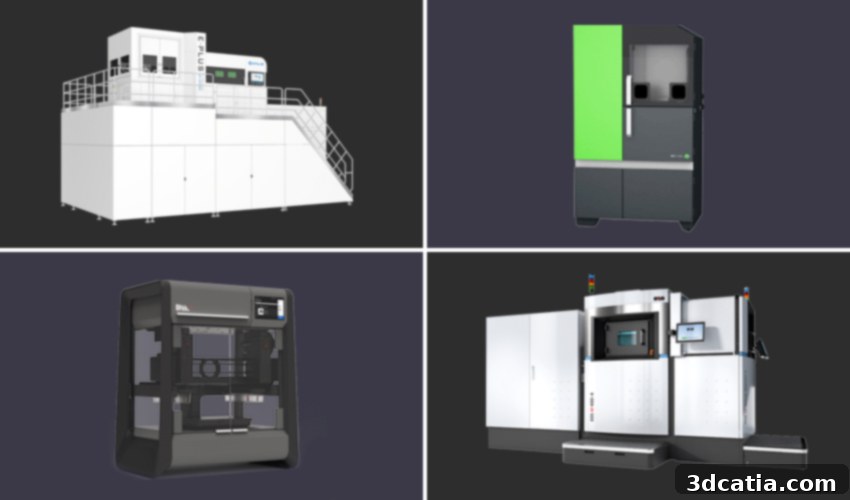
The Ultimate Guide to Metal 3D Printers: Exploring Top Technologies and Manufacturers in Additive Manufacturing
Metal additive manufacturing, often referred to as metal 3D printing, represents a revolutionary suite of processes that are rapidly gaining traction across diverse industrial sectors. Manufacturers worldwide are increasingly adopting these advanced solutions to produce high-performance, lightweight, and customized metal parts with significantly reduced energy consumption. The exponential growth in this field is undeniable; the Wohlers Report 2024 highlighted an impressive 24.4% year-over-year increase in sales of metal 3D printers, underscoring the industry’s dynamic expansion and widespread adoption. Navigating the myriad of options available in today’s burgeoning market can be complex. To simplify your understanding of this cutting-edge sector, we’ve meticulously categorized the leading metal 3D printers based on their core manufacturing processes. This comprehensive guide delves into major technologies such as powder bed fusion, directed energy deposition, material extrusion, electron beam melting, binder jetting, and a selection of other innovative technologies. Explore each category to discover the machines best suited for your specific industrial applications by clicking on the technology of your choice to jump directly to the associated manufacturers and their machines!
- See all the powder bed fusion printers
- See all the directed energy deposition printers
- See all the material extrusion printers
- See all the electron beam melting printers
- See all the binder jetting printers
- See all the metal printers using other technologies
Powder Bed Fusion (PBF) Metal 3D Printers: Precision and Versatility
Powder Bed Fusion (PBF) is one of the most widely adopted and versatile metal 3D printing technologies. It involves using a high-energy source, typically a laser or electron beam, to selectively melt and fuse layers of fine metal powder. This process builds parts layer by layer from a bed of powdered material, allowing for the creation of incredibly complex geometries, intricate internal structures, and high-resolution details. PBF is known for its ability to produce functional parts with excellent mechanical properties, making it ideal for demanding applications in aerospace, medical, automotive, and tooling industries. Common variations include Selective Laser Melting (SLM), Direct Metal Laser Sintering (DMLS), and Electron Beam Melting (EBM, which we’ll cover separately due to its distinct characteristics).
3D4MEC: Italian Innovation in Steel and Brass Metal 3D Printing
Based in Bologna, Italy, 3D4MEC stands out for its specialized focus on developing and manufacturing metal 3D printers tailored for specific alloys, particularly steel and brass (a copper and zinc alloy). Leveraging advanced laser powder bed fusion technology, 3D4MEC offers two distinct product lines. The 3D4STEEL 3D printing system is expertly designed for non-reactive steel powders, providing highly customized solutions to meet the unique production requirements of various manufacturers. Complementing this, their 3D4BRASS manufacturing system excels at creating prototypes and pre-series parts directly in brass. This eliminates the need for traditional molds or intermediate steps, significantly reducing lead times and accelerating delivery schedules. Through their innovative solutions, 3D4MEC ensures enhanced practicality and ease in industrial production, consistently delivering high-quality final parts that meet stringent industry standards.
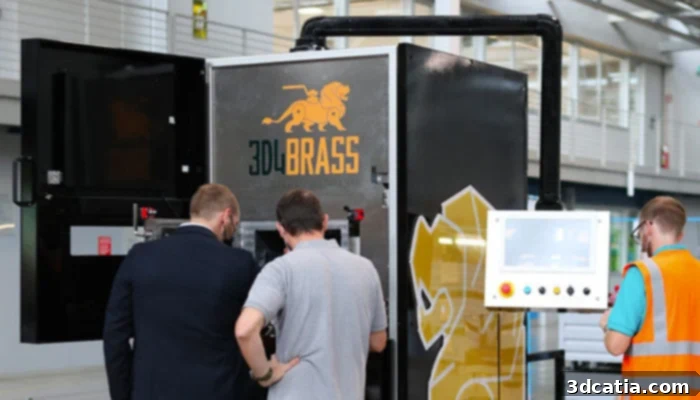
Photo Credits: 3D4MEC
3D Systems: A Pioneer in Direct Metal Printing (DMP) Technology
As one of the global pioneers and leaders in 3D printing, 3D Systems has an indelible legacy in the additive manufacturing industry, dating back to the 1980s with its groundbreaking stereolithography technology. Since then, the company has continuously driven innovation, particularly excelling in metal 3D printing with its proprietary Direct Metal Printing (DMP) technology. This sophisticated process employs a high-precision laser to meticulously fuse successive layers of metal powder, enabling the fabrication of exceptionally complex and accurate metal parts. 3D Systems offers a diverse portfolio of metal 3D printers, available in various formats to cater to a wide spectrum of industrial demands. The large-format DMP Factory 500 is engineered for substantial production volumes, while the DMP Flex 350 Dual and DMP Flex 350 Triple models are ideally suited for medium-sized manufacturing operations, offering enhanced productivity. For applications requiring a more compact footprint without compromising quality, the DMP Flex 200 provides an excellent solution. Their continuous commitment to advancing metal AM has solidified 3D Systems’ position at the forefront of the industry.
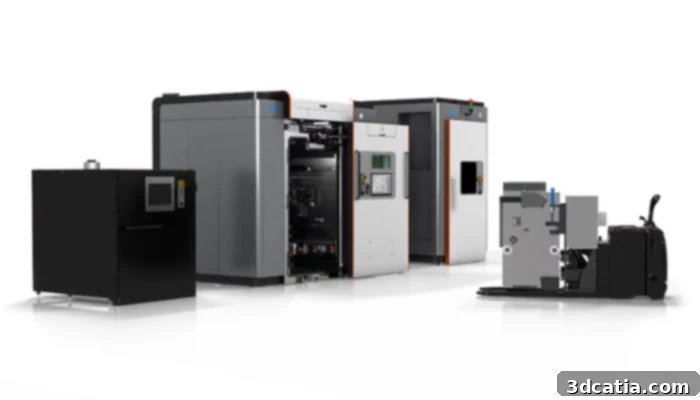
Photo Credits: 3D Systems
Aconity3D: Modular and Scalable Metal Additive Manufacturing Solutions
Since its establishment in 2014, Aconity3D has rapidly become a respected name in the field of metal additive manufacturing, particularly renowned for its expertise in laser powder bed fusion systems. The company offers a comprehensive range of standard 3D printing machines designed to cater to a wide array of industrial applications. A key differentiator for Aconity3D is its highly modular platform, which allows for effortless customization and adaptation of equipment to meet the precise and evolving requirements of users. Their extensive product line spans from entry-level single-laser systems, such as the AconityMINI, to sophisticated multi-laser configurations featuring up to six lasers, exemplified by the high-performance AconityX. Intermediate models like the AconityMIDI+, AconityTWO, and AconityMICRO further illustrate their commitment to providing scalable and flexible solutions, ensuring that manufacturers can find the perfect system for their specific production needs, from research and development to full-scale industrial production.
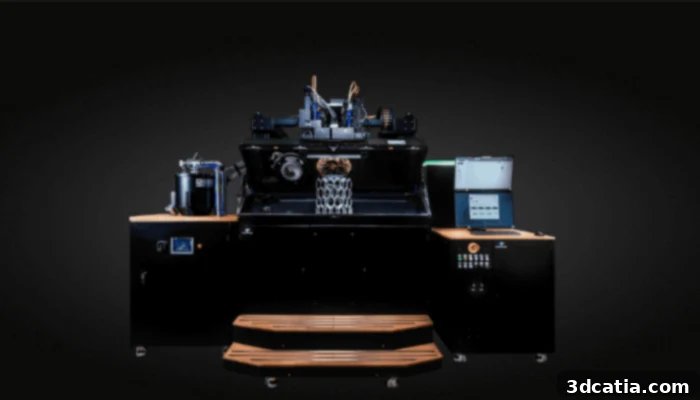
The AconityTWO from Aconity3D. (Photo Credits: Aconity3D)
AddUp: French Excellence in Industrial Metal 3D Printing
AddUp emerged from a powerful strategic alliance between two industrial giants: Michelin and Fives, combining their deep expertise to innovate in metal additive manufacturing. The company quickly established its presence with the introduction of its flagship machine, the FormUp 350. This robust printer operates on laser powder bed fusion technology, offering a generous printing volume of 350 x 350 x 350 mm. Its broad material compatibility includes essential industrial alloys such as stainless steel, nickel, titanium, and aluminum alloys, making it incredibly versatile. The FormUp 350 is perfectly suited for a wide array of demanding applications, ranging from large-scale production runs of intricate medical prostheses to small series of critical structural components for the aerospace industry. AddUp further extends its capabilities with the FormUp 350 Evolution, an advanced version that boasts a remarkable 185% increase in build volume over the standard model, unlocking new possibilities for manufacturing larger and more complex parts for diverse industrial requirements.
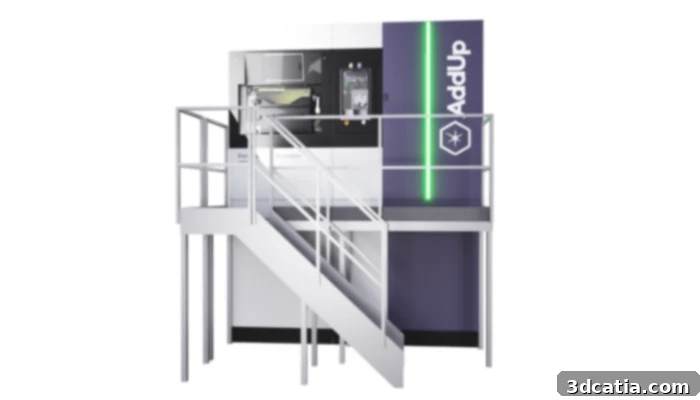
Photo Credits: AddUp
Alpha Laser: Precision and Power in Metal Laser Additive Manufacturing
The German company Alpha Laser is a specialist in the development of sophisticated laser metal additive manufacturing systems, delivering powerful, precise, and user-friendly solutions for a variety of industrial applications. Their product portfolio encompasses mobile, open, and closed systems, designed to meet the specific requirements of each unique application. A standout offering is the AL3D-METAL, a compact yet highly precise metal 3D printer, making it an ideal choice for the intricate demands of the jewelry and high-end manufacturing sectors. This system utilizes a powerful 200W laser and features an advanced closed powder handling system for enhanced safety and material purity. Compatible with a range of metals including gold, silver, titanium, and steel, the AL3D-METAL achieves impressive part densities of up to 99.9% and facilitates rapid material changes, boosting productivity. Alpha Laser’s equipment is meticulously engineered to combine high power, stringent laser safety, ergonomic design, and exceptional durability, providing reliable and efficient tools that seamlessly integrate into daily industrial workflows.

Photo Credits: Alpha Laser
BLT (Bright Laser Technologies): Accelerating Metal 3D Printing with Multi-Laser Systems
Bright Laser Technologies (BLT), a prominent Chinese company, is at the forefront of providing advanced metal 3D printing solutions, particularly distinguished by its multi-laser technology. Their state-of-the-art equipment can incorporate up to 26 fiber lasers, dramatically accelerating manufacturing processes by up to 70% compared to conventional single-laser systems. BLT maintains stringent control over the entire production pipeline, from the in-house manufacturing of high-quality metal powders (including titanium, nickel, stainless steel, and aluminum) to the meticulous optimization of printing parameters, ensuring consistent, repeatable, and superior results. The company offers two main ranges of 3D printers, the S series (comprising 10 diverse machines) and the A series, both engineered to manufacture complex geometries, often without the need for support structures at angles of less than 30°. This innovative capability significantly reduces post-processing efforts and costs. With an unwavering commitment to speed, efficiency, and quality, BLT’s machines are indispensable in highly demanding sectors such as aerospace, automotive, medical, and electronics, where precision and performance are paramount.
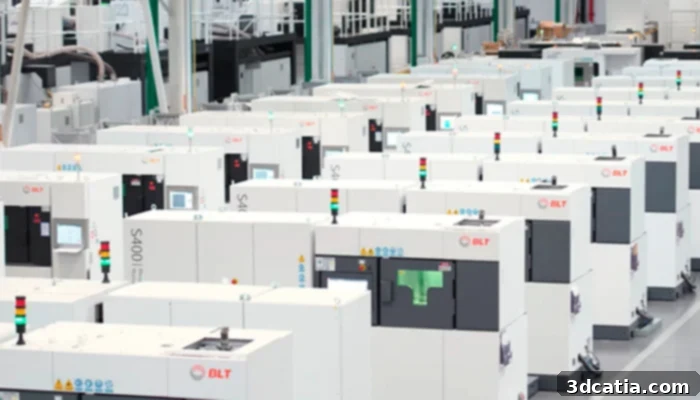
Photo Credits: BLT
Colibrium Additive (formerly GE Additive): A New Identity, Same Commitment to Performance
While the name Colibrium Additive might be new to some, this company is a venerable player in the additive manufacturing landscape, operating under a refreshed identity. Colibrium Additive is the rebranded entity of GE Additive, a company renowned for its significant acquisitions of industry leaders like Concept Laser (a pioneer in laser powder bed fusion) and Arcam EBM (a leader in electron beam melting). The rebranding in spring 2024 positions Colibrium Additive under the umbrella of GE Aerospace, signaling a strategic alignment, though the company’s core activities and dedication to advancing metal 3D printing remain unchanged. Colibrium Additive continues to deliver high-performance solutions for industrial metal additive manufacturing, offering cutting-edge machines, a wide array of advanced materials, and comprehensive services. Their focus spans three primary powder processes: Electron Beam Powder Bed Fusion (EB-PBF, their term for EBM), Laser Powder Bed Fusion (LPBF), and metal binder jetting, specifically catering to the production of large parts on an industrial scale. This strategic breadth allows them to address a diverse range of complex manufacturing challenges across critical industries.
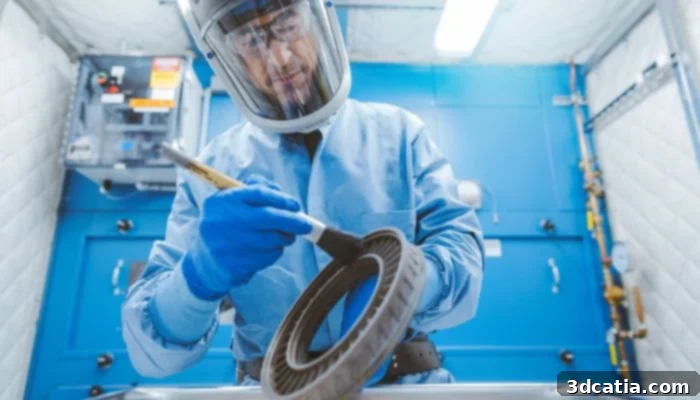
Photo Credits: Colibrium Additive
Eplus3D: Decades of Experience in Industrial Additive Manufacturing Solutions
Boasting over 30 years of experience in the additive manufacturing industry, Eplus3D is a Chinese company that has successfully established a significant international presence, evidenced by its strategic locations in Stuttgart, Germany, and Houston, USA. Eplus3D specializes in providing robust industrial 3D printing solutions, proficiently covering both polymer and metal materials, which are additively processed within a powder bed environment. Their industrial 3D printers serve a broad spectrum of demanding industries, including aerospace, automotive, medical, and energy, among many others. Beyond just printing systems, Eplus3D also places a strong emphasis on developing advanced software, offering comprehensive services, and conducting continuous research and development into novel materials for additive manufacturing. The company’s expertise has been prominently showcased through numerous collaborations. For instance, at Formnext 2024, Eplus3D unveiled the world’s largest 3D-printed rocket engine in partnership with LEAP 71. Additionally, their collaboration with MÖVE resulted in the innovative presentation of the first 3D-printed titanium bicycle frame with an integrated battery, highlighting their versatile capabilities and innovative spirit.
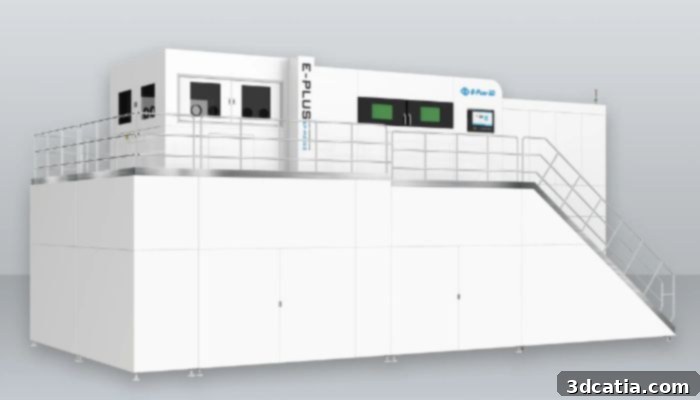
The EP-M2050 3D metal printer with a build area of 2050 x 2050 x 1100 mm. (Photo Credits: Eplus3D)
EOS: A Global Leader in DMLS for Industrial Applications
Located in Krailling near Munich, Germany, EOS is widely recognized as one of the true pioneers in the additive manufacturing industry. Established in 1989, this family-owned business has built its foundation on principles of sustainability, innovation, and corporate responsibility. EOS offers a comprehensive ecosystem of additive manufacturing products, encompassing advanced 3D printing systems for both polymers and metals, along with extensive services and a wide range of materials. Their flagship metal offerings are centered around their Direct Metal Laser Sintering (DMLS) solutions. This includes the highly popular EOS M 290 series, the EOS M 300 series designed for enhanced productivity, and the large-format EOS M 400 series. To date, over 20 different alloys have been rigorously validated for use across all these systems, allowing customers to additively process a diverse range of materials such as aluminum, cobalt-chromium, copper, nickel-based alloys, stainless steels, and many more. Further demonstrating their commitment to specialized solutions, AMCM (Additive Manufacturing Customized Machines) operates as a sister company within the EOS Group, dedicated to providing bespoke AM solutions that extend beyond their standard product offerings, catering to unique customer requirements and pushing the boundaries of what’s possible with DMLS technology.
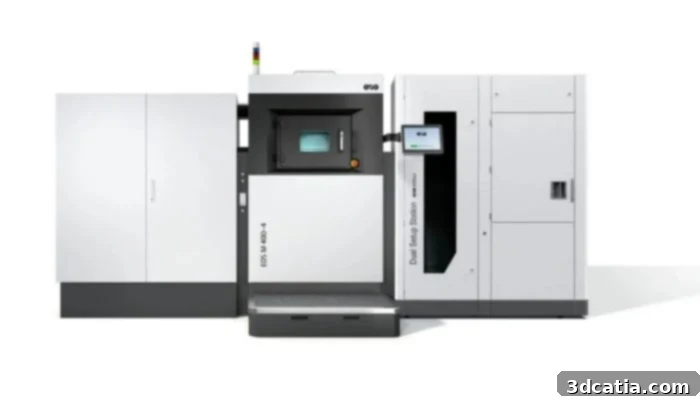
EOS M 400 series (Photo Credits: EOS)
Farsoon Technologies: Expanding Global Reach with Advanced Metal PBF Solutions
With headquarters strategically located in China, North America, and Europe, Farsoon Technologies has solidified its position as a global provider of cutting-edge metal printing solutions, catering to a diverse array of industrial applications. Founded in 2009, this Chinese manufacturer has established itself as a leading supplier of industrial 3D printing technology within China and has successfully extended its footprint internationally. Farsoon specializes exclusively in laser powder bed fusion technology, delivering robust and high-performance machines. A notable introduction to the European market in 2022 was the CAMS FS421M 3D printer. This impressive metal 3D printer, with machine dimensions of 2770×3220×2350 mm, is capable of producing parts as large as 425×425×420 mm. It leverages advanced laser powder bed fusion, offering users the flexibility of a dual-laser configuration for enhanced speed and efficiency. The CAMS FS421M is compatible with a variety of materials, including copper, titanium, and aluminum, making it a versatile tool for complex manufacturing demands across industries.
Matsuura: Hybrid Manufacturing with Integrated Metal 3D Printing
Founded in Japan in 1935, Matsuura is a distinguished manufacturer of advanced industrial machinery, employing 300 professionals globally. The company has carved a unique niche in the additive manufacturing sector by marketing innovative hybrid 3D printers that seamlessly integrate traditional CNC milling and subtractive manufacturing processes with cutting-edge additive manufacturing techniques, specifically powder bed fusion. This synergistic approach allows for the creation of highly complex parts with superior surface finishes and precise tolerances, all within a single machine. Matsuura currently offers two flagship models in this category: the LUMEX Avance-25 and the LUMEX Avance-60. These hybrid systems are designed to optimize production workflows, reduce lead times, and enhance the overall quality and functionality of metal components across various high-precision industries.
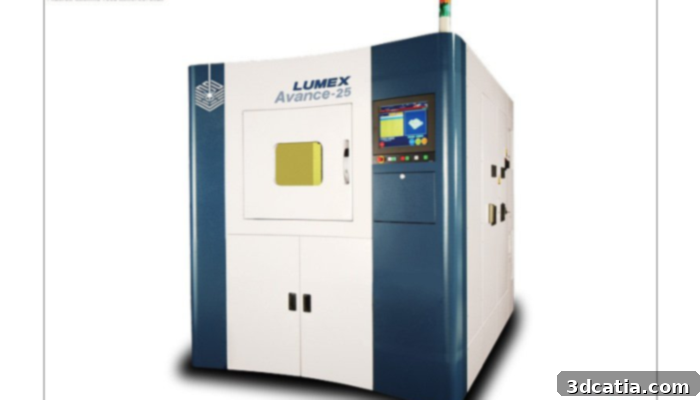
Photo Credits: Matsuura
Nikon SLM Solutions: Driving Industrial Metal Additive Manufacturing Forward
The esteemed metal 3D printing company SLM Solutions underwent a significant transformation in January 2023 when it was acquired by Nikon, a global leader in precision optics and imaging, thereby becoming Nikon SLM Solutions. This strategic acquisition has bolstered the company’s capabilities and reach. Nikon SLM Solutions currently offers an impressive portfolio of seven metal 3D printers in the market, including established models like the SLM 125, SLM 500, SLM 280 2.0, SLM 280 PS, SLM 800, and the newer, high-performance NXG XII 600 and NXG 600E. These advanced 3D printers are all built upon the company’s patented Selective Laser Melting (SLM) technology, which ensures high precision and material integrity. The latest NXG series is specifically engineered to meet the rigorous demands of industrial metal additive manufacturing, enabling large-format production and series manufacturing with exceptional speed and reliability, making them critical assets for various high-tech sectors.
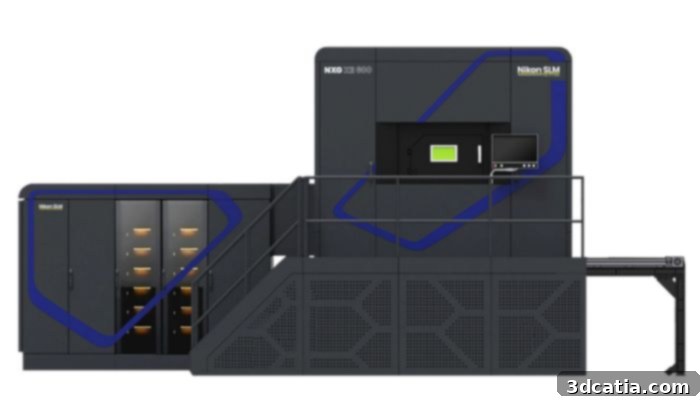
Photo Credits: Nikon SLM Solutions
One Click Metal: Making Metal PBF Accessible and Sustainable
One Click Metal, a dynamic German company based in Tamm near Stuttgart, is dedicated to democratizing metal 3D printing by specializing in accessible Powder Bed Fusion (PBF) solutions. Their primary mission is to simplify the complexities of metal additive manufacturing, making this powerful technology more user-friendly and widely available. Beyond accessibility, One Click Metal is deeply committed to sustainability, proudly utilizing 100% electricity from renewable sources in its operations. The company provides a comprehensive ecosystem for metal 3D printing, starting with a user-friendly starter package known as M PREP. This is complemented by the M ONE software, designed for seamlessly loading CAD designs, the efficient M PRINT 3D printer, and the M PUREpro, an innovative 2-in-1 unpacking and sieving station. The M PRINT 3D printer itself is equipped with a powerful 200W fiber laser, ensuring high productivity and exceptional precision in the printing process. It features a compact build volume of 150 mm x 150 mm x 150 mm and machine dimensions of 1.1 x 1.9 x 0.79 m, weighing 440 kg, making it suitable for a range of professional environments.
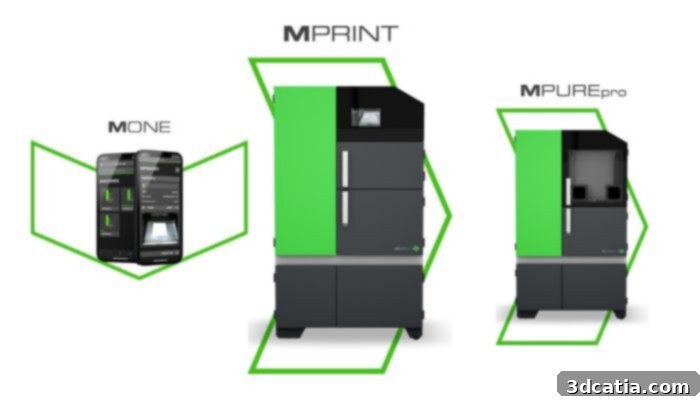
Photo Credits: One Click Metal
Prima Additive: Italian Expertise, Global Reach with PBF and DED Solutions
Prima Additive, an Italian company originally part of the esteemed Prima Industrie Group, has now become a strategic component of the Japanese Sodick Group, expanding its global influence and technological synergies. Headquartered in Turin, Italy, Prima Additive is a significant player in the additive manufacturing space, offering both Powder Bed Fusion (PBF) and Directed Energy Deposition (DED) 3D printers. The company’s solutions are actively deployed across diverse industries, including aerospace, automotive, medical, and dental, catering to critical manufacturing needs. Currently, Prima Additive provides a robust portfolio of PBF metal 3D printing solutions. These include the Print Sharp 150, Print Genius 150, and Print Green 150, alongside the versatile 300 Family series of printers. For larger-scale applications, the Print Genius 400 stands out with an impressive print volume of up to 430 x 430 x 1000mm and offers customizable laser configurations, allowing for tailored performance to meet specific production demands. This comprehensive range ensures that Prima Additive can address a wide array of industrial challenges with high-quality metal additive manufacturing solutions.
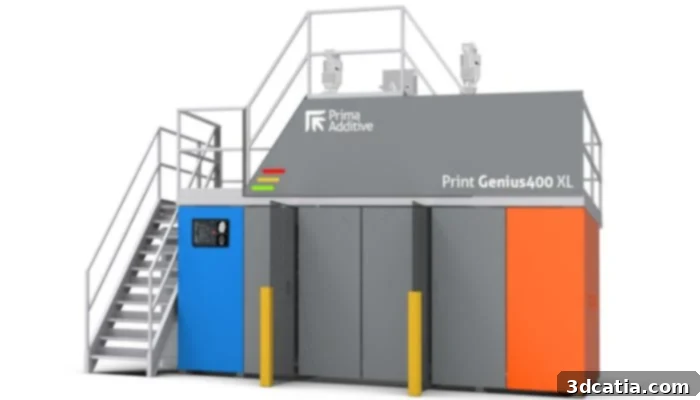
Photo Credits: Prima Additive
Renishaw: UK’s Leading Provider of Industrial Metal Additive Manufacturing
Renishaw, a globally recognized British additive manufacturing company, is headquartered in Gloucestershire, UK, and stands as a testament to engineering excellence. The company specializes in the creation of industrial 3D printers that excel at producing lightweight, bespoke metal models with remarkable speed and precision, primarily utilizing sophisticated powder bed fusion technology. Renishaw offers a unique and highly acclaimed line of 3D printers under its RenAM 500 series, meticulously designed to address diverse industrial requirements. This comprehensive series includes the RenAM 500 Flex, known for its versatility, the high-productivity RenAM 500Q (featuring multiple lasers), the ultra-high performance RenAM 500 Ultra, and the latest addition, the RenAM 500D (designed for dual material or increased productivity). Each model within the RenAM 500 series provides a tailored 3D printing solution, offering varying speeds and build sizes, ensuring that Renishaw can equip manufacturers with the ideal tool for their specific metal additive manufacturing challenges, from rapid prototyping to serial production of critical components.
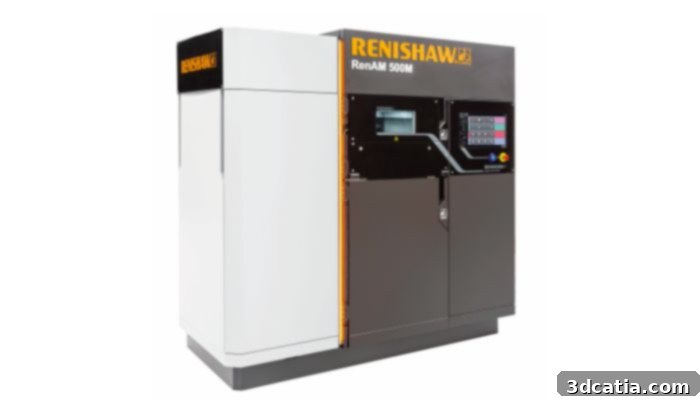
Photo Credits: Renishaw
SamyLabs: Making Metal 3D Printing Accessible for Education and SMEs
SAMYLABS, a forward-thinking manufacturer founded in 2016 and based in Vizcaya, Spain, specializes in the design, production, and marketing of metal 3D printers. The company’s core mission is to significantly enhance the accessibility of metal 3D printing technology, particularly for small businesses, vocational training centers, and universities. Their inaugural 3D printer, the Alba 300, was developed in close collaboration with ONA, a partnership that underscored a commitment to excellence and innovation in additive manufacturing. The Alba 300 is engineered for seamless operation in both industrial environments and office settings, offering remarkable versatility. Building on this success, SAMYLABS recently introduced the Alba 500, an enhanced iteration of its predecessor. The Alba 500 boasts several key improvements, including a larger print volume, a sophisticated double filtering system for improved air quality and material purity, and a more powerful 500 W laser system, a substantial upgrade from the Alba 300’s 200 W laser. These advancements highlight SAMYLABS’ dedication to providing powerful yet accessible metal additive manufacturing solutions.
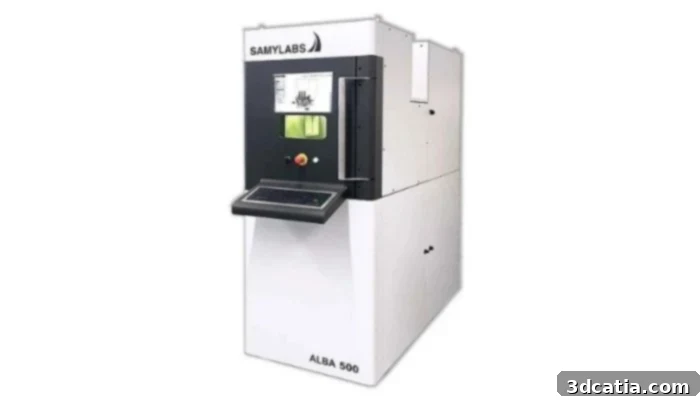
Photo Credits: SAMYLABS
Sharebot: Italian Precision for Small to Medium Metal Parts
Sharebot, an innovative Italian company, commenced its journey in late 2013, inspired by the burgeoning 3D printing scene in Italy. While Sharebot offers a range of printers primarily utilizing Selective Laser Sintering (SLS) for polymers, their dedicated metal offering is the Sharebot metalONE. This advanced printer employs Direct Metal Laser Sintering (DMLS) technology, specifically targeting the research and production of small to medium-sized metal parts with high precision. The Sharebot metalONE features a print area of 65 x 65 x 100 mm (2.6 x 2.6 x 3.9 in) and allows for a versatile layer height ranging from 5 microns to 200 microns, accommodating various detail and speed requirements. It is compatible with robust materials such as 316L Stainless Steel and Cobalt Chrome (CoCrMo), making it particularly suitable for specialized applications. Sharebot emphasizes the printer’s utility in critical sectors like dental, jewelry, and various industrial segments where precision and material integrity are paramount.
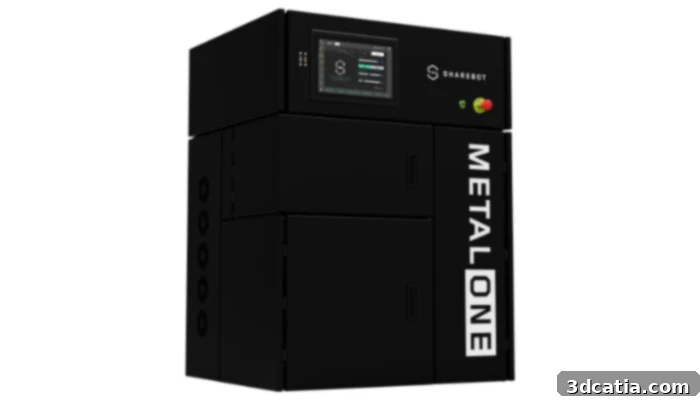
Sisma: Customized Metal Additive Manufacturing for Specialized Industries
Sisma, an Italian company with a rich operational history dating back to the 1960s across diverse industries, ventured into the additive manufacturing landscape several years ago. Its current offering in 3D printers is concentrated on two advanced models, the MYSINT100 and the MYSINT200, both founded on sophisticated Laser Metal Fusion (LMF) technology. The MYSINT100 incorporates a patented Tilting Coater system, which significantly reduces coating times and offers extensive customization of manufacturing parameters, making it highly efficient. This machine is primarily geared towards applications in the jewelry and luxury industries, where Sisma emphasizes its capability for both rapid prototyping and robust mass production. The MYSINT 200 represents the latest generation of Sisma printers, specifically engineered for more demanding industrial and medical applications, including the precise handling of reactive metals. Through these specialized offerings, Sisma delivers highly customized, high-performance solutions in metal additive manufacturing, catering to the exacting standards of its target markets.
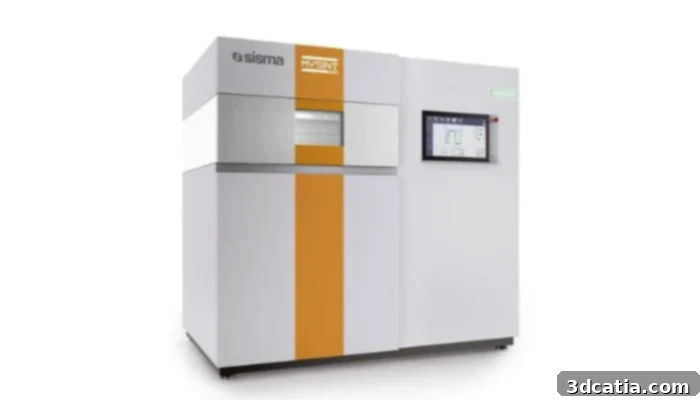
Photo Credits: Sisma
Sodick: Integrating LPMS with High-Speed Milling for Superior Metal Parts
The Japanese company Sodick, a longstanding innovator since the 1970s, initially gained prominence for manufacturing high-quality Electrical Discharge Machining (EDM) machines. Building on nearly five decades of precision engineering, Sodick has successfully diversified into the realm of metal 3D printers, specifically leveraging its proprietary Laser Powder Materialization System (LPMS) technologies. Sodick offers two distinct series of printers: the OPM series and the LPM series. The OPM technology is particularly innovative, combining industry-leading laser sintering with high-speed milling, enabling the production of finished metal products in a single, automated operation. This integration of additive and subtractive manufacturing within one machine significantly enhances the accuracy and surface finish of the final product, as highlighted by the manufacturer. Currently, Sodick offers the OPM250L and OPM350L; the OPM250L is the more compact option with a build volume of 260x260x260mm, while the OPM350L provides a larger build envelope of 360x360x344mm, maintaining the same high quality. Both systems deliver impressive reliability and accuracy, powered by a robust 500W laser and a high-speed 45,000 rpm milling spindle. In the LPM series, Sodick’s current offering is the LPM325S, which distinguishes itself with exceptional speed and a high-performance 500W laser, catering to applications where rapid production is a priority.
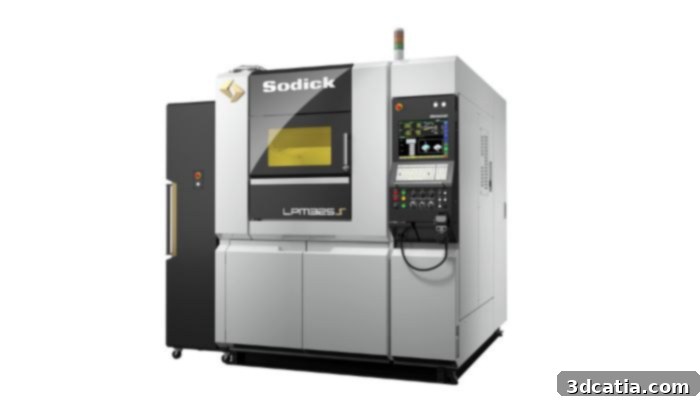
The Sodick LPM325S. (Photo Credits: Sodick)
Trumpf: Precision Metal 3D Printing for Tooling and Industrial Production
Trumpf, another esteemed German industrial powerhouse, has a significant presence across various sectors, including the rapidly evolving field of 3D printing. Trumpf Laser GmbH particularly excels in metal additive manufacturing, offering solutions based on its sophisticated “Laser Metal Fusion” technology, which is akin to laser melting. The company provides a robust range of 3D printers within its TruPrint series, each designed to meet specific industrial demands in terms of size, performance, and application. The TruPrint 1000 series, equipped with two 200W lasers, is compact and versatile, making it an ideal choice for laboratory settings, including dental applications and university research. Moving up, the TruPrint 2000 is primarily targeted at the tool industry, as well as general industrial, dental, and medical applications, featuring a powerful 500W laser. The TruPrint 3000 offers a highly flexible solution suitable for all industrial areas, boasting universal features that can be fully customized to individual customer requirements. With two 700W lasers, this option ensures simultaneous exposure across the entire build area, significantly boosting productivity. At the pinnacle, the TruPrint 5000 is a highly productive, semi-automated 3D printing system that incorporates three 500W full-field multilasers, promising optimal surface quality for the end product and exceptionally fast processing times, establishing Trumpf as a leader in high-performance metal AM.
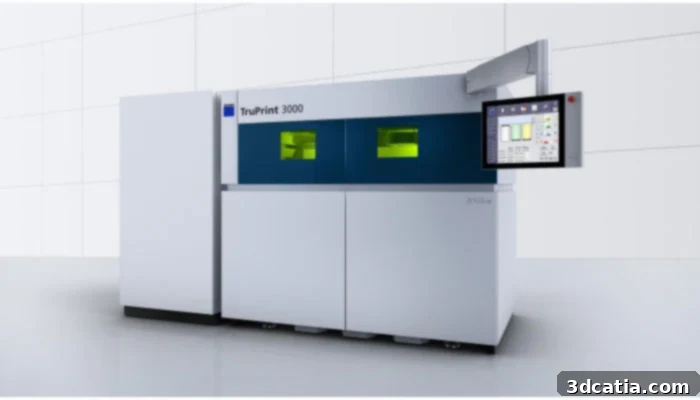
Velo3D: Redefining Metal Additive Manufacturing with DfAM-Free Technology
Velo3D is an innovative American manufacturer whose founder, Benny Buller, embarked on a mission to democratize advanced metal additive manufacturing by eliminating the traditional constraints of Design for Additive Manufacturing (DfAM). This vision led to the development of their groundbreaking 3D software, Flow™, which aims to accelerate the design process in AM and facilitate seamless collaboration with engineers in preparing complex parts for 3D printing. In 2018, Velo3D launched its flagship 3D printer, the Sapphire™, featuring the patented Intelligent Fusion™ technology, a revolutionary approach within the powder bed fusion family. This system specializes in the production of highly complex geometries, delivering high-quality, repeatable results for even the most demanding metal components, thanks to the unique capabilities of Sapphire technology. Equipped with two 1kW lasers, the Sapphire enables the production of intricately detailed products with complex designs, often without the need for traditional support structures, which is a significant advantage. The larger Sapphire XC model further enhances these capabilities with eight 1kW lasers and an expanded printing plate, making it ideal for large-format components. As Velo3D itself succinctly puts it, the Sapphire series is “Designed to print the impossible,” pushing the boundaries of what is achievable in metal additive manufacturing.
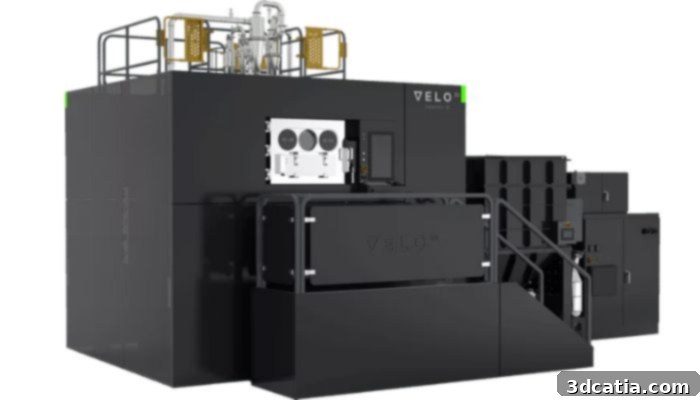
The Sapphire XC (Photo Credits: Velo3D)
Xact Metal: Affordable and Accessible Metal 3D Printing Solutions
Founded in 2017 in Pennsylvania, Xact Metal has been driven by a clear mission: to make metal 3D printing significantly more affordable and accessible to a broader range of industries. The manufacturer currently offers two state-of-the-art machines, the XM200G and the XM300G, both built upon the efficient laser fusion process. The XM200G, currently available on the market, features a versatile print volume of 125 x 125 x 125 mm and can be configured with either a single or dual laser setup, offering up to 400W of power to meet varying production needs. Xact Metal strategically targets key sectors such as aerospace, dental, manufacturing, and automotive, providing cost-effective solutions for high-precision metal parts. Their other machine, the XM300G, is currently under development and is designed to be larger and faster than its predecessor, specifically engineered for higher production runs and the manufacturing of larger components, further expanding Xact Metal’s commitment to delivering accessible and efficient metal additive manufacturing technology.
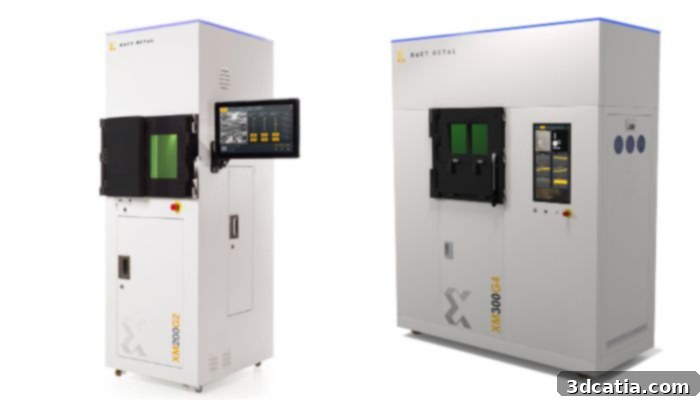
To the left, the XM200G; to the right, the XM300G. (Photo Credits: Xact Metal)
ZRapid’s iSLM Range: Global Expansion and Innovation in Metal PBF
ZRapid, another prominent player originating from China, has rapidly emerged as a major force in the additive manufacturing industry. This provider of powder-bed solutions excels in technologies like Selective Laser Melting (SLM) and Laser Powder Bed Fusion (LPBF) for metals, as well as Stereolithography (SLA) for polymers. The company has experienced significant global expansion in recent years, boasting an impressive installed base of over 5,500 industrial 3D printers in China alone, with additional installations across more than 40 other countries. ZRapid’s growing presence in Europe, particularly through its collaboration with ANiMA in Greece, has been significantly bolstered by its iSLM range of metal 3D printers. This innovative product line comprises four distinct machines that vary in print volume, starting from the compact iSLM160 with a build volume of 160 mm x 160 mm x 210 mm, all the way up to the colossal iSLM600QN. The iSLM600QN offers an expansive build volume of 600 mm x 600 mm x (600 – 1300 mm) and has been meticulously optimized for the automated industrial production of large-format parts. ZRapid is also increasingly recognized for its focus on innovative design, integrating advanced concepts like robotics and artificial intelligence to drive the development of next-generation additive manufacturing solutions, positioning itself at the forefront of industrial innovation.
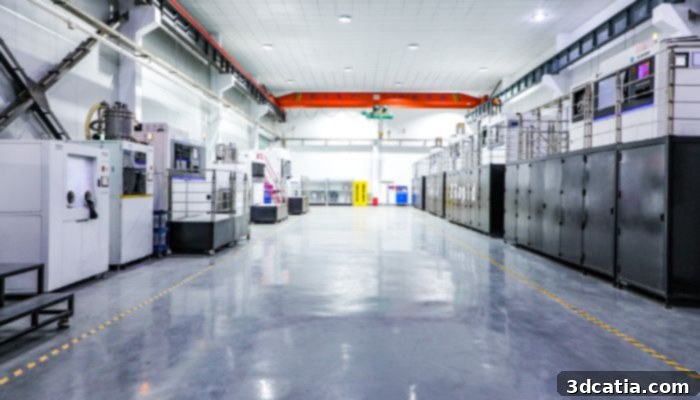
Some of ZRapid’s solutions in a factory (photo credits: ZRapid)
Directed Energy Deposition (DED) Printers: Repair, Build, and Multi-Material Capabilities
Directed Energy Deposition (DED) is a powerful metal additive manufacturing technique where focused thermal energy, such as a laser, electron beam, or plasma arc, is used to melt material as it is deposited. This process typically uses metal wire or powder feedstock, fed simultaneously to the melt pool. DED offers several distinct advantages, including the capability to fabricate large-scale metal parts, the unique ability to repair existing high-value components (like turbine blades or molds), and the potential for multi-material deposition, allowing for functionally graded materials. While it may not achieve the same fine resolution as PBF, DED excels in applications requiring structural integrity, material deposition on existing surfaces, and rapid material buildup. Its flexibility makes it a crucial technology for industries like aerospace, defense, and oil & gas. For an in-depth exploration and a comprehensive list of DED 3D printers and their manufacturers, we invite you to consult our dedicated article HERE.
Material Extrusion Printers: FFF-Based Metal 3D Printing
Material Extrusion, in the context of metal 3D printing, typically involves processes similar to Fused Filament Fabrication (FFF) or Fused Deposition Modeling (FDM) but adapted for metal feedstocks. These systems often use metal-infused polymer filaments or pastes, which are extruded layer by layer. After printing, the “green” part undergoes a crucial two-step post-processing phase: debinding (to remove the polymer binder) and sintering (to fuse the metal particles into a dense, solid metal component). While offering a more accessible entry point to metal additive manufacturing in terms of cost and ease of use compared to powder bed fusion, material extrusion still produces high-quality metal parts suitable for various functional applications and prototyping.
Desktop Metal: Pioneering Bound Metal Deposition for Office and Shop Floor
Desktop Metal, an American company founded in 2015, set out with an ambitious goal: to drastically reduce the cost of 3D printing complex metal objects and accelerate their production, ultimately aiming to revolutionize mass production through what they term “AM 2.0.” While initially known for its extrusion-based metal systems, the company has significantly expanded its focus into metal binder jetting. However, one of their foundational and most popular systems, the Studio System 2, utilizes Bound Metal Deposition (BMD), a proprietary type of material extrusion technology. This innovative two-step system comprises a printer and a furnace. A key advancement of the Studio System 2 is its fully re-engineered materials library, which allows printed parts to be placed directly into the furnace for sintering, completely bypassing the typical solvent debinding phase. This simplifies the workflow, reduces operational complexity, and makes metal 3D printing more accessible for office and shop-floor environments. In 2024, Desktop Metal was acquired by Nano Dimension, signaling a new chapter for the company and its technologies.
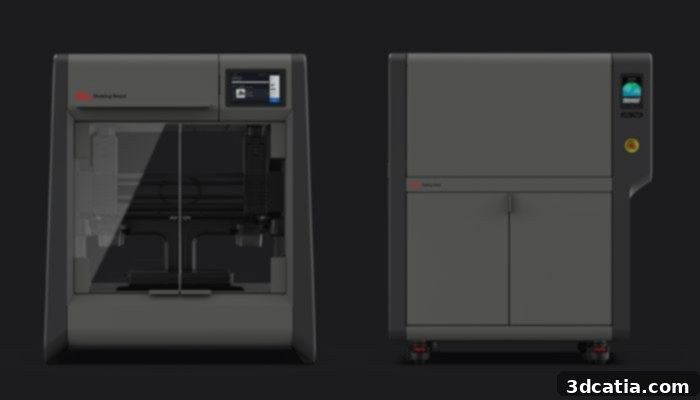
The Studio System’s printer (left) and furnace (right). (Photo Credits: Desktop Metal)
Markforged: The Digital Forge for Metal and Composite Manufacturing
Markforged, founded in 2013 by Greg Mark, initially gained recognition for its pioneering work in carbon fiber 3D printing. Since then, the company has strategically expanded into advanced metal additive manufacturing systems. Alongside its renowned desktop and industrial composite 3D printers, Markforged offers three compelling metal 3D printing solutions. The FX10 and Metal X System both employ Fused Filament Fabrication (FFF) technology adapted for metals, while the PX100 utilizes binder jetting. Notably, the FX10 boasts impressive versatility, capable of printing both metal and composite parts. In 2022, Markforged further strengthened its metal capabilities through the acquisition of Digital Metal and its robust technology, integrating it into their innovative design and printing platform, Digital Forge. The AI-based Digital Forge seamlessly connects software, 3D printers, and materials to significantly enhance efficiency and optimize production. Markforged’s long-term vision is to produce high-precision metal end-use parts in large production runs, facilitating distributed manufacturing through its expansive global presence. The company’s journey continued with its acquisition by Nano Dimension in 2024, poised for further innovation in the AM space.
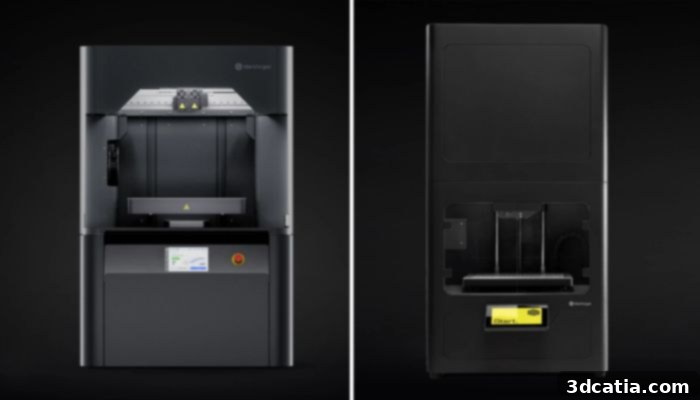
The FX10 (left) and Metal X System (right). (Photo Credits: Markforged)
Pollen AM: Pam o2 MC – Pellet Extrusion for Metal and Ceramics
The pam o2 MC 3D printer, developed by the innovative French manufacturer Pollen AM, represents a cutting-edge pellet extrusion solution compatible with both metal and ceramic materials. This versatile system offers a practical print volume of 300 x 300 mm and can be configured with 2 to 4 extruders, depending on specific user requirements. The pam o2 MC is capable of reaching extrusion temperatures of up to 450°C, while its heated build plate can maintain temperatures up to 150°C, ensuring optimal printing conditions. On the metal side, the machine is proficient in designing parts using various steel alloys, including stainless steel 136L or 304L, as well as high-purity Cu999 copper. Following the printing process, users must perform a crucial debinding and sintering stage to remove the binder and achieve the final mechanical properties and density of the metal part, consolidating the metal powder particles into a robust component. This approach makes advanced material printing more accessible and cost-effective.
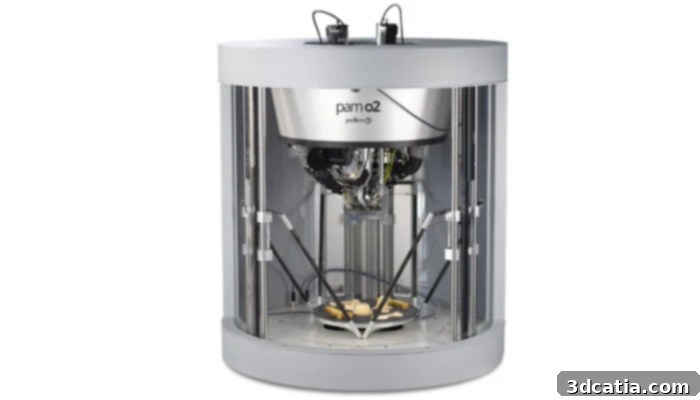
Photo Credits: Pollen AM
Triditive: AMCELL – Automated Multimaterial Deposition for Flexible Production
Triditive, a Spanish company founded in 2013, initially gained traction by focusing on FDM technology training and developing 3D printer kits. Today, this innovative startup is best known for its advanced metal additive manufacturing solution, the AMCELL. The AMCELL 8300 is an industrial 3D printer distinguished by its compatibility with a wide range of materials, including metals, polymers, and composites, and uniquely capable of processing them simultaneously. This remarkable versatility is achieved through automated modules powered by Triditive’s proprietary Automated Multimaterial Deposition (AMD) technology, which also facilitates the production of metal parts via metal extrusion. Following the extrusion process, a sintering step is performed to yield a 100% metal part with enhanced surface quality and mechanical properties. Triditive’s AMCELL solution unequivocally demonstrates the profound potential of additive manufacturing, specifically in enabling more optimal and flexible processes for metal part fabrication, catering to diverse industrial needs with efficiency and precision.
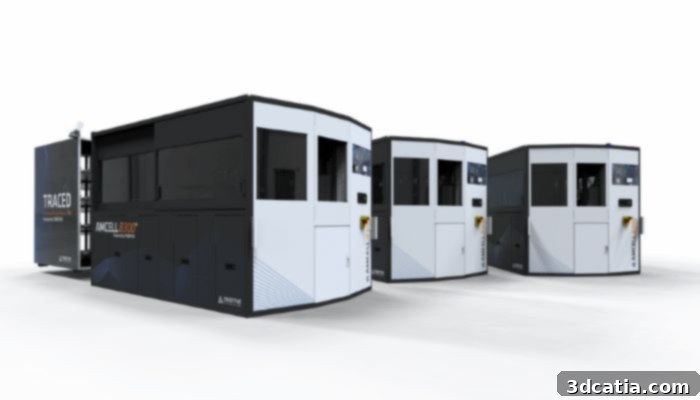
Photo Credits: Triditive
ValCUN: Molten Metal Deposition for Aluminum and Open Parameters
ValCUN, a dynamic young Belgian company, has introduced an innovative metal 3D printing solution leveraging its proprietary Molten Metal Deposition (MMD) technology. Their flagship Minerva solution fabricates parts by melting a metal filament, a process conceptually similar to the Fused Filament Fabrication (FFF) method commonly used in polymer 3D printing. The Minerva 3D printer is specifically engineered for the additive manufacturing of aluminum parts, a material highly sought after for its lightweight and strength properties. Crucially, ValCUN’s system operates with open parameters and an open material system, offering users unparalleled flexibility. Furthermore, both the data acquisition and nozzle architecture are open, empowering users to modify and fine-tune parameters according to their unique application needs and research objectives. This open approach promotes innovation and adaptability, making Minerva a valuable tool for both industrial applications and material development.
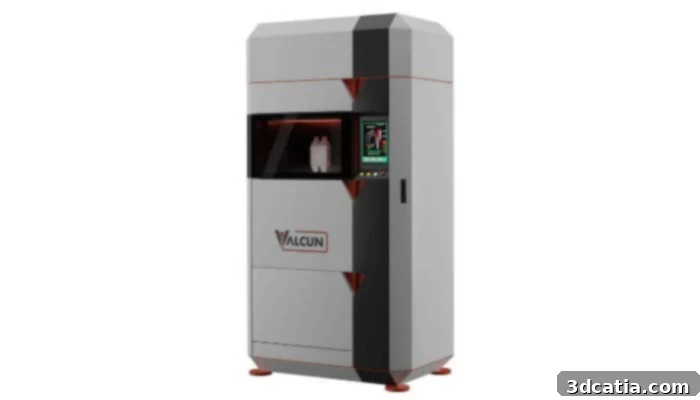
Photo Credits: ValCUN
Rapidia: Innovative Metal Paste Deposition with Evaporative Supports
Based in Vancouver, Canada, Rapidia has developed an innovative metal 3D printing technology called Metal Paste Deposition. This powder-free technique significantly simplifies and streamlines the fabrication of complex metal parts. Their Conflux 1 printer allows for the production of components without requiring additional, specialized equipment for powder handling, stress relief, or post-print support removal. One of Rapidia’s most outstanding innovations is the use of an evaporative support material. This ingenious material disappears entirely during the final sintering process, enabling the creation of previously “impossible” geometries without the need for cumbersome mechanical post-treatment. This feature grants unparalleled design freedom and drastically accelerates the production of functional parts, from rapid prototypes to short production runs. Compatible with various metals, Rapidia offers a compact, efficient, and highly scalable additive manufacturing solution that is ideally suited for educational environments, research laboratories, and small to medium-sized industrial productions looking for an accessible and clean metal printing workflow.
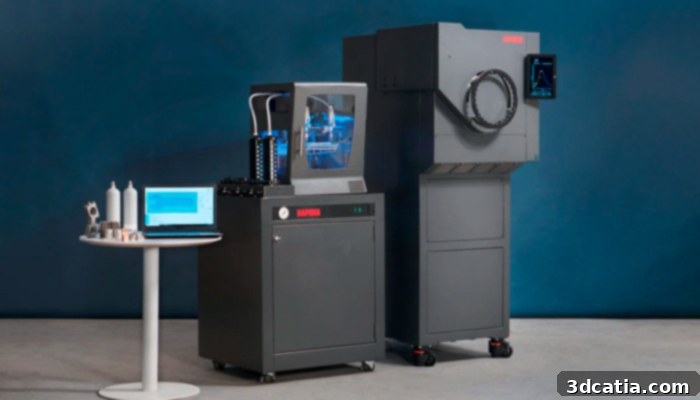
Photo Credits: Rapidia
Binder Jetting Printers: High Throughput for Metal Part Production
Binder Jetting is a metal 3D printing process distinguished by its ability to rapidly produce large volumes of parts with excellent material diversity. As its name implies, this technology operates by selectively depositing a liquid binding agent onto a thin layer of metal powder, bonding the particles together to form a “green” part. This process builds parts layer by layer without melting the metal, which allows for significantly faster build speeds and often larger build envelopes compared to laser or electron beam-based methods. A key characteristic of binder jetting is that the printed parts are not fully dense initially; they require subsequent post-processing steps. These include a crucial debinding phase to remove the binding agent, followed by a high-temperature sintering step that fuses the metal powder particles into a dense, solid metal component. While this post-processing lengthens the overall manufacturing process, binder jetting often results in parts with excellent isotropic properties and can be very cost-effective for large-batch production, without the internal stresses associated with melting processes. To dive deeper into this technology and discover the leading metal 3D printers based on binder jetting, we recommend exploring our dedicated article HERE.
Electron Beam Melting (EBM) Printers: High-Performance for Reactive Metals
Electron Beam Melting (EBM) is a powerful metal 3D printing technology that shares some fundamental similarities with laser powder bed fusion processes but distinguishes itself through its unique energy source and operational environment. The primary difference lies in the heat source: instead of a laser, EBM utilizes a high-power electron beam to melt and fuse successive layers of metal powder. This process is conducted under a vacuum, which prevents oxidation and allows for the use of highly reactive metals like titanium alloys, often preferred in aerospace and medical implants due to their excellent biocompatibility and strength-to-weight ratio. Another significant advantage of EBM is the high operating temperature of the powder bed (typically pre-heated), which reduces thermal stresses in the printed parts, minimizing distortion and post-processing steps. EBM enables the rapid design and production of dense parts with complex geometries and superior mechanical properties. To gain a more comprehensive understanding and to explore all the leading EBM 3D printers available in the market, we invite you to consult our dedicated article HERE.
Metal 3D Printing: Other Innovative Technologies
Beyond the mainstream metal additive manufacturing processes, a host of other innovative technologies are pushing the boundaries of what’s possible in metal 3D printing. These diverse approaches offer unique advantages in terms of material compatibility, resolution, speed, and cost-effectiveness, catering to specialized applications and opening new avenues for industrial production. From hybrid ceramic and metal systems to cold spray and nanoparticle jetting, these technologies underscore the dynamic and evolving nature of the metal AM landscape, providing tailored solutions for specific engineering challenges.
ADMATEC: Ceramic and Metal 3D Printing with DLP Technology
ADMATEC, a Dutch 3D printing company established in November 2013, emerged from a successful research project focused on developing advanced ceramic additive manufacturing technology. The company has since expanded its expertise to include metal 3D printing, offering three sophisticated printers under its ADMAFLEX series. These machines operate on a resin-based technology utilizing Direct Light Processing (DLP), known for its high resolution and precision. The Admaflex 130 Entry serves as a capable printer for advanced ceramics, with the flexibility to be upgraded to the Admaflex 130 Evolution. The Evolution model is a significantly enhanced version capable of printing both ceramics and metals, incorporating an automatic mixing system that efficiently prevents material settling, ensuring consistent print quality. Finally, the Admaflex 300 is a larger-scale model, specifically engineered for demanding industrial applications. Its modular design allows for customized configurations of printing volume and resolution, providing exceptional adaptability for diverse manufacturing needs in high-performance materials.
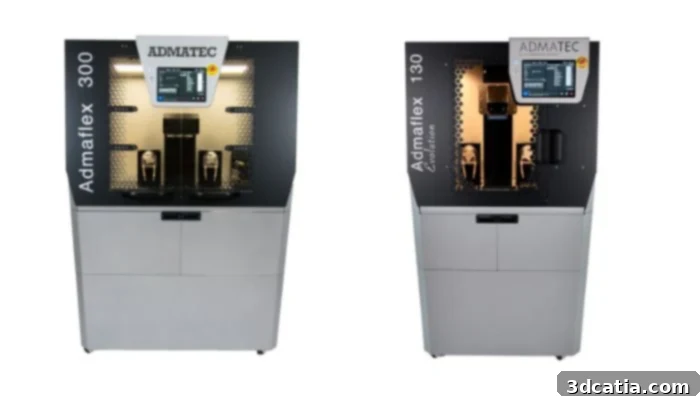
Photo Credits: ADMATEC
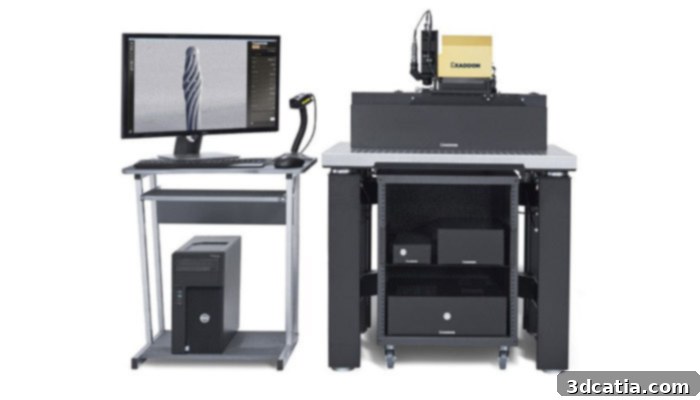
Exaddon and its CERES Print System: Sub-Micrometer Resolution Metal Printing
Exaddon’s revolutionary 3D metal printer, the CERES Print System, stands apart for its extraordinary capability to print metal with sub-micrometer resolution. This level of precision offers an unparalleled degree of detail, enabling the creation of incredibly intricate and fine metal structures. The system operates within a compact chamber volume of 100 x 70 x 60 mm and performs its printing process at room temperature, which simplifies operations and eliminates the need for extensive post-processing steps typically associated with high-temperature metal AM. Furthermore, a remarkable feature of the CERES Print System, and a rarity among metal additive manufacturing technologies, is its ability to print overhanging parts without any requirement for support structures. This significantly reduces material waste and post-processing effort, opening up new possibilities for designing and fabricating complex micro-scale metal components for advanced applications in electronics, micro-robotics, and medical devices.
Grob: Liquid Metal Printing (LMP) for Efficient Aluminum Production
The GMP300 marks a significant entry into additive manufacturing by GROB, a leading German manufacturer renowned for its industrial automation machines and systems. This innovative 3D printer utilizes Liquid Metal Printing (LMP) technology, also known as Molten Metal Printing (MMP), to redefine metal part fabrication. By employing a powder-free process, the GMP300 facilitates the safe and highly efficient production of near-net-shape components at impressive speeds. GROB highlights that the GMP300 offers customers reliable, efficient, and cost-effective plant technology, coupled with maximum production flexibility, making it a compelling choice for industrial applications. The solution was specifically engineered to enhance the production of aluminum parts, a material critical across various industries due to its lightweight and strength properties. To delve deeper into the capabilities and advantages of the GMP300, further information can be found HERE.
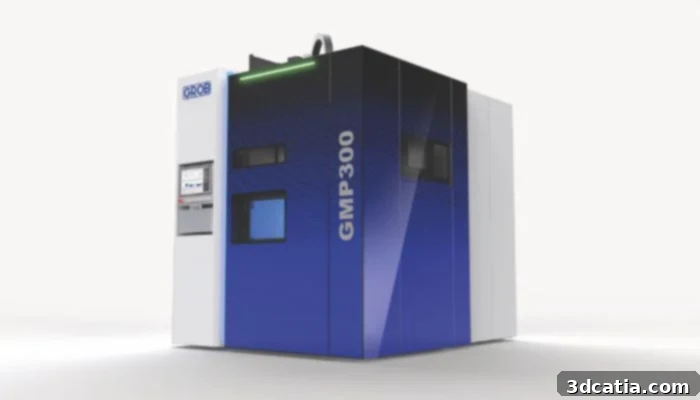
Photo Credits: Grob
SPEE3D: The World’s Fastest Metal 3D Printers Using Kinetic Energy
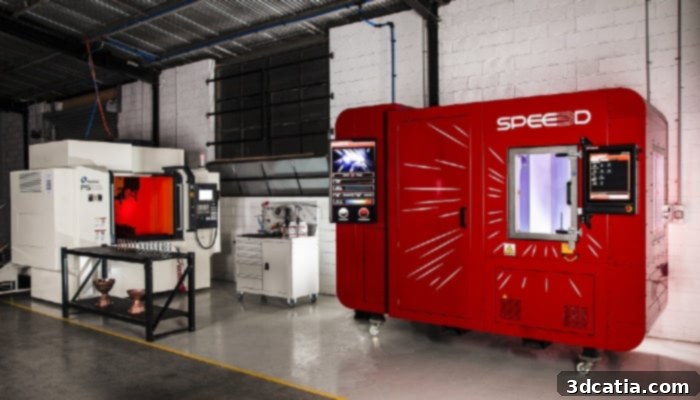
SPEE3D, founded by Byron Kennedy and Steven Camilleri, was established with a clear objective: to simplify and accelerate metal part manufacturing. Their innovative SPEE3D printers achieve this by leveraging the immense power of kinetic energy, rather than relying on expensive, high-powered lasers or inert gases, thereby enabling a low-cost and highly efficient manufacturing process for metal additives worldwide. The company offers a comprehensive suite of four products: ACTIVAT3D Copper, LightSPEE3D, WarpSPEE3D, and SPEE3Dcell, with the latter three being their core metal printing solutions. The LightSPEE3D and WarpSPEE3D 3D printers are capable of rapidly printing metal parts with impressive diameters of 350 mm x 300 mm and 1000 mm x 700 mm, respectively. These machines are recognized as the world’s first metal 3D printers to incorporate SPEE3D’s patented Cold Spray Additive Manufacturing technology. The manufacturer strongly emphasizes the exceptional speed and cost-effectiveness of these systems. Furthermore, the SPEE3Dcell offers a fully integrated solution, combining a metal printer with a heat treatment furnace and a CNC 3-axis milling machine, making it perfect for rapid prototyping and short-run production of functional parts. SPEE3D has experienced rapid growth in recent years, largely due to its significant contributions to the defense and aerospace sectors, where high-speed, on-demand metal part production is crucial.
Titomic: Transforming Manufacturing with Cold Spray Additive Technology
Titomic is an Australian company dedicated to revolutionizing manufacturing methods, particularly within the aerospace, automotive, and defense sectors, with the aim of optimizing the performance and durability of produced parts. The company stands out through its innovative application of cold spray additive manufacturing technology, also widely known as cold spray. Among its flagship solutions, Titomic offers the TKF 1000 system, a robust 3D metal printing machine explicitly designed for large-scale production requirements. This advanced system features sophisticated robotization, providing synchronized control across 6 axes for unparalleled precision and flexibility. It also incorporates an intuitive touch interface for simplified operation and is housed within a soundproof protective cabin, ensuring both operator safety and a comfortable working environment. Titomic’s cold spray technology allows for the deposition of various metal powders at supersonic speeds, fusing them without melting, which preserves material properties and enables the creation of large, high-integrity components. This unique approach positions Titomic as a leader in delivering transformative manufacturing capabilities for critical industries.
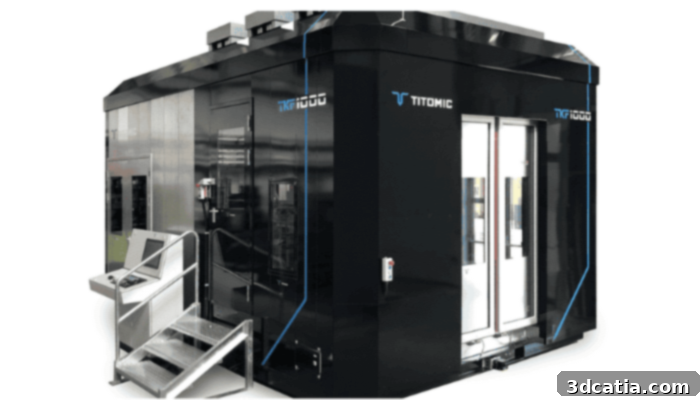
The TKF1000 System from Titomic (Photo Credits: Titomic)
Tritone: High-Speed Metal and Ceramic Production with MoldJet Technology
Tritone, an Israel-based manufacturer founded in 2017, specializes in advanced metal and ceramic 3D printing solutions, supplying high-quality parts to demanding sectors such as automotive, medical, electronics, and aerospace. Tritone offers two primary solutions, the Dominant and the Dim, both built upon its proprietary MoldJet technology. MoldJet is a groundbreaking process capable of producing intricate metal and ceramic parts on an industrial scale at exceptionally high speeds. This technology is ideally suited for creating complex, high-density structures with superior detail. Beyond its innovative hardware, Tritone also provides sophisticated software solutions for real-time, on-site, and remote control of the entire production cycle. According to the manufacturer, this integrated approach significantly simplifies and enhances the accessibility of producing high-performance metal parts, enabling manufacturers to achieve greater efficiency, precision, and flexibility in their additive manufacturing workflows, ultimately driving innovation in diverse industries.
XJet: Unlocking Complexity with NanoParticle Jetting Technology for Metal and Ceramics
XJet, an innovative Israeli manufacturer, is at the forefront of 3D metal and ceramic printing, founded by industry veteran Hanan Gothait, a co-founder of Objet. The company is primarily celebrated for its pioneering NanoParticle Jetting™ (NPJ) technology, a revolutionary approach that has significantly redefined additive manufacturing in both metal and ceramics. XJet currently offers two advanced 3D printers: the X Carmel 1400 and the newer X Carmel 5000. While the X 1400 is a high-specification model known for its precision, the next-generation X Carmel 5000 boasts significantly enhanced capabilities. According to the manufacturer, it delivers four times higher productivity and virtually eliminates material waste, optimizing cost-efficiency and sustainability. Parts can be produced with impressive speed, often within two to three days, and the entire printing process is highly automated, minimizing manual intervention and ensuring consistent, high-quality results. XJet’s NPJ technology enables the creation of incredibly intricate and complex geometries with fine details, making it a compelling solution for demanding applications in various high-tech industries.
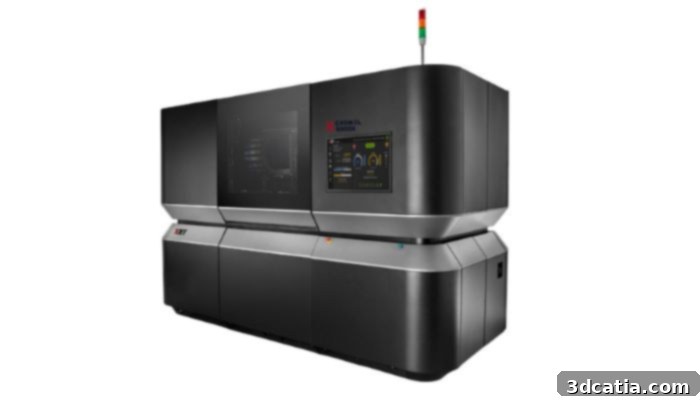
The X Carmel 5000 (Photo Credits: Xjet)
The world of metal 3D printing is continuously evolving, with new technologies and innovative machines emerging at a rapid pace. This guide provides a snapshot of some of the leading manufacturers and their offerings across various metal additive manufacturing processes, from precise powder bed fusion to versatile material extrusion and groundbreaking ‘other’ technologies. Each company brings unique strengths and specialized solutions to the market, catering to diverse industrial needs and applications, from medical implants and aerospace components to automotive parts and intricate jewelry. The ongoing advancements in this field promise even greater efficiency, material diversity, and accessibility, further cementing metal AM’s role in the future of manufacturing. What do you think of these metal 3D printer manufacturers? Which is your favorite, or which technology do you find most promising? Let us know in a comment below or on our Facebook and Twitter pages! Don’t miss out on the latest developments – sign up for our free weekly Newsletter to get all the news in 3D printing delivered straight to your inbox!