
The Revolutionary Impact of 3D Printing on Footwear: Customization, Performance, and Sustainability
The footwear industry is undergoing a significant transformation, with additive manufacturing, commonly known as 3D printing, at the forefront of this revolution. This innovative technology offers a diverse range of benefits, fundamentally altering how shoes are designed, produced, and consumed. While the most celebrated advantage is undoubtedly the unprecedented level of product customization, 3D printing also delivers unparalleled design freedom, rapid prototyping capabilities, enhanced material efficiency, and the potential for more sustainable manufacturing processes. These advancements are driving remarkable growth within the sector; indeed, a report published by Research and Markets in 2023 projects that the global 3D printed footwear market will achieve a staggering value of $1.97 billion by 2027. This significant expansion is a direct result of continuous innovations in 3D printing technologies and a surging consumer demand for personalized and high-performance footwear.
Leveraging advanced 3D scanning and sophisticated 3D printing systems, an increasing number of companies are pushing the boundaries of traditional shoe manufacturing. From engineering high-performance running shoes that offer superior athletic support to crafting futuristic, avant-garde designs for high-fashion, and developing incredibly comfortable and durable soles, the applications are vast. It’s important to note that 3D printing in footwear doesn’t always entail manufacturing an entire shoe from scratch. Often, the technology is strategically applied to produce critical components like customized midsoles, outsoles, or intricate uppers, where its unique advantages can be most effectively utilized. Regardless of the scope, the synergy between 3D printing and footwear development is undeniable, promising a future filled with innovation and tailored solutions. In the following sections, we delve into some of the most compelling examples of 3D printed shoes, showcasing pioneering efforts from industry giants such as Adidas, Dior, and Decathlon, alongside innovative startups.
The Adidas MC87 4D: Revolutionizing Golf Footwear with 3D Printing
Adidas, a global leader in athletic footwear, has been a significant early adopter of 3D printing technology in its product development. This commitment is vividly demonstrated in their creation of the Adidas MC87 4D golf shoe, which features a meticulously engineered 3D printed midsole. This particular model represents Adidas’ innovative approach to seamlessly blend cutting-edge technology with a classic, vintage aesthetic, offering a unique product to consumers.
The MC87 4D golf shoe, released as a limited edition, boasts a unisex design and is available across a comprehensive range of sizes, ensuring accessibility for a wide audience. The true innovation, however, lies within its high-performance midsole. Its complex, open-lattice structure is not merely for visual appeal; it is the culmination of extensive research and analysis, drawing from years of accumulated athlete data. This data-driven design ensures that the midsole provides superior comfort, stability, and energy return, directly contributing to enhanced on-course performance for golfers.
The midsole is manufactured using Carbon’s proprietary Digital Light Synthesis (DLS) 3D printing process. This advanced additive manufacturing method allows for the creation of intricate geometries that would be impossible or cost-prohibitive with traditional manufacturing techniques. The result is a midsole that is exceptionally durable, capable of withstanding the rigors of competitive golf, and remarkably flexible, adapting dynamically to the athlete’s foot and body movements throughout a swing. This adaptive quality provides personalized support and cushioning, optimizing comfort and reducing fatigue, thereby illustrating how 3D printing can directly translate into tangible performance benefits for athletes.
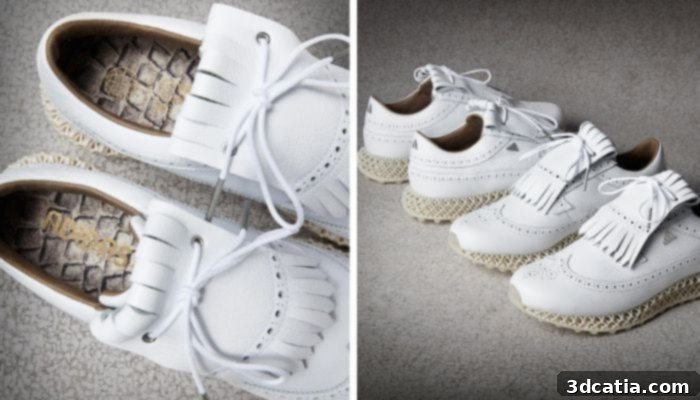
Photo Credits: Adidas
ATHOS: Custom 3D Printed Climbing Shoes for Enhanced Performance and Comfort
Climbing, a sport demanding precision and intimate connection between the athlete and the rock face, relies heavily on specialized footwear. Traditional ATHOS climbing shoes, often referred to simply as “rock shoes” or “climbing slippers,” are designed to fit incredibly snugly to optimize grip, sensitivity, and prevent any slippage that could compromise performance or safety. Historically, climbers would intentionally choose shoes one or even two sizes smaller than their regular footwear to achieve this critical “perfect fit.” While effective for grip, this practice frequently leads to significant discomfort, pain, and, in some cases, long-term foot deformities.
Recognizing this prevalent issue, a visionary group of students in Barcelona developed ATHOS, a groundbreaking solution that leverages additive manufacturing to create truly custom-fit climbing shoes. Their core objective was to eliminate the painful compromise between fit and performance, delivering footwear that precisely matches the unique anatomy of each climber’s foot. This personalized approach not only enhances comfort but also allows climbers to focus entirely on their technique, potentially improving their performance and endurance.
The ATHOS team achieves this unprecedented customization using HP’s MultiJet Fusion (MJF) 3D printing technology, a process known for its ability to produce functional parts with fine details and excellent mechanical properties. For materials, they utilize BASF’s robust and flexible Thermoplastic Polyurethane (TPU). The user-friendly process to obtain ATHOS shoes is remarkably straightforward: climbers simply capture three photos of their feet using a smartphone app. This data is then converted into a precise 3D model, allowing for bespoke shoe customization. Once the personalized design is finalized, the shoes are 3D printed and delivered, ready to provide an unparalleled climbing experience free from the discomforts of ill-fitting footwear.
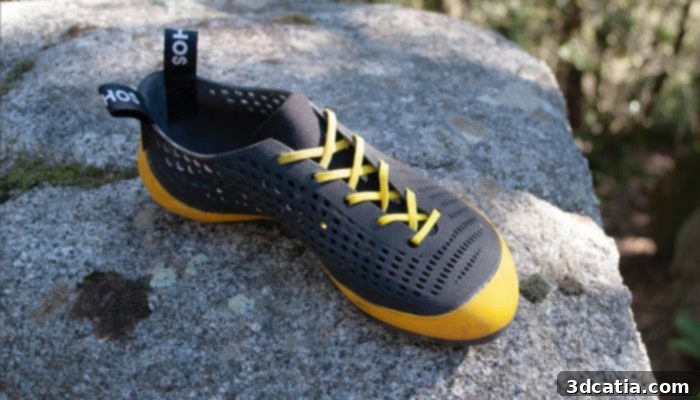
Photo Credits: ATHOS
ECCO’s Quant-U Service: Customized 3D Printed Shoe Insoles and Molds
ECCO, a renowned Danish shoe manufacturer with a rich history of experience in the footwear sector, has embraced 3D printing to elevate its product offerings and enhance customer experience. In 2018, the company launched its groundbreaking Quant-U service, specifically designed to personalize footwear through the power of additive manufacturing. This service exemplifies how 3D printing can cater to individual ergonomic needs, leading to superior comfort and orthopedic support.
The Quant-U process begins with a precise 3D scanning of the customer’s feet. This detailed scan captures the unique contours and pressure points of each foot, allowing for the accurate determination of the specific orthopedic fit required for every individual. Based on this biometric data, ECCO then designs and 3D prints customized midsoles that are perfectly tailored to the needs of its customers. These specialized midsoles are crafted from silicone, a material chosen for its exceptional properties, which include optimal stability and an ideal degree of cushioning, ensuring comfort throughout the day.
Furthermore, ECCO emphasizes the practical benefits of these 3D printed insoles: they are easily interchangeable, allowing users to move them between different pairs of shoes, and are also conveniently machine-washable, ensuring hygiene and longevity. Beyond direct consumer products, ECCO also strategically utilizes 3D printing for its internal manufacturing processes. The company employs Stratasys’ Origin One series printers to create highly precise molds for the development and production of new shoe designs. These 3D printed molds are instrumental in the rapid creation of new shoe samples and prototypes, significantly accelerating the product development cycle. By integrating additive manufacturing into both its consumer offerings and its internal operations, ECCO effectively reduces traditional production steps, minimizes material waste, and pioneers innovative design capabilities.
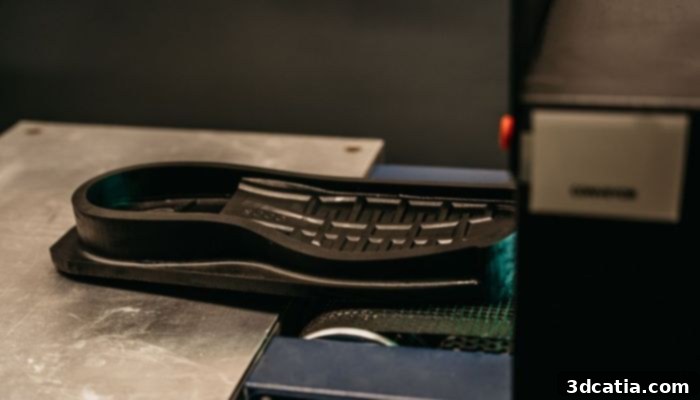
Photo Credits: Stratasys
FitMyFoot: Perfectly Custom-Fit 3D Printed Shoes and Insoles
FitMyFoot, originally known as Wiivv Custom Fit Sandals, emerged from a highly successful Kickstarter campaign in 2020, raising an impressive $566,401. True to its name, this innovative company harnesses the power of mobile app technology alongside advanced 3D printing to produce sandals and insoles that are precisely fitted to the unique contours of each customer’s feet. This personalized approach aims to address a wide array of foot-related concerns, from everyday comfort to serious orthopedic conditions.
The process for obtaining FitMyFoot products is remarkably simple and user-friendly. Users merely need to place their foot on a piece of white paper and use their smartphone to scan it via the FitMyFoot app. Within minutes, the app provides an in-depth analysis of their feet, detailing crucial metrics such as arch height and type, foot width, and length. This precise digital blueprint serves as the foundation for creating custom footwear.
Based on this comprehensive analysis and the user’s specific needs, FitMyFoot then utilizes 3D printing to manufacture either a bespoke insole or a custom-fit sandal. These personalized products are engineered to provide optimal support and cushioning, offering significant relief and assistance for various serious foot conditions, including plantar fasciitis, high arches, and flat feet. To ensure maximum comfort and durability, the company employs Multi Jet Fusion (MJF) 3D printing technology in combination with high-quality foam materials. This combination allows for the creation of intricate, supportive structures that conform perfectly to the foot, thereby enhancing overall foot health and well-being.
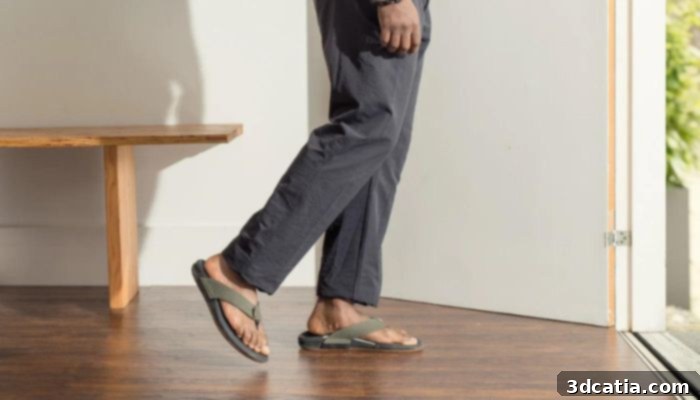
3D printed sandals from FitMyFoot (photo credits: FitMyFoot)
Hilos: The Sustainable 3D Printed Shoe Revolutionizing Production
Founded in Portland in 2019, the startup Hilos is on a mission to fundamentally transform the way shoes are manufactured, integrating advanced technology with artisanal craftsmanship. Their core philosophy centers around addressing pressing environmental issues within the fashion industry, particularly footwear, while simultaneously delivering high-quality, innovative products to consumers. Hilos leverages additive manufacturing to achieve a new paradigm in shoe production, emphasizing sustainability at every step.
A cornerstone of Hilos’ approach is its practice of on-demand production. Unlike traditional manufacturing models that often lead to vast overproduction and waste, Hilos produces shoes only when they are ordered by customers. This eliminates excess inventory and significantly reduces the environmental footprint associated with unsold goods. Furthermore, their commitment to sustainability extends to the very end of the product lifecycle. Hilos designs its shoes to be fully recyclable, actively encouraging customers to return worn-out footwear. Upon return, these shoes are disassembled, and their materials are repurposed, fostering a truly circular economy model.
Beyond environmental benefits, 3D printing also grants Hilos unparalleled agility in design and development. The technology enables the company to rapidly create prototypes and launch entirely new shoe lines in remarkably short timeframes, often in less than 90 days. This speed to market allows Hilos to respond quickly to fashion trends and consumer demands, solidifying its position as a pioneer in sustainable and agile footwear manufacturing. By combining technological innovation with a strong ethical framework, Hilos is setting a new standard for responsible production in the global footwear market.
The Parametriks Print 001: A Shoe Entirely Printed from a Single Material
In 2022, designer Nathan Smith captivated the footwear world with the unveiling of the Parametriks Print 001 sneaker. This innovative 3D printed shoe was meticulously designed using parametric design principles, a method that integrates computational design and material science to engineer highly functional and aesthetically unique parts. The application of parametric design allowed Smith to create a shoe that truly stands out, particularly for its exceptional comfort, which is a direct result of its carefully optimized structure.
To develop the intricate design of the Parametriks Print 001, Nathan Smith utilized Grasshopper, a powerful visual programming language and plug-in seamlessly integrated into Rhinoceros 3D modeling software. This enabled him to generate complex geometries and explore various design iterations with precision and efficiency. For the physical manufacturing of the shoe, the designer opted for Stereolithography (SLA) 3D printing machines. SLA is known for producing highly detailed and smooth parts, which was crucial for achieving the desired aesthetic and tactile qualities of the sneaker.
The material of choice for the Parametriks Print 001 was Thermoplastic Polyurethane (TPU). TPU is a highly versatile elastomer known for its excellent flexibility, durability, and resistance to abrasion and environmental factors, making it an ideal candidate for footwear applications. By printing the entire shoe from a single material using SLA and parametric design, Smith demonstrated the immense potential of additive manufacturing to create seamless, integrated, and highly comfortable footwear that challenges traditional manufacturing paradigms and showcases a holistic approach to shoe design.
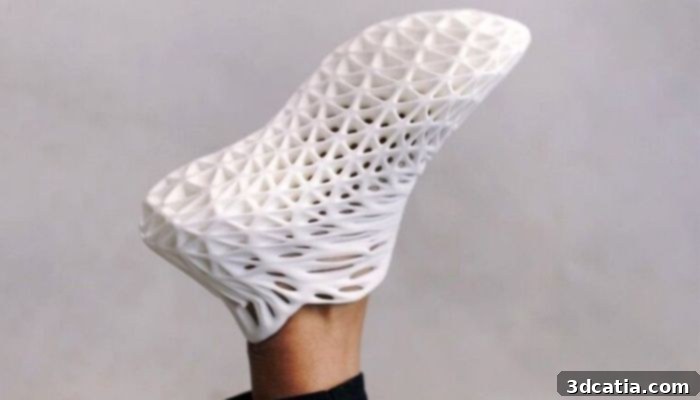
Photo Credits: Parametriks
Pleko: The High-Performance Carbon Fiber 3D Printed Running Shoe
The Pleko represents a significant leap forward in athletic footwear, born from the collaboration between Italian middle-distance runner Miro Buroni and the renowned sports company Diadora. This innovative running shoe is distinguished by its integration of multiple 3D printed components, meticulously engineered to enhance athletic performance, durability, and customization. The specific parts that benefit from additive manufacturing include the insole, outsole, critical spikes for traction, and structural ribs, all contributing to a holistic high-performance design.
Designed from advanced composite materials, specifically carbon fiber, and produced with the aid of the powder sintering process (likely Selective Laser Sintering or SLS, given the material context), these 3D printed elements deliver exceptional mechanical properties. Carbon fiber provides an optimal balance of stiffness and lightness, crucial for competitive running shoes. The powder sintering process enables the creation of complex geometries that maximize these material advantages, resulting in a shoe that is not only flexible and highly resistant to wear and tear but, most importantly, supremely customizable to the athlete’s needs.
The teams behind the Pleko leverage advanced technologies such as 3D scanning and sophisticated software that simulates the biomechanics and movements during a race. This data-driven approach allows them to precisely tailor the shoe’s structure to individual athletes, optimizing fit, support, and energy return. The result is a durable and comfortable solution that minimizes the risk of injury while maximizing speed and efficiency. The Pleko perfectly illustrates how 3D printing, combined with high-performance materials like carbon fiber, can push the boundaries of sports engineering, offering unparalleled advantages to elite athletes.

Photo Credits: CRP Technology
Act’ble: A Revolutionary 3D Printed Shoe for Dance
The demanding world of dance, particularly classical ballet, often imposes immense physical stress on performers, with traditional pointe shoes being a common source of pain and injury. Addressing this critical need for innovation, the start-up company Act’ble, in collaboration with top athletes and dancers, developed a groundbreaking “New Pointe Shoe Sole.” This remarkable innovation earned them the prestigious Purmundus Challenge 2021 competition, highlighting its potential to redefine dance footwear.
Specifically designed for the rigorous demands of classical ballet and contemporary dance, the New Pointe Shoe Sole is engineered to offer significantly improved comfort and support. Its most compelling advantage is its expected lifespan: the 3D printed sole is anticipated to last up to five times longer than conventional pointe shoes. This extended durability not only provides economic benefits for dancers, who often go through many pairs of traditional shoes, but also crucial physical advantages. The design aims to significantly reduce the physical pain and discomfort dancers commonly experience, thereby potentially extending careers and improving overall well-being.
While the specific 3D printing process and materials used for the sole have not been fully disclosed by Act’ble, the application of additive manufacturing likely allows for intricate internal structures and varying degrees of stiffness and flexibility across the sole. This targeted engineering is key to providing personalized support, absorbing impact more effectively, and enhancing the dancer’s control and balance. The Act’ble pointe shoe exemplifies how 3D printing can introduce radical improvements in niche performance footwear, directly impacting the health, comfort, and longevity of athletes in highly specialized disciplines.
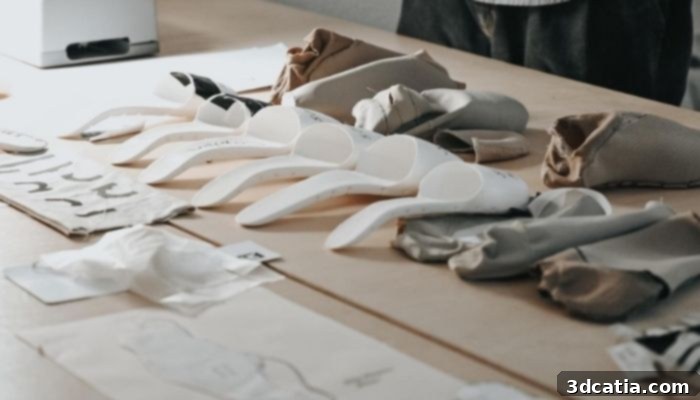
Photo Credits: Act’ble
The Heal Your Sole Shoe from Zellerfeld: Fully 3D Printed and Circular Footwear
Founded in Brooklyn in 2020, Zellerfeld is a visionary company aiming to entirely revolutionize shoe production by manufacturing footwear exclusively through 3D printing. Their ambitious goal is to establish an ethical, automated production process that bypasses the need for traditional factories, thereby minimizing environmental impact and labor exploitation. Zellerfeld’s flagship product, the “Heal Your Sole” shoe, perfectly embodies this innovative and sustainable philosophy.
What truly sets the Heal Your Sole shoe apart is its unparalleled ability to be fully customized to the precise shape of a customer’s foot. This is achieved through a simple cell phone scan, which captures the unique anatomical data of the wearer, ensuring an optimal, personalized fit. For those who prefer, the shoe is also available in conventional sizes. The design features an intricate lattice structure that is seamlessly 3D printed, eliminating the need for any adhesives or traditional stitching. This seamless construction not only contributes to optimum comfort by preventing pressure points but also enhances the shoe’s breathability, making it pleasant to wear for extended periods.
Beyond fit and comfort, the Heal Your Sole is designed for practicality and sustainability. It is fully machine-washable and inherently odor-resistant, addressing common footwear concerns. Zellerfeld’s commitment to a circular economy is particularly noteworthy: once the shoe is worn out, customers can return it to the company. Zellerfeld then undertakes to fully recycle the material, which can then be used to print a brand-new pair for the customer. This closed-loop system dramatically minimizes material waste, as only the necessary material is used for each print, and nothing ends up in landfills. The Heal Your Sole is a prime example of how 3D printing can create a truly sustainable, personalized, and comfortable footwear experience from creation to end-of-life.
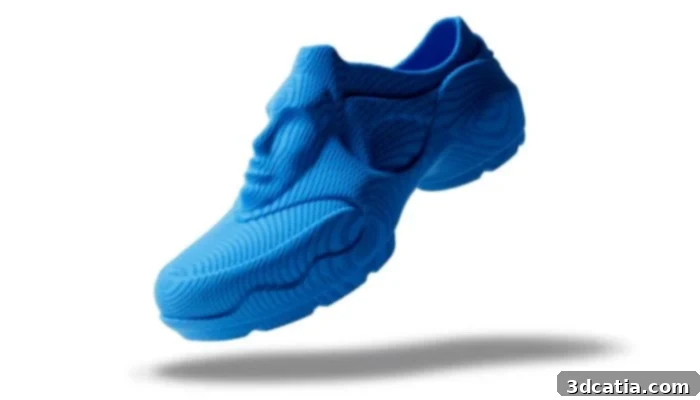
The Dior Carlo Oxford: High Fashion Embraces 3D Printing
At the Dior Men Fall-Winter 2023-2024 fashion show, the iconic luxury brand Dior unveiled a remarkable fusion of high fashion and cutting-edge technology: the Dior Carlo Oxford. These elegant shoes represent a bold step into the future of luxury footwear, with their design seamlessly integrating elements produced through advanced 3D printing. This collaboration highlights how additive manufacturing is no longer limited to performance or industrial applications but is now a key tool in creating exclusive, high-end fashion pieces.
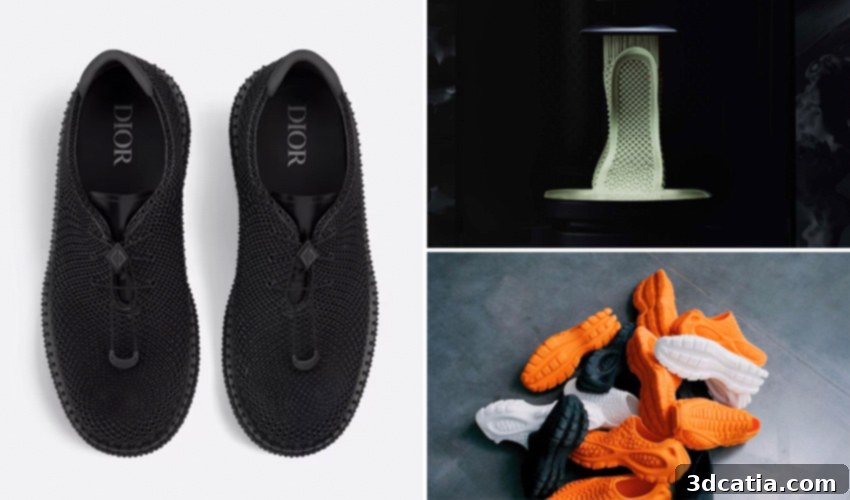
The Dior Carlo Oxford features an ultra-lightweight 3D-printed black Cosmo rubber upper and sole. This innovative construction results in shoes that are exceptionally comfortable, a quality often sought but not always achieved in traditional luxury footwear. 3D printing lends a unique, sophisticated aesthetic to the shoes, allowing for intricate patterns and textures that are both visually striking and functionally beneficial. The use of this technology makes the shoes remarkably lightweight, pleasant to wear, and importantly, highlights their sustainability credentials.
Dior emphasizes the eco-conscious aspect of these shoes: once the tongue, under-sole, and laces have been removed, an impressive 80% of the material can be effectively reused, supporting circular fashion initiatives. The manufacturing process for these exclusive shoes involves the use of a specialized polymer powder, developed by HP for its Multi Jet Fusion (MJF) 3D printers. This technology allows for rapid and precise production, with the printing process for each pair taking just 12 hours. This blend of speed, precision, and sustainability, combined with luxury design, further adds to the exclusivity of this limited-edition collection, signaling a new era for fashion footwear.
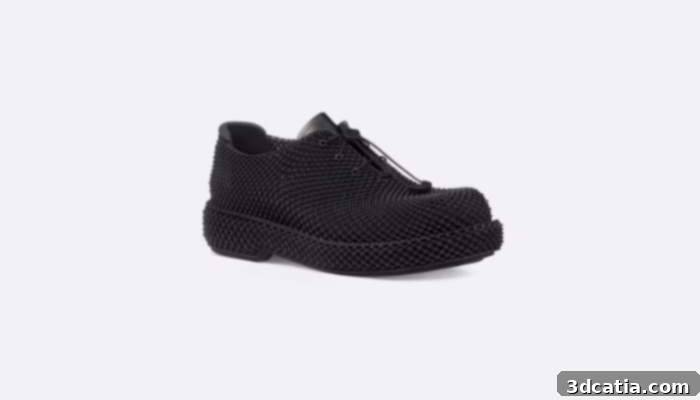
Photo Credits: Dior
Puma and Porsche Design: The 3D MTRX Sneakers for Performance and Style
In a dynamic collaboration that fuses athletic innovation with luxury automotive design, Puma and Porsche Design have teamed up to create the distinctive 3D MTRX sneaker. As its name suggests, this high-performance sneaker incorporates key elements produced through advanced 3D printing technology, particularly in its midsole, to deliver a truly unique blend of comfort, durability, and a signature aesthetic.
The most striking feature of the 3D MTRX is its midsole, which is crafted from resilient elastic resins using 3D printing. Visually, the midsole boasts an intricate honeycomb structure, a design choice that is not only functional but also deeply inspired by the iconic Porsche Design logo – a succession of the brand’s famous cube motif. This particular, highly complex geometric shape would have been virtually impossible or prohibitively expensive to achieve using any other conventional manufacturing process, underscoring the transformative power of additive manufacturing in footwear design.
While the specific 3D printing process employed for the 3D MTRX midsole has not been publicly detailed, the result is clear: Puma and Porsche Design highlight the exceptional durability, superior comfort, and remarkable lightness of the shoe. The lattice structure provides targeted cushioning and support, adapting to the wearer’s foot and movements. Complementing the technologically advanced midsole, the shoe’s upper is constructed from premium carbon fiber and refined leather details, further emphasizing the blend of high-tech performance and sophisticated style that both brands are known for. The 3D MTRX stands as a testament to how cross-industry collaborations can leverage 3D printing to create truly innovative and desirable products.
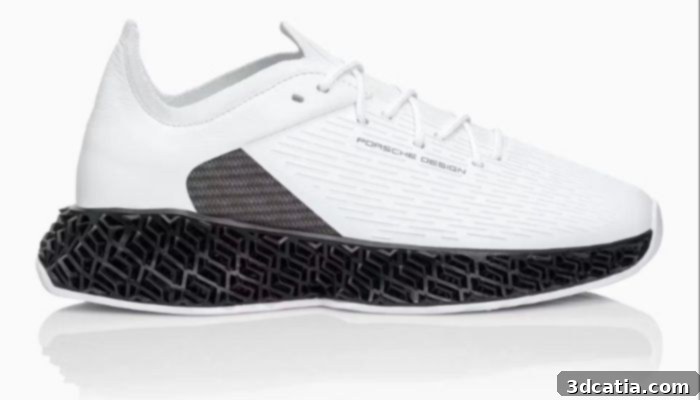
Photo Credits: Porsche Design
Decathlon’s 3D Printed Sports Shoe: A Sustainable and Personalized Approach
Decathlon, a leading global sporting goods retailer, has embarked on an exciting venture into additive manufacturing, partnering with HP and the Lonati Group to develop a pioneering sports shoe that utilizes 3D printing technology. This collaboration underscores Decathlon’s commitment to innovation, customization, and environmental responsibility within its extensive product range.
At the heart of this innovative shoe is the use of HP’s advanced Jet Fusion 5200 3D printer. This sophisticated system was employed to produce both the midsole and the outsole of the sports shoe, critical components that dictate comfort, performance, and durability. The material of choice for these parts is Ultrasint TPU01, a versatile thermoplastic polyurethane powder specifically developed by BASF. This material, combined with HP’s Multi Jet Fusion technology, allows for the creation of intricate lattice structures and customized geometries that enhance cushioning, flexibility, and energy return.
This initiative by Decathlon highlights several key advantages of 3D printing in footwear: unparalleled customization, allowing for shoes tailored to individual biomechanics; exceptional design freedom, enabling complex and optimized structures; and superior comfort derived from precisely engineered sole components. Beyond these user-centric benefits, 3D printing was also strategically chosen for its positive environmental impact. The shoe features a glue-free assembly, a significant advancement that not only simplifies manufacturing but also allows for easy repair in the event of damage, extending the product’s lifespan. Furthermore, the use of a single material, TPU01, for both the midsole and outsole greatly contributes to the shoe’s overall recyclability, minimizing waste and supporting a more circular economy in sports footwear production.
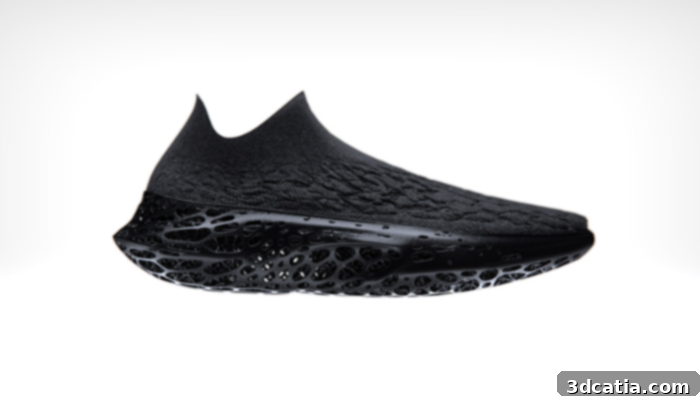
Photo Credits: HP
The ASICS ACTIBREEZE™ HYBRID: A 3D Printed Sandal for Recovery and Comfort
Last summer, ASICS, a brand synonymous with athletic performance and well-being, introduced its innovative ACTIBREEZE™ HYBRID SANDALS. These sandals, available in stylish coral and black for $80, represent ASICS’ strategic adoption of 3D printing to enhance an already popular product line. For this advanced version, ASICS collaborated with the Chinese additive manufacturing company LuxCreo, known for its expertise in 3D printing solutions.
The decision to incorporate 3D printing into the ACTIBREEZE™ HYBRID SANDALS was driven by the desire to offer specific, enhanced benefits for the soles of the feet. The sandals feature an intricate lattice structure, a design only achievable through additive manufacturing. This open lattice design is engineered to guarantee exceptional comfort by distributing pressure evenly and providing superior shock absorption. Moreover, it significantly enhances breathability, ensuring optimal airflow and temperature regulation, which is particularly beneficial for recovery after intense physical activity or for prolonged casual wear.
The overall design of the ACTIBREEZE™ HYBRID SANDALS has been meticulously rethought and optimized to offer additional advantages to the wearer, focusing on ergonomic support and anatomical fit. In alignment with the brand’s enduring philosophy, encapsulated by the motto “Anima Sana In Corpore Sano” (A healthy mind lives in a healthy body), ASICS is deeply committed to delivering exceptional quality, performance, and comfort. These new 3D printed sandals are a testament to that commitment, demonstrating how targeted application of additive manufacturing can elevate even seemingly simple footwear products into advanced recovery and comfort solutions for active lifestyles.
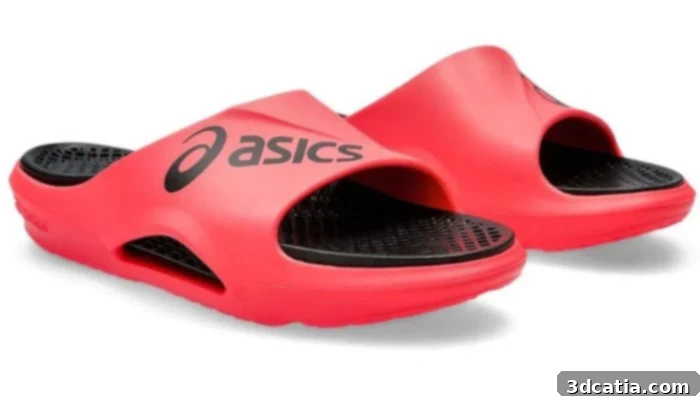
Photo Credits: LuxCreo
The 16kW Shoe from Koobz: Flexible, Washable, and Sustainable 3D Printed Footwear
Koobz, a specialized Californian company, has distinguished itself by focusing exclusively on the manufacturing of shoes using advanced 3D printing technologies. Since its introduction last year, their signature shoe model, the 16kW, has been readily available for purchase on their innovative online platform. This particular shoe embodies Koobz’s commitment to combining cutting-edge manufacturing with practical design and sustainable principles.
Designed in close collaboration with the talented Fabrizio De Lucia of Affinity Space Design Studio, the 16kW is a unisex sports shoe that champions versatility and user convenience. One of its standout features is its washability, making it exceptionally easy to maintain and suitable for various activities and environments. While the design phase was a collaborative effort, the 16kW proudly states its origin: designed in Italy and 3D printed in the USA, highlighting a blend of global design talent and localized, advanced manufacturing.
The primary appeal of the 16kW lies in its exceptional comfort, which is directly attributed to the material choice and the possibilities offered by 3D printing. The shoe is made from polyurethane, a highly flexible, supple, and durable thermoplastic material that is also fully recyclable. This inherent elasticity means the 16kW can be comfortably worn for extended periods without discomfort, seamlessly adapting to the foot’s movements whether the wearer is running, dancing, or engaging in indoor or outdoor activities. The design ensures ample toe room, and the material’s adaptive nature allows for a “second-skin” fit, providing both freedom and support. The Koobz 16kW exemplifies how 3D printing can create functional, sustainable, and supremely comfortable everyday footwear.
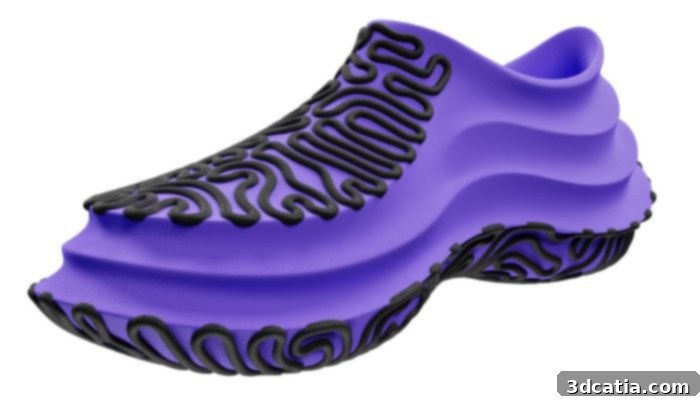
The examples above vividly demonstrate the transformative power of 3D printing across the entire footwear spectrum, from high-performance athletic gear to luxury fashion and everyday comfort shoes. This technology is not merely a trend but a fundamental shift towards more personalized, efficient, and sustainable production methods. As innovations continue and materials evolve, the impact of additive manufacturing on the future of footwear will undoubtedly grow even larger, promising a world where every step is supported by tailored precision and environmental responsibility.
What do you think of these innovative 3D printed shoes? Let us know in a comment below or on our Linkedin, Facebook, and Twitter pages! Don’t forget to sign up for our free weekly Newsletter here, bringing the latest 3D printing news straight to your inbox! You can also find all our videos on our YouTube channel.