Printers
XJet opens its metal and ceramic additive manufacturing center
Last Monday in Rehovot, Israel, the XJet manufacturer opened its new additive manufacturing center, one of the largest in the market. With its 9 3D metal and ceramic printers, the Israeli actor intends to accelerate its research and offer a complete…
- 3 min read
- Printers
- Six more stories
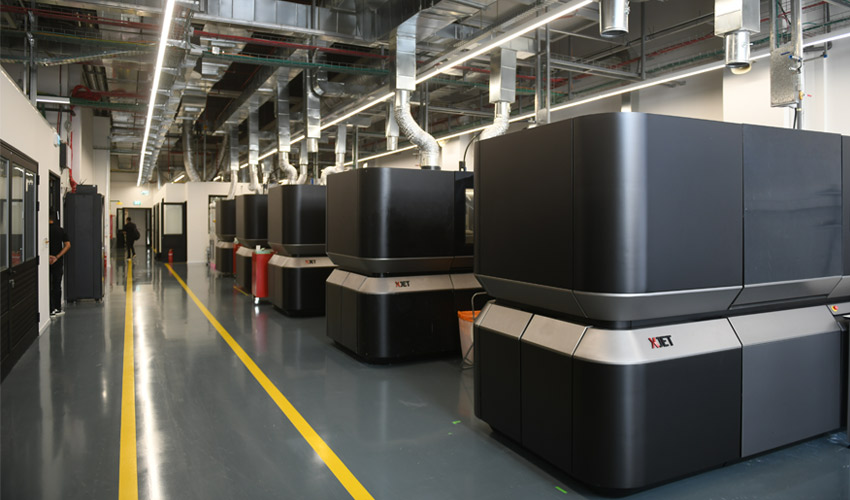
Last Monday in Rehovot, Israel, the XJet manufacturer opened its new additive manufacturing center, one of the largest in the market. With its 9 3D metal and ceramic printers, the Israeli actor intends to accelerate its research and offer a complete solution for the industry. 3Dnatives was present for the inauguration and was able to meet some members of the XJet team. A team that is now made up of 110 employees, but also clients and investors.
In 2016, XJet closed a $ 25 million investment to develop its technology called NanoParticle Jetting. In contrast to additive manufacturing methods that merge powder, the Israeli has developed a technology based on liquid droplets. These contain nanoparticles of metal or ceramic. The drops evaporate in a few seconds on the printing plate to leave room for the nanoparticles and thus form the desired part. XJet has designed two models of 3D printers, the Carmel 1400 and Carmel 700, which are distinguished by their size; the 1400 offers a print volume of 1,400 cm2, hence its name.

The inauguration of the new additive manufacturing center brought together several market players (photo credits: 3Dnatives)
Xjet’s additive manufacturing center to evolve technology
XJet has invested $ 10 million in its new additive manufacturing center in which it runs 9 machines. Dror Danai, CBO of the company explains that each is composed of 24 print heads that have 512 nozzles. They therefore have more than 12,000 nozzles working at the same time, each capable of projecting 20,000 drops per second. XJet hopes to add 3 more machines to the center by the beginning of 2019. Hanan Gothait, CEO of XJet, said: ” We will use our Additive Manufacturing Center to develop and demonstrate specialized applications, print test pieces for our customers. worldwide and test new ceramic and metallic materials.” The idea would not be to produce finished parts for marketing purposes but to evolve its technology and go further in the available materials. Whether for the final structure or for the print media.
More from the desk
Six other notes from the rest of the bench.
 NewsTOP 5 videos of the week: Hot Rods, Surfboards and more!A new selection of the best 3D printing videos of the week, just for you! Find our TOP 5 videos of the week below and tell us what your favorite video is in a comment or on our Facebook and Twitter page. Don’t hesitate to…
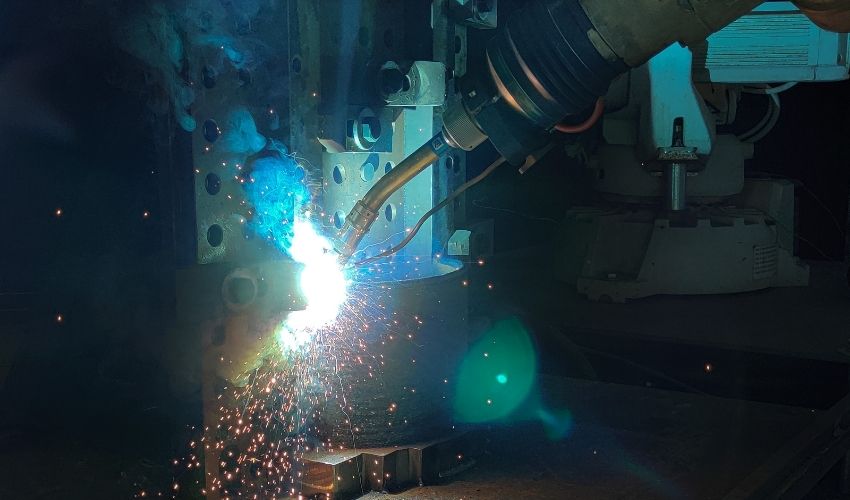 NewsMX3D Unveils its 3D Printed Pipeline Clamp for the Oil & Gas IndustryMX3D, an AM company perhaps best known for its installation of a 3D-printed metal bridge in Amsterdam earlier this year, has unveiled their latest project, a 3D printed pipeline clamp for the Oil&Gas industry. The part was made and tested…
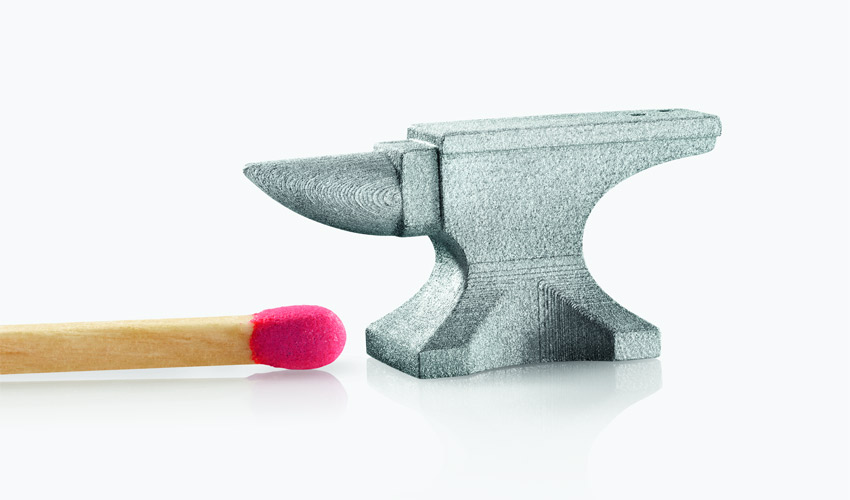 GuidesIncus develops a metal 3D printing process based on lithographyIncus is a startup based in Vienna, it came about thanks to a collaboration between several engineers from Lithoz, an expert in ceramic additive manufacturing. In fact, this young company has developed a metal 3D printing process based on a…
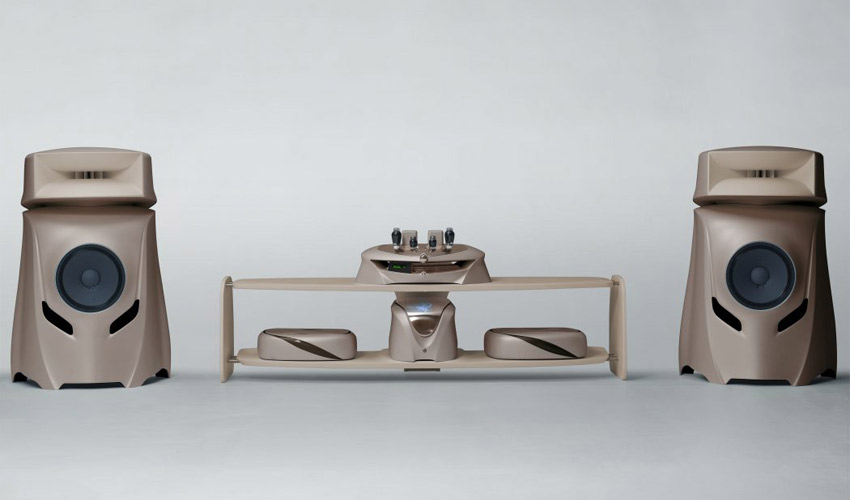 GuidesAskja Audio develops a high-end audio system with 3D printingThe French Startup Askja Audio was founded in 2014 to provide a revolutionary audio solution for all music lovers. Called Askja Origin, this set includes multiple mechanical 3D printed parts, including electronics boxes. Its founder Didier Kwak has especially imagined a large&hel
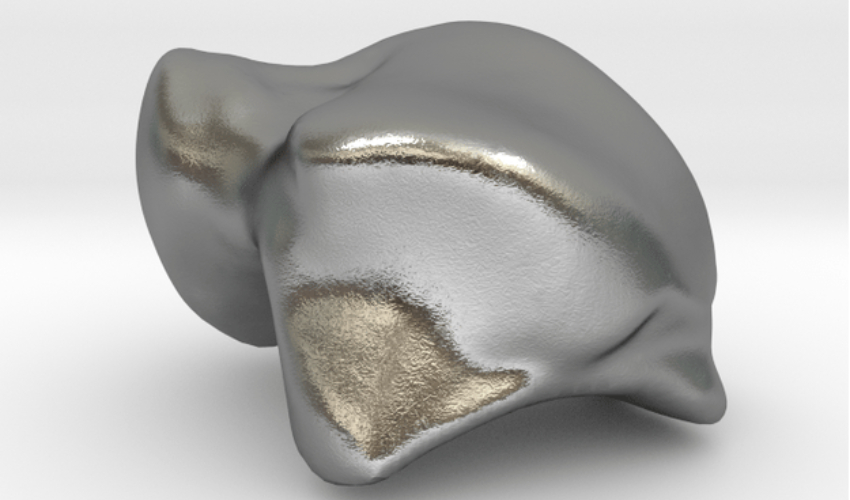 NewsFDA Approves First 3D Printed Ankle Implant to Treat Rare Bone DiseaseThe U.S. Food and Drug Administration (FDA) has just approved the Patient Specific Talus Spacer, the world’s first implant designed to replace the talus. This is particularly useful for sufferers of talus avascular necrosis (AVN). The Patient Specific Talus Spacer…
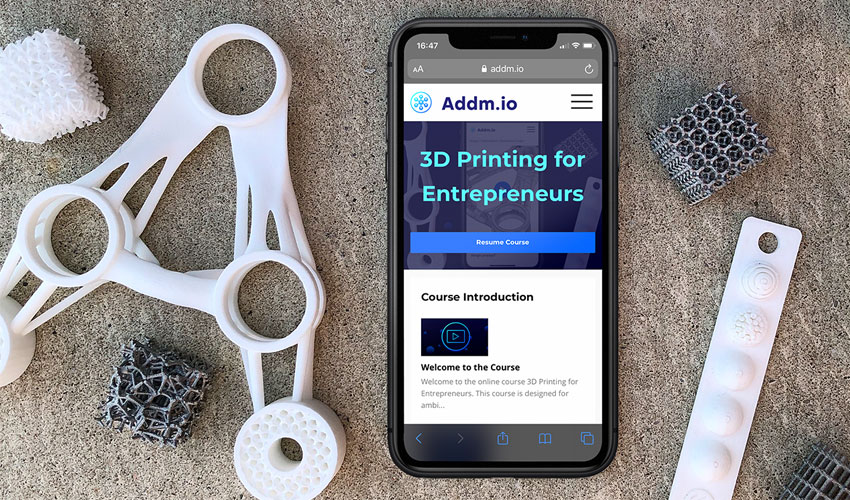 GuidesAddmio, an online platform to learn 3D printingWhile 3D printing is gradually taking hold in our businesses and industries, it is still a technology that is difficult to grasp. Specific skills are required to enter this market, whether in terms of materials, equipment or design. A number…