News
U.S. Navy to use Xerox’s newly-launched 3D printer, ElemX
Last year, Xerox announced the acquisition of startup Vader Systems, which specializes in liquid metal additive manufacturing. It clearly stated the ambition to enter the 3D market, convinced of the technology’s potential. One year later, Xerox has introduced its first&hell
- 3 min read
- News
- Six more stories
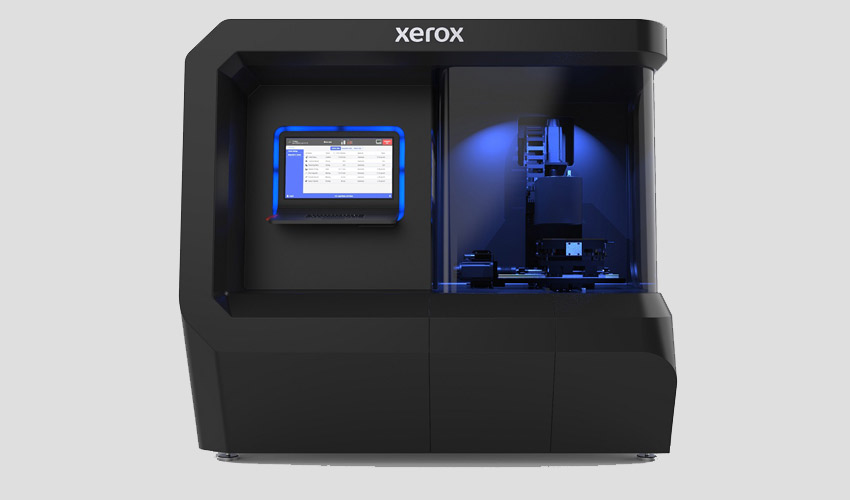
Last year, Xerox announced the acquisition of startup Vader Systems, which specializes in liquid metal additive manufacturing. It clearly stated the ambition to enter the 3D market, convinced of the technology’s potential. One year later, Xerox has introduced its first liquid metal 3D printer, ElemX. The machine uses metal, specifically aluminium, wires that are melted layer by layer to produce the final part. The manufacturer hopes to appeal to the aerospace, automotive, marine, and oil & gas industries. Already, the Naval Postgraduate School in California has commissioned a machine as part of a new collaborative research project into the applications for 3D printing for the U.S. Navy.
Currently the majority of metal additive manufacturing processes use powders to design more or less complex parts. These materials can represent a risk both for the user’s health and safety. The INRS had moreover published a complete report on the possible risks when handling metal powder. These include chemical risks, explosion and fire. Accordingly, Xerox placed their bets on a machine that relies on metal wire rather than powder. The company thus created the ElemX, measuring 2.7 meters wide by 2.1 meters high. The Naval Postgraduate School (NPS) in California were one of the first to receive the first ElemX as part as a collaborative research project into additive manufacturing with Xerox. The NPS will use the machine to research new capabilities for the Navy and Marine Corps.
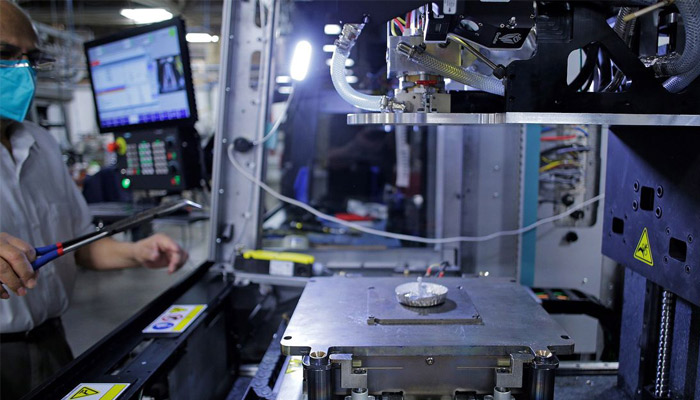
The ElemX’s build plate. (Photo Credit : Xerox)
The Xerox ElemX is based on a liquid 3D printing process
The Liquid Metal process is based on a metal wire, in this case aluminium: the coil is placed on the machine and the wire is fed into a tank which is heated to over 800°C. The metal is melted, forming droplets which are then projected onto the tray using a magnetic field. According to the manufacturer the machine is capable of depositing up to 1,000 drops per second. Therefore, the manufacturing process is faster than that of powder-based solutions and requires less post-treatment. The exact print volume of the machine is unknown, but it is thought that it can produce parts measuring up to approximately 300 x 300 x 127 mm.
More from the desk
Six other notes from the rest of the bench.
 Applications3DExpress: World’s First 3D Printed Femur Transplant for Child With Bone CancerThis week’s 3DExpress is full of exciting developments. First, we cover the world’s first femur transplant that succeeded with the help of a 3D printed femur. Then, we take a look at new collaborations: Women in 3D Printing is joining…
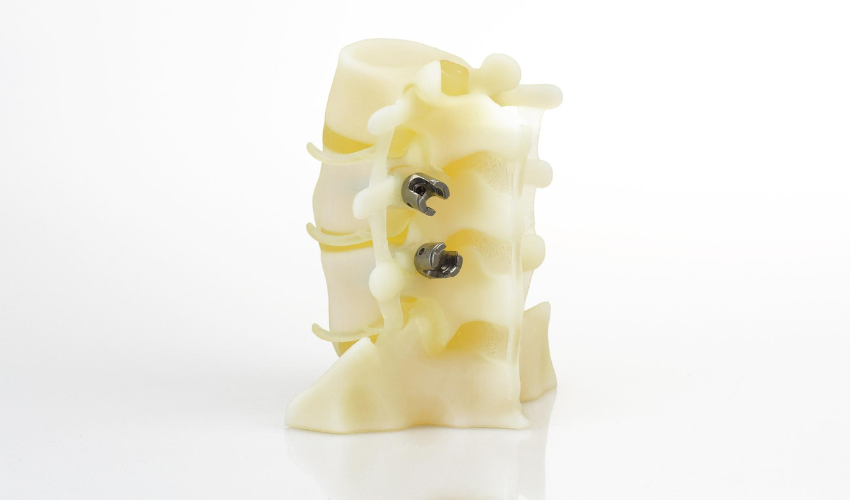 ApplicationsWhat Polymer Materials Can Be Used to 3D Print Medical Devices?3D printing is revolutionizing the medical industry, powering a broad range of applications from implants and surgical guides to patient-specific devices. Physicians and medical students alike are leveraging this technology to provide more targeted, individualized care. Key addit
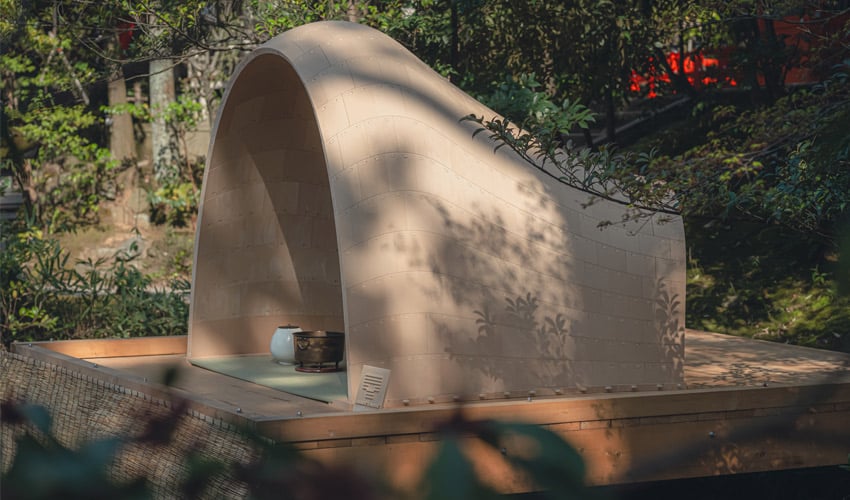 NewsThis Japanese Pavilion is Made From 900 3D Printed PanelsToday, we’ll be taking you on a journey to Japan, specifically to the Kanazawa Shrine located on the central island of Honshū, where we’ll be exploring a new 3D printed pavilion. Conceived by architects Kei Atsumi and Nicholas Préaud, the…
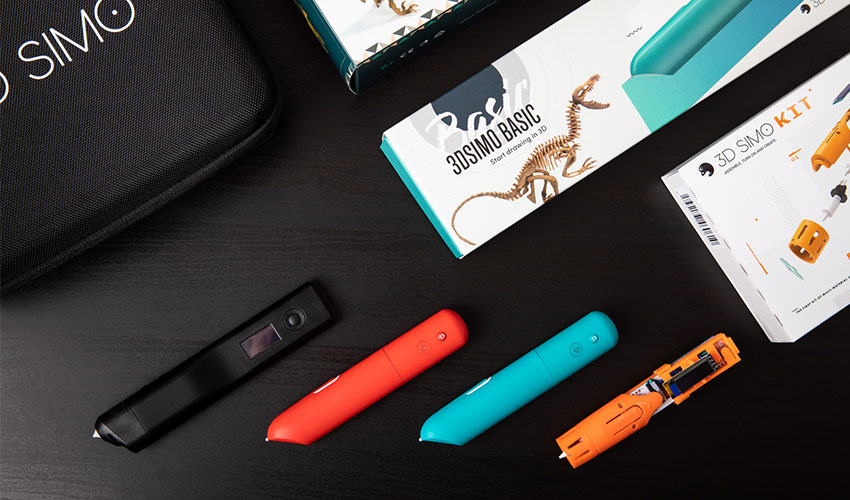 News3Dsimo multi-functional; from creative toys to professional toolsThe European producer 3Dsimo entered the market back in 2013 and specialises in their 3Dsimo multi-functional tools. The company is behind the world’s first multi-material 3D pen and have kept developing their products ever since. Now they cover categories and…
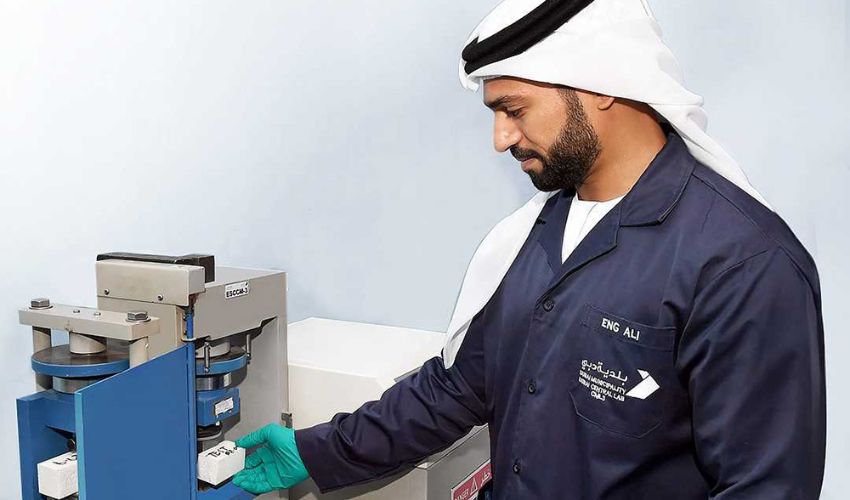 NewsDubai Launches World’s First Certification Program for the 3D Printing Construction SectorThe additive manufacturing construction sector has been growing exponentially due to its fast completion time and lower labor costs, with projects cropping up all over the world. Concrete 3D printing in particular has seen marked development in its construction practices…
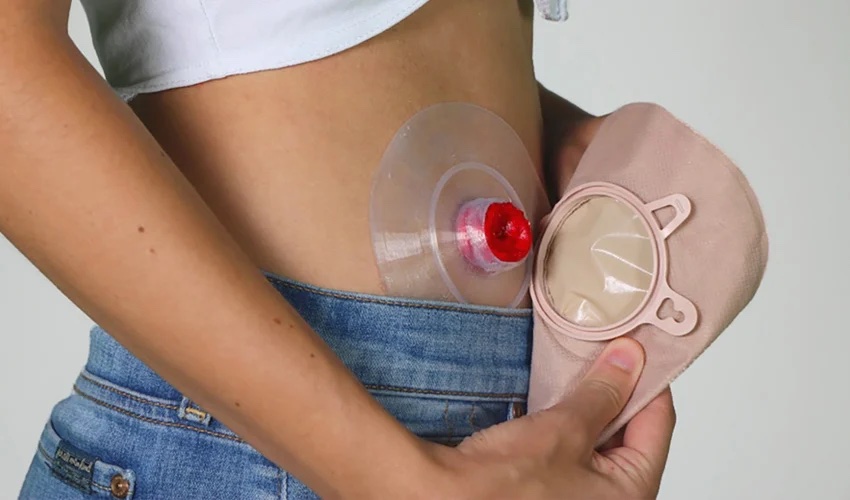 ApplicationsOdapt, a 3D Printed Disc for Ostomy Bags That Does Not Cause LeakageMore and more people are suffering from intestinal infections and urinary system problems, including but not limited to bladder cancer, colon cancer and Crohn’s disease. These kind of diseases are also ones for which people have to undergo an ostomy,…