Applications
What Polymer Materials Can Be Used to 3D Print Medical Devices?
3D printing is revolutionizing the medical industry, powering a broad range of applications from implants and surgical guides to patient-specific devices. Physicians and medical students alike are leveraging this technology to provide more targeted, individualized care. Key addit
- 3 min read
- Applications
- Six more stories
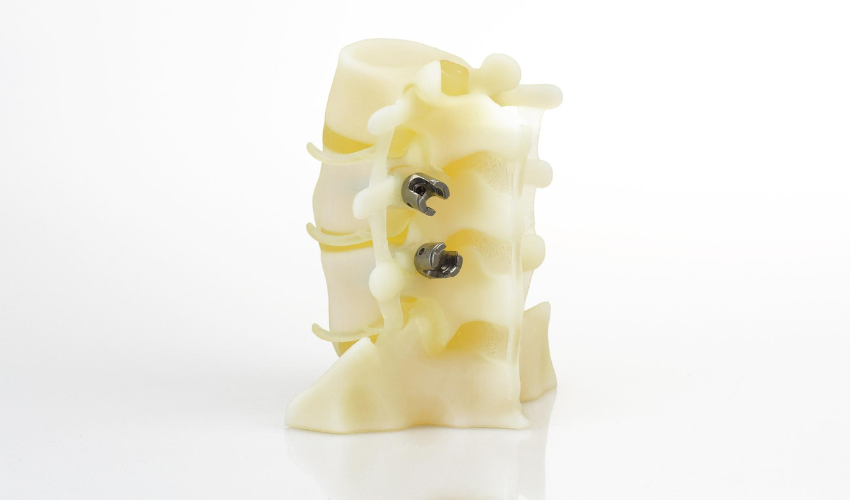
3D printing is revolutionizing the medical industry, powering a broad range of applications from implants and surgical guides to patient-specific devices. Physicians and medical students alike are leveraging this technology to provide more targeted, individualized care. Key additive manufacturing methods—FDM, SLA, PolyJet, SLS, MJF, and LPBF for metal—offer distinct advantages based on the application and material. Selecting the right technology and biocompatible, certified materials is critical for optimal results. As new materials are constantly developed, the field continues to grow.
To dive deeper, we consulted Dinsmore, an ADDMAN Group company and leader in medical 3D printing. They shared insights on key polymer materials and applications shaping the healthcare sector.
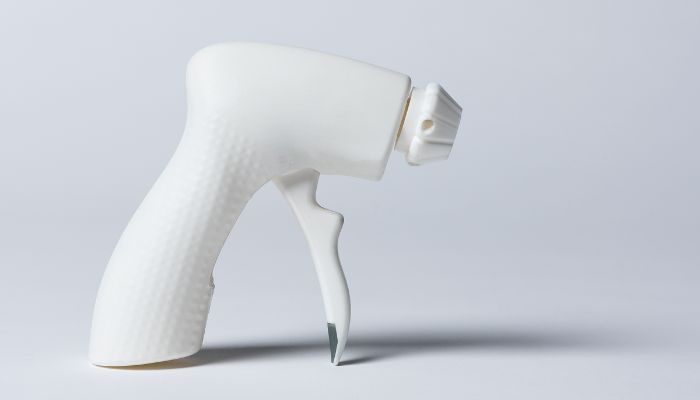
Medical Device printed with MPU 100 (photo credits: Carbon 3D)
Medical Devices and 3D Printing: A Growing Market
Market research by The Insight Partners projects the medical 3D printing market will reach $10.65 billion by 2031, with a 17.5% annual growth rate. This rapid expansion is fueled by the technology’s core benefit: customization. Through imaging techniques like CT scans, MRIs, and 3D patient scans, highly personalized digital models can be created to match a patient’s anatomy precisely. Additive manufacturing also supports faster production cycles and a broad selection of materials, making it a versatile option for healthcare.
More from the desk
Six other notes from the rest of the bench.
 ApplicationsResearchers Create 3D Printed Surgical TableNorth American University researchers recently announced the successful creation of a 3D-Printed surgical table. The project, a collaboration between the University of Western Ontario (Western) and Michigan Technological University (Michigan Tech), was conducted using open-source
 Guides#3DStartup: Readily3D and its Volumetric Printing Technology Based on TomographyReadily3D is a young Swiss startup that has developed a volumetric 3D printing method to create complex organic shapes in just a few seconds. The company used tomography to design its first 3D printer, which is capable of solidifying an…
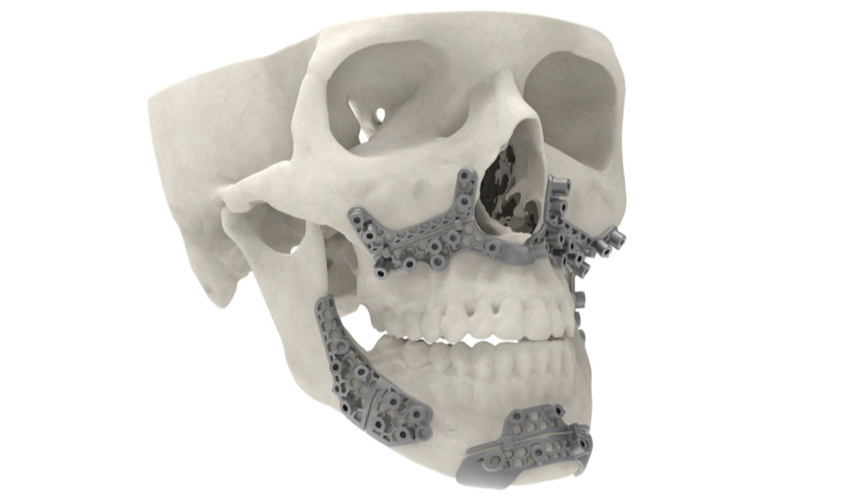 Applications3D Systems Announces All New VSP Hybrid Surgical Guides3D Systems has just announced their latest enhancement to their VSP surgical planning portfolio. The all new VSP Hybrid Guides will deliver a breakthrough patient-specific, occlusal-based solution for maxillofacial surgeries. By combining nylon and titanium guides the new enhance
 NewsBreaking Design Rules Through a 3D Printed Bike With All-Wheel DriveCan you imagine riding a bike that is designed completely differently than what we know today? Well, German designer Stephan Heinrich has brought this idea to life using additive manufacturing. The Infinity is a concept that could break the rules…
 NewsTop 5 Videos of the Week: 3D printing glass with new technique…This week we found the top 5 videos about 3D printing and the way additive manufacturing is shaping our society. The technology has infiltrated many sectors, from medical to automotive! Check out our selection of the week to keep up with the innovations! This week we…
 ApplicationsChilean Army Boosts Innovation With the Opening of a 3D Printing CenterThe incorporation of advanced technologies in the training of future military polytechnic engineers has been increasing in recent years. In the most recent example, the Chilean Army has taken a significant step with the recent inauguration of the 3D Printing…