Applications
The world’s lightest electric bike features 3D printed parts
There is a new record in the Guinness World Records book: Dennis Freiburg designed the world’s lightest electrically assisted bike (EAB). Weighing only 6.872 kilos (15.15 lb), it’s a real mechanical and technical feat that this German engineer managed to…
- 3 min read
- Applications
- Six more stories

There is a new record in the Guinness World Records book: Dennis Freiburg designed the world’s lightest electrically assisted bike (EAB). Weighing only 6.872 kilos (15.15 lb), it’s a real mechanical and technical feat that this German engineer managed to develop in one year. If the project interests us today, it’s because he used additive manufacturing. More specifically, Dennis Freiburg used composite materials to make certain parts lighter. Importantly, 3D printing also made it possible to imagine components that didn’t even exist on the market. Despite the incorporation of the advanced technologies, the project lasted more than a year and cost at least 10,000 euros.
Today, the use of an electric bike has become widely popular, even though the weight of such vehicles is heavier than that of a standard bicycles, mostly due to the presence of the motor and the many cables. However, more and more manufacturers are working to reduce this weight in order to bring more comfort to the riders. Not surprisingly, most of them use additive manufacturing to achieve this goal. In this case, Dennis Freiburg’s electric bicycle weighs less than 7 kilos, which is about three times less than the market average.

Dennis Freiburg and the lightest electric bike in the world.
Dennis Freiburg designs an electric bicycle weighing less than 7kg
Called Freicycle – “frei” means “freedom” in German – the bike is inspired by an existing model on which Dennis has modified many parameters and components. He explains that he based it on the carbon Merida Scultura, a bike with an ultra-light frame. The German engineer would have increased the presence of carbon fiber in strategic parts of the bike such as the crankset, wheels and fork. Other parts such as the pedals were 3D printed: Dennis is quite discreet about the process used, preferred materials, etc., but he explains that it was a method that allowed him to imagine parts that were impossible to find on the market. He couldn’t get them otherwise than by 3D printing. He goes on to say that it also allowed him to perform several tests – in the end, if a component broke, he could simply print it again.
More from the desk
Six other notes from the rest of the bench.
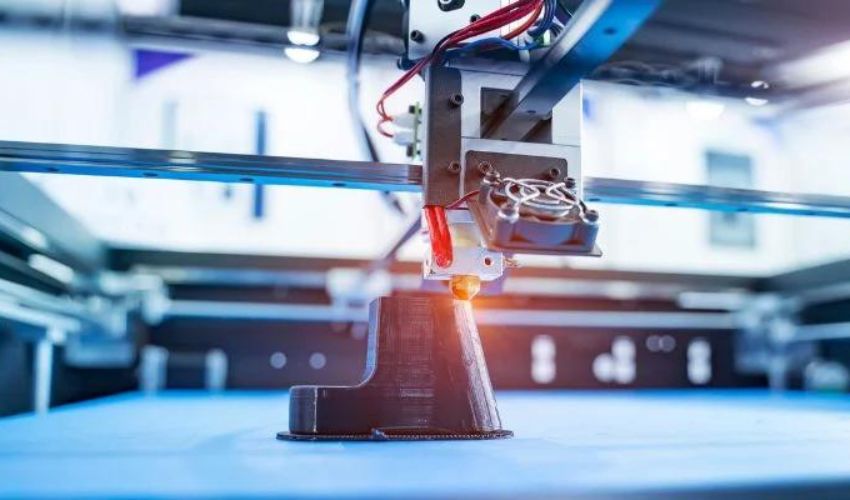 NewsUnleashing the Future: Exploring the 3D Printing Market Forecast for 2030The global 3D printing market is experiencing remarkable growth, driven by technological advancements, expanding applications across various industries and increasing demand for customized products. According to a recent article published on MarketWatch, a website specializing in
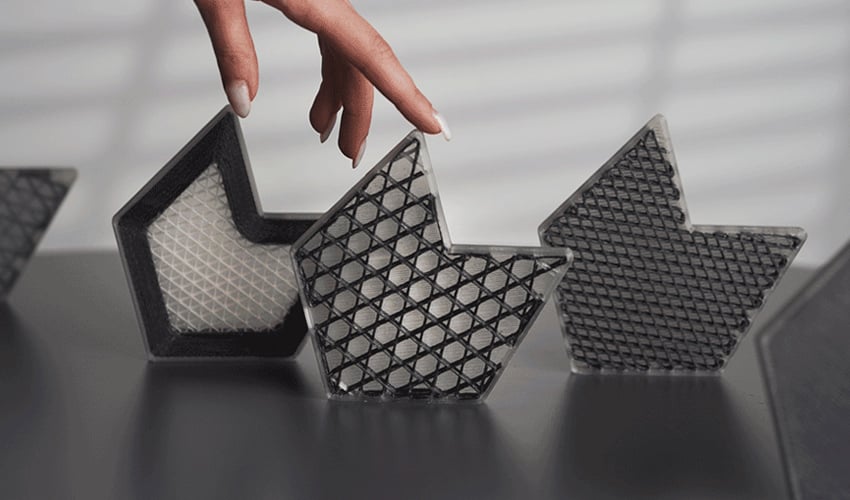 MaterialsA Closer Look at 3D Printing Materials: CompositesIn recent years, composite 3D printing has become increasingly popular. One of the youngest branches of 3D printing, this technology is now used by many players in additive manufacturing, such as Impossible Objects, a company specializing in the field. In…
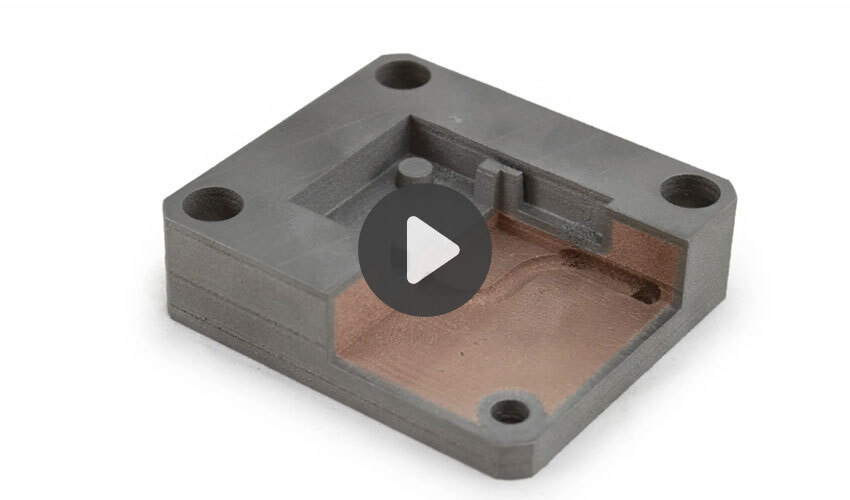 NewsTop 5 Videos: Aerosint’s New And Innovative Powder RecoaterAnother Sunday means another Top 5 list of videos straight from the world of 3D printing! We start off this week’s top 5 with a video about Aerosint, a Belgian AM company that has developed a new 3D printing solution…
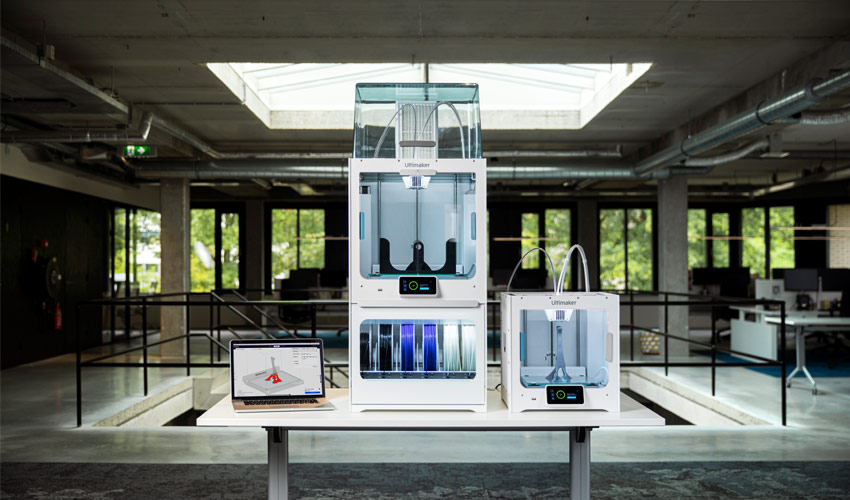 PrintersUltimaker’s new solutions will optimize the 3D printing workflowSince 2011, the Dutch manufacturer Ultimaker has been offering professional FDM 3D printing solutions designed to make their manufacturing process as easy as possible. In April, the company launched its new machine, the S5, for the first time it included…
 ApplicationsInfographic: 3D Printing in the Medical SectorOne of the main advantages of additive manufacturing is its ability to design custom parts. And what could be more important than customization in the healthcare industry, where doctors treat patients who are all unique and different? From hospitals to…
 ApplicationsEvonik and Laxxon to Produce More Effective 3D Printed PillsEvonik Venture Capital, which deals with all kinds of applications related to the use of 3D technologies, has announced its investment in the Nevada-based Laxxon Medical. The goal: to produce 3D-printed tablets that will improve patient health thanks to better…