Applications
Infographic: 3D Printing in the Medical Sector
One of the main advantages of additive manufacturing is its ability to design custom parts. And what could be more important than customization in the healthcare industry, where doctors treat patients who are all unique and different? From hospitals to…
- 3 min read
- Applications
- Six more stories
One of the main advantages of additive manufacturing is its ability to design custom parts. And what could be more important than customization in the healthcare industry, where doctors treat patients who are all unique and different? From hospitals to universities to research labs, many medical players are interested in 3D printing technologies.
The applications are steadily increasing when it comes to 3D printing and the medical field. Over the past few years we have heard of uses as varied as the manufacture of prostheses, implants, surgical models or even tissues and organs from patient cells. Progress is lightning fast and we see more and more health establishments equipping themselves with 3D printers or even units entirely dedicated to 3D technologies. For example in France, the manufacturer Poietis equipped the Hôpital de la Conception in Marseille with a 3D bioprinter to facilitate the creation of skin tissue that can be implanted directly into the patient. And the Seattle Children’s Hospital has adopted 3D printers using material jetting to help them in surgical planning for complex cases, thus reducing mortality rates.
To give you an overview of what has already been achieved, but also to take stock of the innovations to come, 3Dnatives unveils today an infographic on the impact of 3D printing in medicine (click on the image to zoom in).
More from the desk
Six other notes from the rest of the bench.
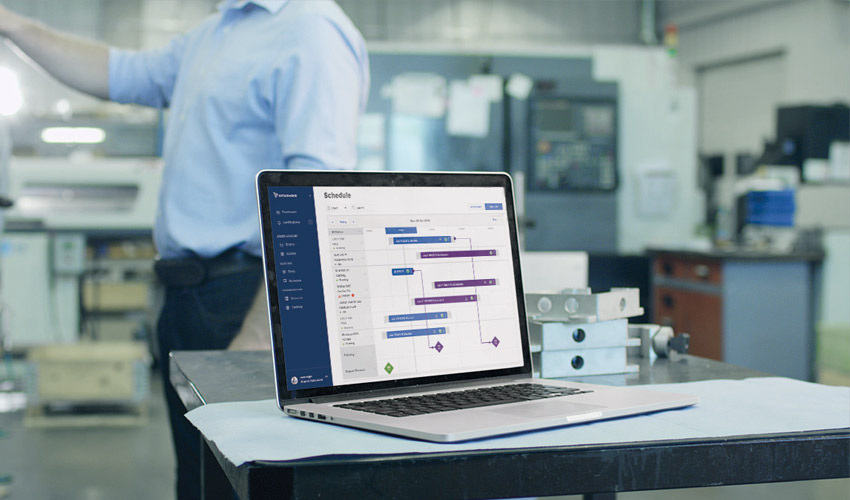 News3YOURMIND receives €1.3 million to integrate AI in its software solutionsGerman company 3YOURMIND, which specialises in the development of software to automate additive manufacturing processes, has received €1.3 million in funding to integrate machine learning and artificial intelligence solutions into its software. This should further accelerate the
  News3D Printing to Maintain Cornell’s Eco-Friendly Lake Source Cooling SystemMaintaining sustainability on a large campus can be a complex challenge, as balancing environmental responsibility with efficient operations requires innovative solutions. Last week, Cornell University’s Lake Source Cooling (LSC) system underwent essential maintenance to combat t
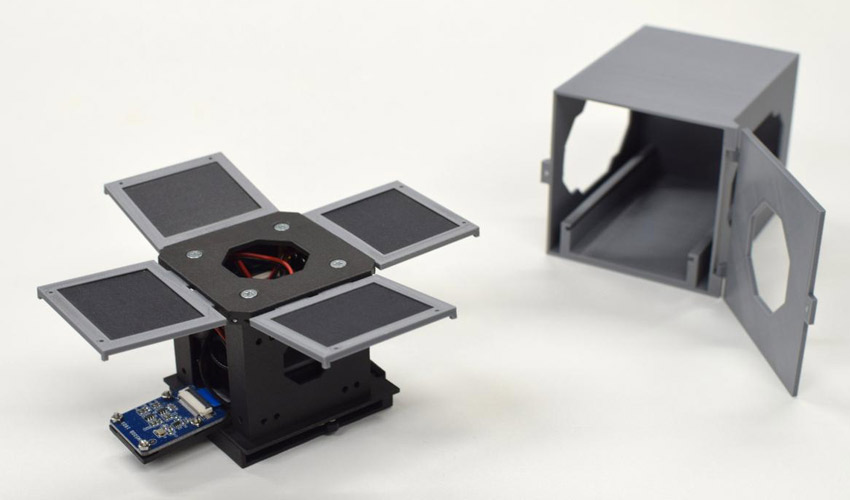 NewsDiscovery, the 3D printed carbon fiber satelliteMini-Cubes is a young American company that designs very small satellites: called PocketQubes, they measure only 5 cm and remain more accessible than traditional satellites. The reason we are telling you about it today is because the company has started…
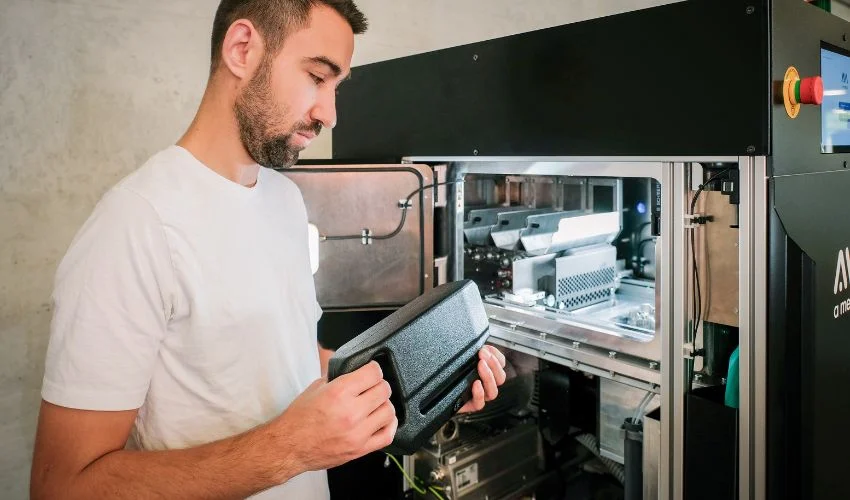 GuidesCan a-metal Democratize Access to Laser Fusion Technology?a-metal is a startup that develops innovative entry-level solutions for metal 3D printing, with the aim of making additive manufacturing of metal parts accessible to as many people as possible. The company’s goal is to establish metal 3D printing technology…
 Materials3D Printed Castor Bean EyewearAustrian manufacturer, Rolf Spectacles, have developed a plant-based 3D printed eyewear collection using castor bean. Rolf’s latest collection, entitled substance, comes in six different colours and 23 different frame designs. Rolf is a family company based in Austria’s Tyrolean
 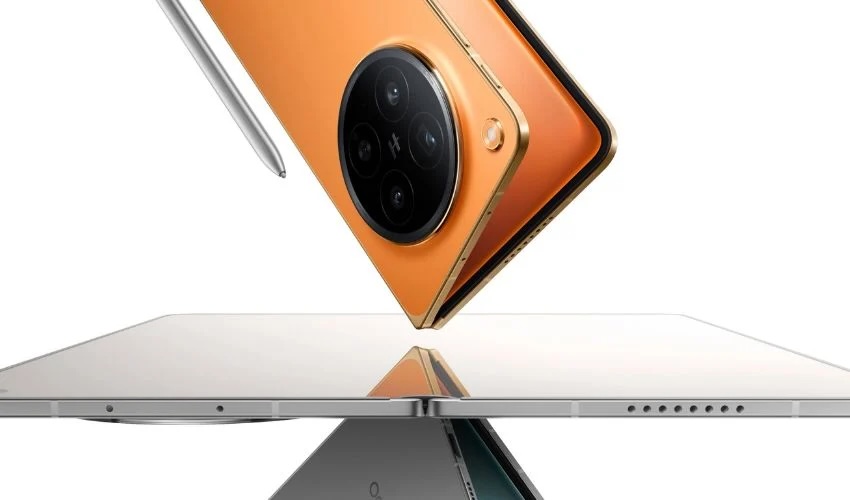 NewsOPPO Uses 3D Printing to Create a Crease-Free Foldable SmartphoneAre we seeing a new trend in additive manufacturing? Just last week, we told you about Apple’s new products and their use of this technology. This week, it’s Chinese manufacturer OPPO’s turn, as the company has announced a new foldable…